
A leather pouf is the rare home accessory that can walk into a room and immediately act useful without making a speech. It can be a footrest, a casual seat, a small-space coffee table with a tray, a textural accent, or the thing your cat claims before you have finished unboxing it. When the pouf comes through the refined lens of Flora and Henri, it becomes more than a soft cube or round cushion on the floor. It becomes a small, sculptural moment of craftsmanship.
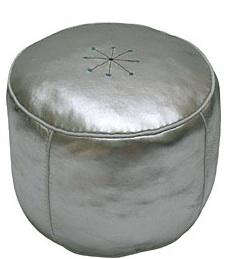
The original buzz around leather poufs from Flora and Henri came from a 2008 Remodelista feature that highlighted handmade leather poufs from Morocco, including silver and white versions priced at $180 at the time. The specific items belong to the design archive now, but the appeal still feels surprisingly current. Why? Because the best home accessories do not beg for attention. They simply make a room feel more relaxed, more layered, and slightly more intelligent than it was five minutes ago.
Flora and Henri has long been associated with a polished, artful lifestyle sensibility: children’s clothing, women’s pieces, home goods, gifts, and curated objects that feel quiet rather than shouty. The brand’s aesthetic leans toward the simple, the refined, and the beautifully chosen. That makes a leather pouf a natural fit. It is casual, but not sloppy. Elegant, but not fussy. Practical, but not boring. In other words, the pouf is the design equivalent of someone who knows exactly when to leave a party.
What Makes a Leather Pouf So Useful?
A pouf is often softer and more relaxed than a traditional ottoman. It usually sits low to the ground, has no visible legs, and feels closer to a structured cushion than a piece of formal furniture. That makes it especially valuable in rooms where flexibility matters. A pouf can slide beside a lounge chair, tuck under a console table, fill an empty corner, or become extra seating when guests arrive and the sofa suddenly looks like a sold-out concert.
Leather adds another layer of value. Fabric poufs can be playful, but leather brings depth, patina, and longevity. A leather pouf can feel bohemian in a Moroccan-inspired room, rustic beside a wood coffee table, modern in a minimalist apartment, or quietly luxurious in a neutral living room. It does not need to match everything. In fact, it is often better when it does not. A little contrast is what keeps a room from looking like it was assembled by a committee of beige throw pillows.
The Flora and Henri Aesthetic: Small Objects, Big Mood
Flora and Henri’s retail identity has always been about curation. The brand began with children’s clothing and expanded into a broader lifestyle world that includes women’s apparel, home decor, gifts, books, and beautifully considered objects. Its concept stores in Seattle and Marin County reflect the same philosophy: fewer random things, more carefully selected pieces that look like they belong in a life with good coffee, linen napkins, and a suspiciously calm dog.
The leather poufs featured by Remodelista fit that world neatly. They were handmade in Morocco and presented in silver and white, two finishes that are easy to imagine in a light-filled room. Silver leather has a cool, reflective quality that works well with glass, pale wood, and white walls. White leather feels crisp and airy, though it does require the owner to be a bit emotionally prepared for real life. Coffee, kids, pets, and white leather have a relationship best described as “high drama.”
Still, the beauty of a pouf is that it does not need to dominate a room. It can be the quiet accessory that brings in texture without taking over the conversation. In a living room full of straight lines, a round or pillow-like leather pouf softens the geometry. In a bedroom, it adds a landing spot for slippers, books, or the sweater you promised yourself you would hang up. In a nursery or children’s room, it can become a reading perch, a soft play accessory, or a parent’s emergency seat during bedtime negotiations.
Leather Pouf vs. Ottoman: What Is the Difference?
The terms pouf, ottoman, and footstool are often used interchangeably, but they are not exactly the same. An ottoman usually has a more structured frame and may include legs, storage, or a firm top that can support trays. A footstool is typically simpler and designed mainly for resting feet. A pouf is more casual, usually lower, softer, and more pillow-like.
That relaxed construction is what makes a leather pouf so adaptable. It does not require a formal furniture plan. You can move it around the room without feeling as if you are rearranging civilization. It also offers a visual pause. Sofas, tables, and shelving units can create hard horizontal and vertical lines. A pouf breaks the grid with a softer shape and a more tactile surface.
How to Style Leather Poufs from Flora and Henri
1. Use One as a Footrest
The simplest use is often the best. Place a leather pouf in front of an armchair or beside a sofa, and suddenly the room becomes more inviting. A pouf says, “Sit down, stay awhile, and please stop balancing your feet on the coffee table like a raccoon with a podcast.” For best proportion, choose a pouf close to the seat height of nearby furniture, or slightly lower for comfortable lounging.
2. Pair Two Poufs for Symmetry
Two matching leather poufs can create a polished look in front of a sofa or at the foot of a bed. This works especially well in long, narrow spaces where a large coffee table would feel heavy. A pair of poufs can be separated when needed, brought together for balance, or used as flexible seating during gatherings. Matching poufs also help a room feel intentional rather than improvised.
3. Add a Tray for Table Duty
A pouf is soft, which is charming until someone tries to place a full mug of coffee on it. The solution is a sturdy tray. A wood, lacquer, metal, or woven tray creates a stable surface for books, flowers, remotes, or drinks. It also visually organizes the pouf, turning it from “extra cushion” into “deliberate design choice.” This is one of the easiest ways to make a leather pouf work in a small apartment.
4. Let It Warm Up a Minimal Room
Minimalist spaces can sometimes feel a little too perfect, as if the furniture is waiting for a museum label. Leather helps solve that. A pouf in tan, white, silver, caramel, chocolate, or black brings natural texture and a lived-in quality. Even a sleek room benefits from a small object with grain, stitching, and softness.
5. Use It in a Children’s Room
Flora and Henri’s roots in refined children’s design make the leather pouf especially interesting for kids’ spaces. A pouf can serve as a reading seat, playroom perch, or parent footrest during story time. Leather is often more wipeable than delicate fabric, though it still needs care. Choose darker or naturally textured leather for rooms where crayons, snacks, and mysterious sticky fingerprints are part of the decorating scheme.
Why Moroccan Leather Poufs Remain Timeless
Moroccan leather poufs have stayed popular because they offer a mix of utility, craftsmanship, and visual character. Their stitched panels, low profile, and rounded form work across design styles. They can look traditional, global, bohemian, modern, or rustic depending on the surrounding furniture.
The best versions do not feel mass-produced. They show the hand of the maker through seams, slight variations, and leather texture. That handmade quality is exactly what makes them attractive in contemporary interiors. Modern homes often contain smooth screens, flat-pack furniture, and surfaces that look a little too perfect. A leather pouf adds humanity back into the room. It says, “Yes, this home has Wi-Fi, but it also has soul.”
Choosing the Right Leather Pouf for Your Space
Consider Color
White and silver poufs, like the Flora and Henri pieces featured in the original Remodelista post, feel bright and decorative. They work well in airy rooms, coastal-inspired spaces, nurseries, bedrooms, and neutral living rooms. Tan and cognac leather feel warmer and more forgiving. Black leather is graphic and modern. Brown leather is classic and pairs beautifully with wood, wool, jute, brass, and linen.
Think About Shape
Round poufs soften a room and are easy to move around. Square poufs feel a bit more structured and can line up neatly in pairs. Cube poufs offer a modern look and can sometimes double as side tables with a tray. The right shape depends on the room’s existing furniture. If everything is boxy, choose round. If the room already has many curves, a square or cube pouf can add balance.
Check the Filling
A pouf is only as good as its fill. Too soft, and it collapses like a sad pancake. Too firm, and it becomes less comfortable for lounging. Many leather poufs are sold unfilled or lightly filled, especially Moroccan styles. Common filling options include cotton batting, wool, old textiles, foam pieces, or synthetic fill. For a sustainable approach, some homeowners use clean fabric scraps, retired towels, or seasonal blankets. This can give the pouf a firm shape while reducing household clutter. Congratulations: your old linens have been promoted.
Look for Quality Stitching
Leather poufs depend on strong seams. Check stitching, zipper quality, panel alignment, and leather thickness. Handmade pieces may show natural variation, which is part of their charm, but the construction should still feel secure. A pouf that will be used as seating needs more structure than one used purely as a decorative accent.
Where a Leather Pouf Works Best
In the living room, place a leather pouf near a sofa, sectional, or lounge chair. It can replace a bulky ottoman or add extra seating without crowding the room. In a bedroom, use one near a reading chair, beside a dresser, or at the end of the bed. In an entryway, a pouf offers a casual spot to sit while putting on shoes. In a home office, it adds softness to a work-heavy space and gives guests a place to perch during quick conversations.
Small homes benefit most from pieces that can do more than one job. A leather pouf is compact enough to move but stylish enough to leave out. It does not scream “storage solution” or “backup seating,” yet it handles both roles gracefully. That is the magic of a good accessory: it solves problems while pretending to be decorative.
How to Care for a Leather Pouf
Leather is durable, but it is not invincible. To keep a leather pouf looking good, dust it regularly with a soft, dry cloth. Avoid placing it in direct sunlight or near heat sources, because leather can dry, fade, or crack. If a spill happens, blot it quickly with a clean, absorbent cloth. Do not scrub aggressively. Leather is not a countertop, and treating it like one usually ends badly.
For oil-based marks, many leather-care guides recommend blotting excess liquid and allowing the leather to absorb and mellow the spot naturally over time. For serious stains, a leather specialist is safer than a heroic internet experiment involving dish soap and regret. If using leather conditioner, always test it first on a hidden area. Different leather finishes react differently, and surprise dark spots are not the kind of character anyone requested.
Design Analysis: Why This Accessory Still Feels Relevant
The continued appeal of leather poufs comes from three design strengths: scale, texture, and flexibility. Scale matters because many rooms need small furniture that does not overwhelm the floor plan. Texture matters because leather adds richness without needing bold pattern. Flexibility matters because modern homes are multitasking spaces. The living room may be a lounge, office, playroom, dining overflow area, and movie theater by Friday night.
The Flora and Henri leather poufs captured this idea before “small-space living” became a full-blown internet genre. They were decorative, handmade, and practical. That combination is still exactly what many homeowners want. A room should look good, yes, but it should also support real life. People need places to put their feet. Children need low seating. Guests need somewhere to sit. Dogs need something to sniff suspiciously before approving. Design is glamorous, but it is also logistics wearing a nice jacket.
How to Create the Flora and Henri Look at Home
To channel the Flora and Henri approach, start with restraint. Choose fewer accessories, but make them count. Pair a leather pouf with natural materials such as wool throws, linen pillows, handmade ceramics, woven baskets, and wood furniture. Keep the palette calm: cream, ivory, camel, charcoal, pale gray, soft brown, and muted metallics. Add one unexpected detail, such as a sculptural lamp, an art book, or a patterned textile.
The result should feel collected rather than decorated. A leather pouf should not look as if it arrived because an algorithm shouted “boho accent furniture” at you. It should feel like something found, chosen, and kept. That is the difference between a room with accessories and a room with personality.
Common Mistakes to Avoid
Choosing the Wrong Size
A tiny pouf in front of a deep sofa can look lost. A huge pouf in a narrow room can become a stylish obstacle course. Measure the area before buying. Leave enough space to walk comfortably around the pouf.
Ignoring Function
If you want the pouf for seating, choose a firm, well-filled option. If you want it as a decorative accent, softness matters less. If you plan to use it with a tray, pick a shape with enough surface area.
Overloading the Room
A leather pouf already adds texture and presence. Pair it with complementary accessories, but avoid creating a pileup of competing materials. Leather, wool, linen, wood, and ceramic can sing together beautifully. Add too many shiny, fuzzy, patterned, fringed, tasseled items, and the room starts auditioning for a furniture circus.
Experience Notes: Living With a Leather Pouf
After styling leather poufs in different rooms, one lesson becomes clear: the pouf is never just a pouf. It becomes part of the household rhythm. In a living room, it usually starts as a footrest. Within a week, it becomes a coffee-table extension, a guest seat, a child’s stage, and the place where magazines migrate when nobody is looking. This is not a flaw. This is proof of usefulness.
In small apartments, a leather pouf can make the difference between a room that feels cramped and one that feels flexible. A traditional coffee table may block movement, especially in narrow layouts. A pouf, however, can shift easily. Move it close to the sofa for movie night. Slide it beside a chair for reading. Push it under a console when you need open floor space. Add a tray and it becomes a surface for snacks, candles, or a bowl of keys. Remove the tray and it becomes soft seating again. It is basically the Swiss Army knife of cozy decor, minus the tiny scissors nobody knows how to use.
In family spaces, darker leather tends to be more forgiving than white or metallic finishes. Cognac, saddle brown, and chocolate tones hide everyday marks better and develop a natural patina. That patina is part of the charm. Leather does not stay frozen in time; it records use. A small crease, a softened edge, or a mellowed color can make the piece feel more personal. The goal is not perfection. The goal is character without chaos.
In bedrooms, leather poufs work best when they are treated as quiet helpers. Place one near a closet as a shoe seat, beside a reading chair, or at the foot of the bed with a folded throw. It creates a boutique-hotel feeling without requiring a renovation budget or a tiny chocolate on the pillow. In guest rooms, a pouf is especially useful because it gives visitors a place to set a bag, sit briefly, or stack bedtime reading.
The biggest practical tip is to respect the material. Keep the pouf away from harsh sun, wipe dust before it settles into seams, and handle spills immediately. Also, be honest about your lifestyle. A white leather pouf in a house with toddlers, grape juice, and a golden retriever named Waffles may be brave. Beautiful, yes, but brave. A warmer leather tone might give the same style payoff with fewer dramatic cleaning moments.
What makes the Flora and Henri leather pouf idea so enduring is not just the object itself. It is the attitude behind it. Choose accessories that are beautiful, useful, tactile, and a little unexpected. Let them soften the room. Let them move around. Let them earn their place. A good leather pouf does exactly that. It does not demand center stage, but somehow the room feels better when it is there.
Conclusion
Accessories: Leather Poufs from Flora and Henri is more than a nostalgic design note from a beloved interiors archive. It is a reminder that small home accessories can carry serious style power. A handmade Moroccan leather pouf brings texture, flexibility, and quiet charm into almost any room. It can warm up minimal spaces, add function to small homes, soften children’s rooms, and give living areas that relaxed, collected look designers love.
Whether you are drawn to the silver and white Flora and Henri poufs originally featured by Remodelista or simply inspired by their timeless idea, the lesson is the same: choose accessories with purpose. A leather pouf should be beautiful enough to notice, useful enough to keep, and durable enough to become part of daily life. That is a lot of responsibility for a small piece of furniture, but the best poufs handle it gracefully. They sit low, work hard, and never complain. Honestly, some full-size sofas could learn from them.