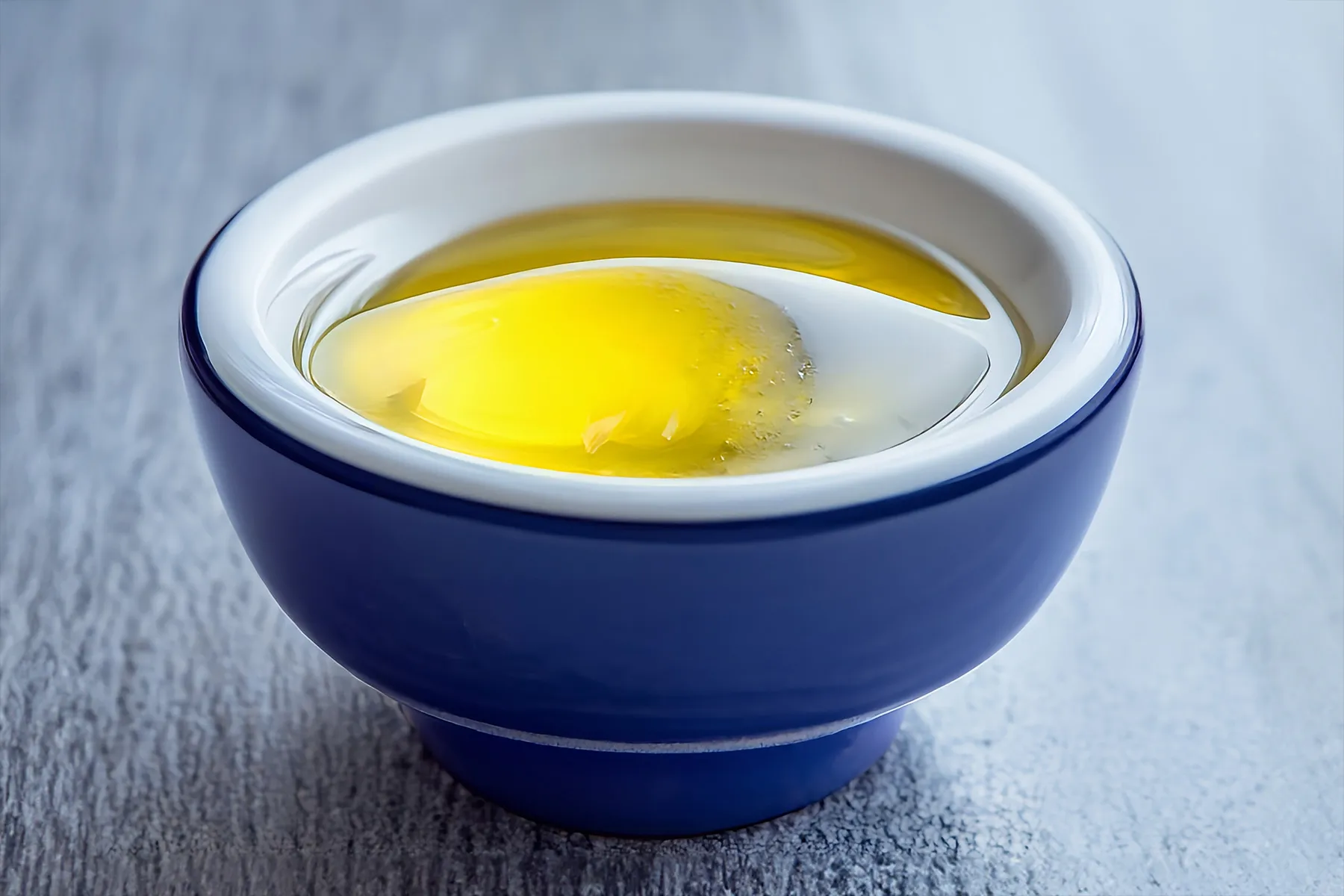

It has been added to coffee, blended into smoothies, and praised by keto fans with the enthusiasm usually reserved for concert tickets. MCT oil is one of the most talked-about fats in wellness culture, but the real story is more useful than the hype. It may provide a quick-to-digest source of fat, support ketone production, and serve specific medical nutrition purposes. It is not, however, a magical shortcut to weight loss, endless energy, or a brain that suddenly remembers every password.
This guide explains what MCT oil is, what the research actually suggests, how people commonly use it, and which side effects deserve your attention. Think of it as a friendly reality check for a very fashionable bottle of oil.
What Is MCT Oil?
MCT stands for medium-chain triglycerides, a type of dietary fat with a shorter chemical structure than the long-chain triglycerides found in many everyday foods. Because of their size, MCTs are absorbed and processed differently from many other fats. They move through digestion relatively quickly and can be converted into energy or ketones more readily than longer-chain fats.
Most MCT oil supplements are made from fats extracted from coconut oil or palm kernel oil and then concentrated. That distinction matters: MCT oil is not the same thing as coconut oil. Coconut oil contains some MCTs, but it also contains other fats, including substantial saturated fat. A bottle labeled “MCT oil” is usually a more concentrated product, often containing caprylic acid (C8), capric acid (C10), or a blend of the two.
In practical terms, MCT oil is still oil. It contains calories, contributes fat to the diet, and should be treated as an ingredient rather than a superhero cape. Its main advantage is how the body handles it, not that it somehow escaped the laws of nutrition while everyone else was looking away.
Potential Health Benefits of MCT Oil
1. It May Provide a Quick Energy Source
MCTs are absorbed more directly than many long-chain fats and are transported to the liver, where they can be used for energy or converted into ketones. Ketones are compounds the body can use as an alternative fuel source when carbohydrate intake is low, during fasting, or in certain metabolic situations.
This is why MCT oil is popular among people following ketogenic or lower-carbohydrate eating plans. It may raise blood ketone levels without requiring a person to eat a dramatic amount of fat at one time. That does not mean it creates limitless energy. It simply provides a fuel source that some bodies process efficiently.
2. It May Support Modest Weight Management Efforts
MCT oil is often marketed as a weight-loss miracle, which is unfortunate because miracles tend to be hard on credibility. Research suggests that replacing some long-chain fats with MCTs may slightly increase energy expenditure and fat oxidation in certain settings. Some studies also indicate that MCTs may reduce later food intake compared with long-chain fats.
The important word is replace. Adding several spoonfuls of MCT oil to an already calorie-dense diet is not the same as replacing another source of fat with it. A smoothie that already contains nut butter, full-fat yogurt, avocado, protein powder, and enough MCT oil to lubricate a bicycle chain may be nutritious, but it is still a very large smoothie.
For weight management, MCT oil works best as a small part of a sustainable eating pattern that includes protein, fiber-rich foods, vegetables, minimally processed carbohydrates, and regular movement. It cannot out-negotiate an overall calorie surplus, even if it arrives in a glass bottle with a sleek label.
3. It Can Help Increase Ketone Production
MCT oil is frequently used by people who want mild nutritional ketosis. The liver can convert certain MCTs into ketones more efficiently than many other fats, especially when carbohydrate intake is lower. Some people use MCT oil before a workout, during intermittent fasting, or as part of a ketogenic meal plan.
Ketone production is not automatically better for everyone. It is simply a metabolic state. Some people enjoy the structure of a low-carbohydrate eating pattern, while others feel better with a more balanced approach that includes whole grains, beans, fruit, and starchy vegetables. The best plan is the one that supports your health, preferences, budget, and ability to eat normally at a family gathering without delivering a lecture about cauliflower rice.
4. It Has Legitimate Uses in Medical Nutrition
One of the most meaningful uses of MCTs is not trendy at all: clinical nutrition. Because MCTs can be absorbed more easily than many long-chain fats, they may be included in specialized nutrition formulas for people with certain malabsorption conditions or disorders affecting fat digestion.
Examples can include situations involving pancreatic insufficiency, certain intestinal disorders, or problems with bile flow. In those cases, MCTs are not a wellness accessory. They are part of a treatment plan designed by clinicians and dietitians who understand the person’s medical needs, nutrient deficiencies, medications, and calorie requirements.
5. Brain Health Research Is Interesting but Still Developing
MCT oil has received attention in research on mild cognitive impairment and Alzheimer’s disease because ketones may offer an alternative energy source for the brain. Small studies and reviews have reported possible cognitive benefits in some groups, but the results are not strong enough to call MCT oil a treatment for dementia or memory loss.
Response may vary by health status, genetics, diet pattern, dose, and study design. Anyone dealing with memory changes should seek medical evaluation rather than relying on a supplement added to coffee. MCT oil may be a research topic with promise, but it is not a replacement for diagnosis, treatment, sleep, physical activity, blood-pressure management, or social connection.
6. Exercise Benefits Are Less Certain Than Social Media Suggests
Some athletes use MCT oil hoping for better endurance or faster recovery. The logic is understandable: quick-to-process fat sounds like convenient fuel. But human research on exercise performance remains mixed. Some people tolerate MCT oil before training, while others discover the gastrointestinal consequences halfway through a run, which is not the kind of personal best anyone wants.
If you exercise regularly, the basics remain more important: adequate carbohydrates for the activity, hydration, protein for recovery, sufficient calories, and consistent training. MCT oil may fit into some routines, but it is not a substitute for a well-planned sports nutrition strategy.
Common Uses of MCT Oil
In Coffee and Tea
MCT oil is often blended into coffee, tea, or a coffee-and-protein drink. Blending helps distribute the oil more evenly and creates a smoother texture. Keep in mind that coffee can already stimulate the digestive system, so pairing it with a large amount of MCT oil may be a bold decision for a busy morning.
In Smoothies and Yogurt Bowls
A small serving of MCT oil can be added to smoothies, Greek yogurt, oatmeal, or protein shakes. It contributes fat without a strong flavor, which makes it convenient for people who dislike the taste of coconut oil. Pair it with protein and fiber rather than treating it as a stand-alone breakfast.
In Salad Dressings and Cold Foods
MCT oil has a relatively neutral taste, so it can work in homemade dressings, sauces, or chilled foods. It is generally better suited to cold or gently warmed dishes than high-heat cooking. For sautéing and roasting, oils chosen for flavor, heat stability, and heart-health considerations may be more practical.
As Part of a Ketogenic or Lower-Carbohydrate Plan
People following ketogenic diets may use MCT oil to support ketone production. It is usually best to begin with the smallest serving listed on the label and increase only if it is well tolerated. There is no prize for taking too much too quickly, unless the prize is spending quality time near a bathroom.
Under Medical Supervision
For people with fat malabsorption, poor appetite, or special nutrition needs, MCT-containing products may be recommended by a healthcare professional. In this situation, the dose, form, and timing should be personalized. A medical nutrition plan is not the same as copying a wellness influencer’s morning beverage routine.
MCT Oil Side Effects and Safety Considerations
The most common side effects of MCT oil involve the digestive system. Large amounts can cause nausea, stomach cramps, bloating, loose stools, diarrhea, or vomiting. These symptoms often happen when someone starts with too much too soon, especially on an empty stomach.
A gentler approach is to begin with a small amount, take it with food, and assess tolerance before increasing. Product labels vary, and there is no single ideal amount for every person. More is not automatically better; the digestive tract has a wonderfully direct way of communicating that fact.
MCT oil also adds calories. Even though it may be metabolized differently from other fats, it can still contribute to weight gain when added on top of a person’s usual intake. People managing high cholesterol, cardiovascular risk, fatty liver disease, diabetes, or digestive disorders should discuss regular MCT oil use with a qualified healthcare professional.
Use extra caution if you are pregnant, breastfeeding, managing a chronic medical condition, taking prescription medication, or considering MCT oil for a child. Specialized diets and supplements may interact with medical nutrition plans, medication schedules, or digestive conditions in ways that are not obvious from a viral video.
Finally, remember that MCT oil is sold as a dietary supplement or food product. Supplements are not approved by the U.S. Food and Drug Administration in advance for safety and effectiveness in the same way prescription drugs are. Choose products from companies that provide clear ingredient information, realistic claims, and credible quality testing.
How to Choose a Quality MCT Oil
Look for a product with a short, understandable ingredient list. Many people prefer oils containing C8, C10, or both, because these are commonly used for rapid ketone production. Avoid products that hide behind vague “proprietary blends” when the label does not clearly explain the amount of MCT oil per serving.
Choose packaging that protects the oil from excessive heat and light, store it according to the label, and check the expiration date. If the product smells unusual, tastes rancid, or has been stored in a hot car long enough to qualify as a science experiment, replace it.
Most importantly, ignore dramatic promises. A responsible brand should not claim that MCT oil cures disease, melts fat overnight, replaces meals, or turns a regular Tuesday into a personal wellness documentary.
Common MCT Oil Myths
Myth: MCT Oil Is the Same as Coconut Oil
Not exactly. Coconut oil contains some medium-chain fats, but it also contains other fats and is not the same as a concentrated MCT oil supplement.
Myth: MCT Oil Guarantees Weight Loss
No food or supplement guarantees weight loss. MCT oil may have modest effects when it replaces other fats in a balanced eating plan, but it does not erase calories from the rest of the diet.
Myth: More MCT Oil Means More Energy
More MCT oil often means more digestive discomfort. Your body is not impressed by enthusiasm measured in tablespoons.
Myth: It Is a Treatment for Memory Loss
Research on ketones and cognition is still evolving. MCT oil should never replace medical assessment or evidence-based care for cognitive symptoms.
Real-World Experiences With MCT Oil: What People Commonly Notice
Experiences with MCT oil vary widely, which is one reason it helps to separate realistic observations from miracle stories. The following examples are common patterns people report, not promises or substitutes for personalized medical advice.
The Coffee Experimenter
Many people first encounter MCT oil through coffee. They add a small amount to a morning drink because they want a richer texture or hope to feel satisfied longer before lunch. Some enjoy the creamy result, especially when the coffee is blended with milk or a protein shake. Others find that the oil floats on top like a tiny slick of ambition, which is why blending matters.
The most common mistake is changing too many things at once: stronger coffee, less breakfast, a large pour of MCT oil, and an early meeting. When stomach discomfort follows, the person may blame caffeine, fasting, dairy, or the office lighting. A simpler approach is easier to evaluate: try a small amount with a familiar meal and see how your body responds.
The Keto Enthusiast
People using a ketogenic diet may notice that MCT oil makes it easier to raise ketone levels, particularly when carbohydrates are low. Some say it helps them maintain routine during travel or busy workdays because it is easy to add to a shake or coffee. Others decide it is not worth the digestive trade-off. Both reactions are normal.
A useful lesson from keto communities is that MCT oil works best as a tool, not a personality. It can be one ingredient in a lower-carbohydrate diet, but it cannot make up for poor sleep, low fiber intake, inadequate electrolytes, or a meal plan made entirely of cheese and determination.
The Weight-Loss Optimist
People trying to lose weight sometimes expect MCT oil to create an immediate appetite-suppressing effect. Some do feel more satisfied when they use a little MCT oil in a protein-rich breakfast. Others feel no noticeable difference. The more reliable pattern is that it can be helpful when it replaces another calorie source, not when it is added to every snack as a “healthy extra.”
For example, swapping a sugary coffee drink for a protein coffee with a modest amount of MCT oil may support a more filling morning routine. Adding MCT oil to the sugary coffee drink, a pastry, and a second breakfast is less likely to produce the same result. Context wins again.
The Home Cook
In the kitchen, people often appreciate MCT oil for its mild taste. It can disappear into smoothies, yogurt, dressings, and chilled sauces without announcing itself. That makes it useful for people who dislike strong coconut flavor. However, many cooks eventually decide that olive oil, avocado oil, nuts, seeds, and fatty fish offer more culinary variety and broader nutritional value.
MCT oil can be convenient, but it does not need to become the only fat in the pantry. A healthy diet is usually more enjoyable when it includes different foods, textures, and flavors instead of one bottle trying to do every job.
The Clinician-Guided User
For people dealing with malabsorption or special nutrition needs, MCT-containing products may play a genuinely important role. Their experience is often less about wellness trends and more about getting enough calories and tolerating food better. In those cases, professional guidance matters because nutrition goals may include vitamin status, digestive symptoms, medication timing, and total energy intake.
The takeaway from real-world use is simple: MCT oil is helpful for some people, neutral for others, and unpleasant for anyone who starts with too much. The best experience is not the most dramatic one. It is the one that fits comfortably into an overall eating pattern and does not turn breakfast into an emergency.
Final Takeaway
MCT oil can be a useful source of quickly absorbed fat, particularly for people following lower-carbohydrate diets or for those using specialized medical nutrition plans. It may support mild ketone production and modest weight-management efforts when it replaces other fats, but it is not a cure-all, a guaranteed performance booster, or a replacement for balanced meals.
Use it thoughtfully, start small, and pay attention to digestion. For most people, the best health strategy remains wonderfully unglamorous: eat a varied diet, prioritize fiber and protein, choose unsaturated fats often, move regularly, sleep enough, and let supplements stay in their proper lane.
Note: This article is for general educational purposes and is not medical advice. Speak with a qualified healthcare professional before using MCT oil regularly for a medical condition, during pregnancy or breastfeeding, or as part of a therapeutic diet.