
Parenting a child with attention-deficit/hyperactivity disorder can feel like coaching a talented team during a game in which the rules keep moving. One morning, your child gets dressed, eats breakfast, and finds both shoes before the bus arrives. The next morning, one sock has apparently joined a witness-protection program, cereal is on the floor, and everyone is negotiating with a toothbrush.
An ADHD behavior management plan helps replace repeated arguments with predictable support. It is not a punishment chart, a personality makeover, or a demand that your child “try harder.” It is a practical system that identifies specific behaviors, teaches missing skills, rewards progress, and keeps adults consistent.
Behavior therapy, parent training, school interventions, and carefully monitored medical care are recognized components of ADHD treatment. Parent-delivered behavior management is especially important for younger children.
What an ADHD Behavior Management Plan Actually Does
ADHD can affect attention, impulse control, activity level, organization, time awareness, and emotional self-regulation. Behavior that looks careless or oppositional may begin with a skill gap: forgetting a multistep direction, losing track of time, reacting before thinking, or becoming overwhelmed during a transition.
A useful plan asks three questions: What happened before the behavior? What did the child do? What happened afterward? This sequence is sometimes described as antecedent, behavior, and consequence. The goal is not to excuse unsafe or disrespectful behavior. It is to understand the pattern well enough to change it.
Behavior Is Information, Not a Character Report
“Will not start homework” is more useful than “lazy.” “Leaves the table four times during dinner” is measurable; “impossible at meals” is not. Labels create blame, while observable descriptions create a starting point.
Look for patterns over one or two weeks. Does conflict spike after poor sleep, during noisy activities, when medication may be wearing off, or when instructions contain six steps disguised as one sentence?
ADHD can also occur alongside anxiety, depression, sleep difficulties, learning disabilities, autism, or behavior disorders. Persistent, severe, or sudden behavioral changes should therefore be discussed with a qualified healthcare professional rather than automatically blamed on ADHD.
Step 1: Choose a Small Number of Target Behaviors
The fastest way to sink a behavior plan is to put everything on it. A chart that tracks homework, manners, toothbrushing, sibling peace, room cleanliness, emotional control, handwriting, and remembering the water bottle is not a plan. It is a small federal agency.
Start with one to three behaviors that matter most to safety, family functioning, or school success. Define each behavior positively and specifically.
- Instead of “stop being disruptive,” use “raise your hand before speaking during math.”
- Instead of “be responsible,” use “put homework in the backpack by 8:00 p.m.”
- Instead of “have a good morning,” use “complete the four-item morning checklist with no more than two reminders.”
Choose goals your child can realistically perform. If homework currently takes three hours and ends in tears, the first target might be ten minutes of focused work followed by a short break. Success should be reachable often enough for your child to connect effort with a positive result.
Step 2: Identify Triggers and Redesign the Environment
Good ADHD behavior planning is proactive. It changes the conditions around a behavior instead of waiting for trouble and then delivering a speech worthy of a courtroom drama.
Use Routines That Reduce Decision Fatigue
Create consistent sequences for mornings, homework, meals, screen transitions, and bedtime. Post a short visual checklist where the action happens. “Bathroom, clothes, breakfast, backpack” is easier to process than reminders shouted from another room while someone is also searching for car keys.
Keep needed items in predictable locations. A launch pad near the door can hold the backpack, shoes, jacket, and permission slips. Homework supplies can live in one container. Clothes can be selected the night before.
These systems are not “babying” a child. They temporarily externalize executive functions while planning, organization, and self-monitoring skills develop. Pediatric guidance commonly recommends organized spaces, consistent routines, brief instructions, task breakdown, and meaningful reinforcement.
Give Effective Instructions
Get close, use your child’s name, and make brief eye contact if that is comfortable for them. State one clear action: “Please put the game controller on the shelf now.” That is easier to follow than, “How many times do I have to tell you to stop ignoring me and get ready?”
Ask your child to repeat the instruction when necessary, and then allow a few seconds for processing. Avoid stacking several commands together or continuing to talk while the child is attempting the first step.
Directions should not sound optional unless they truly are. “Would you like to start homework?” invites a perfectly reasonable “No.” Use calm wording and limited choices when both options are acceptable: “Homework at the kitchen table or at your desk?”
Step 3: Build a Reward System That Works With the ADHD Brain
Children with ADHD often respond better to immediate, frequent feedback than to distant rewards. “Keep this up all semester and maybe you will get something nice” is motivational fog. Connect the target behavior to praise, points, tokens, privileges, or small rewards as soon as practical.
Make Praise Specific
Replace a general “good job” with labeled praise:
- “You started when the timer rang.”
- “You remembered to put the folder in your backpack.”
- “You were frustrated and still used a calm voice.”
Specific praise tells your child exactly what to repeat. It also helps parents notice progress instead of interacting only when something goes wrong.
Let Your Child Help Choose Rewards
Rewards do not need to be expensive. Ten minutes of special play, choosing the dinner music, staying up fifteen minutes later on Friday, selecting a family game, or earning screen time can be powerful.
Create a menu containing small daily rewards and larger weekly rewards. Change the options when they become stale; even pizza loses its magic when served as a quarterly performance bonus.
Keep the exchange rate simple. For example, a child might earn one point for starting homework within five minutes, one for completing a work interval, and one for packing materials. Four points could earn a small evening privilege.
Reward systems work best when the desired behavior is clearly defined, progress is tracked consistently, and reinforcement follows success promptly.
Step 4: Use Consequences Calmly and Sparingly
Positive reinforcement should do most of the heavy lifting. Consequences are still appropriate for unsafe, destructive, or clearly prohibited behavior, but they should be predictable, proportionate, brief, and connected to the action.
If a toy is thrown, the toy rests for a defined period. If a privilege depends on completing a routine, the privilege begins after the routine. Avoid enormous punishments that are difficult to enforce, such as banning all screens “for the rest of your natural life.”
Do not take away rewards that have already been earned unless that possibility was clearly explained in advance. Constantly moving the finish line can make a child stop trusting the system.
Use Fewer Words During Escalation
A dysregulated child is not available for a TED Talk on personal responsibility. During an outburst, focus on safety and calming first. Review what happened later, when both adult and child can think clearly.
Teach a replacement behavior rather than merely naming what must stop. Replacement behaviors might include asking for a break, using a private signal, moving to a quiet space, squeezing a stress ball, or choosing between two acceptable responses.
Step 5: Coordinate the Home and School Plan
ADHD-related difficulties often appear differently across settings. A child may hold everything together at school and unravel at home, or function well in a structured household but struggle in a busy classroom.
Behavior support is stronger when parents, teachers, healthcare professionals, and the child work toward compatible goals. Ask the teacher which one or two behaviors most interfere with learning. Examples include:
- Beginning work within a set period.
- Remaining in the assigned area.
- Completing a defined portion of an assignment.
- Using a respectful signal before speaking.
- Bringing required materials home.
Consider a Daily Report Card
A daily report card is a brief teacher-completed form that tracks a few individualized goals and sends feedback home. The child may earn a home reward based on school performance.
This should not become a public classroom behavior chart. Feedback should protect the child’s dignity, emphasize teachable behaviors, and create several chances to succeed throughout the day.
School supports may include written schedules, shortened or chunked assignments, movement opportunities, organizational help, private cues, strategic seating, regular check-ins, and behavior plans.
Eligible students may receive services through an Individualized Education Program or Section 504 plan, depending on their evaluation and needs. U.S. Department of Education guidance notes that support for students with ADHD may include behavioral interventions, organizational assistance, and additional time. Education research also supports daily report cards as a way to connect written goals with everyday classroom performance.
Step 6: Match the Plan to Your Child’s Age
Preschool Children
For children younger than six, parent training in behavior management is generally recommended before medication is tried. Plans should be immediate and visual, with one-step directions, frequent praise, predictable routines, and very small goals. A sticker earned now is more meaningful than a bicycle discussed for next month.
Elementary-Age Children
Use checklists, timers, point systems, movement breaks, school-home communication, and guided practice with organization. Invite the child to help choose rewards and identify obstacles, but keep adult support high. An eight-year-old who repeatedly forgets a planner needs a better system, not a lecture about retirement planning.
Teenagers
Shift toward collaboration, privacy, and increasing independence. Create written agreements for driving, devices, homework, curfews, medication routines, and household responsibilities. Tie additional freedom to demonstrated responsibility.
Teenagers should participate in selecting goals, reviewing results, and adjusting the plan. The adult remains the safety net, but the teenager increasingly becomes a co-manager rather than a passive recipient of rules.
Step 7: Review Results and Adjust Without Drama
Review the plan weekly at first. Ask four questions:
- Is the target behavior clear?
- Does the child currently have the skills to perform it?
- Is the reward meaningful and immediate enough?
- Are the adults applying the plan consistently?
If success is rare, the goal may be too difficult, the prompt may be unclear, or the reward may arrive too late. Make the step smaller. If success becomes consistent, gradually increase the expectation or reduce material rewards while continuing praise and recognition.
Do not abandon the entire plan after a difficult day. Behavior change is rarely a smooth upward line. It often looks as though a toddler drew the graph during turbulence. Track patterns across several days rather than reacting to one rough afternoon.
How Treatment Fits Around the Behavior Plan
A behavior management plan is one part of comprehensive ADHD care. Depending on a child’s age and individual needs, treatment may include parent training, classroom interventions, child skills training, counseling, medication, or a combination of approaches.
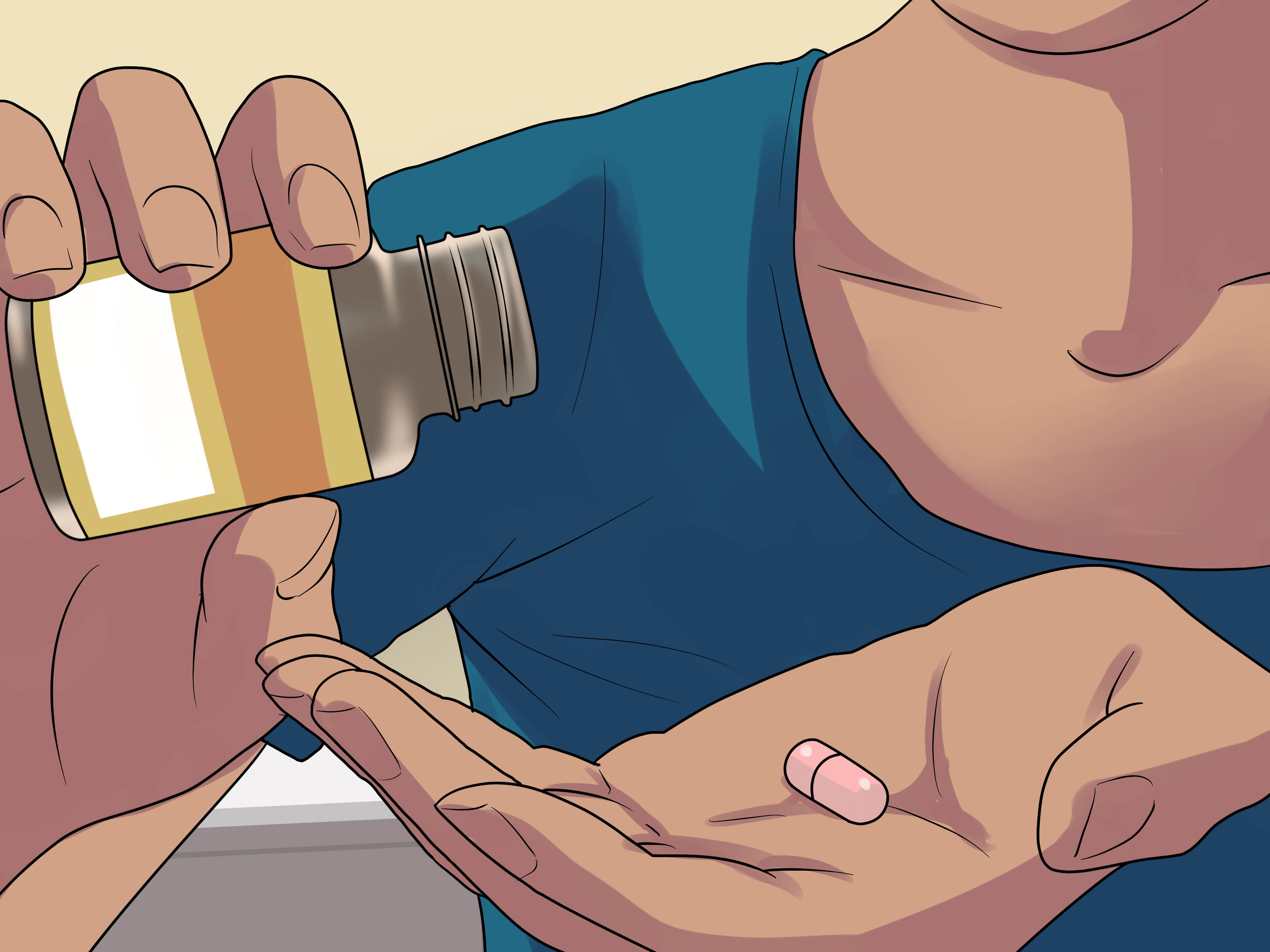
Medication decisions belong with the child’s healthcare professional. Parents should not start, stop, share, or change an ADHD medication dose without guidance from the prescriber.
Schedule follow-up when goals are not improving, side effects appear, family conflict remains severe, school performance declines, or new symptoms develop. The clinician may reassess the diagnosis, sleep, learning needs, coexisting conditions, treatment adherence, or whether the current plan targets the right outcomes.
Research and clinical guidance support multimodal care tailored to the individual child rather than a one-size-fits-all program.
A Simple ADHD Behavior Plan Example
| Plan Element | Example |
|---|---|
| Target behavior | Begin the bedtime checklist within five minutes of the 8:15 p.m. alarm. |
| Prompt | Visual checklist plus one calm verbal reminder. |
| Steps | Put on pajamas, brush teeth, place clothes in the hamper, and choose one book. |
| Reward | One point for starting and one point for completing all four steps. |
| Daily privilege | Two points earn the choice of bedtime story. |
| Weekly reward | Eight points earn the choice of a Saturday family activity. |
| Response to refusal | The parent repeats the direction once, limits discussion, and delays the bedtime story until the essential routine is complete. |
| Review date | The family reviews results after seven days and adjusts the difficulty, prompts, or rewards. |
Experience-Based Lessons From Real-World ADHD Planning
The following composite examples reflect common family experiences rather than one identifiable child. They illustrate why a technically perfect plan may still require practical editing.
Experience 1: The Morning Chart That Asked for Too Much
One family created a colorful morning chart with eleven tasks. It included getting dressed, making the bed, feeding the dog, clearing breakfast dishes, checking the weather, packing lunch, filling a water bottle, brushing teeth, brushing hair, finding shoes, and reviewing the school calendar.
The chart looked magnificent. It also failed before Tuesday.
The problem was not a lack of motivation. The child had to remember too many steps while surrounded by distractions. The family reduced the chart to four essentials: get dressed, eat breakfast, brush teeth, and pick up the backpack.
Shoes and the backpack were placed beside the door the night before. Feeding the dog became an after-school responsibility. Within a week, mornings were calmer because the environment was doing part of the remembering.
The lesson is to simplify before adding consequences. When adults feel tempted to increase pressure, they should first ask whether the task can be shortened, displayed visually, prepared earlier, or divided into smaller actions.
Experience 2: The Reward That Was Too Far Away
Another child was promised a weekend outing for “good behavior all week.” By Wednesday afternoon, one difficult school day made the reward feel lost, so there was little reason to recover.
The plan was changed to daily points with several ways to earn them. A difficult math period no longer erased success during reading, recess, and homework. The child could exchange a few points for a small privilege or save them toward the weekend activity.
This created frequent fresh starts. It also changed the parents’ attention. Instead of spending the day catching mistakes, they began actively noticing useful behavior. The household did not become a silent spa, but arguments became shorter and successes became easier to see.
The lesson is that a child with ADHD needs a clear path back after making a mistake. A behavior plan should create many opportunities to succeed, not one long tightrope.
Experience 3: Home and School Were Solving Different Problems
A teacher tracked “staying focused,” while the parents rewarded “finishing homework.” Neither goal was clearly defined, and the child received vague feedback from both sides.
During a team meeting, the adults selected measurable behaviors: begin independent work within two minutes, complete the first five assigned problems, and bring the folder home.
The teacher marked each goal at two scheduled times. At home, the child initially earned praise and a small privilege simply for returning the report card, regardless of whether every classroom goal was met. That detail mattered because remembering to carry the card was itself an executive-function task.
Once the communication habit became reliable, rewards were tied more closely to the classroom goals. The lesson is that adults must agree on what they are measuring. “Focus better” is a wish. “Start within two minutes after one prompt” is a target.
Experience 4: The Parent Needed a Plan, Too
In many families, the hardest moment arrives when a child’s dysregulation collides with an exhausted adult’s dysregulation. One parent noticed that repeated arguing usually began after the second ignored direction.
The parent created a script: move closer, give one brief instruction, wait, repeat it once, and then apply the preselected consequence without debating. This did not make the parent robotic. It reduced improvisation during stressful moments.
The parent also scheduled ten minutes of positive one-on-one time that did not have to be earned through good behavior. That protected the relationship from becoming a nonstop performance review.
The lesson is that consistency becomes easier when adults decide how they will respond before the problem occurs. Parent training is not an admission of failure. It is skills coaching for the people running the system.
Experience 5: Uneven Progress Was Still Progress
A child improved from completing the evening routine two days per week to four. The family initially focused on the three unsuccessful days. When they reviewed the chart, however, they recognized that successful evenings had doubled.
They also noticed that failures clustered on late sports nights. Instead of increasing penalties, they shortened the routine on those evenings and prepared school materials before leaving for practice.
The lesson is to use data with compassion. Numbers should help the family solve problems, not grade the child’s worth. Celebrate improvement, investigate patterns, and keep adjusting.
Conclusion
Effective ADHD behavior management planning is less about controlling a child and more about designing conditions in which that child can succeed. Choose a few measurable goals, prepare the environment, teach the desired behavior, reinforce progress quickly, and use calm consequences when necessary.
Coordinate with school and healthcare professionals, review results regularly, and keep expectations appropriate for your child’s developmental level. Most importantly, protect the relationship while working on the behavior.
Your child is more than a collection of symptoms, unfinished worksheets, and mysteriously missing lunch containers. A good plan protects that truth. It provides structure without shame, accountability without hostility, and repeated opportunities to practice the skills that ADHD makes difficult.