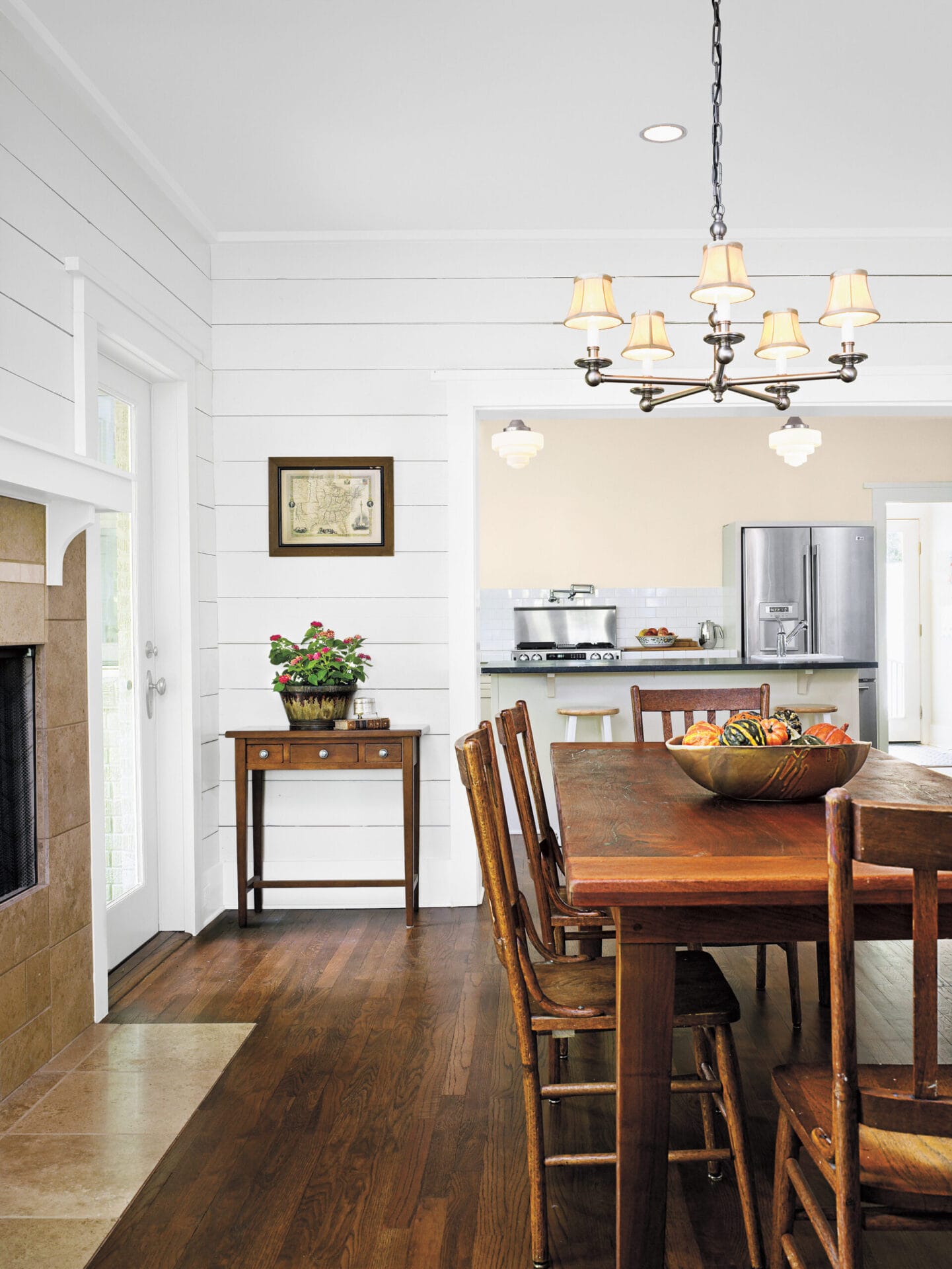

Prefinished wood floors are the “ready-to-walk-the-red-carpet” version of hardwood flooring. Instead of installing raw boards, sanding them in your house, staining them while everyone holds their breath, and waiting for finish coats to dry, prefinished planks arrive from the factory already sanded, stained, sealed, and dressed for the party. That means less dust, less odor, faster installation, and fewer days of tiptoeing around your own home like the floor is lava.
But prefinished hardwood flooring is not just about convenience. It also comes with serious performance advantages, including tough factory-applied finishes, consistent color, and a wide range of styles. At the same time, it has trade-offs: visible micro-beveled edges, fewer custom stain options, and refinishing limitations depending on whether you choose solid or engineered wood. In other words, prefinished wood floors are excellentbut they are not magic planks delivered by flooring fairies.
This guide explains what prefinished wood floors are, how they compare with unfinished hardwood, where they work best, how to choose the right product, and how to maintain them so they stay beautiful for years.
What Are Prefinished Wood Floors?
Prefinished wood floors are real wood flooring boards that are finished at the factory before installation. Each plank is typically sanded, stained, sealed, and coated with multiple layers of protective finish before it is packaged and shipped. Once delivered to the job site, the installer focuses on layout, cutting, fastening, gluing, or floating the planks rather than sanding and coating the entire floor in place.
The factory finish is one of the biggest reasons homeowners choose prefinished hardwood floors. Many products use UV-cured urethane, aluminum oxide, or ceramic-enhanced coatings that create a hard wear layer. These coatings are difficult to duplicate with a traditional site-finished floor because factory conditions allow manufacturers to apply and cure finishes in controlled environments.
Prefinished wood flooring is available in two major forms: solid hardwood and engineered hardwood. Solid prefinished hardwood is milled from one piece of wood from top to bottom. Engineered prefinished hardwood has a real hardwood veneer on top and a layered plywood or composite core underneath. Both can look gorgeous, but they behave differently in real homes, especially when moisture, humidity, and installation method enter the room wearing muddy boots.
Prefinished vs. Unfinished Hardwood Flooring
The main difference between prefinished and unfinished hardwood is when the finish is applied. Prefinished boards are completed at the factory. Unfinished boards are installed raw, then sanded, stained, and sealed on-site.
Why Homeowners Like Prefinished Flooring
Prefinished wood floors are popular because they dramatically reduce installation mess and downtime. There is no full-room sanding cloud, no strong finish odor lingering for days, and no long waiting period before furniture can return. For busy households, this is a major win. Nobody wants to spend a week eating cereal in the hallway because the dining room floor is still curing.
Another advantage is consistency. Factory finishing produces controlled color, sheen, and coating thickness. That does not mean every board looks identicalnatural wood still has grain variationbut the finish itself is usually predictable. Prefinished floors also let you see the final color before installation, which reduces the “wait, that stain looked different on the sample” drama.
Why Some People Still Prefer Unfinished Hardwood
Unfinished hardwood has one major beauty trick: it can be sanded smooth after installation. That means the finished surface can look more seamless, especially because the boards do not need the same pronounced micro-beveled edges often found on prefinished planks. Site-finished flooring also gives homeowners more control over custom stain colors, sheen levels, border patterns, and repairs.
For historic homes, high-end custom interiors, or rooms where a perfectly flat traditional hardwood look matters, unfinished flooring may be worth the extra time and mess. But for many modern remodels, prefinished hardwood offers a practical balance of beauty, durability, and speed.
Types of Prefinished Wood Floors
Solid Prefinished Hardwood
Solid prefinished hardwood is made from a single piece of wood. Common species include red oak, white oak, maple, hickory, walnut, birch, and cherry. Because it is solid wood, it can often be sanded and refinished multiple times over its life, depending on plank thickness and wear. This makes it a strong long-term option for living rooms, bedrooms, hallways, and dining rooms.
The drawback is moisture sensitivity. Solid hardwood expands and contracts more than engineered wood as humidity changes. It is generally not the best choice for basements, full bathrooms, or concrete slabs unless the product and installation system specifically allow it.
Engineered Prefinished Hardwood
Engineered prefinished hardwood has a real wood top layer bonded to a stable core. The cross-layered construction helps reduce expansion and contraction, making engineered wood more flexible for installations over concrete slabs, below-grade spaces, and areas where humidity varies. Many engineered products can be glued down, floated, or nailed, depending on the plank design and manufacturer instructions.
The key quality factor is the wear layer. A thicker real wood veneer can allow future sanding or refinishing. A very thin veneer may only support light screening or recoating, and some products cannot be refinished at all. When comparing engineered prefinished wood floors, do not just admire the color. Ask about wear layer thickness, core construction, warranty, and approved installation methods.
Popular Finishes and Surface Styles
Prefinished hardwood floors come in many surface finishes, from smooth and glossy to matte and wire-brushed. The best choice depends on lifestyle, lighting, pets, and how much you enjoy seeing every dust bunny’s autobiography.
Aluminum Oxide Finish
Aluminum oxide is a common additive in factory-applied hardwood finishes. It creates a tough surface that resists everyday abrasion better than many traditional site-applied finishes. This makes it popular for busy homes with children, pets, rolling chairs, and the occasional mysterious scratch nobody admits causing.
UV-Cured Urethane
UV-cured urethane is hardened under ultraviolet light in the factory. It forms a protective layer over the wood and is widely used in prefinished flooring. Because it cures quickly under controlled conditions, manufacturers can apply multiple coats efficiently and consistently.
Matte, Satin, and Gloss Sheens
Glossy floors can look elegant, but they also show scratches, footprints, and dust more easily. Satin and matte finishes are often more forgiving in active households. A low-sheen finish can make the floor look modern while hiding small imperfections better than a mirror-like surface.
Wire-Brushed, Hand-Scraped, and Distressed Looks
Textured prefinished wood floors are popular because they add character and help disguise wear. Wire-brushed floors remove softer grain and create subtle texture. Hand-scraped floors have a more rustic, crafted appearance. Distressed boards intentionally include marks, knots, and color variation. These styles are especially useful if your home includes pets, kids, or adults who claim they are careful but drag dining chairs like tiny bulldozers.
Pros of Prefinished Wood Floors
Fast Installation
Because sanding, staining, and sealing are already done, installation is usually faster than site-finished hardwood. Many rooms can be completed and used sooner, depending on the installation method, adhesive cure time, and trim work.
Less Dust and Odor
Traditional hardwood finishing can create dust and strong smells. Prefinished floors avoid most of that disruption. This is a major advantage for families living in the home during renovation.
Durable Factory Finish
Factory-applied finishes are often extremely durable. Many prefinished products include multiple protective layers designed to resist scratches, scuffs, and general wear. No wood floor is scratch-proof, but a quality factory finish gives the floor a strong first line of defense.
Predictable Appearance
With prefinished wood, you can view samples that closely represent the finished product. This helps homeowners compare species, stain colors, plank widths, textures, and sheen before committing.
Wide Range of Styles
Prefinished wood floors are available in narrow strips, wide planks, domestic woods, exotic-inspired looks, light natural tones, smoky browns, gray washes, rich walnuts, and modern pale oaks. Whether your style is farmhouse, coastal, traditional, Scandinavian, or “I saw it on a design blog and now I need it,” there is probably a prefinished option that fits.
Cons of Prefinished Wood Floors
Micro-Beveled Edges
Most prefinished planks have small beveled or eased edges. These help hide minor height differences between boards because the floor is not sanded flat after installation. Some homeowners like the defined plank look. Others prefer the smooth, continuous appearance of site-finished hardwood.
Less Customization
With unfinished flooring, you can choose a custom stain and finish after seeing the floor installed. With prefinished flooring, you choose from available factory colors and textures. The selection is broad, but it is still limited to what manufacturers make.
Repair Matching Can Be Tricky
If a board is badly damaged, it can often be replaced, but matching the exact color, sheen, texture, and aging of the existing floor may be difficult. Keeping extra boards from the original installation is one of the smartest things you can do. Store them flat, dry, and labeledfuture you will send present you a thank-you note.
Refinishing Limitations
Solid prefinished hardwood can usually be refinished, but the hard factory coating may require more effort to sand. Engineered prefinished hardwood depends on veneer thickness. Some products can be sanded once or twice; others cannot be fully refinished. Always check the warranty and technical specifications before assuming the floor can be renewed decades later.
Where Prefinished Wood Floors Work Best
Prefinished wood floors are excellent for living rooms, bedrooms, hallways, dining rooms, home offices, and many kitchens. They are especially attractive for remodels because installation is quicker and cleaner than site finishing.
For kitchens, prefinished hardwood can work well if spills are cleaned quickly and the finish is maintained. However, wood is still wood. Standing water, dishwasher leaks, pet bowls, and ice-maker surprises can cause damage. Use mats near sinks and appliances, but avoid rubber-backed mats that may discolor finishes.
Bathrooms and laundry rooms are riskier. Powder rooms may be acceptable with careful maintenance, but full bathrooms with showers and frequent humidity are usually better suited to tile, stone, or waterproof flooring. Basements are often better candidates for engineered prefinished wood than solid hardwood, provided the slab is dry and the product is approved for below-grade use.
How to Choose the Best Prefinished Wood Flooring
Start With the Room
Before falling in love with a sample, consider the room. Is it above grade or below grade? Is the subfloor plywood or concrete? Is the space humid? Does it get intense sunlight? Does your dog believe the hallway is a racetrack? Room conditions should guide the product choice.
Compare Wood Species
Oak remains a favorite because it is durable, widely available, and versatile. White oak is especially popular for modern natural looks. Hickory is harder and has dramatic grain variation. Maple has a smoother appearance but can be harder to stain evenly. Walnut is rich and beautiful but softer than some domestic hardwoods. The right species depends on your design goals and tolerance for dents.
Look at Plank Width
Wide planks create a spacious, upscale look, but they can show seasonal movement more visibly, especially in solid wood. Narrower boards can feel traditional and may handle movement more subtly. Engineered construction often makes wider planks more stable than solid wide boards.
Check the Finish Warranty
Many prefinished floors advertise long finish warranties, but warranties usually cover specific types of wear under specific conditions. They may not cover scratches, dents, water damage, improper cleaning, installation mistakes, pet damage, or commercial use. Read the warranty like a detective, not like someone clicking “agree” on software terms.
Ask About Certifications
For indoor air quality, look for products that comply with U.S. formaldehyde rules for composite wood components where applicable. Certifications such as FloorScore can also help identify flooring products tested for low VOC emissions. This is especially relevant for engineered wood flooring, adhesives, underlayments, and homes where indoor air quality is a priority.
Installation Basics
Prefinished wood flooring installation depends on the product. Solid hardwood is commonly nailed or stapled to a wood subfloor. Engineered hardwood may be nailed, glued, or floated. Floating floors click or lock together and rest over an underlayment rather than being fastened directly to the subfloor.
Subfloor preparation is critical. The surface should be clean, dry, flat, and structurally sound. Skipping this step is like putting a tuxedo on a goat: impressive effort, questionable result. Uneven subfloors can lead to squeaks, gaps, movement, or visible irregularities.
Acclimation also matters. Wood reacts to moisture and humidity. Many solid hardwood products need time inside the home to adjust before installation. Some engineered products have different requirements, so the manufacturer’s instructions should always control the process. The home should generally be climate-controlled before, during, and after installation.
Maintenance: How to Keep Prefinished Wood Floors Looking New
Prefinished wood floors are durable, but they still need smart care. The goal is simple: remove grit, control moisture, prevent scratches, and avoid cleaners that leave residue or damage the finish.
Clean Regularly
Sweep or vacuum frequently using a soft-bristle attachment or a vacuum designed for hard floors. Dirt and sand act like tiny pieces of sandpaper. If left on the floor, they can dull the finish over time.
Use the Right Cleaner
Use a pH-neutral cleaner made for hardwood floors and approved by the flooring manufacturer. Avoid ammonia, bleach, oil soaps, paste wax, harsh alkaline cleaners, abrasive powders, and products that promise instant shine but leave a sticky film. If a cleaner sounds like it belongs in a science lab or a late-night infomercial, proceed carefully.
Avoid Too Much Water
Never wet mop a standard wood floor with a soaking mop. Use a lightly damp microfiber mop or spray mop, and dry any excess moisture quickly. Steam mops are generally not recommended for hardwood because heat and moisture can damage wood and finishes.
Protect High-Traffic Areas
Use walk-off mats near exterior doors, felt pads under furniture, and rugs in busy areas. Trim pet nails and lift furniture instead of dragging it. These small habits are cheaper than repairing long scratches that look like a raccoon learned calligraphy.
Control Humidity
Wood expands and contracts with moisture changes. Keeping indoor temperature and humidity stable helps reduce gapping, cupping, and movement. In many homes, humidifiers in winter and air conditioning or dehumidifiers in humid seasons can help maintain a more wood-friendly environment.
Cost Considerations
Prefinished wood floors vary widely in price. Factors include species, plank width, solid versus engineered construction, finish technology, wear layer thickness, texture, brand, and installation method. While prefinished boards may cost more upfront than unfinished boards, the total project can be competitive because sanding, staining, and finishing labor are reduced or eliminated.
Do not shop by material price alone. A cheap floor with a thin wear layer, weak locking system, poor warranty, or questionable finish may become expensive later. A better way to compare products is total installed cost plus expected lifespan. Include underlayment, adhesive, trim, transitions, moisture testing, subfloor preparation, waste factor, and professional labor.
Common Mistakes to Avoid
Choosing by Color Only
Color matters, but performance matters more. A beautiful floor that cannot handle your subfloor, climate, or lifestyle is not a bargain. Check construction, finish, installation method, and warranty.
Ignoring Moisture Testing
Moisture problems can ruin wood flooring. Concrete slabs and wood subfloors should be evaluated before installation. If moisture conditions are outside product limits, solve the issue before installing the floor.
Forgetting Extra Material
Order extra flooring for cuts, waste, and future repairs. Many professionals recommend keeping leftover boards after installation. Styles change, colors get discontinued, and finding an exact match five years later can feel like searching for one matching sock in a laundry universe.
Using the Wrong Cleaning Products
Many floor problems begin under the sink. Oil soaps, waxes, vinegar mixtures, harsh chemicals, and steam cleaners can dull or damage factory finishes. Follow the manufacturer’s cleaning guide, not a random internet hack involving pantry ingredients and optimism.
Are Prefinished Wood Floors Worth It?
For many homeowners, yes. Prefinished wood floors offer real hardwood beauty with faster installation, less mess, strong factory finishes, and a wide range of design options. They are especially useful for remodels, occupied homes, and people who want hardwood without turning the house into a temporary sanding studio.
They are not perfect for every situation. If you want a completely seamless custom-stained floor, unfinished hardwood may be better. If you need flooring for a wet bathroom, wood may not be the right material at all. But for living spaces, bedrooms, hallways, offices, and many kitchens, prefinished hardwood flooring is one of the most practical and attractive choices available.
Real-Life Experience: What Homeowners Learn After Living With Prefinished Wood Floors
The first thing many homeowners notice after installing prefinished wood floors is how quickly the room feels finished. With site-finished floors, the process can feel like a small construction saga: sanding, staining, waiting, coating, waiting again, and then treating the room like a museum exhibit until the finish fully cures. Prefinished floors skip much of that drama. Once the planks are installed and the adhesive or fastening system is complete, the room can often return to normal much sooner.
In real life, the factory finish is both impressive and humbling. It handles everyday traffic well, especially when the floor is swept regularly and protected with rugs. Shoes, backpacks, pet paws, and dining chairs are less scary when the floor has a tough coating. However, homeowners quickly learn that “scratch-resistant” does not mean “scratch-proof.” A dragged sofa, a sharp pebble stuck in a shoe, or a dog launching after the doorbell can still leave a mark. The floor is strong, not a superhero.
Another lived-in lesson involves micro-beveled edges. In photos, they may barely register. In person, they create a defined plank-by-plank look. Some people love this because it highlights the natural rhythm of wood boards. Others prefer the smooth sheet-like appearance of site-finished hardwood. The best way to decide is to view a larger sample or installed floor before buying. A tiny showroom board cannot always tell the whole story.
Cleaning habits also change. Many homeowners discover that less is more. A microfiber dust mop, a soft vacuum attachment, and an approved hardwood cleaner usually beat complicated routines. The old “bucket of water and strong cleaner” approach is not a friend to prefinished wood. Too much moisture can sneak into seams, and the wrong product can leave cloudy residue. Once people switch to light, frequent cleaning, the floor usually looks better with less effort.
Pets add another layer of reality. Prefinished wood floors can work beautifully in pet-friendly homes, but prevention matters. Keeping nails trimmed, placing mats near doors, and wiping muddy paws makes a visible difference. Textured finishes such as wire-brushed or matte surfaces often hide minor scratches better than glossy smooth floors. If your dog treats the hallway like an Olympic sprint lane, choose the finish accordingly.
Sunlight is another surprise. Rugs and furniture can block UV exposure, causing color differences over time. This is normal for many wood floors, especially natural species. Homeowners can reduce uneven fading by using window coverings, moving rugs occasionally, and accepting that real wood develops character. Unlike plastic-looking floors that stay frozen in time, wood ages. That is part of its charm.
One of the smartest experience-based tips is to save leftover boards. Store them somewhere dry and label the box with the brand, collection, color, plank size, and installation date. If a board ever needs replacement, having original material is a lifesaver. Without it, matching an older floor can be surprisingly difficult, even when the product name sounds the same.
Finally, homeowners often realize that prefinished wood floors reward steady care, not panic cleaning. They do not need polishing every weekend or dramatic rescue products. They need stable humidity, gentle cleaning, quick spill response, and basic protection from furniture and grit. Treat them well, and they can make a home feel warmer, richer, and more finished for many years. Treat them badly, and they will keep receiptsusually in the form of scratches, haze, or gaps.
Conclusion
Prefinished wood floors are a smart choice for homeowners who want the beauty of real hardwood with less installation mess and faster results. They offer durable factory finishes, consistent appearance, and many design options, from classic oak to wide-plank matte white oak and rustic hand-scraped hickory. The best results come from choosing the right construction, preparing the subfloor properly, following installation instructions, and maintaining the floor with gentle, wood-safe products.
If you want a custom, perfectly seamless stain job, unfinished hardwood may still be your champion. But if you want a beautiful, practical, ready-to-enjoy floor without turning your home into a sanding snow globe, prefinished wood flooring deserves a serious look.
Note: This article is written for general educational and publishing purposes. Always follow the specific installation, cleaning, humidity, and warranty instructions provided by the flooring manufacturer and installer.