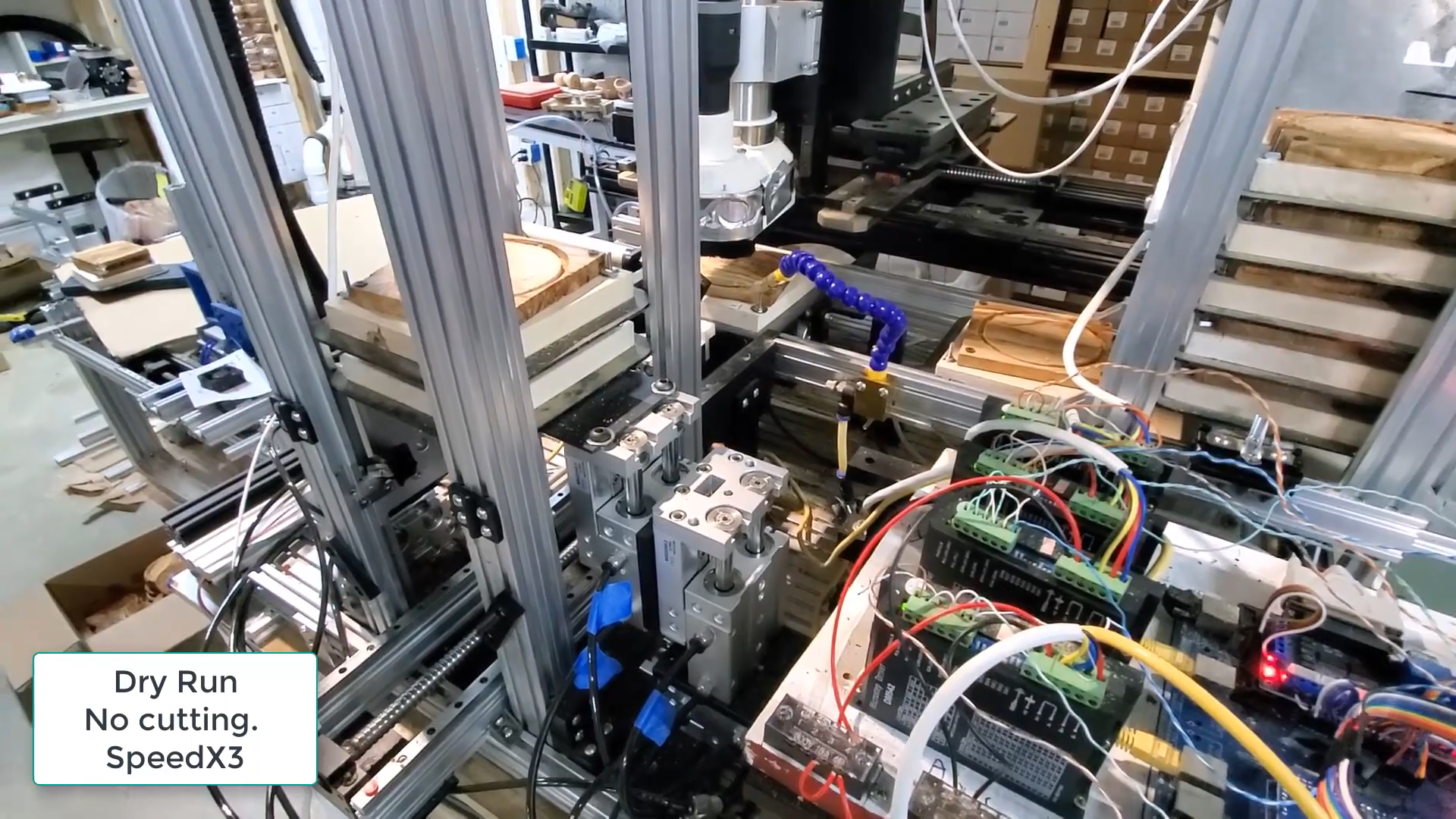

CNC manufacturing is a miracle of modern industryuntil you watch a skilled machinist spend half a shift babysitting a spindle, loading blanks, clearing chips, checking the same dimension for the 47th time, and whispering motivational speeches to a toolholder. The machines are precise. The people are talented. The problem is the drudgery.
That is where CNC automation earns its shop-floor reputation. It is not about replacing craftsmanship with cold metal arms and blinking dashboards. It is about removing the boring, repetitive, error-prone work that keeps talented people from doing higher-value work: programming smarter processes, solving quality problems, improving setups, reducing cycle times, and keeping customers happy.
In a competitive U.S. manufacturing market shaped by skilled labor shortages, reshoring pressure, tighter lead times, and rising expectations for quality, automation is no longer a futuristic luxury. It is becoming the practical toolbox that helps CNC shops produce more parts, with better consistency, using the people they already have more intelligently.
What CNC Automation Really Means
CNC automation is not one single machine, robot, or software subscription with a shiny brochure and an even shinier price tag. It is a layered system of tools that reduces manual intervention across the machining workflow. That can include robotic machine tending, pallet pools, bar feeders, automatic tool changers, probing, CAM automation, machine monitoring, digital work instructions, ERP/MES integration, and predictive maintenance.
In plain English: automation keeps work moving when humans are busy doing something more useful than pressing the green button again.
The Old CNC Workflow
In a traditional setup, an operator loads material, closes the door, starts the cycle, waits, opens the door, removes the part, measures it, clears chips, adjusts offsets, logs production, and repeats. This can work beautifully for prototypes and tricky one-off jobs. But for repeat parts, high-volume production, and predictable work, it creates a lot of human involvement in steps that do not require human creativity.
The Automated CNC Workflow
In an automated workflow, raw material is staged, loaded by a robot or feeder, machined, inspected, sorted, and tracked with minimal manual handling. The CNC machine communicates production data. Probing verifies part location or dimensions. Tool life is monitored. Alerts are sent before small issues become expensive scrap. The operator becomes a process manager instead of a professional door-opener.
Why Shops Are Automating CNC Manufacturing Now
The push toward CNC automation is not just a technology trend. It is a survival strategy. Many manufacturers are trying to increase throughput while skilled machinists remain hard to hire. At the same time, customers want faster delivery, tighter tolerances, better documentation, and competitive pricing. That combination can make even a well-run shop feel like it is sprinting on a treadmill that someone keeps speeding up.
Automation helps shops break that pattern. A robot does not call in sick. A bar feeder does not get distracted. A machine monitoring system does not forget to record downtime. CAM templates do not complain about doing repetitive programming work. Together, these tools help stabilize production and give teams more control over the day.
Robotic Machine Tending: The Gateway Drug To CNC Automation
For many shops, robotic machine tending is the first serious step. It is easy to understand because the value is visible immediately: the robot loads raw material, unloads finished parts, and keeps the CNC machine cycling. That simple action can unlock evening production, weekend production, and more consistent spindle utilization.
Machine tending robots can serve mills, lathes, grinders, and other equipment. Collaborative robots may be used where flexibility and smaller footprints matter, while traditional industrial robots are often preferred for speed, payload, reach, or more demanding production environments.
Where Robotic Tending Helps Most
Robotic tending works especially well when parts are repeatable, cycle times are predictable, workholding is stable, and the shop can stage enough raw material to keep the cell running. It is also valuable when operators are stuck doing dull loading and unloading tasks instead of managing multiple machines or improving the process.
A good machine tending cell may also include part blow-off, gauging, deburring, washing, sorting, or marking. That turns the robot from a mechanical loader into a small production assistant. Unfortunately, it still will not bring donuts to the morning meeting, but perhaps we should not rule that out forever.
Lights-Out Manufacturing: Powerful, But Not Magic
Lights-out manufacturing is the dream: CNC machines running after the last person leaves, producing good parts while the building is quiet. It sounds glamorous, in a very industrial sort of way. But successful lights-out machining is not achieved by simply turning off the lights and hoping the machine behaves itself like a responsible adult.
Unattended production requires stable processes. Tool life must be understood. Chips must be controlled. Coolant must be reliable. Workholding must be repeatable. Probing and inspection need to catch problems before they multiply. Material handling must be predictable. Alarms must be planned for. In short, lights-out manufacturing is less “set it and forget it” and more “engineer it so forgetting it does not bankrupt you.”
Start With Lights-On Automation
Many successful shops begin with “lights-on automation.” That means using automated systems during normal shifts while operators are present. This lets the team prove the process, collect data, adjust tooling, improve fixtures, and build confidence before extending production into unattended hours.
Lights-on automation pays bills immediately because it improves consistency and reduces manual handling during regular production. Once the process is stable, extending the same cell into evening or weekend operation becomes far less risky.
CAM Automation: Removing Repetition Before The Machine Even Starts
Not all CNC drudgery happens on the shop floor. Some of it lives in programming. CAM software has become a major automation tool because it can reduce repetitive toolpath creation, standardize machining strategies, optimize cutting paths, and shorten the time between CAD model and finished part.
Modern CAM platforms can help programmers reuse proven templates, apply tool libraries, simulate toolpaths, avoid collisions, and reduce manual setup work. Advanced toolpath strategies can also improve cycle time, surface finish, and tool life. That matters because saving minutes in programming and seconds in cycle time can compound into serious gains across hundreds or thousands of parts.
Why Templates Matter
Many CNC shops machine families of similar parts. If programmers repeatedly create the same roughing, finishing, drilling, chamfering, and inspection operations from scratch, they are donating hours to the gods of unnecessary clicking. CAM templates and standardized strategies help capture tribal knowledge so it can be reused consistently.
This does not eliminate the need for skilled programmers. It makes their expertise scalable. The best programmer in the shop should not spend the week recreating work they already perfected last month.
Probing And In-Process Inspection: Trust, But Verify
Automation without inspection is just a very efficient way to make bad parts faster. That is why probing and in-process measurement are essential. CNC probing can verify part location, set work offsets, check dimensions, detect broken tools, and support automatic offset correction.
For unattended machining, probing acts like a built-in quality checkpoint. Instead of waiting for an operator to discover that a part shifted, a tool wore out, or a feature drifted out of tolerance, the machine can detect issues during the process. In the best systems, the machine can adjust automatically or stop before a small issue becomes a full bin of regret.
Machine Monitoring: Because “It Was Running Earlier” Is Not Data
Ask a shop how much its machines are running, and you may get a confident answer. Connect the machines to real-time monitoring software, and the answer may become more interesting. Machine monitoring systems collect data from CNC equipment, operators, and production systems to show utilization, downtime, cycle counts, alarms, tool events, and overall equipment effectiveness.
This visibility matters because automation depends on facts. If a machine is idle because it is waiting for material, that is a different problem than waiting for inspection, waiting for programming, waiting for tools, or sitting in alarm because chips packed into a fixture. Without data, every downtime meeting becomes a mystery novel with fewer plot twists and more finger-pointing.
From Monitoring To Improvement
Monitoring alone does not fix production. It shows where the problems live. Once the shop can see downtime patterns, it can prioritize automation intelligently. Maybe the biggest win is not a robot. Maybe it is better tooling, faster setup sheets, standardized workholding, improved scheduling, or a pallet system. Data helps prevent expensive guesses.
Bar Feeders, Pallet Pools, And Workholding: The Unsung Heroes
Robots get the spotlight, but simpler automation often delivers excellent returns. Bar feeders keep CNC lathes supplied with material. Pallet pools let machining centers run multiple jobs or batches with less manual loading. Quick-change fixtures reduce setup time. Tombstones increase spindle utilization. Automatic doors and chip conveyors keep the process moving.
These tools may not look as dramatic as a six-axis robot, but they solve fundamental problems: material supply, repeatable positioning, and machine uptime. In many shops, the smartest first automation project is not the flashiest one. It is the one that removes the most interruptions.
Automation Does Not Replace SkillIt Rewards It
One of the biggest misconceptions about CNC automation is that it makes machinists less important. In reality, it changes what the best machinists spend time doing. Instead of manually tending one machine, a skilled operator may oversee a cell, adjust processes, troubleshoot alarms, improve fixtures, validate first articles, and train newer employees.
Automation raises the value of process knowledge. A robot can load a part, but it does not understand why chatter suddenly appeared, why a bore is drifting, why a fixture is trapping chips, or why a customer drawing is trying to ruin everyone’s afternoon. Skilled humans still make the judgment calls. Automation simply gives them more leverage.
Common CNC Automation Mistakes
Automating A Bad Process
If a manual process is unstable, automation will usually make the instability faster and more expensive. Before adding robots or software, the shop should prove that the part, fixture, tooling, program, and inspection plan are reliable.
Ignoring Chip Control
Chips are tiny metallic chaos agents. They can interfere with seating, probing, tool changes, part handling, and surface finish. Any unattended process needs a chip strategy, including coolant direction, air blast, conveyors, chip-breaking toolpaths, and fixture design.
Underestimating Integration
A robot, CNC, gripper, door, vise, probe, conveyor, and software platform must work together. Buying equipment is the easy part. Integration determines whether the system becomes a productivity engine or a very expensive sculpture.
Skipping Operator Training
Automation works best when operators understand it, trust it, and know how to recover from problems. Training should include programming basics, safety, troubleshooting, maintenance, inspection routines, and clear escalation steps.
A Practical Roadmap To Automate CNC Drudgery
Step 1: Measure The Pain
Track where time disappears. Look at setup delays, machine idle time, manual loading, inspection bottlenecks, programming queues, tool changes, and paperwork. Automation should target the largest repeatable pain, not the loudest sales presentation.
Step 2: Pick The Right First Part
Choose a repeatable job with known tooling, stable workholding, predictable cycle time, and enough volume to justify the effort. Avoid starting with the most difficult part in the building unless your goal is character development.
Step 3: Standardize The Process
Document tools, offsets, inspection steps, setup instructions, material staging, and alarm responses. Standardization makes automation easier because the system knows what “normal” looks like.
Step 4: Automate One Constraint
Start with the bottleneck. That could be robotic loading, a bar feeder, palletized workholding, probing, CAM templates, or machine monitoring. Prove the improvement, then expand.
Step 5: Connect The Data
Link machine data with production planning where possible. When schedules, work orders, machine status, and quality information are connected, the shop becomes easier to manage and less dependent on hallway updates shouted over coolant pumps.
Real-World Examples Of CNC Automation In Action
Consider a small job shop running repeat aluminum housings on a vertical machining center. Before automation, one operator loads each blank, starts the cycle, waits eight minutes, unloads the part, blows off the fixture, and repeats. With a cobot, pneumatic vise, part tray, and probing routine, the operator can stage material and manage two or three machines instead of hovering over one.
Now picture a turning operation making shafts. A bar feeder supplies stock, the CNC lathe parts off finished pieces, and tool life counters trigger sister tools when needed. The operator checks parts at defined intervals and spends more time managing quality than feeding material. The spindle runs longer, labor per part drops, and the process becomes easier to schedule.
In a more advanced cell, a robot tends two CNC machines, washes finished parts, places them in a gauge station, and sorts accepted parts from rejects. Machine monitoring software tracks cycle times and downtime. CAM templates standardize repeat jobs. The result is not science fiction. It is disciplined manufacturing with fewer manual interruptions.
The Human Side: Of Shop-Floor Experience
The best way to understand CNC automation is to stand near a machine during a long production run. At first, the rhythm feels impressive: door open, part out, chips cleared, blank in, door closed, cycle start. After an hour, it feels repetitive. After a full shift, it feels like the machine is training the human instead of the other way around.
In real shops, the drudgery is rarely one dramatic problem. It is a pile of small irritations. The operator walks back to the same machine every few minutes. A part needs the same quick measurement. Chips collect in the same corner of the fixture. Someone has to update the traveler. Someone has to notice that the tool is getting tired. Someone has to move parts from tray A to tray B. None of these tasks are useless, but many are poor uses of skilled attention.
When automation is introduced thoughtfully, the mood changes. The operator stops being chained to the cycle clock. Instead of reacting every few minutes, they prepare material, review inspection data, adjust offsets, check tool wear, and keep multiple jobs flowing. The work becomes less like babysitting and more like managing a process.
There is usually skepticism at first, and that is healthy. Machinists trust proof, not buzzwords. If the robot drops parts, if the probe routine is unreliable, if the gripper cannot handle coolant, or if the cell stops every time a chip lands in the wrong place, nobody will be impressed. Automation earns trust only when it survives real production conditions.
The most successful projects usually start modestly. A shop automates one stable job. The team learns how to stage material, design better fixtures, set tool life limits, and recover from alarms. The first win may be simple: the machine keeps running during lunch. Then it runs through the last hour of the shift. Then it runs into the evening. Confidence grows because the process proves itself part by part.
There is also a leadership lesson here. Automation should not be presented as a threat. It should be introduced as a way to remove low-value work and make the shop stronger. When employees are invited into fixture design, robot teaching, inspection planning, and process improvement, they become owners of the system. That is when automation stops feeling like a management experiment and starts feeling like a better way to work.
The funny thing is that the best automation often becomes boring. That is the point. A reliable automated CNC cell does not need drama. It quietly loads, cuts, checks, unloads, and reports. No heroic scrambling. No mystery downtime. No late-night panic because a simple repeat job fell behind. Just steady output, better use of talent, and fewer reasons for everyone to glare at the schedule board.
Conclusion: Automate The Boring, Elevate The Skilled
CNC automation is not about building a factory with no people. It is about building a factory where people spend less time doing work that machines can handle and more time doing work that requires judgment, skill, and creativity. The biggest wins often come from removing the dullest tasks: loading parts, repeating setup steps, checking predictable dimensions, logging downtime, and waiting for machines to finish.
For shops under pressure to increase capacity, improve quality, and compete for skilled labor, automation offers a practical path forward. Start with the pain points. Prove the process. Use data. Train the team. Automate the work that drains attention without adding value.
Do that well, and CNC manufacturing becomes less about drudgery and more about controlled, scalable, profitable production. The machines keep cutting. The people keep improving. And somewhere, a spindle keeps running through lunch without needing a sandwich.