
Note: This article is an original, publication-ready synthesis based on practical guidance from reputable U.S. sources, including environmental agencies, university extension programs, food safety resources, gardening organizations, and photography education sites. No source links are included per request.
Introduction: The Pumpkin Had One Last Job
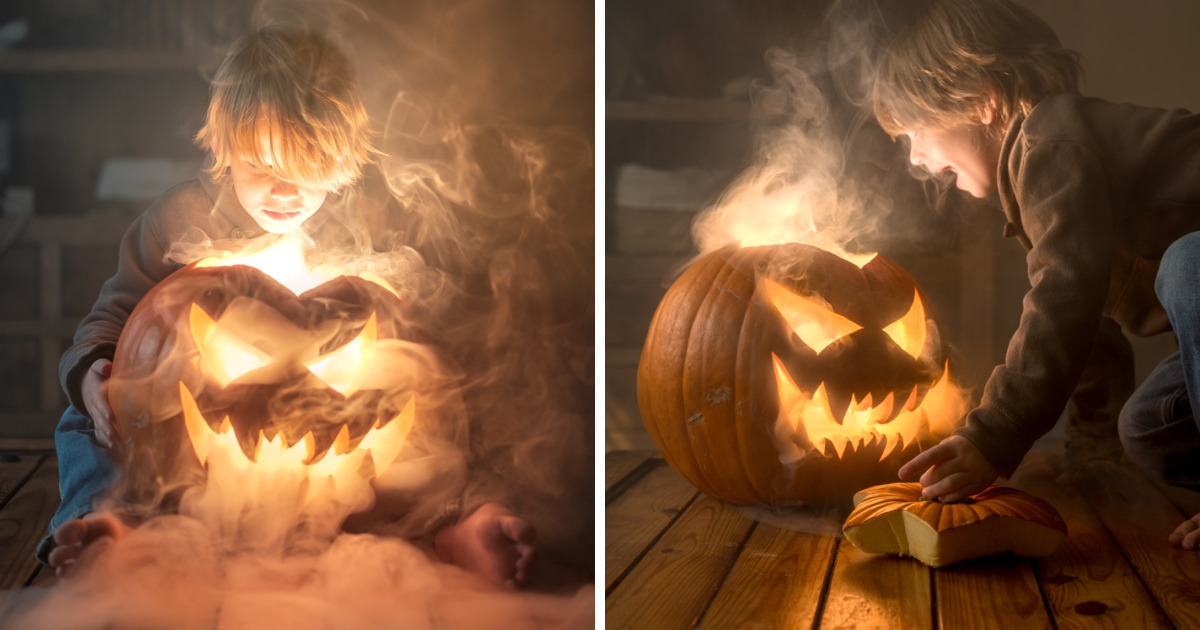
Every October, a pumpkin enters the house with celebrity confidence. It sits on the porch like it owns the mortgage. It gets carved, admired, photographed, named something dramatic like “Sir Gourdington,” and then, slowly, it begins the emotional journey from seasonal décor to compost candidate. But before we threw out the pumpkin, we made some imagesand honestly, that tiny creative decision turned a fading decoration into a surprisingly meaningful photo project.
The phrase “Before We Threw Out The Pumpkin We Made Some Images” sounds funny at first, almost like the title of an art exhibit hosted in a garage. Yet it captures something modern and very human: we want to preserve moments before they disappear. A pumpkin is temporary by nature. It changes color, texture, smell, and personality faster than most houseplants and certain group chats. That makes it a great subject for photography, storytelling, seasonal content, and even SEO-friendly visual blogging.
Whether you are documenting a jack-o’-lantern, taking cozy fall photos for social media, creating still-life images, or simply trying to squeeze one last use out of a pumpkin before composting it, this idea has creative depth. It brings together photography, sustainability, seasonal living, food waste awareness, and the small joy of noticing ordinary objects before they vanish from daily life.
Why Photograph a Pumpkin Before Tossing It?
A pumpkin at the end of its decorative life is not just “trash with a stem.” It is texture, color, memory, and mood. Its surface may be wrinkled, scratched, carved, candle-smoked, or slightly weathered by rain and porch life. For a photographer, blogger, designer, or everyday creative, that is visual gold.
Fresh pumpkins are beautiful, but older pumpkins tell better stories. A clean pumpkin says, “I was purchased at a farm stand.” A fading pumpkin says, “I survived wind, squirrels, children with carving tools, and someone’s overconfident attempt at a vampire face.” That history gives images character.
From an SEO perspective, seasonal images also help content feel original. Articles about fall décor, Halloween cleanup, pumpkin composting, autumn photography, and sustainable home habits often compete with thousands of similar posts. Adding unique imagesespecially images that show process, texture, before-and-after moments, and real-life imperfectioncan make a page feel more useful and authentic.
The Best Pumpkin Photos Are Often the Honest Ones
Perfect pumpkins are charming, but imperfect pumpkins are relatable. A slightly collapsed jack-o’-lantern with one triangle eye drooping like it just read its electric bill can be more memorable than a flawless studio prop. When photographed well, an old pumpkin can suggest humor, nostalgia, the passing of a season, and the gentle absurdity of decorating with vegetables.
Creative Image Ideas Before the Pumpkin Goes
If you are going to make images before throwing out a pumpkin, do not just snap one photo and call it a day. Treat it like a mini creative session. You do not need expensive equipment. A phone, natural light, and a willingness to crouch awkwardly near the porch will take you surprisingly far.
1. The “Final Portrait” Shot
Place the pumpkin where it spent most of the season: the porch step, windowsill, garden wall, kitchen counter, or entryway table. Photograph it straight on as if it were sitting for a formal portrait. This works especially well for carved pumpkins because the face already carries personality. Try shooting from a low angle to make the pumpkin feel heroic, dramatic, or mildly ridiculous.
2. Close-Up Texture Images
Move closer. Look for ridges, scratches, dried edges, candle marks, bits of moss, or the rough curl of the stem. These macro-style details are excellent for blog headers, background textures, Pinterest pins, and seasonal social posts. If the pumpkin is starting to soften, avoid touching questionable areas and focus on safe, dry details.
3. Before-and-After Cleanup Photos
Before discarding, composting, or repurposing the pumpkin, take a “before” photo. Then capture the “after”: the cleaned porch, the compost bin, the garden bed, or the saved seeds. This simple sequence turns a basic chore into a useful visual story. It is especially strong for articles about sustainable Halloween cleanup, pumpkin disposal, or reducing seasonal waste.
4. The Pumpkin With Props
Pair the pumpkin with dry leaves, a mug of cider, a scarf, garden gloves, seed packets, or a compost bucket. Keep props simple. The pumpkin is already doing a lot emotionally; it does not need to be surrounded by every autumn object known to civilization. Nobody needs twelve pinecones competing for attention like they are auditioning for a rustic catalog.
5. Funny Farewell Images
Lean into humor. Add a tiny handwritten sign that says “retired,” “off to compost,” or “thanks for the memories.” Photograph the pumpkin near the garden, next to fallen leaves, or beside the green bin. Funny pumpkin images can perform well because they combine seasonal timing with personality.
Lighting Tips for Better Pumpkin Images
Good lighting can make a pumpkin look poetic. Bad lighting can make it look like evidence from a vegetable crime scene. The difference is usually not the camerait is the light.
Use Soft Natural Light
Early morning and late afternoon are excellent times for fall photography because the sunlight is softer and warmer. This kind of light brings out orange, gold, brown, and red tones without creating harsh shadows. If you are photographing a pumpkin outside, try placing it near open shade, such as beside a porch column or under a tree where the light is even.
Avoid Harsh Noon Sun
Midday sunlight can flatten color, create shiny spots, and exaggerate every dent. Pumpkins already have enough going on. They do not need interrogation lighting. If noon is the only time available, move the pumpkin into shade or photograph it indoors near a window.
Try Candlelight Carefully
If the pumpkin is carved and still safe to display, candlelight can create moody images. Battery-operated lights are often easier and safer, especially for longer photo sessions. They create a warm glow without smoke, dripping wax, or the dramatic panic of realizing the pumpkin lid is getting too cozy with the flame.
Composition: Turning a Pumpkin Into a Story
Composition is how you guide the viewer’s eye. A pumpkin sitting in the middle of a frame can work, but small adjustments can make the image feel more polished.
Use the Rule of Thirds
Place the pumpkin slightly off-center instead of directly in the middle. This creates visual movement and leaves space for background details like leaves, steps, garden soil, or soft window light.
Show Context
If the pumpkin lived on the porch all season, include part of the porch. If it is headed to compost, show the compost bin or garden bed. Context helps the image communicate more than “here is a pumpkin.” It says, “Here is the final chapter of a small autumn story.”
Change Your Angle
Take photos from above, eye level, and ground level. Shoot close, then step back. A top-down image can work well for pumpkin seeds or carved pieces. A low angle can make a jack-o’-lantern look bold and theatrical. A side angle can reveal texture and depth.
Sustainability: What Happens After the Photos?
The photo session is only part of the story. Once the images are made, the pumpkin still needs a responsible ending. In the United States, environmental organizations and university extension programs commonly recommend composting pumpkins when they are no longer edible or decorative. Pumpkins are high in moisture and break down well when chopped into smaller pieces and mixed with dry “brown” materials such as leaves, straw, or shredded cardboard.
Before composting, remove candles, wax, paint, glitter, plastic decorations, stickers, and anything else that does not belong in soil. A plain carved pumpkin is usually much easier to compost than one covered in craft supplies. Glitter may look festive, but compost microbes are not impressed. They have standards.
Can You Eat the Pumpkin Instead?
If the pumpkin is uncarved, fresh, clean, and in good condition, it may still be edible. Smaller pie pumpkins usually have sweeter, denser flesh than large carving pumpkins, which tend to be watery and stringy. Food safety guidance generally advises caution once a pumpkin has been carved, left outside, handled repeatedly, or exposed to weather. In those cases, composting is usually the wiser choice.
Save or Roast the Seeds
Pumpkin seeds are one of the easiest ways to reduce waste. Wash away the stringy pulp, dry the seeds, season them, and roast them until crisp. They can become a snack, salad topping, soup garnish, or the crunchy little reward for having scooped pumpkin guts like a seasonal archaeologist.
Check Local Composting Programs
Many communities offer pumpkin drop-off events after Halloween. Some farms, gardens, composting facilities, and municipal programs accept undecorated pumpkins. Rules vary by location, so homeowners should check local guidance before dropping pumpkins somewhere. A pumpkin placed in the wrong spot is not “eco-friendly”; it is just litter wearing a stem.
How Pumpkin Images Can Improve a Blog Post
Original images are powerful for SEO and user experience. Search engines favor useful, satisfying content, and readers favor pages that feel real instead of assembled from generic stock photos. A blog post about throwing out a pumpkin becomes more engaging when it includes a real pumpkin, real steps, and real decisions.
For example, a post titled “Before We Threw Out The Pumpkin We Made Some Images” can rank for several related topics: pumpkin images, fall photography ideas, pumpkin disposal, composting pumpkins, Halloween cleanup, creative pumpkin photos, and sustainable fall décor. The key is to write naturally and avoid stuffing the same phrase into every paragraph like a pumpkin into a too-small tote bag.
Use Descriptive Alt Text
Every image should have clear, helpful alt text. Instead of writing “pumpkin,” try “weathered jack-o’-lantern on porch before composting” or “close-up of pumpkin stem and orange ridges in soft fall light.” Good alt text improves accessibility and helps search engines understand the image.
Create a Visual Sequence
A simple five-image sequence can make the article more useful: the pumpkin before disposal, detail shots, seed removal, compost preparation, and the cleaned-up space afterward. This structure gives readers a reason to scroll and makes the content feel practical.
Name Image Files Clearly
Before uploading, use descriptive file names such as pumpkin-before-composting.jpg or fall-pumpkin-photo-ideas.jpg. This is a small SEO habit, but small habits add upunlike pumpkin spice, which appears all at once and takes over society by September.
Specific Examples for a Pumpkin Image Session
Here are a few simple photo concepts that work well for blogs, social media, and personal archives:
The Porch Goodbye
Place the pumpkin on the porch where it has been displayed. Add a few fallen leaves around it. Photograph it in late afternoon light. This image feels warm, nostalgic, and honest.
The Compost Journey
Take one image of the whole pumpkin, one image of it being cut into pieces, and one image of the pieces mixed with dry leaves in the compost bin. This is useful for sustainability content and practical how-to articles.
The Seed Rescue
Photograph the seeds in a bowl, then dried on a towel, then roasted on a baking sheet. This turns a small kitchen task into a mini visual tutorial.
The Funny Face Finale
If the carved face has changed shape over time, capture it. A sagging jack-o’-lantern can be weirdly expressive. It may look tired, suspicious, or like it has just remembered an assignment due tomorrow. That personality makes the image memorable.
Experiences Related to “Before We Threw Out The Pumpkin We Made Some Images”
The best part of making images before throwing out a pumpkin is that it turns a forgettable chore into a small creative ritual. Most of us clean up seasonal decorations quickly. We toss the old leaves, carry the pumpkins away, wipe the porch, and move on. But pausing for photos changes the pace. It asks us to notice what the season looked like at the end, not just at the beginning when everything was fresh, bright, and ready for display.
One experience many people recognize is the “porch pumpkin transformation.” At first, the pumpkin is firm, glossy, and perfectly placed. It sits beside mums, lanterns, or a welcome mat and looks like it belongs in a lifestyle magazine. A few weeks later, it has weathered cold nights, warm afternoons, rain, curious squirrels, and perhaps one child who insisted on touching it every time they walked by. By the time it is ready to go, the pumpkin has become less decorative but more interesting. Photographing it at that stage captures the reality of seasonal living.
Another experience is the family cleanup moment. Someone says, “We should throw this out,” and someone else says, “Wait, let me take a picture.” That tiny delay can become surprisingly fun. People gather around, suggest angles, laugh at the pumpkin’s expression, or remember the day it was carved. The photo is not just about the pumpkin anymore. It becomes a record of the season, the home, and the people who were there.
For bloggers and content creators, this experience is especially valuable because it proves that useful content often comes from ordinary life. You do not need a perfect studio setup or a professionally styled table. A pumpkin headed for compost can inspire an article about photography, sustainability, food waste, fall décor, gardening, or creative reuse. The most relatable content often begins with a real situation: “We were about to throw this away, but then we noticed it still had a story.”
There is also a quiet environmental lesson in the process. Taking images before disposal encourages people to think about where things go after the holiday ends. The pumpkin is not simply gone when it leaves the porch. It may become compost, feed soil organisms, support a garden bed, or contribute to a local organics recycling program. That awareness makes the cleanup feel less wasteful and more intentional.
Finally, the experience reminds us that creativity does not always arrive with a grand plan. Sometimes it arrives while carrying a soft pumpkin and wondering whether the compost bin is ready for this level of responsibility. The camera comes out, the light looks good, and suddenly a fading pumpkin gets one last moment in the spotlight. Not bad for a vegetable with a deadline.
Conclusion: Give the Pumpkin a Better Ending
Before we threw out the pumpkin, we made some imagesand that simple act gave the season a better ending. Instead of treating the pumpkin as waste, we treated it as a subject, a memory, and a reminder that creativity can happen in the middle of cleanup. With soft light, thoughtful composition, and a little humor, even an aging jack-o’-lantern can become a charming visual story.
The bigger lesson is practical too. Photograph the pumpkin, save the seeds if appropriate, compost what you can, and keep unnecessary waste out of the landfill whenever possible. A pumpkin can decorate your home, inspire your camera, enrich your soil, and still make people smile on its way out. That is a pretty impressive résumé for something that started life in a patch and ended up wearing a carved grin.