
Note: This article is written for web publication and is synthesized from real product information, cookware care guidance, and culinary knowledge about carbon steel, forged ironware, gratin cooking, and handmade American kitchen tools.
Blu Skillet’s Gratin Pans are the kind of cookware that make people suddenly develop strong opinions about potatoes, baked eggs, and whether a pan can count as functional art. Spoiler: in this case, yes. These handmade pans from Blu Skillet Ironware are not glossy department-store bakeware designed to sit politely in a cabinet. They are forged carbon steel pans built for heat, browning, oven work, stovetop cooking, and that deeply satisfying moment when food arrives at the table still sizzling like it has something important to say.
At first glance, a gratin pan may sound like a very specific tool. You might picture scalloped potatoes, a browned cheese crust, and someone in a linen apron saying “just a touch more Gruyère.” But Blu Skillet’s Gratin Pans are more versatile than the name suggests. Their shallow shape, broad cooking surface, and two short loop handles make them useful for baked vegetables, individual egg dishes, crispy rice, cornbread, seafood, roasted fruit, small casseroles, and even paella-style meals in the larger size. They are charmingly old-school, but not stuck in the pastmore “heritage workshop” than “dusty museum shelf.”
What Makes Blu Skillet’s Gratin Pans Special?
Blu Skillet Ironware is known for handmade forged steel cookware produced in Seattle, Washington. Unlike cast iron, which is poured into molds, Blu Skillet pans are forged from steel. That process gives them a different feel in the hand: smooth, sturdy, responsive, and often lighter than a comparable cast iron piece. The result is cookware that feels both practical and personal, as if it was made by actual human beings because, well, it was.
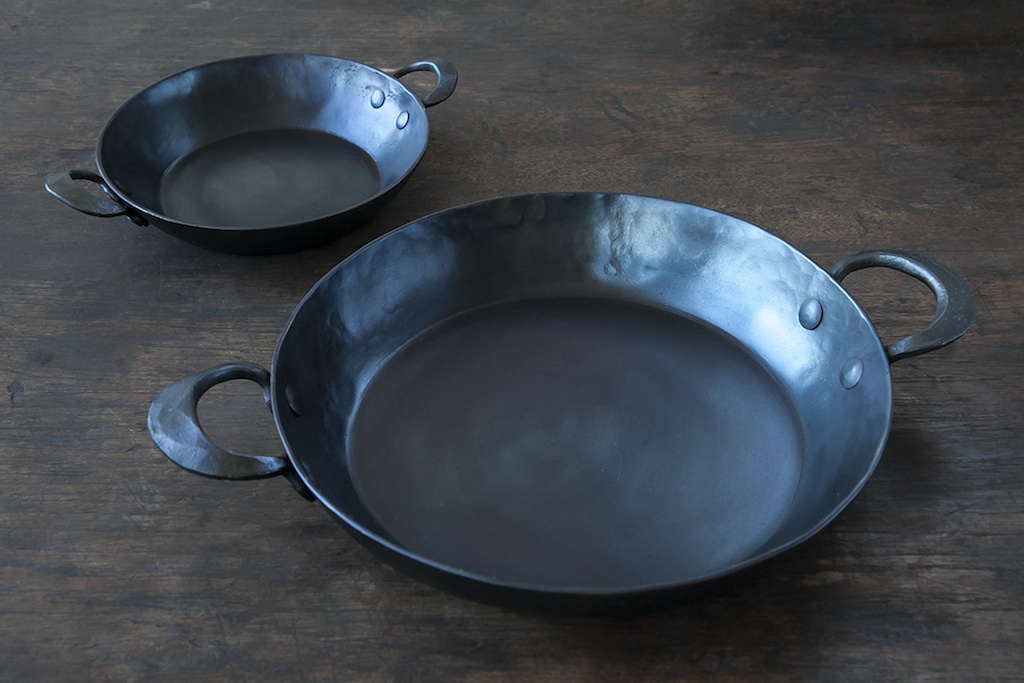
The gratin pans share the general shape of the brand’s French skillets but replace the long handle with two short loop handles. This design matters. A long-handled skillet is excellent on the stovetop, but once it goes into the oven or onto the table, that handle can become the culinary equivalent of a bicycle parked in a hallway. The loop handles save space, improve clearance, and make the pan easier to maneuver when serving.
A Blue Finish With a Purpose
The “Blu” in Blu Skillet is not just branding poetry. The blue color comes from heating polished steel until it develops a distinctive heat-treated surface. This finish helps create an initial protective layer and gives the pan its signature look. Over time, that blue tone naturally darkens as the pan develops seasoning. In other words, the pan does not stay frozen in showroom perfection. It evolves. It gets darker, slicker, and more personal with uselike denim, leather boots, or a favorite baseball cap that has survived several questionable grilling decisions.
Seasoning is central to carbon steel cookware. As oil bonds to the metal surface through heat, the pan develops a natural cooking layer that helps reduce sticking and protects against rust. This is not a synthetic nonstick coating. There is no mystery chemical wizardry involved. It is simply heat, oil, and time doing what cooks have relied on for generations.
Blu Skillet Gratin Pan Sizes and Practical Uses
Blu Skillet has offered gratin pans in multiple sizes, including compact individual pans and larger family-style options. The smaller 7-inch gratin pan is especially appealing for single servings: baked eggs, personal potato gratins, roasted mushrooms, small fruit crisps, or a dramatic little mac and cheese that says, “Yes, I deserve my own pan.” Larger sizes, such as 9-inch, 10-inch, and 13-inch gratin pans, open the door to more ambitious cooking.
The 13-inch gratin pan is particularly interesting because it can work for paella-style dishes, large vegetable bakes, whole roasted fish portions, and table-ready meals for several people. Its shallow depth encourages moisture to reduce and surfaces to brown. That is the whole point of gratin cooking: tender ingredients underneath, golden texture on top, and enough aroma to make people drift into the kitchen pretending they came in for a glass of water.
Best Dishes for Blu Skillet’s Gratin Pans
These pans are built for foods that benefit from direct heat, oven finishing, and browning. Classic potatoes au gratin are an obvious match. Thinly sliced potatoes, cream, garlic, herbs, and cheese become something magical when spread across a shallow pan with good heat transfer. The top browns, the edges crisp, and the interior stays tender. It is comfort food with architectural integrity.
Beyond potatoes, Blu Skillet’s Gratin Pans are excellent for baked eggs with greens, roasted cherry tomatoes, mushroom gratins, baked pasta, crispy-edged stuffing, roasted squash, broiled shrimp, savory bread pudding, and small skillet desserts. A larger pan can handle rice dishes and vegetable-heavy dinners. A smaller one can turn leftovers into something that looks intentionally rustic rather than “I found this in the fridge and made a decision.”
Carbon Steel vs. Cast Iron: Why It Matters
Carbon steel and cast iron are cousins, not twins. Both can handle high heat, both need seasoning, and both can last for decades when cared for properly. But carbon steel tends to respond more quickly to temperature changes and can be easier to handle, especially in thinner or forged forms. Cast iron is famous for heat retention, while carbon steel is often praised for responsiveness and versatility.
For a gratin pan, carbon steel is a smart material. It heats efficiently, performs well on the stovetop, moves into the oven without drama, and encourages browning. Because Blu Skillet pans are forged rather than mass-cast, they also have a handmade character that many cookware enthusiasts value. Small variations are part of the appeal. This is not cookware stamped out like a cafeteria tray. It is closer to a kitchen tool with a fingerprint.
Why Shallow Pans Create Better Browning
A gratin pan is shallow for a reason. Lower walls expose more food surface to heat, which helps moisture evaporate and toppings crisp. Deep casseroles are wonderful when you want layers and softness. A gratin pan is better when you want contrast: creamy centers, browned edges, crunchy breadcrumbs, bubbling cheese, and vegetables that roast rather than steam.
This shape also makes serving more attractive. Food spreads out beautifully, and the pan can go straight from oven to table. With Blu Skillet’s loop handles, the serving experience feels intentional. Just remember that those handles get hot. They may look cute, but they are still forged metal. Treat them like tiny dragons and use oven mitts.
How to Cook With Blu Skillet’s Gratin Pans
The first rule of cooking with carbon steel is to preheat with patience. Carbon steel rewards cooks who let the pan warm gradually. Add oil after the pan is heated, then add food when the oil shimmers. This helps reduce sticking and builds better browning. Dumping cold ingredients into a cold pan and hoping for restaurant-level crust is like entering a race while still tying your shoes.
For oven dishes, lightly oil the pan before layering ingredients. With potatoes, squash, onions, or root vegetables, arrange slices evenly so heat can move through the dish. For gratins with cream or cheese, avoid overfilling. A shallow pan works best when it has room to breathe. If the sauce bubbles over, the oven will remember, and so will you during cleanup.
Smart Recipe Ideas
Try a simple potato gratin with Yukon Gold potatoes, garlic, thyme, cream, salt, black pepper, and a modest snowfall of cheese. For something lighter, use thin zucchini slices, olive oil, Parmesan, breadcrumbs, and herbs. For breakfast, crack eggs over sautéed spinach and mushrooms, then bake until just set. For dinner, use the larger pan for roasted sausages with onions and apples, or a seafood bake with shrimp, lemon zest, garlic, and a crisp breadcrumb topping.
The pan also shines with leftovers. Cooked rice can become crispy rice with vegetables. Yesterday’s roasted chicken can be folded into a small casserole. Stale bread can become savory bread pudding. The gratin pan has a useful talent: it makes “whatever is left” look like “chef’s seasonal special.” That is not cookware. That is public relations.
Care and Maintenance: Keeping the Pan Happy
Blu Skillet’s Gratin Pans require the same general care as quality carbon steel cookware. Wash by hand, dry thoroughly, and apply a very thin layer of oil after cleaning when needed. Avoid soaking the pan for long periods. Water and carbon steel are not enemies, exactly, but they should not move in together.
Do not treat the pan like stainless steel or ceramic bakeware. Harsh scrubbing, dishwasher cycles, and long acidic simmering can damage the seasoning. Tomatoes, vinegar, citrus, and wine are not forbidden forever, but they should be used carefully, especially while the seasoning is still young. A mature pan can handle more, but even then, long acidic cooking may strip seasoning and create a metallic taste.
How to Build Better Seasoning
Use the pan often. That is the most enjoyable maintenance plan ever invented. Cook foods with a little fat at first: eggs, potatoes, cornbread, roasted vegetables, bacon, sausage, or mushrooms. Clean gently, dry completely, and heat briefly after washing to remove hidden moisture. Then wipe on a whisper-thin layer of oil. If the pan looks greasy, you used too much. The goal is a light sheen, not a spa treatment.
Over time, the surface will darken. This is normal and desirable. A well-used carbon steel pan may become nearly black, with a smooth patina that tells the story of many meals. Do not panic when the original blue finish changes. That is not damage. That is progress.
Who Should Buy Blu Skillet’s Gratin Pans?
Blu Skillet’s Gratin Pans are best for cooks who appreciate handmade tools, enjoy caring for cookware, and like pieces that move from stovetop to oven to table. They are not the cheapest gratin pans available, and they are not designed for people who want dishwasher-safe convenience above all else. If your dream pan is something you can neglect with zero consequences, carbon steel may gently suggest you look elsewhere.
But if you enjoy the ritual of cooking, seasoning, and using a tool that improves over time, these pans are deeply satisfying. They are also excellent for people who love hosting. A gratin pan full of bubbling potatoes or roasted vegetables has a way of making dinner feel more generous. It looks warm, handmade, and invitingthe cookware equivalent of saying, “I made this for you,” without needing a speech.
Design Lovers Will Understand Immediately
There is also a design appeal here. Blu Skillet pans are beautiful in a practical, workshop-born way. The curves, handles, finish, and forged texture give them presence. They look good hanging from a rack, resting on a stove, or sitting at the center of a table. Some cookware disappears into the kitchen. These pans introduce themselves.
That beauty is not just decorative. The short handles make sense. The shallow body makes sense. The carbon steel makes sense. Good design is not about making an object look expensive. It is about making every part feel inevitable. Blu Skillet’s Gratin Pans come impressively close to that standard.
Buying Considerations Before You Commit
Because Blu Skillet Ironware is handmade and highly sought after, availability can be limited. These pans have often sold out quickly or been offered through limited releases. That scarcity is part of the brand’s reputation, but it also means buyers should be patient and realistic. This is not the kind of cookware you casually toss into an online cart at 2 a.m. beside paper towels and novelty socks.
Price is another factor. Handmade forged cookware costs more than mass-produced pans. The value depends on what you care about. If you only need a baking dish for occasional casseroles, a ceramic gratin dish may do the job. If you want a lifetime carbon steel piece with handmade character, stovetop capability, oven performance, and table appeal, Blu Skillet’s Gratin Pans make a much stronger case.
Experiences Related to Blu Skillet’s Gratin Pans
Using a pan like this changes the rhythm of cooking. With ordinary bakeware, the process can feel separate: prep in one pan, cook in another, serve in a dish, and then somehow every spoon in the kitchen is dirty. With a Blu Skillet gratin pan, the workflow becomes simpler and more satisfying. You can sauté onions or mushrooms on the stovetop, add sliced potatoes or greens, pour in cream or broth, finish in the oven, and bring the same pan to the table. Fewer dishes, more flavor, and a presentation that looks like you planned everything days in advance.
The first few uses may require patience. Food can stick if the seasoning is young or the pan is not properly preheated. That is normal. The best approach is to start with forgiving foods. Roasted potatoes are practically carbon steel training wheels. They use fat, tolerate heat, and reward patience with crisp edges. Baked eggs are another good test, though they need enough oil or butter and gentle heat. A vegetable gratin with breadcrumbs can also help build confidence because it does not demand a perfect nonstick surface.
One of the most enjoyable experiences is serving directly from the pan. A gratin pan has a relaxed elegance that formal serving dishes often lack. It says, “This came from the oven, and it is still alive with heat.” Guests notice. Even simple food feels special. A dish of roasted carrots with honey and thyme looks more thoughtful. Mac and cheese develops golden corners. A small apple crisp becomes dessert with personality. The pan does not do the cooking for you, but it does make the final result feel more complete.
There is also something satisfying about watching the surface change. At first, the pan may look almost too pretty to use. Then the seasoning begins to deepen. The color shifts. The cooking surface becomes less precious and more capable. Scratches, darkening, and uneven tones are not failures; they are evidence. This is where carbon steel cookware differs from many modern kitchen products. It does not promise to look untouched forever. It promises to become yours.
For home cooks who enjoy weekend projects, Blu Skillet’s Gratin Pans can inspire new habits. You may start slicing potatoes thinner. You may suddenly care about breadcrumb texture. You may discover that broiled vegetables with cheese are a legitimate dinner strategy. You may even become the person who says, “I’ll just make a quick gratin,” as though that is a normal weekday sentence. Congratulations. The pan has worked.
The main lesson from cooking with this type of pan is that good cookware rewards attention. Preheat gradually. Use enough fat. Avoid soaking. Dry it well. Let the seasoning grow. In return, the pan gives you excellent browning, rustic beauty, and a reason to make food that arrives at the table with a little drama. And honestly, dinner could use more dramathe harmless kind involving melted cheese, not family group chats.
Conclusion: A Handmade Pan With Real Kitchen Soul
Blu Skillet’s Gratin Pans are not just pretty pieces of handmade cookware. They are practical, durable, heat-loving carbon steel pans designed for real cooking. Their shallow shape encourages browning, their short loop handles make oven and table service easier, and their forged construction gives them character that mass-produced bakeware rarely matches.
They require care, but not fussiness. They reward frequent use, patient seasoning, and cooks who enjoy tools that improve over time. Whether used for potatoes au gratin, baked eggs, roasted vegetables, crispy rice, seafood, or a bubbling family-style casserole, these pans bring warmth and personality to the kitchen. In a world full of disposable gadgets, Blu Skillet’s Gratin Pans feel refreshingly permanent.