Boyfriend Who Abandoned Woman On Austrian Mountain Posted Horrible Message After Her Body Was Found

Note: This article is a rewritten synthesis based on public reporting and court records, including the Austrian prosecutor’s statement, AP News, People, The Guardian, NDTV, climbing-industry analysis, and medical/outdoor safety sources. Key facts about the conviction, sentence, timeline, alleged emergency failures, and hypothermia risks are grounded in those records.
There are mountain accidents, and then there are mountain stories that make people stare at the screen and whisper, “Wait… he did what?” The death of 33-year-old Kerstin Gurtner on Austria’s Grossglockner mountain became one of those stories. It had every element of a chilling tragedy: a brutal winter climb, a woman reportedly exhausted and hypothermic near the summit, a boyfriend who was far more experienced, missed chances to call for help, and, after her body was found, a since-deleted public message that many readers found painfully hard to process.
The case centered on Thomas Plamberger, Kerstin’s boyfriend and climbing companion, who was later convicted by an Austrian court of manslaughter caused by gross negligence. The court did not treat the incident as murder, but it did find that his decisions on the mountain carried legal responsibility. For readers trying to understand why the story caused such outrage, the answer is not just that he left her. It is that prosecutors said he left her around 50 meters below Austria’s highest summit in a state described as defenseless, exhausted, hypothermic, and disoriented.
What Happened On Austria’s Grossglockner?
Grossglockner is not a hill with a cute gift shop at the top. At 3,798 meters, or about 12,461 feet, it is Austria’s highest mountain and a serious alpine objective even for fit, experienced climbers. In winter, it becomes a much harsher environment, where daylight is short, wind can erase good judgment, and a delay of a few hours can turn from “annoying” to “life-threatening” faster than anyone wants to admit.
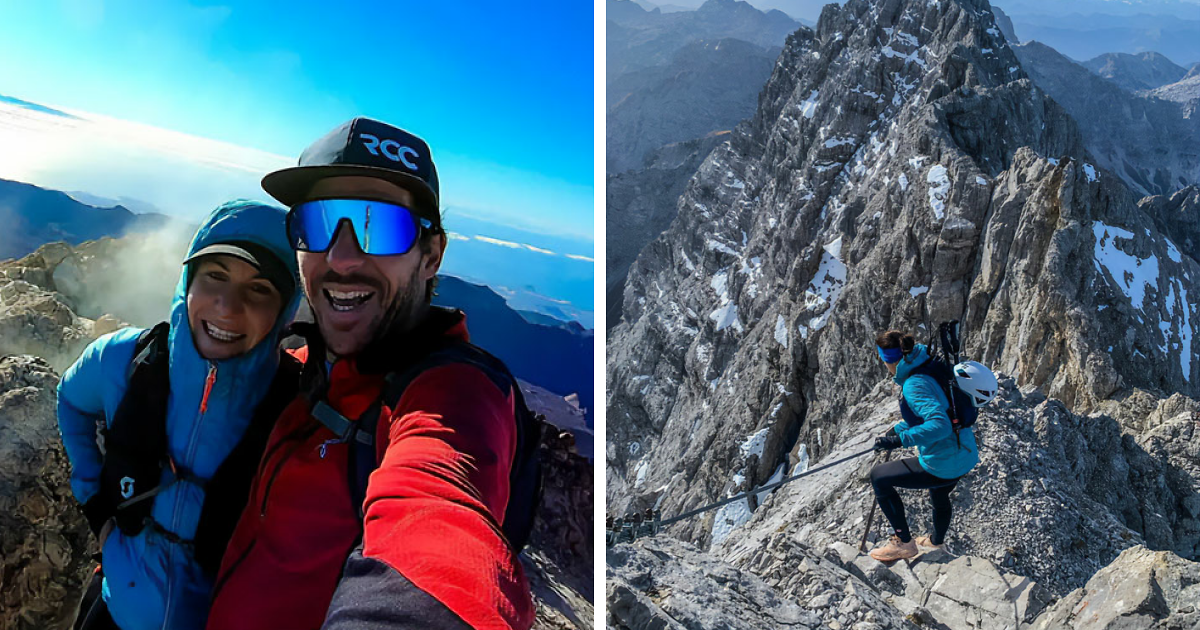
Kerstin Gurtner and Thomas Plamberger set out in January 2025 to climb Grossglockner. According to Austrian prosecutors, Gurtner had far less experience with alpine high-altitude tours, while Plamberger had planned the outing and was treated as the person with greater responsibility. Prosecutors later said the pair fell badly behind schedule, encountered severe winter conditions, and continued into dangerous territory rather than turning back early enough.
By the time the situation became critical, Gurtner was reportedly suffering from exhaustion and hypothermia. Prosecutors said Plamberger left her around 2 a.m. on January 19, roughly 50 meters below the summit cross. She was later found dead. The official Austrian prosecutor’s statement listed several alleged failures: starting too late, insufficient emergency bivouac gear, unsuitable equipment for Gurtner, failing to turn back, delaying emergency contact, not signaling a police helicopter, becoming unreachable, and not using available emergency blankets or a bivouac sack to protect her from further heat loss.
The Message Posted After Her Body Was Found
After Gurtner’s body was recovered, Plamberger reportedly posted a grief-filled message on Instagram that was later deleted. The message, as quoted in reporting, read: “I miss you so much. It hurts so incredibly much. Forever in my heart. Without you, time is meaningless.”
On its own, those words might sound like the kind of devastated tribute someone writes after losing a partner. But context matters, and in this case the context was enormous. Prosecutors were alleging that he had left her exposed on the mountain and had failed to take basic emergency steps that might have saved her life. That is why many people online reacted with horror. To them, the message sounded less like tender mourning and more like a public performance arriving after choices that prosecutors described as catastrophically negligent.
It is worth being precise here: grief can be real even when responsibility exists. Human beings are messy little soup bowls of emotion. A person can feel pain and still have made terrible decisions. But the public backlash came from the gap between the sentimental tone of the post and the grim details of what investigators said happened on the mountain.
The Court Case: Accident Or Gross Negligence?
In February 2026, an Austrian court convicted Plamberger of manslaughter caused by gross negligence. He received a five-month suspended sentence and a financial penalty reported as €9,600 in several accounts. The defendant pleaded not guilty, and the court acknowledged that the case was not one of deliberate murder. Still, the judge found that Plamberger had failed in what the court called his leadership responsibility.
This detail matters because climbing is often built on shared risk. Mountains do not hand out permission slips. Everyone who steps onto a ridge accepts danger. But the law looked at the difference in skill and decision-making power between the two people. The judge said Gurtner’s mountaineering knowledge was dramatically below Plamberger’s and that, because he planned the climb and had more ability, he carried a greater duty to recognize when the route had become too dangerous.
The court also heard that Gurtner likely would have survived if more responsible steps had been taken earlier, such as turning back or calling emergency services sooner. That point is the emotional center of the case. This was not simply a storm appearing out of nowhere like a villain in a low-budget disaster movie. It was a chain of decisions: when to start, what gear to bring, when to turn back, when to call rescue, and how to care for someone who could no longer continue.
The Missed Rescue Opportunities
One of the most disturbing parts of the case involved the alleged missed chances to get help. Prosecutors said the pair were effectively unable to continue by about 8:50 p.m. A police helicopter later flew over around 10:50 p.m., yet no emergency signal was given, according to the Austrian prosecutor’s statement. Plamberger reportedly contacted Alpine police around 12:35 a.m., but further contact did not continue as rescuers tried to reach him.
The Guardian reported that an officer testified Plamberger told him the couple did not need anything and that everything was fine. The officer tried again to reach him, but received no answer. Later, weather conditions became too dangerous for the helicopter to attempt a rescue. That is the sort of detail that turns a sad accident into a courtroom question: Was this just confusion under stress, or a failure so serious that it became criminal?
Plamberger said he was also exhausted and hypothermic and that Gurtner urged him to go. He claimed he descended to seek help. The judge accepted that he had not acted with murderous intent. But the court still concluded that his earlier failures, especially as the more experienced climber, made him responsible under the law.
Why Hypothermia Makes Mountain Emergencies So Dangerous
Hypothermia is not just “being cold,” the way your aunt says she is cold in a restaurant with aggressive air conditioning. It is a medical emergency that happens when the body loses heat faster than it can produce it. Mayo Clinic describes hypothermia as occurring when core body temperature drops below 95 degrees Fahrenheit, or 35 degrees Celsius. Symptoms can include shivering, slurred speech, shallow breathing, weak pulse, poor coordination, confusion, drowsiness, and loss of consciousness.
In the mountains, that matters because the person who needs help may also become less able to ask for help, make decisions, or move. Cold steals the body first, then the brain’s ability to file a proper complaint. A climber who is confused, exhausted, or disoriented is no longer a fully reliable partner in decision-making. That is why outdoor safety guidance emphasizes traveling prepared, carrying emergency supplies, insulating a hypothermic person from wind and ground, and calling for rescue early rather than waiting until the situation becomes cinematic.
NOLS wilderness guidance recommends that cold-weather emergency kits include items such as thermal blankets, heat-reflective shelter, high-energy snacks, dry clothing, and a stove for warming food and drinks. In this case, investigators said emergency items were available but not used properly. That detail became one of the strongest points in public discussion: the tragedy was not only that help was difficult, but that some simple protective steps allegedly were not taken.
Why The Case Shocked The Climbing Community
Climbers understand that mountains are dangerous. They also understand that turning around is not failure; it is often the most glamorous survival skill nobody posts about. Summit photos get likes, but good judgment gets you breakfast the next morning. The Grossglockner case struck a nerve because it forced climbers to debate where personal responsibility ends and partner responsibility begins.
Climbing.com analyzed the ruling as important because the court treated Plamberger as a de facto guide, not because he was professionally certified, but because he planned the route and was much more experienced than Gurtner. That distinction could matter in future cases. A person does not need a business card that says “Guide” to become the practical leader of a risky outing. If one partner knows the terrain, sets the pace, chooses the route, and brings along someone less experienced, the responsibility may follow.
The court also heard testimony from a former girlfriend who said Plamberger had left her behind during a previous difficult mountain outing. He denied that accusation. Still, the testimony added another unsettling layer to a story already heavy with questions about judgment, care, and what partners owe each other when conditions go sideways.
The Family’s Response Added Another Complicated Layer
One surprising element was that Gurtner’s family reportedly expressed support for Plamberger in court. According to People, a letter from her family said that their daughter took responsibility for herself and that they could not fault her boyfriend. That does not erase the court’s findings, but it does show how complicated grief can be. Families sometimes process tragedy in ways the public does not expect. The internet wants clean villains and clean heroes; real life often arrives with mud on its boots.
The judge also made clear that he did not see Plamberger as a murderer or cold-hearted man. But he ruled that Plamberger had misjudged the situation and failed in his leadership responsibility. That middle ground is legally and emotionally difficult. It says, in effect: you may not have meant harm, but your choices still helped cause a death.
The Bigger Lesson: Love Is Not A Safety Plan
The most painful lesson from this story is simple: affection does not replace preparation. A boyfriend, girlfriend, spouse, best friend, or adventure buddy can love you very much and still be the wrong person to lead you into danger. Love does not check the weather. Love does not pack the bivouac bag. Love does not call rescue unless someone decides to take out the phone before pride, panic, or denial burns through the remaining daylight.
For anyone planning a serious hike, climb, ski tour, or remote adventure, the Grossglockner tragedy is a harsh reminder to ask unromantic questions before leaving home. Who is the most experienced person? What is the turnaround time? What happens if one person becomes injured or hypothermic? Does everyone have suitable gear? Is there a shelter plan? Who knows the route? Who has emergency numbers? Who will call for help, and when?
These questions may not sound sexy. Nobody puts “discussed evacuation plan” in a dating profile. But in the backcountry, boring conversations can save lives. In fact, boring is underrated. Boring is warm socks, charged phones, realistic timelines, emergency blankets, and the humility to say, “The summit will still be there next week.”
Experience-Based Reflections Related To The Case
Stories like this hit hard because they are not only about mountains. They are about trust. Most people have had at least one moment when they followed someone else’s confidence into a situation they did not fully understand. Maybe it was a difficult trail, a sketchy road trip, a financial decision, a social situation, or a relationship where one person always seemed to “know better.” At first, confidence feels reassuring. Later, if things go wrong, that same confidence can feel like a locked door.
The experience many readers recognize is the pressure to keep going because someone else says everything is fine. In outdoor settings, this can be especially dangerous. A less experienced person may ignore discomfort because they do not want to look weak. They may assume the expert has a plan. They may think, “If this were really dangerous, he would say so.” That thought is comforting, but it is not always true. Sometimes the person leading is also tired, stubborn, embarrassed, or trapped by summit fever.
There is also the relationship dynamic. When the more experienced person is a romantic partner, speaking up can become even harder. Nobody wants to be the “difficult” girlfriend, boyfriend, husband, or wife who ruins the big adventure. People laugh off pain, hide fear, and push through warning signs because they want to be supportive. That is human. It is also why healthy adventure partnerships require active check-ins, not just dramatic declarations of love over protein bars.
A good partner does not treat your fear as an inconvenience. A good partner notices when your pace changes, when your speech gets strange, when your hands stop working properly, or when your jokes get weird in a not-funny way. A good partner does not need you to collapse before deciding the plan has changed. In the mountains, “Are you okay?” should not be a polite formality. It should be a real question with room for a real answer.
Another experience this case brings up is the danger of pride. Outdoor culture sometimes rewards toughness to a ridiculous degree. People brag about suffering as if frostbite comes with loyalty points. But the mountain does not care how determined you are. It does not admire grit. It does not give partial credit because you trained hard or bought expensive gear. Nature is not mean; it is worse than mean. It is indifferent. That is why humility is the best equipment you can carry.
For couples, friends, and families who adventure together, the practical takeaway is to set rules before emotions enter the chat. Decide on a strict turnaround time. Agree that anyone can call off the trip without being mocked. Share gear checks. Carry emergency insulation. Learn basic hypothermia symptoms. Practice saying, “We are done for today,” without making it sound like a personal insult. The strongest outdoor partners are not the ones who never get scared. They are the ones who listen when fear is giving useful information.
The Grossglockner case also shows why public grief can feel disturbing when responsibility is unresolved. A social media tribute may be heartfelt, but the internet reacts differently when the person posting it is also accused of failing the person being mourned. That does not mean every grief post is fake. It means people expect actions and words to live in the same moral neighborhood. When they do not, the contrast feels unbearable.
In the end, Kerstin Gurtner’s death is not simply a viral story about a boyfriend, a mountain, and a message. It is a warning about preparation, power imbalance, delayed emergency response, and the terrifying speed with which cold can turn a bad decision into a fatal one. Mountains are beautiful, but they are also honest. They reveal whether a plan is real, whether leadership is responsible, and whether a partner’s promise to “take care of you” means anything when the wind starts screaming.
Conclusion
The story of the boyfriend who abandoned a woman on an Austrian mountain and later posted a message after her body was found remains so haunting because it sits at the crossroads of love, negligence, grief, and responsibility. Thomas Plamberger was not convicted of murder, but he was convicted of gross negligent manslaughter after Kerstin Gurtner froze to death near the summit of Grossglockner. The court found that his greater experience and leadership role mattered. The public found the later tribute message disturbing because, by then, the facts being reported were almost impossible to separate from the words of mourning.
For readers, the lesson is not to avoid every adventure or distrust every confident partner. The lesson is to respect risk before risk stops asking politely. In relationships and in the wilderness, responsibility is not a romantic accessory. It is the thing that matters when everything else goes cold.