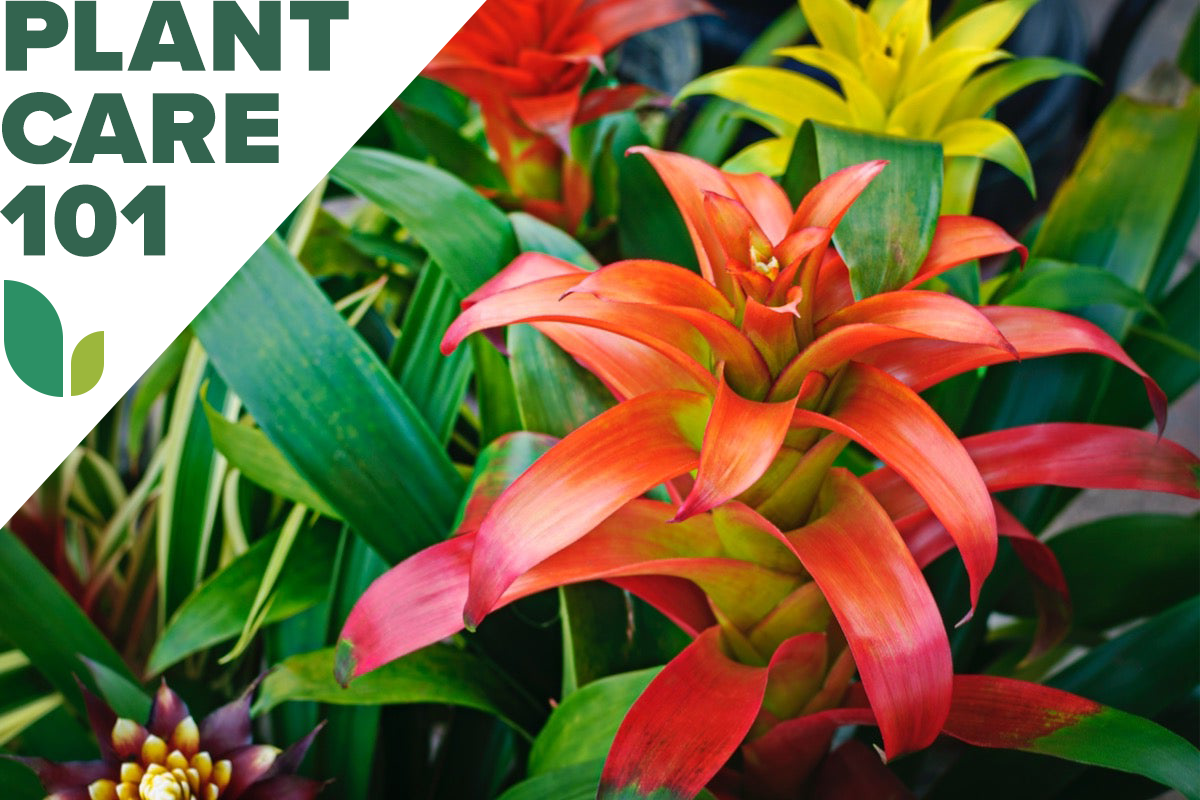

If houseplants had personalities, bromeliads would be the colorful guests who arrive wearing tropical shirts, ask for very little, and somehow become the center of attention. With dramatic rosettes, sword-like leaves, jewel-toned bracts, and a talent for surviving in places where ordinary potting soil would panic, bromeliads are among the most fascinating plants you can grow indoors or on a warm patio.
The tricky part is that “bromeliad” is not one single care recipe. It is a large plant family that includes epiphytic varieties, which naturally cling to trees or rocks, and terrestrial varieties, which grow in soil like more familiar houseplants. Some drink from a central cup. Some hate wet feet. Some are grown for flowers, others for leaves, and a few look like they were designed by a botanical architect with a flair for drama.
This bromeliad care guide breaks down the essentials: light, watering, humidity, soil, fertilizing, propagation, and troubleshooting. Whether you have a flashy Guzmania from the grocery store, an Aechmea with armor-like leaves, a Neoregelia that glows like stained glass, a Tillandsia air plant, or an Earth Star tucked into a terrarium, the goal is simple: keep it healthy, bright, and gloriously weird in the best possible way.
What Are Bromeliads?
Bromeliads belong to the Bromeliaceae family, a diverse group of tropical and subtropical plants native mostly to the Americas. The family includes thousands of species and countless hybrids, ranging from tiny air plants to the very familiar pineapple. Yes, the pineapple is a bromeliad. Suddenly fruit salad feels more sophisticated.
Many bromeliads form a rosette of leaves that creates a small central reservoir, often called a cup, tank, vase, or well. In nature, this cup catches rainwater, bits of organic debris, and nutrients. Some bromeliads use their roots mainly to anchor themselves rather than to feed heavily from soil. That is why treating every bromeliad like a thirsty pothos can quickly lead to rot, sadness, and a plant parent staring at mushy leaves wondering what happened.
Epiphytic vs. Terrestrial Bromeliads
The most important first step in bromeliad care is knowing whether your plant is mainly epiphytic or terrestrial. Once you know that, watering and potting decisions become much less mysterious.
Epiphytic Bromeliads
Epiphytic bromeliads grow attached to trees, rocks, or other surfaces in their natural habitat. They are not parasites. They do not steal food from the host plant; they simply use it as a living apartment building. Their roots act more like grappling hooks than dinner straws.
Common epiphytic bromeliads include Guzmania, Aechmea, Vriesea, Neoregelia, and many Tillandsia species. These plants often prefer loose, airy media such as orchid bark, chunky potting mix, perlite, charcoal, or sphagnum moss. Some Tillandsias can be grown mounted without soil at all.
Terrestrial Bromeliads
Terrestrial bromeliads grow in the ground. They still need excellent drainage, but they rely more on their root systems than many epiphytic types do. Cryptanthus, often called Earth Star, is a classic example. Pineapple plants are also terrestrial bromeliads, which makes them the overachieving cousins of the family.
Terrestrial varieties usually prefer a moisture-retentive but fast-draining mix. They should not sit in soggy soil, but they may need more consistent root-zone moisture than tank-forming epiphytes. Think “lightly moist and breathable,” not “swamp vacation.”
Best Light for Bromeliads
Most bromeliads thrive in bright, indirect light. A spot near an east-facing window is often ideal. South- or west-facing windows can work too, especially if the plant is set back from the glass or protected by a sheer curtain. The goal is generous light without the harsh midday sun that can scorch leaves.
As a general rule, soft-leaved bromeliads prefer lower to moderate light, while stiff, thick-leaved varieties can often handle brighter conditions. Aechmea and Neoregelia types usually appreciate stronger filtered light, which helps intensify their leaf color. Guzmania and Vriesea often prefer gentler brightness.
Your plant will usually tell you if the lighting is wrong. Pale, yellowish, bleached, or crispy leaves can signal too much sun. Dark green, floppy, stretched, or dull growth may indicate too little light. Bromeliads are not exactly chatty, but their leaves do leave reviews.
How to Water Bromeliads Correctly
Watering is where many bromeliad problems begin. The secret is not to water more; it is to water smarter.
Watering Tank Bromeliads
For tank-forming bromeliads such as Guzmania, Aechmea, Vriesea, and Neoregelia, add water to the central cup. Keep the cup lightly filled, then refresh it regularly so the water does not become stale. Every week or two, empty and refill the cup if possible. This helps prevent mineral buildup, odors, and the tiny indoor pond situation nobody invited.
Allow a little water to spill into the potting mix, but do not keep the roots constantly wet. The potting medium should dry partially between waterings. In a warm, bright room, the plant may need more frequent attention. In winter or low light, it needs less.
Watering Terrestrial Bromeliads
Terrestrial bromeliads, especially Cryptanthus, are watered more like traditional houseplants. Water the potting mix when the upper layer begins to dry, keeping it lightly and evenly moist but never waterlogged. Drainage is non-negotiable. If the pot has no drainage hole, the plant may look stylish for a while, but the roots will be writing their resignation letter.
Best Water Type
Rainwater, distilled water, or filtered water is often best, especially for sensitive bromeliads and air plants. Tap water can work in many homes, but very hard, salty, or softened water may leave spots or cause mineral stress. If using tap water, let it sit overnight before watering so some chlorine can dissipate.
Humidity and Air Circulation
Bromeliads appreciate humidity, but they also need air movement. That combination matters. High humidity with stagnant air can encourage fungal problems, while dry air from heating or cooling vents can crisp leaf tips and shorten the life of colorful bracts.
Indoor bromeliads often do well with moderate household humidity, but they look better with a little extra moisture in the air. Use a pebble tray, group plants together, place them in a bright bathroom, or run a small humidifier nearby. Misting can provide a brief refresh, but it is not a substitute for steady humidity.
Good airflow is especially important for mounted bromeliads and Tillandsias. After soaking or misting air plants, shake off excess water and let them dry upside down or at an angle. Water trapped in the crown for too long can cause rot.
Best Soil and Potting Mix
The best bromeliad potting mix depends on the type. Epiphytic bromeliads need a chunky, airy blend. A simple homemade mix might include orchid bark, perlite, coarse peat or coco coir, and a little charcoal. The goal is quick drainage and oxygen around the roots.
Terrestrial bromeliads prefer a slightly richer but still loose mix. A high-quality indoor potting mix amended with perlite, bark, or coarse sand can work well. The pot should be only slightly larger than the root ball because oversized pots hold excess moisture. Bromeliads rarely need deep containers; many have shallow roots and prefer stability over a mansion-sized pot.
Temperature Needs
Most bromeliads prefer average indoor temperatures, roughly 60 to 85 degrees Fahrenheit. They generally dislike cold drafts, sudden temperature swings, and frosty windowsills. Tropical bromeliads may tolerate brief cooler nights, but extended cold can slow growth or damage leaves.
If you move bromeliads outdoors for summer, place them in bright shade or filtered sun first. Do not move a plant from a calm living room straight into blazing afternoon light unless you enjoy crispy foliage as a design style. Bring plants indoors before nights become chilly.
Fertilizing Bromeliads Without Overdoing It
Bromeliads are light feeders. Too much fertilizer can cause weak growth, salt buildup, or damaged leaves. During spring and summer, use a balanced liquid fertilizer diluted to quarter or half strength. Apply sparingly, and avoid dumping strong fertilizer into the cup unless the product is specifically appropriate for bromeliads.
For many indoor bromeliads, fertilizing once a month during active growth is plenty. Some growers fertilize even less. If the plant is blooming or recently purchased from a nursery, it may not need fertilizer right away. When in doubt, underfeed rather than overfeed. Bromeliads are not bodybuilders; they do not need a protein shake every Tuesday.
Blooms, Bracts, and the Bromeliad Life Cycle
Many people call the bright central display a flower, but in many bromeliads the showiest parts are colorful bracts. The true flowers are often smaller and less dramatic. Still, the display can last for months, which is one reason bromeliads are popular gift plants.
Most bromeliads bloom once in their lifetime. After flowering, the mother plant slowly declines. This is normal, not a houseplant tragedy. Before it fades, the plant usually produces pups, also called offsets, around the base. These pups are the next generation.
Do not throw away a bromeliad just because the original rosette begins to look tired after bloom. Keep caring for it. Remove spent flower structures when they become unattractive, maintain proper light and watering, and give the pups time to grow.
How to Propagate Bromeliad Pups
Propagation is one of the most satisfying parts of bromeliad care. Wait until pups are at least one-third to one-half the size of the parent plant before removing them. Larger pups establish more easily.
Use a clean, sharp knife or pruners to separate the pup with a small portion of its base attached. Pot it in a small container with a suitable bromeliad mix. Keep it warm, humid, and in bright indirect light. Water lightly while roots develop. If the pup wobbles, use stakes or small stones to hold it steady until it anchors itself.
Patience is essential. Young bromeliads can take a long time to mature and bloom. Plant care is not always instant gratification; sometimes it is a very slow tropical soap opera.
Common Bromeliad Problems and Fixes
Brown Leaf Tips
Brown tips often come from dry air, mineral-heavy water, underwatering, or fertilizer buildup. Increase humidity, switch to filtered or rainwater, and flush the potting mix occasionally.
Rotting Base or Mushy Leaves
Rot usually means too much moisture around the roots or crown. Empty stagnant water, improve drainage, reduce watering, and make sure the plant has air circulation.
Faded Color
Bromeliads with dull or faded leaves may need brighter indirect light. Move the plant gradually to avoid sunburn.
Scorched Leaves
Bleached patches or crispy brown areas can indicate too much direct sun. Shift the plant away from hot glass or use a sheer curtain.
Pests
Bromeliads are fairly pest-resistant, but mealybugs, scale, aphids, and spider mites can appear. Inspect leaf bases and undersides. Remove pests with a cotton swab dipped in rubbing alcohol, rinse gently, or use insecticidal soap according to label directions.
Popular Bromeliad Varieties for Homes
Guzmania
Guzmania bromeliads are famous for their bright, upright bracts in red, orange, yellow, pink, or purple. They prefer warm rooms, bright indirect light, and consistent humidity.
Aechmea
Aechmea bromeliads often have stiff, arching leaves and long-lasting flower spikes. They are generally sturdy and forgiving, making them good candidates for beginners.
Neoregelia
Neoregelias are grown mostly for foliage. Their centers may blush red, pink, or purple when mature, especially in strong filtered light.
Vriesea
Vriesea varieties can produce dramatic sword-shaped bracts and often tolerate moderate indoor light. They enjoy warmth and humidity.
Cryptanthus
Cryptanthus, or Earth Star, is a terrestrial bromeliad with patterned, low-growing leaves. It prefers evenly moist, well-drained soil and higher humidity.
Tillandsia
Tillandsias are air plants. Many grow without soil and need regular soaking or misting, bright filtered light, and excellent drying after watering.
Seasonal Bromeliad Care Tips
In spring and summer, bromeliads usually grow more actively. This is the best time to fertilize lightly, separate pups, refresh potting mix, or move plants outdoors into protected shade. Check water cups more often during warm weather.
In fall and winter, reduce watering and pause or limit fertilizer. Lower light and cooler rooms mean the plant uses water more slowly. Keep bromeliads away from cold windows, heaters, fireplaces, and air vents. Basically, do not place a tropical plant where your home is doing its best impression of either a desert or a refrigerator.
Experience Notes: What Growing Bromeliads Teaches You
After growing several bromeliads indoors, one lesson becomes obvious: these plants reward observation more than routine. A strict “water every Saturday” schedule sounds organized, but bromeliads prefer a more flexible relationship. A Guzmania in a warm, bright kitchen may need its cup refreshed often, while a Neoregelia in a cooler room may sit happily with much less attention. The plant, not the calendar, should be the boss.
The first practical experience many growers have is learning not to fuss too much. Bromeliads can look exotic enough to seem high-maintenance, but most problems come from overcare. Too much water, too much fertilizer, too large a pot, or too much direct sun can do more harm than a little neglect. The best approach is confident moderation: bright light, fresh water, good drainage, and then step away from the watering can like it owes you money.
Another useful lesson is that bromeliads are excellent plants for people who enjoy design. Their shapes are architectural. A single Aechmea can look like living sculpture on a coffee table. A cluster of Neoregelias can add color to a shaded patio. Tillandsias can be mounted on cork, driftwood, or hanging displays. Cryptanthus works beautifully in shallow bowls or terrariums with airflow. Unlike many trailing houseplants, bromeliads bring structure. They do not just fill space; they pose.
One common beginner surprise is the post-bloom decline. A bromeliad may look spectacular for months, then slowly fade. At first, this can feel like failure. In reality, it is the normal life cycle. The mother plant has done its grand performance and is now producing pups. Once you understand that, the experience becomes less discouraging and more interesting. You are not losing one plant; you are watching it hand the baton to the next generation.
Separating pups also teaches patience. A tiny offset removed too early may struggle, while a larger pup with more stored energy usually adapts well. Waiting until the pup is a good size is the difference between propagation success and botanical heartbreak. Use a small pot, airy mix, and gentle watering. The young plant may sit quietly for weeks before showing obvious progress. That does not mean it is doing nothing. Roots often grow before leaves brag about it.
Indoor conditions matter more than most care labels admit. A bromeliad near an air conditioner may dry at the leaf tips. One near a sunny west window may scorch. Another in a dim hallway may survive but never look vibrant. Moving a plant just a few feet can make a noticeable difference. The best growers become detectives: they read color, leaf texture, soil moisture, and room conditions, then adjust.
The most enjoyable part of bromeliad care is how forgiving it can be once you understand the basics. These plants do not demand daily drama. They simply ask you to respect where they came from: tree branches, humid forests, rocky places, warm air, filtered light, and quick drainage. Recreate those ideas indoors, even imperfectly, and bromeliads can become some of the easiest tropical plants in your collection.
Conclusion
Bromeliad care becomes much simpler when you stop treating every variety the same. Epiphytic bromeliads need airy support, fresh water in the cup when appropriate, and roots that are never smothered. Terrestrial bromeliads need a loose, well-drained mix with more consistent soil moisture. Nearly all bromeliads appreciate bright indirect light, warmth, humidity, and a light hand with fertilizer.
Most importantly, remember that bromeliads have a natural life cycle. A fading mother plant after bloom is not a disaster; it is the beginning of pup season. With patience, proper watering, and a good spot in your home, one bromeliad can become several. That is a pretty generous deal from a plant that already looks like it belongs on a tropical vacation postcard.