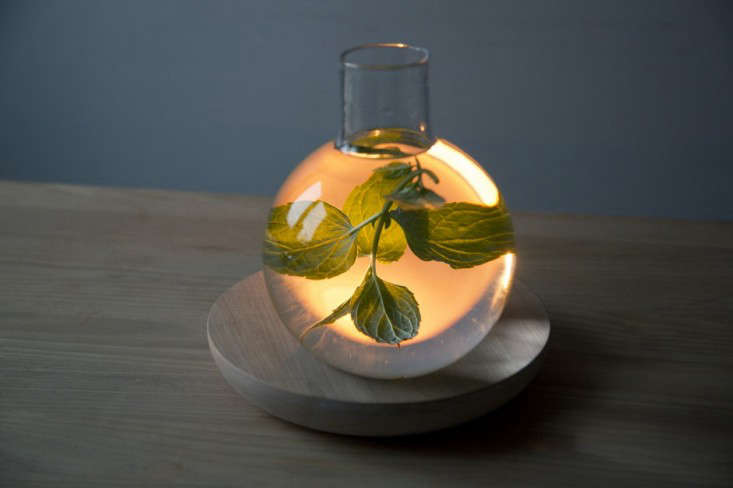

Some home décor ideas shout for attention. Others simply glow, lean casually against a branch, and make the room feel as though it has finally taken a deep breath. A leafy candle still-life belongs firmly in the second category.
This styling approach combines candles, branches, leaves, flowers, natural vessels, and a few beautifully ordinary objects into a quiet visual scene. Think of it as a tiny painting that escaped the wall and landed on your dining table, mantel, coffee table, or bookshelf. The candle provides warmth. The foliage adds movement. The supporting objects bring personality. Together, they create a display that looks collected rather than purchased in a panic five minutes before guests arrive.
Better yet, a candle-and-greenery arrangement can work in nearly any home style. It can feel rustic, modern, romantic, moody, coastal, cottage-inspired, minimalist, or delightfully “I found this branch while walking the dog and now I am an artist.” The trick is not buying more décor. The trick is arranging what you have with a little intention.
What Is a Leafy Candle Still-Life?
A still-life is traditionally an arrangement of everyday objects made interesting through light, shape, texture, and composition. In painting, that might mean fruit, a glass bottle, flowers, a folded cloth, and a candle slowly burning itself into art history. In home décor, the same logic works beautifully.
A leafy candle still-life is a decorative vignette built around the relationship between flame-like light and botanical texture. It may include a taper candle beside a leafy branch, pillar candles on a stone tray, a glass vase with clipped greenery, a ceramic bowl, old books, fruit, seedpods, or a small sculptural object.
The goal is not to create a formal floral centerpiece that looks as though it needs its own passport and security detail. Instead, the goal is to make a scene that feels alive, balanced, and slightly imperfect. Leaves should reach, bend, soften edges, and create shadows. Candles should add vertical interest and a warm focal point. The rest of the objects should support the mood without turning the table into a yard sale with a flame problem.
Why Candles and Greenery Work So Well Together
Candles and foliage are natural partners because they bring opposite qualities into the same space. A candle is still, structured, and vertical. Greenery is loose, organic, and unpredictable. One is made by hand; the other looks better when it appears to have ignored all instructions.
The contrast also creates visual depth. Smooth wax looks richer next to veined leaves, bark, dried seedpods, rough pottery, linen, stone, or wood. A glossy magnolia leaf can make a simple cream taper feel elegant. A soft olive branch can make a modern glass vase feel less severe. Even one branch in the right place can turn a plain table into a scene with a point of view.
Light is another reason this combination works. Candlelight emphasizes texture. It catches the curved edge of a leaf, reflects in a glass vessel, and makes dark green foliage appear deeper and more dimensional. During the day, the arrangement has shape. At night, it has atmosphere. That is a respectable amount of work for a few leaves and a candle.
Start with a Mood, Not a Shopping List
Before choosing candles, decide what feeling you want the arrangement to create. This prevents the classic décor mistake of gathering seventeen pretty objects that look lovely individually but collectively resemble a confused gift shop.
Soft and Romantic
Use ivory tapers, pale pink blooms, muted green leaves, vintage glass, and linen. Olive branches, eucalyptus-like foliage, ruscus, or soft fern textures can create a gentle, layered look. Add a small brass holder or a weathered ceramic dish for warmth.
Moody and Dramatic
Choose deep green leaves, dark wood, black or charcoal candleholders, amber glass, and rich-toned candles in burgundy, forest green, brown, or midnight blue. A branch with sculptural twists can become the star. This style works especially well on a mantel, console table, or dining table set for an evening meal.
Fresh and Minimal
Keep the palette restrained: white candles, clear glass, one type of leaf, and a simple tray. A few leafy stems in a low vase beside two unscented tapers can feel calm and polished without looking empty. Minimalism is not about owning fewer objects than your neighbor. It is about letting the objects you choose have room to breathe.
Harvest and Seasonal
For fall, layer warm-colored leaves, branches, dried grasses, seedpods, apples, pears, and pillar candles. For winter, consider evergreen cuttings, magnolia leaves, pinecones, and flameless candles tucked into safe glass vessels. In spring, fresh green branches and delicate flowers make the display feel newly awake. Summer invites herbs, citrus, pale flowers, and lighter vessels.
The Core Formula for a Beautiful Candle Still-Life
You do not need a design degree, a studio assistant, or a very patient cat to make a leafy still-life. Use this simple formula:
- One anchor: a tray, bowl, platter, runner, stack of books, or section of bare tabletop.
- One tall element: taper candles, a branch, a vase, or a lantern.
- One low element: a shallow bowl, mossy-looking texture, low greenery, fruit, or small votives.
- One organic element: leaves, branches, flowers, seedpods, herbs, or a potted plant placed safely away from real flame.
- One personal object: a small ceramic piece, a favorite book, a vintage box, a handmade bowl, or something that gives the arrangement a story.
This formula helps the eye move through the display. The taller element gives height, the lower objects create visual weight, and the greenery connects everything. You are not trying to make every item equally important. A good still-life needs a leader, a supporting cast, and at least one object that looks like it has been quietly holding family secrets since 1978.
Choose the Right Candles for the Scene
The candle type changes the entire personality of the arrangement. A tall taper feels elegant and architectural. A chunky pillar feels grounded and relaxed. A tea light in a glass holder creates a small point of sparkle. A flameless candle gives you the glow without forcing you to worry about whether your dried eucalyptus has suddenly become a tiny bonfire audition.
Taper Candles
Taper candles are ideal for creating height. Use them in pairs, trios, or loose groupings with different holder heights. They are particularly effective on dining tables, mantels, and console tables because they create a graceful vertical line without taking up much surface space.
Pillar Candles
Pillars add volume and look especially good on trays, ceramic plates, stone slabs, and broad wooden surfaces. Group different heights together rather than lining them up like they are waiting for roll call. Keep the display simple enough that the candles remain visually important.
Votives and Tea Lights
Votives can add a quiet glow around a larger arrangement. Use them in glass holders, hurricane vessels, or enclosed lanterns. They work well when you want light at several points without introducing a forest of tall candles.
Flameless Candles
Flameless candles are the practical heroes of leafy arrangements. They are especially useful inside wreaths, near garlands, among dried flowers, in bedrooms, around pets, or on holiday tables where guests may reach across the display. Modern flameless options can look surprisingly convincing, which is good news for anyone who wants ambiance without conducting a fire-safety seminar before dessert.
Leafy Elements That Make an Arrangement Feel Rich
When choosing greenery, think beyond the obvious. You do not need a giant bouquet. In fact, one type of leaf often looks more sophisticated than six types competing for attention.
Broad Leaves
Magnolia-style leaves, philodendron leaves, camellia cuttings, and large tropical foliage create bold shapes. They work beautifully with chunky pillar candles and smooth ceramic vessels. Use fewer stems and let the leaves have room to show their shape.
Fine, Airy Greenery
Olive-style branches, fern-like foliage, wispy grasses, and delicate leafy stems create movement. These are ideal for romantic or relaxed arrangements. Their softness contrasts nicely with brass, glass, marble, and tapered candles.
Evergreens
Evergreen cuttings offer rich texture in winter displays, but they should be kept well away from lit candles. They are better used as a wider backdrop, in a separate vase, or with flameless lights. A few clipped branches in a ceramic pitcher can look festive without turning the centerpiece into a test of everyone’s reflexes.
Dried Botanical Materials
Dried grasses, seedpods, preserved leaves, and dried flowers can create a wonderful sculptural still-life, but they belong with flameless candles or far from open flames. Their beauty is in their delicate texture, not their ability to behave like kindling.
How to Arrange Candles and Foliage Safely
Safety should not be the boring part of decorating. It is what lets the beautiful part remain beautiful. Real candles should sit in stable, non-tip holders on a heat-safe surface. Keep them at least 12 inches away from anything that can burn, including greenery, curtains, books, napkins, dried flowers, and the dramatic sleeve of the friend who talks with their hands.
Never wrap fresh or dried foliage around a burning candleholder. Instead, create distance. Place leafy stems in a separate vase, position foliage at the outer edges of a tray, or use glass hurricanes to create a more protected glow. For garlands, wreaths, and dense greenery, flameless candles are the smarter choice.
Also consider scent. Strongly scented candles may compete with food at a dining table, so unscented tapers or subtle candles are often better for meals. Save powerful fragrances for entryways, bathrooms, reading corners, or spaces where your pasta does not need to battle “Midnight Pumpkin Espresso” for attention.
Three Easy Leafy Candle Still-Life Ideas
1. The Quiet Dining Table
Place a narrow linen runner down the center of the table. Add two or three taper candles in sturdy holders, varying the heights slightly. Set a small glass vase with leafy branches near the center, keeping the foliage well away from flame. Finish with a low bowl of pears, lemons, or small seasonal fruit. The result feels relaxed, elegant, and welcoming without blocking conversation across the table.
2. The Coffee Table Pause Button
Use a shallow tray as your base. Add one flameless pillar candle, a small bud vase with a single leafy stem, a favorite hardcover book, and a small ceramic object. Keep it low and simple. This creates a calm vignette that looks intentional but still leaves room for coffee mugs, remote controls, and the occasional snack that somehow becomes dinner.
3. The Mantel Moment
Start with a few tall holders at one side of the mantel. Balance them with a vase of sculptural branches on the other side. Add smaller objects in the middle: a framed print, a stack of books, a small bowl, or a low grouping of flameless votives. The key is asymmetry. A mantel should feel balanced, not symmetrical enough to frighten a museum curator.
Common Mistakes to Avoid
The biggest mistake is trying to make everything match perfectly. Nature is not symmetrical, and your display does not need to be either. Mix heights, but stay within a cohesive color palette. Combine smooth and rough textures. Let one object be slightly off-center.
Another common mistake is making the arrangement too tall or too crowded for a dining table. Guests should be able to see each other without playing peekaboo around a branch. Keep centerpieces low, narrow, or high enough that sight lines remain open.
Finally, do not let décor become inconvenient. A leafy candle still-life should support the room, not occupy it like a demanding houseguest. Leave enough room for plates, drinks, books, work, or everyday life. The prettiest table in the world is less useful if someone has to move a candelabra every time they need a spoon.
Why This Style Feels So Personal
Leafy candle still-lifes work because they do not rely on perfection. A branch can be slightly crooked. A candle can drip a little. A bowl can be handmade, inherited, thrifted, or picked up at a flea market because it had “main character energy.” These imperfections make the arrangement feel human.
Unlike a large decorative purchase, a still-life can evolve. Change the leaves with the season. Swap the candles for a different color. Add fruit in the fall, shells in the summer, or a small flowering branch in spring. The arrangement becomes a visual diary of your home rather than a static display you stop noticing after two weeks.
Experience Notes: Building a Leafy Candle Still-Life That Felt Like a Pause Button
The most memorable leafy candle still-life arrangements are often the least complicated. Picture a late afternoon when the light is beginning to soften, the room is not perfectly clean, and there is a small collection of objects on the table that somehow deserves a second look. A stoneware bowl. A few green branches from the yard. Two candles in mismatched holders. A book with a worn cover. Nothing is expensive enough to make you nervous, which is an underrated decorating advantage.
The first step is usually clearing the surface, not filling it. A table or console looks more peaceful when there is visible empty space around the arrangement. Then comes the anchor: perhaps a wooden tray, a folded linen napkin, or a low ceramic platter. This small boundary helps the objects feel connected instead of scattered.
Next, add the tallest piece. It might be a taper candle in a brass holder or a branch placed in a glass vase. The branch does not need to be perfectly shaped. In fact, a slightly odd angle often makes the entire scene more interesting. It creates a line for the eye to follow and gives the arrangement a little personality, as though the décor has a private opinion about modern architecture.
Then come the smaller elements. A short candle, a small bowl, a piece of fruit, a tiny sculpture, or a book can create a layered composition. The goal is not to fill every gap. It is to create a rhythm: something tall, something round, something soft, something reflective, something alive. Leaves are particularly useful because they soften hard edges and make the scene feel less staged.
As daylight fades, the arrangement changes. The leaves become darker, the glass begins to reflect, and the candlelight or flameless glow turns the objects into silhouettes. This is when the still-life becomes more than decoration. It becomes a mood. It encourages slower dinners, quieter reading, longer conversations, or simply a few minutes spent doing absolutely nothing productive.
That may be the real appeal of candles as leafy still-life décor. It reminds us that a home does not need to be flawless to feel beautiful. It only needs a few thoughtful details, a little warmth, and perhaps one branch that looks like it wandered in from the garden and decided to stay.
Conclusion
Candles as leafy still-life décor offer an easy way to make everyday spaces feel more thoughtful, seasonal, and inviting. By combining candles with branches, leaves, natural vessels, and personal objects, you can create a composition that feels artistic without becoming precious. Keep the palette simple, vary heights and textures, leave room for negative space, and always prioritize fire safety when working with real flames.
Whether you style a dinner table, coffee table, mantel, entryway, or bedside surface, the best arrangement is one that feels natural in your home. A leafy candle still-life does not need to be perfect. It only needs to feel like you.