
Cataracts are sneaky little vision thieves. They rarely burst through the door waving a warning flag. Instead, they usually arrive like a slow fog on a bathroom mirror: first a little blur, then a bit more glare, and eventually you realize the world looks as if someone turned down the sharpness setting on life.
A cataract happens when the normally clear lens inside the eye becomes cloudy. Because that lens helps focus light onto the retina, cloudiness can make vision look blurry, dim, faded, yellowish, or hazy. Cataracts are especially common with age, but they can also develop after eye injury, certain medical conditions such as diabetes, long-term steroid use, or heavy ultraviolet light exposure.
The good news? Cataracts are treatable. The even better news? Knowing the early cataract symptoms can help you contact an eye doctor before vision problems start messing with driving, reading, cooking, hobbies, or recognizing your neighbor before you accidentally wave at a mailbox.
What do cataract symptoms look like?
Cataract symptoms can vary depending on the type, location, and severity of the cataract. In the early stage, many people notice no symptoms at all. As the lens becomes cloudier, vision changes become more obvious and more annoying.
Cloudy, blurry, or foggy vision
The most common cataract symptom is vision that looks cloudy, blurry, hazy, or filmy. People often describe it as looking through a dirty window, wax paper, light mist, or a camera lens that needs a serious cleaning. Objects may lose crisp edges, small print may look softer, and faces may seem less detailed.
This blurry vision usually develops gradually. That slow pace is one reason many people blame their glasses, the lighting, or “just getting older.” Aging may be part of the story, but cloudy vision should still be checked. Cataracts are common, but they are not the only cause of blurred vision.
Faded or yellowed colors
Another classic sign of cataracts is a change in color perception. Colors may look dull, faded, brownish, or yellowed. White walls may seem beige. Blues and purples may become harder to tell apart. Bright flowers may look as if they have lost their sparkle.
This happens because the cloudy lens can filter or scatter light before it reaches the retina. The change is often subtle at first. Many people do not notice how faded their world has become until after cataract surgery, when they suddenly realize their kitchen tiles were not actually “vintage cream” after all.
Glare and light sensitivity
Cataracts can make bright light uncomfortable. Sunlight, lamps, headlights, and computer screens may seem too intense. You may find yourself squinting more often, shielding your eyes outdoors, or avoiding night driving because oncoming headlights feel like tiny stadium lights aimed directly at your soul.
Glare can be especially noticeable in low-light conditions, such as driving at dusk or night. Light that should pass cleanly through the lens becomes scattered by cloudy areas, creating visual discomfort and reducing contrast.
Halos around lights
Seeing rings, circles, starbursts, or halos around lights is another common cataract symptom. These halos may appear around streetlights, headlights, lamps, or traffic signals. They can make nighttime driving difficult because lights may bloom outward and reduce your ability to see road lines, signs, pedestrians, or other vehicles clearly.
Halos can also occur with other eye conditions, including glaucoma or corneal problems. That is why it is important not to self-diagnose. Your eyes may be sending a message, and an eye care professional is the translator.
Trouble seeing at night
Cataracts often make night vision worse. You may need more light to read. You may feel less confident walking in dim rooms. Driving after sunset may become stressful, especially on unfamiliar roads or in rainy weather.
Reduced night vision is not just inconvenient; it can be a safety issue. If you are avoiding evening activities or feeling nervous behind the wheel, schedule an eye exam. Cataracts may be treatable, and your doctor can also rule out other conditions that affect low-light vision.
Frequent changes in glasses or contact lens prescriptions
If your glasses prescription keeps changing, cataracts may be part of the reason. Some people experience increasing nearsightedness, sometimes called “second sight,” where near vision temporarily improves while distance vision gets worse. This can feel like a strange little bonus until it stops being helpful and starts becoming a bigger blur-fest.
Needing stronger reading lights or frequent prescription updates does not automatically mean cataracts, but it is a good reason to contact an optometrist or ophthalmologist for a full eye exam.
Double vision in one eye
Cataracts can sometimes cause double vision or ghost images in one eye. This is called monocular double vision. It may look like a shadow image beside the real image, even when the other eye is covered.
Double vision can have several causes, some minor and some serious. If double vision appears suddenly or is accompanied by headache, weakness, eye pain, or neurological symptoms, seek urgent medical care.
Can you see a cataract in the mirror?
Sometimes, but not always. Early cataracts usually are not visible when you look in the mirror. The cloudy change happens inside the lens, behind the colored part of the eye. You may feel symptoms long before you see anything unusual on the surface.
In more advanced cataracts, the pupil may look gray, cloudy, milky, bluish-white, or dull instead of black. However, not every visible change in the eye is a cataract. A white or cloudy-looking pupil can also signal other eye problems, especially in children, and should be checked promptly.
In babies and young children, cataracts may appear as a white reflection in the pupil, wandering eyes, poor visual attention, or trouble tracking objects. Pediatric cataracts are less common than age-related cataracts, but they require fast medical evaluation because early vision development is extremely important.
Types of cataracts and how symptoms may differ
Not all cataracts behave exactly the same way. Their symptoms can depend on where the clouding forms inside the lens.
Nuclear cataracts
Nuclear cataracts form in the center of the lens. They are strongly associated with aging. At first, they may cause increased nearsightedness or temporary improvement in reading vision. Over time, the lens may become yellow or brown, making distance vision blurrier and colors harder to distinguish.
Cortical cataracts
Cortical cataracts develop around the outer edges of the lens and may form wedge-like streaks. These streaks can scatter light, creating glare, halos, and contrast problems. People with cortical cataracts may notice more difficulty driving at night or seeing clearly in bright sunlight.
Posterior subcapsular cataracts
Posterior subcapsular cataracts form near the back of the lens. They can cause glare, halos, poor vision in bright light, and trouble reading. These cataracts may progress faster than some other types and can affect people who are younger, especially those with diabetes or long-term steroid use.
When should you contact a doctor about cataract symptoms?
Make an appointment with an eye doctor if you notice ongoing changes in your vision, even if they seem mild. Cataracts often progress slowly, but waiting too long can make daily tasks harder than they need to be.
Schedule a routine eye exam if you notice:
- Cloudy, blurry, dim, or foggy vision
- Colors that look faded, yellowed, or less vivid
- More glare from sunlight, lamps, or headlights
- Halos or starbursts around lights
- Increasing trouble seeing at night
- Frequent changes in eyeglass or contact lens prescriptions
- Needing brighter light to read or complete close-up tasks
- Double vision or ghost images in one eye
- Vision problems that interfere with driving, work, hobbies, or daily routines
Adults 65 and older are often advised to have regular eye exams even without symptoms. People with diabetes, a history of eye injury, previous eye surgery, steroid use, or a family history of eye disease may need exams more often.
Seek urgent medical care for sudden symptoms
Cataracts usually do not cause sudden severe symptoms. If your vision changes quickly, do not assume it is “just cataracts.” Contact a healthcare professional urgently or seek emergency care if you develop:
- Sudden vision loss
- Sudden double vision
- Flashes of light
- A sudden shower of floaters
- A dark curtain or shadow over part of your vision
- Sudden eye pain
- Eye redness with vision changes
- Sudden severe headache with vision changes
These symptoms can point to urgent eye conditions such as retinal detachment, acute glaucoma, inflammation, infection, or neurological problems. In short: if your vision suddenly changes, do not wait for it to “sleep it off.” Eyes are wonderful, but they are terrible at sending calendar invitations.
How doctors diagnose cataracts
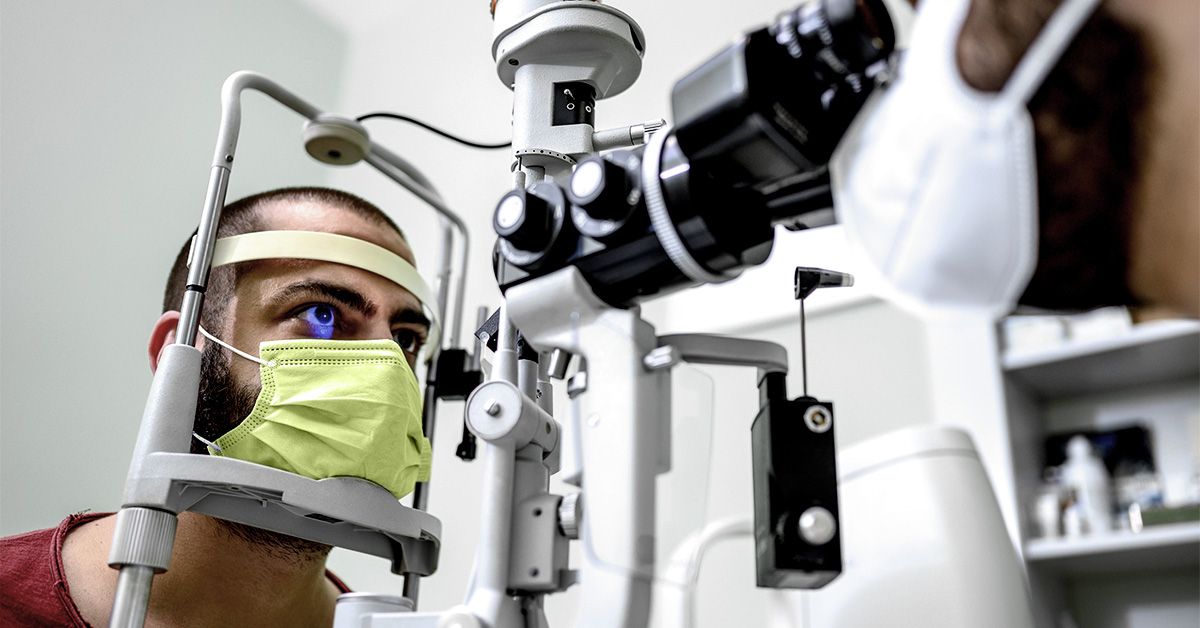
An eye doctor can diagnose cataracts with a comprehensive eye exam. The exam may include a visual acuity test, which checks how clearly you see at different distances. The doctor may also use a slit lamp, a special microscope with bright light, to examine the structures at the front of the eye, including the lens.
A dilated eye exam is also common. Eye drops widen the pupil so the doctor can examine the lens, retina, and optic nerve more clearly. Tonometry may be used to measure eye pressure and help screen for glaucoma. These tests help determine whether cataracts are causing your symptoms or whether another eye condition is involved.
Can cataract symptoms be improved without surgery?
In the early stages, cataract symptoms may be managed with practical changes. Updated glasses or contact lenses may help. Brighter lighting, anti-glare sunglasses, magnifying lenses, and reducing nighttime driving may also make daily life easier.
However, these strategies do not remove the cataract. Once cataracts interfere with daily activities, surgery is the only effective treatment to remove the cloudy lens. Cataract surgery replaces the cloudy natural lens with a clear artificial lens. It is one of the most common eye procedures and can significantly improve vision for many people.
What makes cataract symptoms worse?
Cataract symptoms often become more noticeable in certain situations. Bright sunlight can increase glare. Night driving can highlight halos and starbursts. Dim restaurants, rainy roads, and low-contrast settings can make it harder to see shapes and details.
Other factors may increase cataract risk or speed progression, including smoking, diabetes, high ultraviolet light exposure, eye injury, inflammation inside the eye, and long-term use of corticosteroid medications. Wearing UV-blocking sunglasses, managing blood sugar, avoiding smoking, and keeping regular eye exams are smart ways to support eye health.
Everyday examples of cataract symptoms
Cataract symptoms often show up in ordinary moments. You may notice that your phone screen looks smudged even after you wipe it. You may turn on three lamps to read a recipe and still misread “teaspoon” as “tablespoon,” which can turn dinner into a science experiment. You may avoid driving at night because headlights look explosive. You may find that your favorite blue sweater now looks suspiciously gray.
These small inconveniences matter. Vision is part of independence, safety, confidence, and quality of life. If cataract symptoms are changing how you move through the world, an eye exam is not overreacting. It is maintenance, like changing the oil in your car, except your eyes are much harder to replace.
Experience-based tips: living with possible cataract symptoms
Many people first notice cataracts not in a dramatic medical moment, but during a routine part of life. A person may be reading the morning news and realize the print seems softer than usual. They increase the font size, then increase it again, then blame the website designer for choosing “ant-sized letters.” Another person may drive home from dinner and feel surprised by how bright the headlights look. The road is familiar, the car is familiar, but the light feels sharper and more scattered than before.
One practical experience is the “lighting test.” People with early cataract symptoms often discover that they can still read, sew, cook, or do paperwork, but only with brighter light. A desk lamp becomes a loyal sidekick. Overhead lighting no longer feels enough. This does not prove cataracts are present, but it is a useful clue to share with an eye doctor.
Another common experience is color confusion. A person may choose socks that “definitely match” and later learn they absolutely do not. Someone may repaint a room and feel disappointed because the color looks dull, only to discover that the problem is not the paint sample but the way the cloudy lens filters light. Cataracts can quietly drain color intensity, making the world look less vibrant.
Night driving is often the turning point. Many people tolerate blurry vision during the day, but glare from headlights can become stressful or even unsafe. If you find yourself avoiding evening errands, taking longer routes to avoid dark roads, or asking someone else to drive at night, that is a strong sign that your vision deserves professional attention.
It also helps to keep a simple symptom diary for two or three weeks. Write down when vision feels worse, what lighting conditions were present, whether one eye seems blurrier than the other, and whether symptoms affect reading, driving, screens, cooking, work, or hobbies. This small habit can make your eye appointment more productive. Doctors appreciate clear examples more than vague statements like “my eyes are being weird,” although, to be fair, weird eyes are exactly why eye doctors have jobs.
Finally, do not wait until vision is “bad enough” to ask for help. Cataract evaluation does not automatically mean immediate surgery. Sometimes the best next step is monitoring, updating glasses, improving lighting, or planning surgery when symptoms begin interfering with daily life. The goal is not panic; the goal is clarity. Literally.
Conclusion
Cataract symptoms often begin quietly: cloudy vision, faded colors, glare, halos, night-driving trouble, and frequent prescription changes. Over time, these symptoms can interfere with daily routines and safety. Because cataracts develop slowly, it is easy to dismiss them as normal aging. But vision changes deserve attention, especially when they affect reading, driving, work, hobbies, or confidence.
Contact an eye doctor if you notice gradual vision changes. Seek urgent care for sudden vision loss, flashes of light, severe eye pain, sudden double vision, a curtain-like shadow, or sudden headache with vision changes. Cataracts are common and treatable, but a proper eye exam is the only reliable way to know what is really going on.