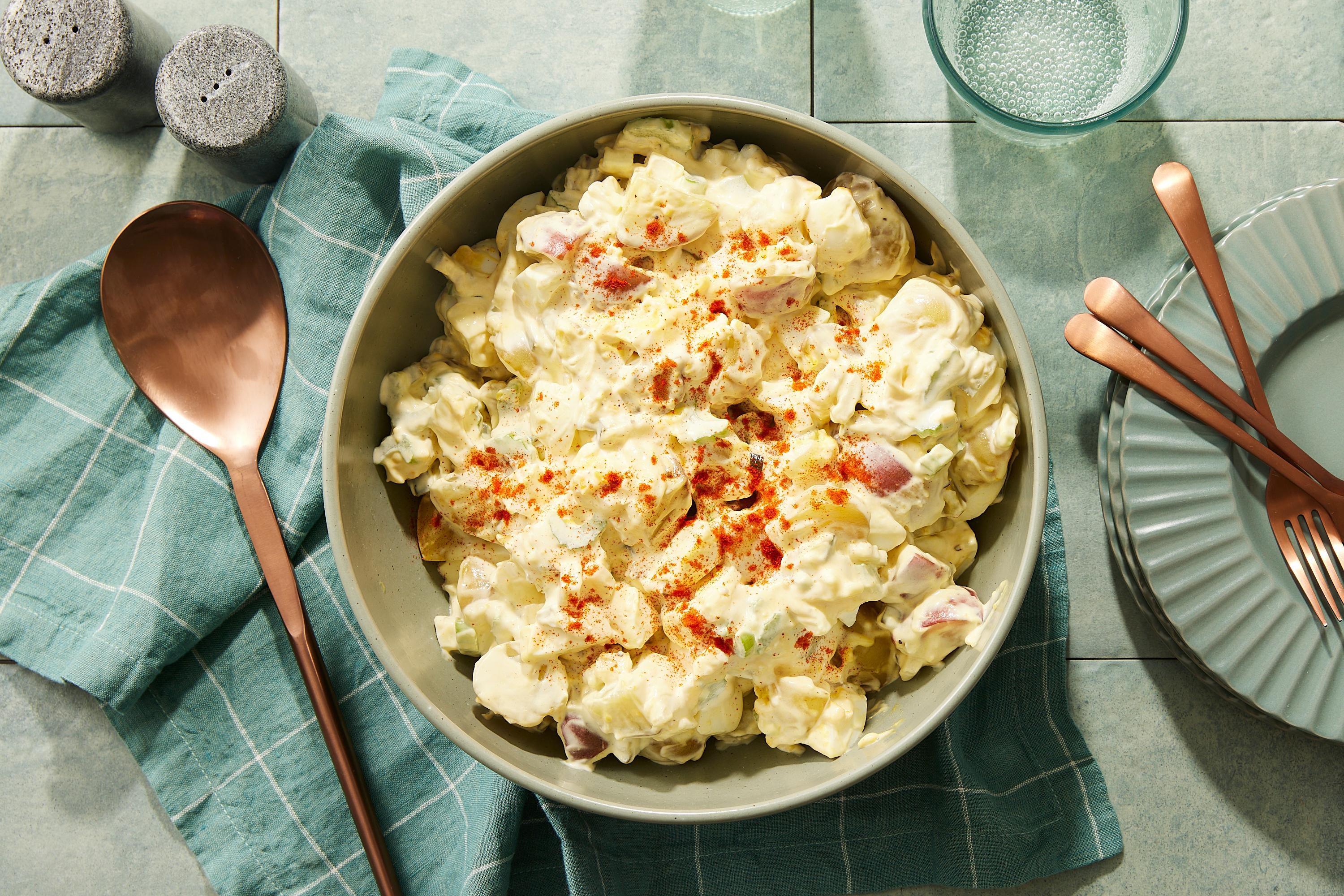

There are two kinds of people at a cookout: the ones who bring potato salad, and the ones who “just happen to be walking by” when the potato salad shows up. This is the kind of classic potato salad recipe that turns polite guests into repeat offenderscreamy, tangy, a little crunchy, and loaded with those old-school mix-ins that taste like summer vacation and paper plates.
Below you’ll get a reliable, make-ahead, picnic-friendly American-style potato salad with mayonnaise, mustard, chopped eggs, celery, and pickles/relish. But you’ll also get the “why” behind the stepsbecause the difference between “legendary BBQ side dish” and “sad tub of mush” is usually one small decision (often made while you’re hungry).
Quick Snapshot
- Style: Classic creamy potato salad (mayo + mustard)
- Serves: 6–8
- Prep time: 20 minutes
- Cook time: 15–20 minutes
- Chill time: At least 1 hour (better at 3–12 hours)
- Best for: Cookouts, potlucks, meal prep, “please bring a side” texts
Ingredients
For the potatoes
- 3 pounds potatoes (see “Best Potatoes” below)
- Kosher salt (for the cooking water)
- 2 tablespoons pickle brine or white vinegar (optional but highly recommended)
For the classic creamy dressing
- 1 cup mayonnaise (use a brand you actually like)
- 2 tablespoons yellow mustard
- 1 tablespoon Dijon mustard (optional, for extra zip)
- 1–2 tablespoons apple cider vinegar (or white vinegar)
- 1–2 teaspoons sugar (optional, balances tanguse less if you prefer it sharper)
- 3/4 teaspoon kosher salt, plus more to taste
- 1/2 teaspoon black pepper
- 1/2 teaspoon celery seed (optional, “classic deli” flavor)
- 1/4 teaspoon smoked or sweet paprika, plus more for garnish
Classic mix-ins
- 4 large hard-boiled eggs, chopped
- 2–3 celery stalks, finely chopped
- 1/3 cup finely chopped onion (sweet onion, yellow onion, or scallions)
- 1/3 cup chopped dill pickles or 1/3 cup sweet pickle relish (choose your team)
- 2 tablespoons chopped fresh parsley or dill (optional, but makes it feel intentional)
Best Potatoes for Potato Salad (and Why It Matters)
Potato salad lives or dies by texture. You want tender potatoes that hold together, but still soak up seasoning instead of tasting like plain boiled regret.
Three great options
- Yukon Gold: Creamy, buttery, and holds its shape well. Great if you like a slightly richer bite.
- Red potatoes: Waxy and sturdyawesome for chunkier salads and potlucks where the bowl gets “stirred” by 14 different spoons.
- Russet: More starchy and absorbent. If you want that classic, slightly crumbly, dressing-soaked deli vibe, russets can deliverjust don’t overcook them.
If you’re the type who wants a single answer: Yukon Gold is the safest “everyone likes it” pick. If you want maximum flavor absorption and don’t mind being extra careful: russets can be fantastic.
Step-by-Step: How to Make Classic Potato Salad
1) Cook the potatoes evenly
- If using large potatoes, peel (optional) and cut into 1-inch chunks. If using small potatoes, you can cook them whole and cut after.
- Put potatoes in a large pot and cover with cold water by about 1 inch. Add a generous handful of salt (the water should taste pleasantly salty).
- Bring to a gentle boil, then reduce to a simmer. Cook 10–20 minutes, depending on size, until a fork slides in easily but the potato isn’t collapsing.
- Drain well. Spread potatoes on a sheet pan (or a wide bowl) so steam can escapethis helps avoid watery potato salad.
2) Season while warm (your secret weapon)
While the potatoes are still warm (not scorching), drizzle with pickle brine or vinegar and toss gently. This small move adds brightness and helps the potatoes taste seasoned all the way through instead of only on the surface.
3) Make the dressing
- In a large bowl, whisk together mayonnaise, yellow mustard, Dijon (if using), vinegar, sugar (if using), salt, pepper, celery seed (if using), and paprika.
- Taste it. It should be a little louder than you thinkchilling and potatoes will soften the flavors. Adjust with a pinch more salt, a splash more vinegar, or a tiny bit more sugar.
4) Add the mix-ins
- Stir in celery, onion, pickles or relish, and herbs.
- Fold in chopped hard-boiled eggs.
5) Combine gently (potato salad, not mashed potatoes)
- Add the warm-to-room-temp potatoes to the bowl of dressing. Fold gently with a spatula.
- If it looks a bit dry, add 1–2 tablespoons more mayo. If it looks too thick, add a spoonful of pickle brine or a splash of milk to loosen.
6) Chill and finish
- Cover and refrigerate at least 1 hour. For the best flavor, chill 3–12 hours so everything can mingle.
- Before serving, taste again. Add salt/pepper as needed. Dust the top with paprika like you’re finishing a masterpiece (because you are).
Flavor Upgrades (That Still Taste “Classic”)
You don’t have to reinvent potato salad. You just have to give it a tiny glow-up that makes people ask, “Wait… what did you put in this?”
Small tweaks, big payoff
- Pickle brine: Adds tang without making it taste “vinegary.”
- Two mustards: Yellow for tradition, Dijon for depth.
- Celery seed: That nostalgic “deli counter” note.
- Fresh herbs: Parsley or dill makes it brighter and less heavy.
- Egg technique: Chop some eggs fine for creaminess, keep a few chunks for texture.
Common Problems (and How to Fix Them Fast)
“My potato salad is watery.”
The potatoes held onto steam/water. Next time, spread them out after draining. For now: stir gently, then refrigerate uncovered for 15 minutes to let extra moisture evaporate, and fold in a spoonful more mayo.
“It tastes bland.”
It’s almost always salt and acid. Add a pinch of salt, then a small splash of vinegar or pickle brine. Taste after each adjustment. Potato salad is a choose-your-own-adventure, not a one-and-done.
“The potatoes turned to mush.”
Overcooked or overmixed. Next time, simmer gently and pull them as soon as they’re fork-tender. For now: call it “creamy smashed potato salad” and garnish confidently with paprika. Confidence is 30% of cooking.
Make-Ahead, Storage, and Food Safety
Classic potato salad is a make-ahead hero. It usually tastes better after a rest because the potatoes absorb the dressing and the flavors get cozy together.
- Make ahead: 1 day ahead is ideal. 2 days ahead is still good, but the texture softens.
- Fridge life: Generally 3–4 days when stored cold in an airtight container.
- Picnic rule: Keep it cold (40°F or below). Don’t let it sit out more than 2 hours or 1 hour if it’s above 90°F outside. When in doubt, nestle the bowl in ice.
And no, the mayonnaise isn’t the only villain in this story. Cooked potatoes are also a perishable food. Treat the whole bowl like it has a bedtime.
Classic Variations (Choose Your Cookout Personality)
Southern-style sweet-and-tangy
Use sweet pickle relish, a touch more sugar, and mostly yellow mustard. Optional but popular: add a little crumbled bacon or a spoonful of sour cream for richness.
Dill-lover’s version
Use chopped dill pickles (not sweet relish), add fresh dill, and lean into pickle brine for tang. Great with grilled chicken or anything smoky.
Lighter “still creamy” option
Replace 1/3 of the mayo with plain Greek yogurt. You’ll keep creaminess with a brighter, slightly tangy finish.
No-egg version
Skip the eggs and add extra celery and herbs. It’s still classic-adjacent, and nobody at the potluck has to whisper “Is there egg in this?” like they’re disarming a bomb.
FAQ
Should I peel the potatoes?
Optional. Peel russets for the most classic texture. Leave skins on Yukon Gold or red potatoes for a rustic look and a little extra bite.
Can I use Miracle Whip?
You canmany families do. If you use it, reduce the added sugar and vinegar because Miracle Whip is already sweeter and tangier than mayonnaise.
Why does potato salad taste better the next day?
Time. The potatoes absorb seasoning, the sharp edges of onion and mustard mellow, and the whole bowl becomes one unified cookout anthem.
Real-World Experiences and Lessons From the Potato Salad Universe (About )
If you’ve ever made potato salad for a gathering, you already know it’s not just a recipeit’s a social experiment. The bowl sits there quietly, looking harmless, and then suddenly you’re watching people “just take a little spoonful” four separate times. Classic potato salad is one of those dishes that triggers memory and opinion in equal measure. Someone will swear it must include sweet relish. Someone else will act like sweet relish personally wronged them in 2009. And somehow, both of these people will end up standing near the bowl, hovering like unofficial lifeguards.
One of the most common “aha” moments people report is realizing that potatoes need seasoning early, not just at the end. When potatoes are warm, they soak up flavor like they’re trying to earn extra credit. When they’re cold, they’re basically like, “New number, who dis?” That’s why a small splash of pickle brine or vinegar right after draining can make a noticeable difference. It’s the kind of small step you don’t appreciate until you’ve tasted the version without it and wondered why it feels flat.
Another real-life pattern: the rush. Potato salad is often made in a hurry because it’s “just a side,” and sides get bullied by the timeline. You’re grilling, cleaning, setting up drinks, answering texts like “Do you need ice?” and suddenly you’re mixing steaming potatoes with mayo because you want to be done. That’s when textures can go sideways. If the potatoes are too hot, the dressing can get oily or thin. If they’re overcooked, one enthusiastic stir turns everything into potato salad pâté. The best practical rhythm is: drain, spread out, season, cool to warm, then fold. It feels slower, but it’s actually faster than trying to rescue a bowl that went off the rails.
Then there’s the “too much mayo” dilemma. It’s easy to add more, harder to take it out. A classic experience is chilling the salad, opening the fridge later, and realizing it tightened up and looks drier than it did. That doesn’t mean you failed; it means the potatoes did their job and absorbed moisture. The move is to refresh it right before serving: a spoonful of mayo, a splash of pickle brine, and a pinch of saltthen fold gently. This last-minute adjustment is what makes your potato salad taste “fresh” even if you made it the day before.
Finally, the cookout reality: temperature matters. The bowl that sits on a sunny table can move from “perfectly chilled” to “questionable life choices” faster than you think. People who bring potato salad a lot often develop simple habits: serving it in a smaller bowl and refilling from the fridge, setting the bowl in a tray of ice, and keeping the lid on between servings. It’s not dramatic; it’s just smart. And the payoff is big: when your classic potato salad stays creamy, tangy, and safe, it becomes the dish that disappears first and the one people request next time.
Conclusion
A truly classic potato salad recipe isn’t complicatedit’s just thoughtful. Cook the potatoes evenly, season them while they’re warm, balance creamy with tangy, and fold everything together like you’re handling something precious (because you are: it’s potato salad). Make it ahead, chill it properly, and don’t be surprised when people ask for “that potato salad recipe” like it’s a family heirloom.