Constipation is one of those health topics that rarely enters polite dinner conversation, yet almost everyone deals with it eventually. One day, your digestive system is quietly doing its job. The next, it seems to have posted an “Out of Office” message without telling you.
Although occasional constipation is usually temporary, persistent symptoms can affect sleep, appetite, concentration, mood, and daily routines. Understanding what constipation actually means, why it happens, and which treatments are appropriate can help you find relief without turning your bathroom cabinet into a miniature pharmacy.
What Is Constipation?
Constipation is a change in bowel function that may involve fewer than three bowel movements per week, hard or lumpy stools, painful passage, excessive straining, or the feeling that stool has not completely passed. Frequency is only part of the picture. A person can have a bowel movement every day and still be constipated if each trip requires heroic effort.
Normal bowel patterns vary considerably. Some healthy adults go more than once a day, while others go only several times a week. What matters most is whether your pattern has changed and whether bowel movements are comfortable, predictable, and reasonably easy to complete.
Occasional Versus Chronic Constipation
Occasional constipation may follow travel, illness, dehydration, a dietary change, stress, or a disrupted routine. Chronic constipation lasts for an extended period or repeatedly returns. Long-term symptoms may result from slow movement through the colon, medication side effects, irritable bowel syndrome with constipation, pelvic floor dysfunction, or another medical condition.
Common Symptoms of Constipation
Constipation does not always look the same from one person to another. Common symptoms include:
- Passing fewer stools than usual
- Hard, dry, cracked, or pellet-like stools
- Straining during bowel movements
- Pain or burning while passing stool
- A sensation of incomplete emptying
- Feeling as though something is blocking the rectum
- Abdominal pressure, cramps, or bloating
- Reduced appetite or feeling unusually full
- Spending a long time on the toilet without results
Small amounts of bright-red blood may appear after a hard bowel movement because of hemorrhoids or a tiny anal tear. However, rectal bleeding should not automatically be blamed on constipation. A healthcare professional should evaluate new, unexplained, recurring, or substantial bleeding.
What Causes Constipation?
Constipation often has more than one cause. A low-fiber lunch may not be a problem by itself, but combine it with too little water, a long day at a desk, ignored bathroom urges, and a constipating medication, and the colon may decide to move at the speed of airport security.
Not Enough Dietary Fiber
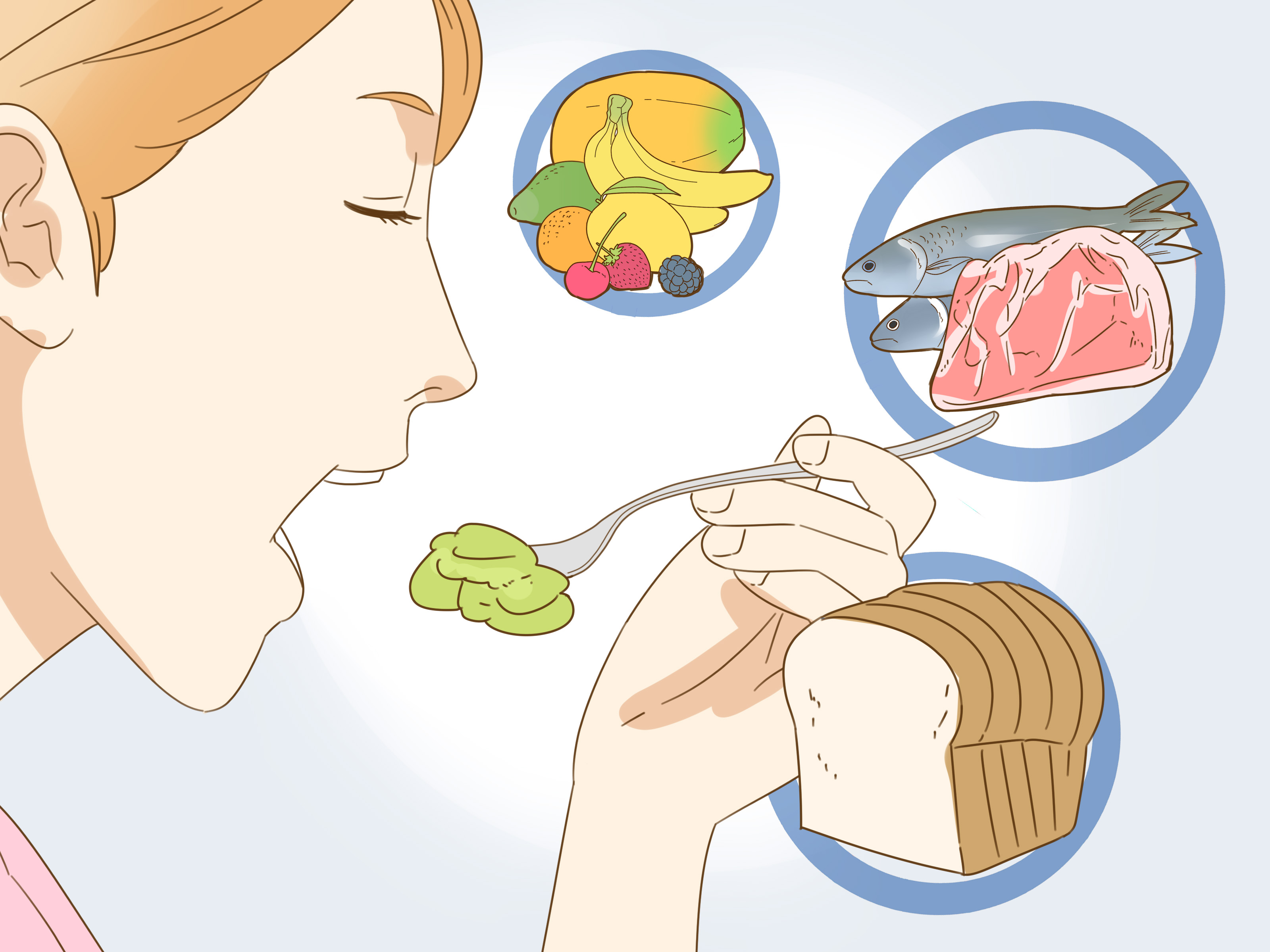
Fiber adds volume to stool and helps it retain water. Fruits, vegetables, beans, lentils, nuts, seeds, and whole grains are useful sources. Diets dominated by refined grains, heavily processed snacks, large amounts of cheese, and low-fiber convenience foods may produce smaller, harder stools.
Increasing fiber too quickly can cause gas and bloating. A gradual increase is usually more comfortable. Fiber also works best when accompanied by enough fluid.
Inadequate Fluid Intake
When the body needs water, the colon may absorb more of it from digestive waste. The resulting stool becomes drier and more difficult to pass. Fluid needs vary according to body size, activity, climate, pregnancy, health conditions, and medication use, so there is no single perfect water target for everyone.
Low Physical Activity
Regular movement can support normal intestinal activity. Constipation is especially common during periods of prolonged sitting, bed rest, recovery from surgery, or reduced mobility. Exercise is not an instant drain cleaner for the colon, but consistent activity can be a useful part of prevention and treatment.
Ignoring the Urge to Go
Repeatedly postponing a bowel movement may allow stool to remain in the colon longer, where it becomes progressively drier. Over time, some people also become less responsive to the body’s signals. Work, school, travel, lack of privacy, and unpleasant public restrooms can all encourage this habit.
Changes in Routine
Travel constipation is common because meals, sleep, activity, hydration, and bathroom access may all change at once. Pregnancy, aging, shift work, illness, emotional stress, and changes in eating habits can also disrupt normal bowel patterns.
Medications and Supplements
Many medicines can slow intestinal movement or produce harder stools. Examples include opioid pain medications, some antidepressants, anticholinergic medicines, certain seizure medications, calcium channel blockers, diuretics, iron supplements, and antacids containing calcium or aluminum.
Never stop a prescription medication simply because constipation appears on its side-effect list. A clinician may adjust the dose, recommend an alternative, or add a preventive bowel regimen.
Medical Conditions
Constipation may accompany hypothyroidism, diabetes, celiac disease, Parkinson’s disease, multiple sclerosis, spinal injuries, irritable bowel syndrome, diverticular disease, or structural problems in the digestive tract. A blockage or tumor is a less common but important possibility, particularly when constipation begins suddenly or appears with warning signs.
Pelvic Floor Dysfunction
Passing stool requires coordination between abdominal pressure, the rectum, the anal sphincter, and pelvic floor muscles. In some people, these muscles tighten when they should relax. This is sometimes called dyssynergic defecation. A person may feel as though they are pushing against a closed door, even when the stool is not especially hard.
Who Is More Likely to Become Constipated?
Anyone can experience constipation, but the risk may be higher among older adults, pregnant people, individuals with limited mobility, people taking several medications, and those whose diets contain little fiber. Constipation is not an inevitable part of aging, though age-related changes in activity, appetite, health, and medication use can increase the likelihood.
When Constipation Requires Medical Attention
Most mild cases improve with sensible self-care. Contact a healthcare professional when constipation is persistent, frequently returns, interferes with normal activities, or does not respond to basic treatment.
Seek prompt medical attention when constipation occurs with:
- Severe or constant abdominal pain
- Marked abdominal swelling
- Vomiting or fever
- An inability to pass gas
- Blood mixed into the stool
- Black or tar-like stool
- Unexplained weight loss
- New weakness, dizziness, or signs of anemia
- A sudden major change in bowel habits
These symptoms may indicate an obstruction, significant bleeding, inflammation, fecal impaction, or another condition requiring evaluation.
How Constipation Is Diagnosed
Diagnosis usually begins with a discussion of symptoms, diet, activity, medications, supplements, medical history, and family history. Keeping a short bowel diary can be surprisingly helpful. Record bowel frequency, stool appearance, straining, pain, bleeding, meals, medications, and treatments tried.
A clinician may examine the abdomen and perform a rectal examination. Depending on the symptoms, additional evaluation may include blood tests for thyroid problems, anemia, diabetes, or celiac disease; stool tests; colonoscopy; imaging; or tests that measure how quickly stool moves through the colon.
When pelvic floor dysfunction is suspected, anorectal manometry, balloon expulsion testing, or defecography may be used to study muscle coordination and rectal emptying. Not every constipated person needs an elaborate collection of tests. Testing is selected according to age, medical history, warning signs, and response to initial treatment.
Constipation Treatments That May Help
Treatment should match the cause, severity, and duration of symptoms. More medicine is not automatically better. In many cases, the most effective plan combines gradual dietary changes, consistent bathroom habits, movement, and an appropriate medication when needed.
Increase Fiber Gradually
Adults generally need roughly 22 to 34 grams of fiber per day, although individual needs differ. Good choices include oats, barley, beans, lentils, pears, berries, apples with the skin, broccoli, peas, sweet potatoes, chia seeds, and whole-grain breads.
Add fiber over several days or weeks instead of attempting a heroic overnight transformation involving three bowls of bran and immediate regret. People with severe bloating, suspected obstruction, certain pelvic floor disorders, or very slow colon transit should ask a clinician whether increasing fiber is suitable.
Drink Enough Fluid
Water and other fluids help fiber soften and bulk the stool. Clear soups and water-rich foods can contribute as well. People with heart failure, kidney disease, liver disease, or medically prescribed fluid restrictions should follow their clinician’s instructions rather than increasing fluid intake independently.
Build a Bathroom Routine
The colon often becomes more active after eating. Sitting on the toilet for a few relaxed minutes after breakfast can take advantage of this natural gastrocolic response. Go when the urge appears, avoid prolonged straining, and do not turn the toilet into a home office.
Placing the feet on a small stool may raise the knees above the hips and create a more favorable position for emptying. Lean slightly forward, keep the abdomen relaxed, and breathe rather than holding your breath and pushing aggressively.
Stay Physically Active
Walking, gentle cycling, swimming, stretching, or another appropriate form of activity may support bowel regularity. Even short movement breaks can be useful for people who sit for much of the day.
Fiber Supplements
Bulk-forming products such as psyllium or methylcellulose may help when food alone does not provide enough fiber. These products generally require adequate fluid and may take more than a day to work. Gas and bloating are possible, particularly when the starting dose is too large.
Osmotic Laxatives
Osmotic products draw water into the intestine, making stool softer and easier to pass. Polyethylene glycol is commonly used for occasional or chronic constipation and is strongly supported in U.S. gastroenterology guidelines for chronic idiopathic constipation. Lactulose and certain magnesium products are other examples.
Magnesium-containing laxatives may not be appropriate for people with kidney disease or certain electrolyte problems. Product labels and professional advice matter.
Stimulant Laxatives
Bisacodyl and senna encourage intestinal contractions. They may be useful as short-term or rescue treatments, but can cause cramping or diarrhea. Their role depends on the individual and the specific product; they should be used as directed rather than taken in escalating amounts because yesterday’s dose failed to produce fireworks.
Stool Softeners, Suppositories, and Enemas
Stool softeners are sometimes recommended when straining should be avoided, although they may not be powerful enough for established chronic constipation. Suppositories or enemas can act more directly in the rectum but should not become a routine habit without medical guidance. Incorrect or excessive use may cause irritation, electrolyte disturbances, or injury.
Prescription Treatments
When over-the-counter options fail, a clinician may consider medications such as lubiprostone, linaclotide, plecanatide, or prucalopride. These treatments work through different mechanisms to increase intestinal fluid, improve stool passage, or stimulate colon movement. The best option depends on symptoms, other medical conditions, side effects, insurance coverage, and previous treatments.
Pelvic Floor Biofeedback
Biofeedback therapy can be particularly effective when constipation results from poorly coordinated pelvic floor muscles. A specially trained therapist uses exercises and feedback from sensors to help the patient learn how to relax and coordinate the muscles used during defecation. This is different from simply doing more Kegel exercises, which may worsen the problem if the muscles are already too tight.
Treatment for Opioid-Induced Constipation
Opioid pain medicines can significantly slow bowel function. A preventive regimen may be needed from the beginning of treatment. Some patients require prescription medications that specifically block opioid effects in the digestive tract while preserving pain relief elsewhere. This should be managed with the prescribing clinician.
Possible Complications
Persistent straining and hard stools can contribute to hemorrhoids, anal fissures, rectal prolapse, or fecal impaction. An impaction is a large, hardened mass of stool that cannot be passed normally. Liquid stool may leak around it, creating what looks like diarrhea even though the rectum remains blocked.
Attempting to remove an impaction at home can cause injury. Significant rectal pain, abdominal swelling, leakage, confusion in an older adult, or inability to pass stool and gas requires medical attention.
Practical Experiences: What Constipation Often Feels Like in Real Life
The following composite examples illustrate experiences commonly associated with constipation. They are not individual medical histories, and they should not be used to diagnose a specific person.
The Traveler Who Lost the Routine
A business traveler normally has a bowel movement after breakfast. During a four-day conference, breakfast becomes coffee and a pastry eaten while answering emails. Water intake drops, restaurant meals replace vegetables and whole grains, and bathroom urges are postponed between meetings. By the third day, the traveler feels bloated and uncomfortable.
The lesson is not that travel is dangerous to the colon. It is that several small changes can pile up. Packing a refillable water bottle, choosing fruit or oatmeal at breakfast, walking between sessions, and responding to the first bathroom urge may prevent the digestive system from joining a labor union.
The Person Who Added Too Much Fiber
Another person reads that fiber helps constipation and immediately doubles down on bran cereal, beans, raw vegetables, chia seeds, and a large psyllium supplement. Unfortunately, fluid intake remains unchanged. The next day brings pressure, gas, and enough abdominal noise to qualify as experimental jazz.
Fiber often helps, but more is not always better, especially when added suddenly. A gradual increase gives intestinal bacteria time to adapt. It also makes it easier to identify which foods feel comfortable and which ones produce excessive bloating.
The Medication Clue
A patient develops constipation shortly after starting an iron supplement. Instead of mentioning it, the patient tries several laxatives, cuts meals, and worries about a serious intestinal disease. During a routine appointment, the timeline becomes obvious. The clinician adjusts the treatment plan and recommends a suitable bowel regimen.
This experience highlights the value of reviewing every medication and supplement, including products purchased without a prescription. “Natural,” “vitamin,” and “available next to the shampoo aisle” do not mean “incapable of affecting digestion.”
The Bathroom Position Discovery
Some people report spending 20 minutes straining, yet never feel completely empty. They add more fiber, drink more water, and walk daily, but the sensation persists. Raising the feet on a small stool, leaning forward, and relaxing the pelvic floor helps a little, but symptoms continue.
Evaluation eventually reveals a defecation disorder rather than a simple lack of fiber. Pelvic floor therapy and biofeedback address the coordination problem directly. The important lesson is that stubborn constipation is not always caused by poor habits, and repeatedly telling someone to “eat more roughage” may miss the actual issue.
The Value of a Bowel Diary
A person with unpredictable symptoms believes constipation occurs randomly. A two-week record shows a different story: symptoms become worse on workdays, when breakfast is skipped, water intake is low, and bathroom urges are ignored until evening. Weekends are more comfortable because meals and bathroom time are less rushed.
The diary does not magically cure constipation, but it converts a vague complaint into useful information. Patterns involving food, stress, medications, menstrual cycles, travel, or physical activity become easier to recognize. It also gives a healthcare professional a clearer starting point than the memorable but medically imprecise statement, “My stomach has been weird lately.”
What These Experiences Have in Common
Constipation management usually works better when it is consistent rather than dramatic. Gentle daily habits often outperform occasional emergency efforts. Gradually increasing fiber, drinking appropriate amounts of fluid, making time for bowel movements, moving regularly, and choosing medications carefully can produce meaningful improvement.
At the same time, no one should blame themselves when lifestyle changes are not enough. Chronic constipation may involve intestinal transit, nerve function, medication effects, pelvic floor coordination, or an underlying disease. Seeking medical help is not an admission that you have failed at eating vegetables. Sometimes the colon needs a specialist, not another motivational speech.
Conclusion
Constipation is more than simply missing a daily bowel movement. Hard stools, straining, incomplete emptying, abdominal discomfort, and a meaningful change from your normal pattern all matter. Occasional cases often improve with gradual fiber intake, appropriate hydration, physical activity, regular bathroom habits, and carefully selected over-the-counter treatment.
Persistent or severe constipation deserves professional evaluation, particularly when it is accompanied by bleeding, vomiting, weight loss, fever, intense pain, or an inability to pass gas. The goal is not to force the digestive system into an identical schedule every day. It is to achieve comfortable, sustainable bowel function without turning every trip to the bathroom into an endurance event.