
Note: This article is written in original American English and synthesizes real design information from reputable kitchen, architecture, and interiors sources, including official brand information and leading U.S. design publications. No source links or content reference tags are included so the HTML is ready for web publishing.
Copenhagen has a special talent for making practical things look unfairly elegant. A bicycle becomes a lifestyle statement. A chair becomes a museum piece. A trash can becomes, somehow, an icon. So it makes perfect sense that one of the city’s coolest kitchen systems would come from Vipp, the Danish design company that began in 1939 with a pedal bin and eventually decided, “Why stop at the thing under the sink when we could design the whole kitchen?”
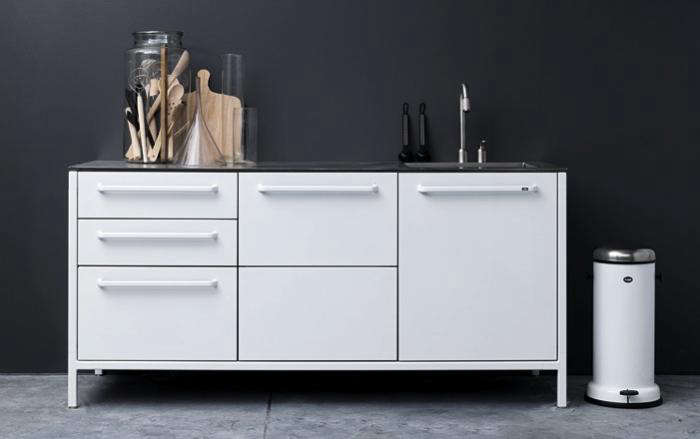
The result is the Vipp kitchen system: a modular, furniture-like kitchen concept built around steel, precision, and the kind of quiet confidence that does not need decorative knobs yelling for attention. It is industrial without feeling cold, minimalist without being boring, and practical enough to survive actual cooking rather than just looking handsome in a photo shoot with one lonely lemon on the counter.
For homeowners, designers, and renovation daydreamers, Copenhagen’s coolest new kitchen system is not just about black steel cabinets or sculptural islands. It represents a bigger shift in modern kitchen design: away from bulky built-ins and toward adaptable, long-lasting, beautifully engineered workspaces. Think of it as the kitchen equivalent of a great tailored jacket. Clean lines, serious construction, and somehow flattering in every room.
What Is the Vipp Kitchen System?
The Vipp kitchen system is a modular kitchen concept designed in Copenhagen and built around functional units that can be combined in different configurations. Instead of treating cabinetry as a fixed wall-to-wall installation, Vipp approaches the kitchen as a series of architectural building blocks: islands, wall units, tall storage modules, and seating-friendly variations.
The original Vipp V1 kitchen is known for its black powder-coated steel frame, stainless steel worktop, raised legs, and professional-kitchen attitude. Later models expanded the idea with warmer and more refined material palettes, including oak veneer, anodized aluminum, reeded glass, and all-stainless-steel construction. Across the collection, the idea remains consistent: a kitchen should be durable, highly functional, and visually disciplined.
In other words, this is not a kitchen that begs for seasonal decor to look complete. It is already complete. Add a cutting board, a pot of basil, and maybe a slightly smug espresso machine, and you are basically living inside a Scandinavian design editorial.
Why Copenhagen Keeps Leading Kitchen Design
Copenhagen design is admired because it understands the difference between minimal and empty. A great Danish kitchen does not remove personality; it removes clutter, confusion, and everything that makes cooking feel like negotiating with a cabinet door.
The best Scandinavian kitchens usually share a few principles: honest materials, clean silhouettes, natural light, smart storage, and comfort that does not need to announce itself. Vipp fits neatly into that philosophy. Its kitchen system borrows the resilience of a commercial workspace, then softens it with furniture proportions and carefully controlled details.
Function Comes First
The Vipp kitchen looks sleek, but its appeal starts with function. Stainless steel is hygienic, heat-resistant, and easy to clean. Raised legs make the modules feel lighter and more like freestanding furniture. Integrated drawers and carefully planned interiors support everyday use rather than showroom theatrics.
Materials Do the Decorating
Instead of relying on ornate trim, the kitchen uses steel, aluminum, oak, stone, and glass to create visual interest. This is a very Copenhagen move: let the material speak, but ask it to use an indoor voice.
Modularity Makes It Flexible
Traditional kitchen renovations often feel permanent in the most stressful way. Vipp’s modular approach is more adaptable. A compact apartment might use a wall module and a small island. A large open-plan home might combine tall storage with a long island and seating. The system works because the parts are designed to speak the same language.
The Signature Look: Industrial, Minimal, and Surprisingly Warm
At first glance, the Vipp kitchen system looks almost professional. Stainless steel surfaces, dark frames, and handle-free fronts create a clean and efficient mood. But spend more than ten seconds with it and the softness appears. The proportions are elegant. The legs give it air. The finishes patina over time. The kitchen does not feel like a restaurant line; it feels like a serious home kitchen for someone who owns good knives and knows where the salt is.
This balance is why the system has become so influential. Many modern kitchens try to look luxurious by adding more: more marble, more lights, more hardware, more dramatic veining, more “statement.” Vipp goes the other direction. It reduces the noise until only the useful and beautiful parts remain.
Key Features That Make the System Stand Out
1. Modular Building Blocks
The Vipp kitchen is organized around modules rather than custom cabinetry built from scratch for every wall. Depending on the model, homeowners can choose from islands, wall units, tall units, narrow islands, and seating configurations. This building-block logic makes planning easier and helps the kitchen feel more like a composed piece of furniture than a pile of boxes wearing countertops.
2. Durable Steel Construction
Steel is central to Vipp’s identity. The brand’s first famous product was a metal pedal bin, and that manufacturing heritage is visible in the kitchen. Powder-coated steel, stainless steel, and anodized aluminum create a sense of permanence. These materials are not trying to look delicate. They are trying to survive breakfast, dinner, guests, kids, spills, and the mysterious sticky patch that appears near the coffee machine.
3. Raised Furniture-Like Legs
Many Vipp kitchen modules sit on legs, which changes the whole feeling of the room. Instead of heavy cabinetry planted on the floor, the kitchen appears lighter and more architectural. The small shadow line underneath also adds depth, which is one reason the system photographs so beautifully.
4. Integrated Details
The kitchen avoids visual clutter with concealed or integrated handles, precise drawer systems, and clean front panels. In later models, reeded aluminum and glass create texture without sacrificing simplicity. The result is minimalism with a pulse.
5. A Professional Worktop Mindset
Stainless steel countertops are practical for serious cooking because they tolerate heat, water, and heavy use. They will show scratches and patina over time, but that is part of the appeal. A stainless steel kitchen ages like a beloved tool, not like a plastic gadget that looks tired after three months.
How It Fits 2025 and 2026 Kitchen Trends
The Vipp kitchen system may have Copenhagen roots, but its ideas align closely with what American homeowners and designers are asking for now: smarter layouts, reduced clutter, warmer minimalism, durable materials, and kitchens that work for cooking, gathering, and everyday living.
Clutter Reduction
Kitchen design has moved away from open chaos. People still love beautiful objects, but they do not want every mug, blender, and half-used bag of chia seeds on display. Vipp’s clean fronts and integrated storage support the current demand for calmer, better-organized kitchens.
Multifunctional Islands
The kitchen island has become a prep zone, dining table, homework station, buffet, laptop desk, and emotional support surface. Vipp’s island modules fit this multifunctional lifestyle, especially when paired with seating or end-seating options.
Stainless Steel Revival
Stainless steel is having a major design comeback, not only in appliances but in counters, cabinet fronts, and full kitchen systems. The appeal is obvious: it is durable, hygienic, recyclable, and visually sharp. It also plays nicely with wood, stone, plaster, and tile.
Warm Minimalism
Pure white kitchens once dominated renovation mood boards, but many homeowners now want kitchens with more texture and soul. Vipp’s newer material palettes, especially oak and anodized aluminum combinations, reflect this shift toward warm minimalism.
Vipp V1, V2, V3, and V4: A Quick Guide
The original V1 kitchen remains the most recognizable: black powder-coated steel, stainless steel, and an industrial character that feels both disciplined and dramatic. It is the “black turtleneck” of kitchen systems: serious, stylish, and slightly intimidating in the best way.
The V2 kitchen introduces more natural warmth, combining oak veneer with anodized aluminum and refined cabinet fronts. It keeps the modular DNA of the original but feels softer and more residential.
The V3 kitchen pushes the aluminum language further, creating a sleek, architectural effect with a crisp metallic rhythm. It is especially striking in contemporary spaces where the kitchen is meant to behave like a sculptural object.
The V4 kitchen returns to an all-metal idea, emphasizing stainless steel durability and the professional kitchen spirit. It is direct, resilient, and made for people who believe a kitchen should be used, not tiptoed around.
Who Is This Kitchen System Best For?
The Vipp kitchen system is ideal for design-conscious homeowners who want a kitchen that feels architectural, durable, and highly edited. It works especially well in lofts, modern apartments, renovated townhouses, minimalist homes, and open-plan spaces where the kitchen is visible from the living area.
It is also a strong choice for people who cook often and dislike fussy materials. If you want a kitchen that can handle olive oil splashes, hot pans, coffee spills, and the occasional dramatic dinner-party moment, stainless steel and powder-coated metal make a persuasive argument.
However, this system may not be the right match for someone who wants traditional raised-panel cabinets, decorative moldings, farmhouse detailing, or a soft cottage look. Vipp can feel warm, but it is not quaint. It is more “Copenhagen apartment with excellent lighting” than “grandma’s pie cooling on a gingham windowsill.”
How to Bring the Look Home Without Buying the Whole System
Not every renovation budget can casually absorb a high-end Danish kitchen system. Fortunately, the Vipp look can inspire smaller design decisions.
Use Stainless Steel Strategically
A stainless steel countertop, backsplash, shelf, or appliance wall can bring professional polish without replacing every cabinet. Pair it with wood to keep the space from feeling too clinical.
Choose Simple Cabinet Fronts
Flat-panel cabinets in black, charcoal, warm gray, oak, or deep green can create a Scandinavian foundation. Keep hardware minimal or choose integrated pulls for a cleaner effect.
Add Furniture-Like Elements
A freestanding island, cook’s table, or open metal shelving unit can echo the modular idea. The goal is to make the kitchen feel collected and flexible, not boxed in.
Limit the Palette
Vipp kitchens work because they do not try to do everything at once. Choose two or three core materials and repeat them with confidence. For example: oak, stainless steel, and matte black. That is a full design sentence. No need to add glitter tile as punctuation.
Design Lessons from Copenhagen’s Coolest Kitchen System
The biggest lesson from the Vipp kitchen is that a kitchen can be both practical and poetic. It does not need decorative drama to feel special. It needs proportion, material honesty, and details that make daily routines easier.
Another lesson is that durability is a design feature. A kitchen that ages well is more sustainable than one that looks trendy for three years and then begins begging for a makeover. Steel, wood, stone, and aluminum have staying power because they are real materials with real behavior.
Finally, Vipp reminds us that the kitchen is not just a room of cabinets. It is a system of actions: washing, chopping, cooking, storing, serving, gathering, cleaning, repeating. Good design respects those actions. Great design makes them feel almost elegant, even when you are reheating leftovers in sweatpants.
Experience: Living With a Copenhagen-Inspired Kitchen System
Imagine walking into the kitchen early in the morning. The room is quiet, the counters are clear, and the first thing you notice is not decoration but calm. The steel surface catches a little light from the window. A coffee grinder sits exactly where it should. The drawers close with that satisfying, well-engineered softness that makes you briefly believe your whole life is under control.
That is the emotional appeal of a Copenhagen-inspired kitchen system. It changes the rhythm of the room. Instead of hunting for a spatula in a drawer full of mystery objects, you begin to organize around use. Pots live near the cooktop. Knives live near the prep zone. Oils and spices have a logical home. Cleaning supplies are hidden, because adulthood is hard enough without staring at dish soap during dinner.
The first real experience is visual discipline. A modular kitchen like Vipp’s encourages you to edit. You stop keeping five chipped mugs because “someone might need them someday.” You become suspicious of novelty gadgets. You look at a banana slicer and think, respectfully, no. This does not mean the kitchen becomes cold or joyless. Actually, it often becomes more personal because the few things left visible are the things you truly use and love: a ceramic bowl, a favorite pan, a wooden board, a small lamp, a stack of linen napkins.
The second experience is confidence while cooking. Stainless steel has a liberating quality. It is not precious. You can set down a hot pan, wipe up sauce, roll pastry, prep vegetables, and clean the surface without treating it like a museum artifact. Yes, it will mark over time. But those fine scratches and soft changes are not failures; they are evidence. A kitchen without signs of use is a stage set. A kitchen with patina has stories.
The third experience is flexibility. A modular system supports changing habits. Maybe the island becomes a breakfast spot during the week and a serving station on weekends. Maybe the tall unit absorbs pantry storage after a family grows. Maybe a compact wall module makes a small apartment feel intentional rather than compromised. Good modular design gives the room options, which is useful because real life has a rude habit of evolving after the renovation is finished.
The fourth experience is social. People gather around kitchens that feel comfortable and functional. A Copenhagen-style kitchen does not need to shout for attention; it invites people in through ease. Friends lean against the island. Someone pours wine. Someone else asks where the plates are and finds them on the first try, which is basically a miracle. The space supports hospitality without turning the host into a frantic air-traffic controller.
And finally, there is the long-term experience: satisfaction that does not fade quickly. Trend-heavy kitchens can feel dated the minute the next color report appears. A well-made modular kitchen in steel, oak, aluminum, or stone has a slower clock. It is not chasing novelty. It is built around use, restraint, and proportion. That is why Copenhagen’s coolest kitchen system still feels fresh: it is less about looking new and more about staying useful, beautiful, and quietly impressive year after year.
Conclusion
Copenhagen’s coolest new kitchen system is cool not because it tries to be flashy, but because it understands what modern kitchens actually need. The Vipp modular kitchen blends industrial strength with Scandinavian restraint, turning steel, oak, aluminum, and stone into a practical design language for real homes.
Its appeal is bigger than one brand. It captures where kitchen design is heading: toward modular planning, durable materials, reduced clutter, multifunctional islands, and warmer minimalism. Whether you are planning a full renovation or simply borrowing ideas for a smaller upgrade, the lesson is clear. Build a kitchen around the way you live, choose materials that can handle the evidence of living, and let the design be calm enough that dinner can be the loudest thing in the room.