
Note: This publish-ready article is based on current U.S. conversations around interior design, wellness-focused homes, sustainable materials, biophilic design, adaptable living, and personality-rich spaces.
Every era has its design crush. Some years flirt with shiny minimalism. Others fall dramatically into the arms of maximalist wallpaper, velvet sofas, and lamps that look like they have their own agent. Right now, the obsession is more grounded, more useful, andthankfullyless likely to make your living room feel like a furniture showroom that forgot humans exist. Welcome to the world of vital designs: interiors, objects, and home choices that feel alive, supportive, beautiful, and genuinely livable.
The phrase “Current Obsessions: Vital Designs” captures a major shift in how people are thinking about home. A beautiful room is no longer enough. We want rooms that help us sleep better, breathe easier, host more comfortably, work more sanely, and recover from the daily circus of modern life. Design is moving away from “look, but do not touch” and toward “come in, sit down, charge your phone, drink your tea, and please admire the excellent lamp.”
Vital design is not one single aesthetic. It can be warm minimalism, biophilic luxury, soulful vintage, spa-inspired bathrooms, color-drenched rooms, smart lighting, natural materials, or flexible family spaces. What ties it all together is intention. Every choice has a job: to support well-being, add beauty, reduce friction, express personality, or make the home work harder without looking like it is trying too hard.
What Are Vital Designs?
Vital designs are spaces and products that bring energy, comfort, health, and meaning into everyday life. They are not simply trendy. They are useful trends with staying power. A curved sofa that encourages conversation? Vital. A low-VOC paint color that makes a bedroom feel calm? Vital. A kitchen island that doubles as homework station, dinner-prep zone, and midnight-snack headquarters? Extremely vital, especially if snacks are involved.
The core idea is simple: good design should improve life. It should not just photograph well for five seconds on a sunny Tuesday. Vital design looks good, feels good, and functions well across real routines. It respects the body, the senses, the planet, and the personality of the people who live with it.
Why Vital Design Is Having a Moment
Home has become more than a place to sleep. It is an office, gym, classroom, restaurant, retreat, entertainment zone, and sometimes a very judgmental storage unit. As daily life has become more flexible and more digitally intense, people are craving spaces that feel stabilizing. That is why wellness design, sustainable materials, layered lighting, and nature-inspired interiors are moving from luxury wish lists into mainstream home planning.
Homeowners are also more informed. They care about indoor air quality, durable materials, climate-conscious choices, and furniture that will not feel outdated after one algorithm cycle. Instead of buying a whole new look every season, many people are investing in pieces that last, mixing old and new, and choosing materials that age with character. In other words, the home is becoming less disposable and more personal.
The Big Current Obsessions in Vital Design
1. Biophilic Design That Goes Beyond “Add a Plant”
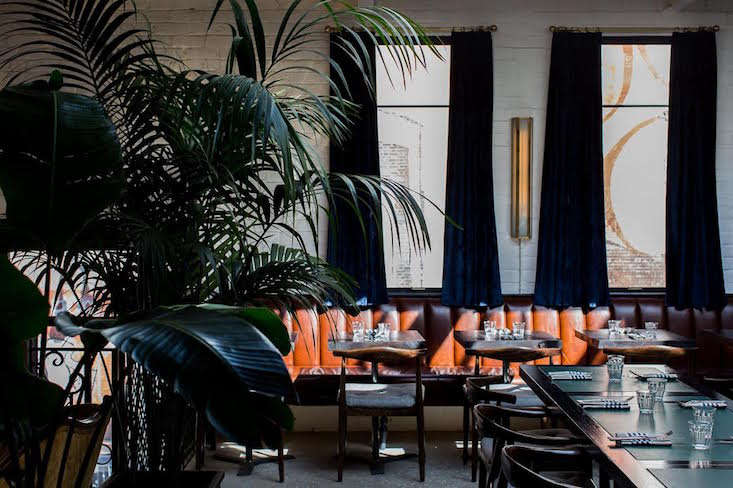
Biophilic design is one of the strongest pillars of vital interiors. At its simplest, it means bringing nature into the home through light, plants, natural materials, organic shapes, earthy colors, and outdoor views. But the modern version has grown up. It is no longer just a lonely fiddle-leaf fig standing in the corner like it got invited to the wrong party.
Today’s biophilic interiors use layered greenery, wood grain, stone textures, linen, clay, water-inspired colors, and large windows to create a sense of calm. A bedroom might use soft moss green walls, oak nightstands, cotton bedding, and warm dimmable lighting. A kitchen might pair stone counters with wood cabinetry and herb planters near the window. A bathroom might use pebble tile, warm plaster, and a leafy view to feel like a private spa instead of a tile box with plumbing.
The best part? Biophilic design works at every budget. You can start with natural fabrics, woven baskets, warm wood frames, and better window treatments before moving into larger renovations. The goal is not to turn your living room into a greenhouse. The goal is to make the home feel more connected, breathable, and alive.
2. Wellness Rooms and Recovery Corners
Wellness design is one of the clearest examples of vital design in action. Homeowners are creating spaces dedicated to rest, movement, mindfulness, and recovery. Not every home has room for a full yoga studio or sauna, but almost every home can create a small reset zone.
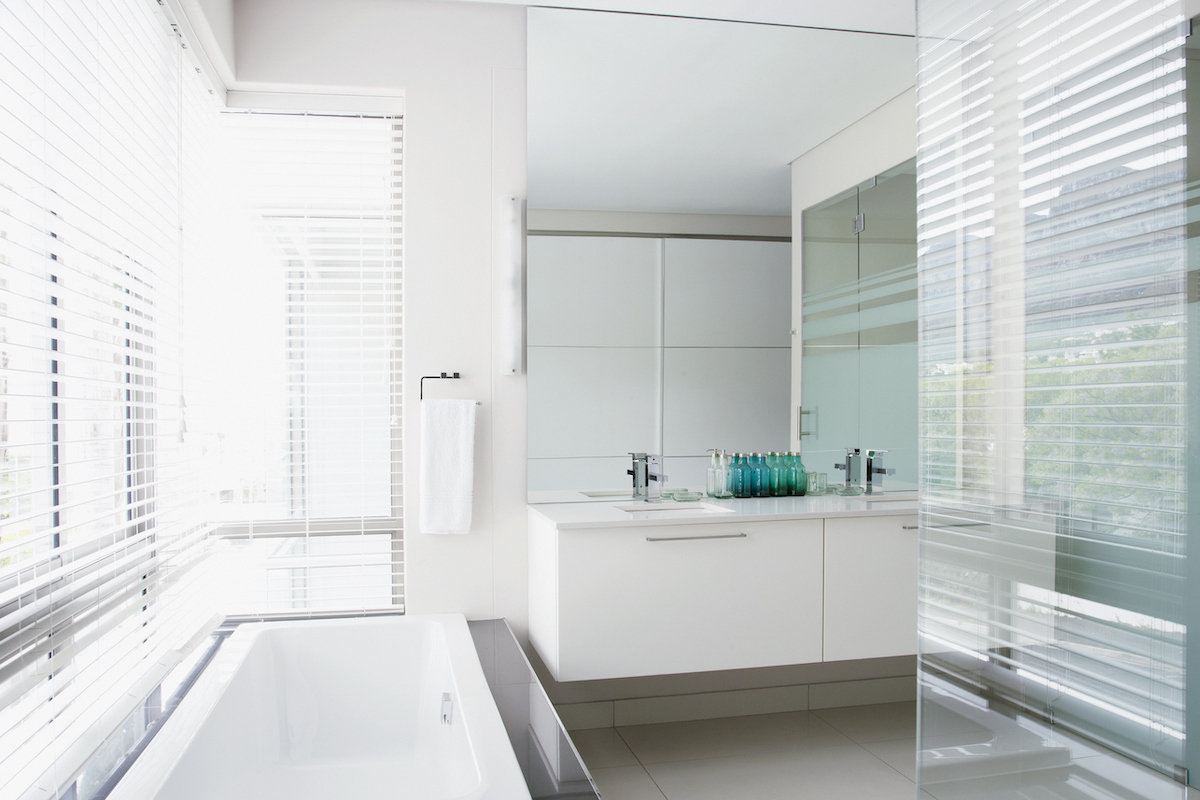
A wellness corner might include a comfortable chair, soft lamp, small side table, calming art, and a basket for books or journals. A bedroom might prioritize blackout curtains, breathable bedding, and a phone-free nightstand. A bathroom renovation might include a soaking tub, steam shower, heated floors, or simply better storage that stops the countertop from looking like a beauty-product traffic jam.
The important shift is that wellness is no longer treated as decoration. It is built into the layout. Designers are thinking about how light changes throughout the day, how sound travels, how clutter affects stress, and how materials feel under bare feet. Vital design understands that the body notices everything, even when the brain is pretending it is fine.
3. Natural and Low-Impact Materials
Vital design has a strong material conscience. Homeowners are paying closer attention to what things are made of, how long they last, and how they affect indoor spaces. Natural stone, FSC-certified wood, cork, bamboo, wool, linen, recycled glass, reclaimed timber, and low-VOC finishes are becoming more desirable because they combine beauty with responsibility.
This does not mean every home needs to look like a rustic cabin with excellent Wi-Fi. Natural materials can feel sleek, modern, traditional, coastal, industrial, or luxurious depending on how they are used. A walnut vanity can feel elegant. A cork wall can feel contemporary. A marble remnant can become a small but glamorous shelf. Reclaimed wood can bring instant soul to a new build that otherwise looks like it was assembled by a very polite robot.
Durability matters too. A vital design choice is one that can withstand daily life. Materials that scratch beautifully, patina gracefully, or repair easily often offer better long-term value than fragile finishes that require everyone in the house to behave like museum visitors.
4. Color With Emotional Intelligence
Color is back, but it is not random chaos. The current obsession is color with purpose. Deep greens, oxblood, burgundy, warm terracotta, clay, chocolate brown, soft yellow, smoky blue, and mineral teal are showing up because they create mood. They make rooms feel enveloping, layered, and memorable.
Color drenchingpainting walls, trim, doors, and sometimes ceilings in the same tonehas become especially popular for creating atmosphere. A small powder room in aubergine can feel jewel-box dramatic. A home office in deep olive can feel focused and grounded. A bedroom in warm beige-pink can feel cozy without slipping into sugar-cookie territory.
The vital design approach to color is not “paint everything bright because dopamine.” It is more thoughtful. Ask what the room needs to do. Should it energize, calm, focus, welcome, or cocoon? Then choose colors that support that feeling. A kitchen may benefit from warm wood and soft green. A dining room may shine in burgundy with brass accents. A kid’s room can be cheerful without looking like a crayon factory exploded.
5. Curves, Soft Geometry, and Comfort-First Forms
Rigid minimalism is loosening its tie. Softer silhouettes are everywhere: curved sofas, rounded islands, arched doorways, pill-shaped mirrors, sculptural chairs, and organic tables. These forms make spaces feel more human and less like a spreadsheet became architecture.
Curves are especially useful in open-plan rooms because they help movement feel natural. A round dining table improves conversation. A curved sectional softens a large living room. A rounded vanity can make a bathroom feel more graceful and less boxy. Even small detailsarched cabinet doors, rounded hardware, scalloped edgescan make a space feel more relaxed.
Comfort-first design does not mean sloppy. It means elegance that welcomes people. The sofa should be beautiful, yes, but it should also pass the “can I watch a movie here without regretting my life choices?” test.
6. Smart Lighting That Supports Real Life
Lighting is one of the most powerful tools in vital design. A room can have expensive furniture and still feel terrible under harsh overhead light. The modern lighting obsession is layered, adjustable, and mood-aware.
A well-designed room uses ambient lighting, task lighting, and accent lighting together. That might mean recessed ceiling lights on dimmers, a reading lamp by the sofa, under-cabinet lighting in the kitchen, picture lights over art, and warm sconces in the hallway. Smart bulbs and automated shades can also help adjust brightness throughout the day.
The best lighting designs support routine. Bright, clean light helps with cooking and morning tasks. Warmer light helps the body wind down in the evening. Accent lighting adds depth and drama. A single ceiling fixture in the center of the room is rarely enough. It is the lighting equivalent of seasoning food with only one grain of salt and calling it dinner.
7. The Return of Craft, Vintage, and Soul
Vital design is not obsessed with perfection. In fact, many of the most loved interiors now include vintage pieces, handmade ceramics, antique lighting, inherited furniture, and objects with visible texture. These pieces give a room memory. They make it feel collected rather than purchased in one panicked weekend.
The grandmillennial revival, Neo Deco touches, dark wood furniture, patterned textiles, and traditional details all point to the same desire: people want homes with story. A vintage mirror over a modern console can add instant character. A handwoven rug can warm up a clean-lined room. A ceramic lamp with a slightly irregular glaze can feel more interesting than something too perfect.
This is also a sustainable move. Reusing existing furniture and buying vintage reduces waste while adding uniqueness. Plus, vintage pieces are often better made than fast furniture. The old cabinet may have a few scratches, but so do most interesting people.
8. Flexible Rooms That Adapt
Vital design accepts reality: rooms now need to multitask. A guest room may also be a home office. A dining area may double as a project zone. A mudroom may need to handle shoes, sports gear, backpacks, packages, pet supplies, and one mysterious reusable bag no one remembers buying.
The key is designing flexibility without chaos. Built-in storage, folding desks, sleeper sofas, nesting tables, sliding doors, wall beds, and modular furniture can make a room more adaptable. Zoning also helps. Rugs, lighting, shelving, and furniture placement can create “areas” within one room so each activity feels intentional.
Instead of asking a home to be bigger, vital design asks it to be smarter. That is especially useful in apartments, townhomes, and smaller houses where every square foot needs to earn its keep.
Vital Design by Room
Living Room: Comfort With Character
The vital living room is layered, welcoming, and personal. Start with seating that supports real lounging, then add texture through rugs, pillows, throws, and window treatments. Choose a coffee table that can handle books, snacks, remotes, and the occasional emergency laptop session. Add dimmable lighting and at least one piece that sparks conversation, whether it is a vintage chair, large artwork, sculptural lamp, or dramatic wall color.
Kitchen: The Hardworking Heart
The kitchen is moving toward warmth and performance. Natural wood cabinets, quartzite-style surfaces, smarter storage, workstation sinks, concealed appliances, and better task lighting all support daily life. Vital kitchen design also encourages healthier routines: visible fruit bowls, organized pantry zones, easy-access cookware, and comfortable seating that makes people want to gather.
Bathroom: The Everyday Retreat
The bathroom is becoming one of the most wellness-focused rooms in the home. Spa-like features are popular, but the real magic is practical: excellent ventilation, layered lighting, slip-resistant flooring, warm materials, easy-clean surfaces, and storage that keeps visual clutter under control. Even a small bathroom can feel restorative with a calming palette, a curved mirror, plush towels, and lighting that does not make everyone look like they are being interrogated.
Bedroom: Sleep as a Design Priority
A vital bedroom supports rest first. That means comfortable bedding, limited clutter, calming color, blackout or light-filtering window treatments, and lighting that can shift from functional to soothing. Natural fibers, soft rugs, and quiet storage solutions can help the room feel peaceful. The bedroom should not be a second office with a mattress in it. It deserves better. So do you.
Entryway: The Small Zone With Big Responsibility
The entryway sets the tone for the entire home. It also catches the daily avalanche of keys, shoes, mail, bags, and “I’ll put this away later” objects. Vital entry design includes hooks, closed storage, a landing tray, durable flooring, a mirror, and warm lighting. Add personality with art, wallpaper, or a beautiful bench. Function first, then flourish.
How to Bring Vital Design Into Your Home Without Renovating Everything
You do not need to knock down walls or develop a suspiciously close relationship with a contractor to embrace vital design. Start with small changes that improve daily experience.
First, fix lighting. Add lamps, dimmers, and warmer bulbs where needed. Second, reduce visual clutter by creating proper landing zones. Third, bring in natural texture with wood, linen, cotton, wool, rattan, ceramic, or stone. Fourth, choose one color moment that adds emotion, such as a painted ceiling, bold powder room, or deep-toned reading nook. Fifth, upgrade the materials you touch every day: bedding, towels, cabinet hardware, rugs, and seating.
Finally, edit your home with honesty. Keep what works, repair what you love, donate what no longer fits, and stop buying filler decor that exists only because a shelf looked lonely. A little empty space is not a design failure. It is breathing room.
Common Mistakes to Avoid
The biggest mistake in vital design is chasing the look without understanding the purpose. A room full of plants is not biophilic if none of them survive. A wellness bathroom is not relaxing if there is nowhere to store toiletries. A vintage-inspired room can become cluttered if every object demands attention at full volume.
Another mistake is ignoring maintenance. Natural stone is beautiful, but some types require sealing. Dark paint is dramatic, but it may show dust or scuffs depending on the finish. Open shelving looks charming, but only if you are emotionally prepared to arrange mugs like a boutique café employee. Vital design is honest about lifestyle. The best choice is not always the trendiest choice. It is the one you can live with happily.
Experiences and Practical Reflections on “Current Obsessions: Vital Designs”
The most interesting thing about vital design is how quickly it changes the way a home feels. I have seen rooms transformed not by expensive renovations, but by small decisions that finally respected how people actually lived. One family had a beautiful living room that nobody used because the lighting was too cold, the sofa was too stiff, and the coffee table had sharp corners perfectly positioned to attack shins. Once they swapped in warmer lamps, added a softer rug, moved the seating into a conversational layout, and replaced the table with a round upholstered ottoman, the room suddenly became the favorite place in the house. Nothing about it screamed “trend.” It simply worked.
Another memorable example is a tiny bedroom that felt cramped and restless. The owner wanted a total makeover, but the real issue was sensory overload. There were too many colors, too many visible storage bins, and bright white bulbs that made the room feel like a convenience store at midnight. The solution was surprisingly simple: soft clay-colored walls, closed under-bed storage, linen curtains, a warm bedside lamp, and one piece of art above the bed. The room did not get larger, but it felt calmer. That is vital design at its best. It changes experience, not just appearance.
Kitchens show the same lesson. A stylish kitchen can still be frustrating if the trash is too far from the prep zone, the lighting creates shadows on the counter, or the pantry is a small cave of expired optimism. Vital kitchen design asks better questions: Where do you chop? Where do you unload groceries? Where do kids drop lunchboxes? Where does the coffee routine happen when everyone is half-awake and emotionally fragile? When the answers shape the layout, the kitchen becomes smoother, healthier, and more enjoyable.
Bathrooms may be the strongest proof that vital design is not just decorative. A bathroom with good ventilation, soft lighting, non-slip surfaces, easy-clean materials, and organized storage can reduce daily stress. Add a plant that likes humidity, a warm wood stool, and towels that feel like they belong at a boutique hotel, and even a basic bathroom starts acting like it has a spa membership.
The most personal part of vital design is that it allows homes to have a pulse. The best rooms are not copied from a catalog. They contain evidence of life: a chair from a grandparent, art from a local market, a stack of books, a bowl collected on vacation, a paint color chosen because it makes mornings less rude. These details matter. They make a home emotionally durable.
My favorite approach is to design from daily rituals outward. If morning coffee matters, create a beautiful coffee zone. If reading calms you, build a reading corner with excellent light. If family dinners are sacred, invest in comfortable dining chairs. If quiet is rare, make one corner of the home feel visually peaceful. Vital design begins with the question, “What do I need this space to give back to me?” Once that answer is clear, style becomes easier.
That is why “Current Obsessions: Vital Designs” feels bigger than a trend report. It reflects a cultural desire for homes that support real life with grace. The obsession is not just with pretty rooms. It is with rooms that help people feel more present, more comfortable, more restored, and more themselves. And honestly, if a room can do all that while also having a fabulous lamp, we should let it take a bow.
Conclusion: The Future of Design Feels Alive
Vital design is where beauty meets usefulness. It is the answer to homes that look polished but feel cold, trendy but impractical, or expensive but emotionally flat. The current design conversation is moving toward spaces that nourish, adapt, and express personality. That means natural materials, wellness-focused layouts, smarter lighting, richer color, flexible rooms, sustainable choices, and objects with soul.
The best part is that vital design is not reserved for luxury homes. Anyone can begin with better light, calmer colors, natural textures, meaningful objects, and practical storage. A home does not have to be perfect to be vital. It has to be intentional. It has to support the people inside it. And it should probably include at least one chair that makes you say, “Yes, this is where I become my best selfor at least enjoy a very good snack.”