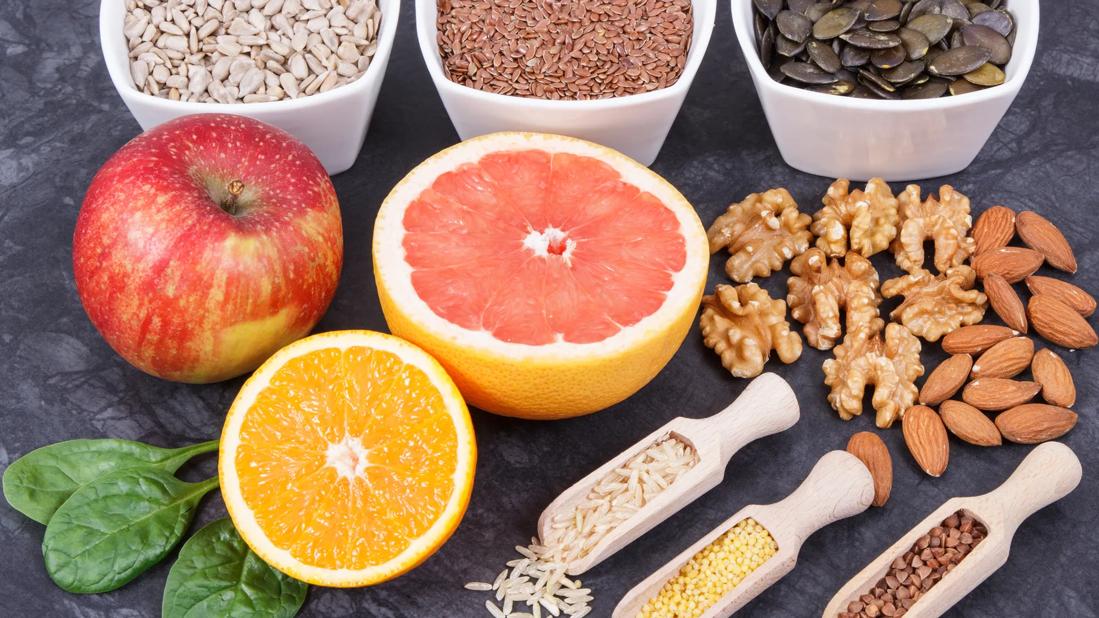
Detox diets make an irresistible promise: drink something green, avoid ordinary food for a few days, and emerge with a cleaner liver, a flatter stomach, glowing skin, and possibly the organizational skills to answer every unread email.
Unfortunately, the human body does not operate like a kitchen sponge that needs an occasional soak. In healthy people, the liver, kidneys, lungs, digestive tract, and skin continually process or eliminate waste. A commercial cleanse does not switch these organs on. They were already working while you were reading the label on that $12 bottle of cucumber water.
Scientific reviews have found little convincing clinical evidence that detox diets eliminate specific toxins or produce sustainable weight loss. Some programs may cause a temporary drop on the scale, but that change is often related to lower calorie intake, depleted carbohydrate stores, water loss, and sometimes muscle lossnot mysterious toxins leaving the body.
What Does “Detox” Actually Mean?
In medicine, detoxification has a specific meaning. It may refer to treating a dangerous exposure, managing drug or alcohol withdrawal, or helping the body remove a known harmful substance under professional supervision. In diet marketing, however, “detox” is often left conveniently vague.
Which toxins are being removed? How were they measured? Where were they stored? How much was eliminated? Many cleanse advertisements never answer these questions. “Toxins” becomes a spooky catchall for fatigue, bloating, headaches, weight gain, bad skin, and the general feeling that Tuesday has lasted three weeks.
Your Body Already Has a Detoxification System
The liver transforms drugs, alcohol, hormones, and metabolic byproducts so they can be used safely or removed. The kidneys filter the blood, regulate fluid and mineral levels, and send waste into the urine. The digestive system processes food and removes solid waste, while the lungs exhale carbon dioxide and other volatile substances.
Healthy kidneys continuously remove wastes and excess fluid while balancing substances such as sodium and potassium. The digestive tract also eliminates waste without needing routine flushing, purging, or “scraping” from a special tea.
That does not mean lifestyle is irrelevant. Excess alcohol, smoking, poor nutrition, sleep deprivation, and certain medications can place additional demands on the body. But supporting normal organ function is different from claiming that a three-day cleanse can erase months of habits.
Why Detox Diets Can Feel as Though They Work
Many people genuinely report feeling lighter after a detox diet. The sensation is real, but the marketing explanation is usually wrong.
A person who temporarily eliminates alcohol, oversized restaurant meals, salty snacks, and highly processed foods may experience less bloating. Someone consuming fewer calories may lose weight. A person who starts drinking more water may feel better hydrated. None of these outcomes proves that toxins were extracted from the liver.
Detox programs also create a strong psychological reset. Their strict rules simplify food decisions and provide a dramatic starting point. That structure can feel motivating, especially after a vacation or holiday season. The trouble begins when a useful intentioneating more nutritious foodgets packaged with unsupported cleansing claims, extreme restriction, or risky supplements.
1. Juice Cleanses
A typical juice cleanse replaces meals with bottles of fruit and vegetable juice for one to seven days. It looks colorful, contains vitamins, and photographs beautifully beside a yoga mat. Those qualities do not make it a complete diet.
Why Juice Does Not Flush Out Toxins
Juice provides water and some vitamins, minerals, and plant compounds. However, drinking juice does not make the liver or kidneys remove waste faster. No strong evidence shows that a juice-only diet extracts accumulated toxins from healthy organs.
Juicing also removes much of the fiber found in whole fruits and vegetables. Fiber supports bowel regularity, helps with fullness, and slows the absorption of carbohydrates. Without it, fruit-heavy juices can deliver a concentrated dose of natural sugar while doing little to satisfy hunger.
Why the Scale May Drop Quickly
Juice cleanses are often very low in calories, protein, fat, and sodium. When carbohydrate intake falls, the body uses stored glycogen. Glycogen holds water, so using it releases water and causes a rapid change in body weight. Continue restricting food, and the body may begin breaking down muscle tissue for energy.
That is why a person can lose several pounds and regain much of it shortly after eating normally. The cleanse did not melt a dramatic amount of body fat over a weekend; it mostly rearranged water, digestive contents, and stored energy.
Potential Problems
Possible effects include hunger, fatigue, dizziness, headaches, irritability, unstable blood sugar, and inadequate protein intake. Unpasteurized juice may also carry foodborne-illness risks, particularly for pregnant people, children, older adults, and those with weakened immune systems.
People with diabetes or kidney disease require extra caution. Some juices contain substantial amounts of sugar or potassium, and dietary needs can vary significantly when kidney function is reduced.
2. The Master Cleanse or Lemonade Diet
The Master Cleanse generally involves consuming a drink made from lemon juice, water, a sweetener such as maple syrup, and cayenne pepper. Some versions add saltwater drinks or laxative teas. Solid food is excluded for days, sometimes longer.
The Ingredients Are Not a Toxin-Removing Team
Lemons contain vitamin C. Cayenne contains capsaicin. Maple syrup provides sugar. Each ingredient may have ordinary culinary or nutritional properties, but combining them does not create a biochemical pressure washer.
The kidneys still filter blood according to normal physiology, and the liver still performs its usual metabolic work. There is no established mechanism by which lemon, pepper, and syrup identify unwanted chemicals and escort them from the body like tiny security guards.
What Is Really Happening During the Fast
The diet produces a large calorie deficit. That can lower body weight, but it can also reduce energy, impair concentration, and leave the diet short of protein, essential fats, fiber, and multiple micronutrients. Longer or repeated cycles may encourage muscle loss and make it difficult to meet basic nutritional needs.
Restrictive fasting can be particularly unsafe for people who are pregnant or breastfeeding, take blood-sugar-lowering medication, have kidney or liver disease, are underweight, or have a current or previous eating disorder. Even less extreme fasting approaches are not appropriate for everyone and should not be confused with toxin removal.
Laxatives Do Not Equal Detoxification
Frequent bowel movements can create a powerful feeling that something significant is leaving the body. What is leaving is mostly stool and water. Laxatives work in the colon; they do not pull stored chemicals from the liver, fat tissue, brain, or bloodstream.
Excessive laxative use may cause cramping, diarrhea, dehydration, and electrolyte imbalances. In other words, a person may feel terrible because the cleanse is causing side effectsnot because the body is courageously releasing years of toxins.
3. Detox Teas and Herbal Cleanses
Detox teas are marketed with words such as “flat tummy,” “skinny,” “clean,” “reset,” and “metabolism.” Their packages often feature leaves, flowers, and enough green coloring to make the product look personally approved by Mother Nature.
Why They Seem Effective
Some products contain caffeine, which may temporarily increase alertness and urination. Others contain herbs with stimulant-laxative effects, producing diarrhea or more frequent bowel movements. This may reduce water weight and abdominal fullness for a short time.
Neither response demonstrates toxin removal. Urinating more does not automatically improve kidney filtration, and having diarrhea does not mean the colon needed to be cleansed.
“Natural” Does Not Guarantee Safe
Herbal products can cause side effects, interact with medications, or contain ingredients that are unsuitable for certain medical conditions. Quality and dose may also vary among products and batches. The National Kidney Foundation warns that some herbal supplements can contain contaminants or ingredients associated with kidney injury, while other compounds may build up in people with impaired kidney function.
Weight-loss teas and supplements deserve additional skepticism. The FDA has repeatedly identified weight-loss products containing hidden or unsafe drug ingredients. A plant on the front of the package is not a laboratory certificate.
Colon Cleansing Is Not Routine Maintenance
Detox teas are sometimes sold as a gentler alternative to colon hydrotherapy, enemas, or aggressive laxative cleanses. Yet the colon does not need recreational flushing. Medical organizations report no good evidence that colon cleansing improves energy, immunity, or general health.
These methods can cause nausea, cramping, dehydration, irregular bowel activity, infection, and, in rare cases, serious injury. Colon preparation has legitimate medical uses before certain procedures, but that is very different from a social-media cleanse performed because someone ate nachos on Saturday.
4. Raw-Food and Mono-Food Detox Diets
Raw-food detoxes emphasize uncooked fruits, vegetables, nuts, seeds, and juices. Mono-food versions go further, asking participants to eat mainly one foodgrapefruit, cabbage soup, apples, watermelon, or another starring ingredientfor several days.
Healthy Foods Do Not Make Every Diet Healthy
Fruits and vegetables are important parts of a balanced diet. That does not mean a plan consisting almost entirely of fruit, raw produce, or cabbage soup is nutritionally complete.
Extreme versions may provide too little protein, vitamin B12, calcium, iron, iodine, vitamin D, or essential fats, depending on the foods included and how long the diet continues. Large amounts of raw produce can also worsen bloating or digestive discomfort in some people.
The Detox Claim Still Fails
Eating more plant foods can improve overall dietary quality, particularly when they replace highly processed foods. Plant foods provide fiber and beneficial nutrients that support normal digestion and long-term health. Those benefits do not prove that raw food removes unspecified toxins.
A mono-diet often causes weight loss because it is repetitive, restrictive, and low in calories. Eventually, most people become less enthusiastic about eating their thirteenth bowl of cabbage soup. The calorie deficitnot a magical vegetable enzymeexplains the result.
Major medical and nutrition organizations consistently distinguish balanced, sustainable eating patterns from fad diets that promise rapid purification or dramatic weight loss.
The Main Risks of Detox Diets
Nutrient Deficiencies
Plans that remove major food groups can provide inadequate protein, fat, vitamins, minerals, or total energy. The risk increases when a cleanse lasts longer, is repeated frequently, or begins in someone whose diet is already limited.
Dehydration and Electrolyte Imbalances
Laxatives, diarrhea, vomiting, excessive sweating, and inadequate fluid intake can disturb sodium and potassium levels. These minerals help regulate nerves, muscles, fluid balance, and heart rhythm. Severe imbalances require medical attention.
Blood Sugar Problems
Fruit-heavy juices can deliver carbohydrates rapidly, while prolonged fasting may cause blood sugar to fall. People using insulin or other diabetes medications should not begin a restrictive cleanse without guidance from their healthcare team.
Medication Interactions
Grapefruit, certain herbs, concentrated extracts, and supplements can affect the way some medications are absorbed or metabolized. A detox product should never be assumed harmless simply because it is sold without a prescription.
A Restrict-and-Rebound Cycle
Extreme diets can create an exhausting pattern: overeat, feel guilty, cleanse, become intensely hungry, and overeat again. This cycle can damage a person’s relationship with food while doing little for long-term health.
Across medical reviews and clinical guidance, the most consistent concerns include nutrient inadequacy, dehydration, gastrointestinal distress, unstable blood sugar, supplement safety, and weight regain after restriction ends.
How to Support Your Body Without a Detox Diet
You cannot upgrade your liver with a weekend beverage subscription, but you can reduce unnecessary strain and support overall health with ordinary habits. They are less dramatic than a cleanse, which is probably why nobody sells them in a gold-trimmed box.
Eat Mostly Minimally Processed Foods
Build meals around vegetables, fruits, whole grains, beans, nuts, seeds, lean proteins, and healthful fats. These foods provide fiber and nutrients without requiring an invented purification theory.
Drink According to Your Needs
Water supports normal circulation, digestion, temperature control, and kidney function. More is not always better, however. People with heart failure, kidney disease, or other conditions may need individualized fluid guidance.
Limit Alcohol
The liver metabolizes alcohol, and heavy intake can damage liver tissue. Taking a liver-cleanse supplement while continuing to drink excessively is rather like spraying air freshener while the kitchen is on fire.
Get Enough Fiber
Fiber supports bowel regularity and feeds beneficial gut microbes. Increase it gradually and drink appropriate fluids to reduce gas or discomfort.
Sleep and Move Regularly
Consistent sleep and physical activity support appetite regulation, cardiovascular health, blood sugar management, mood, and sustainable weight control. They may not create a dramatic “day one” photograph, but their benefits extend beyond next Monday.
Seek Medical Care for Persistent Symptoms
Ongoing fatigue, unexplained weight loss, jaundice, severe abdominal pain, persistent vomiting, changes in urination, or prolonged digestive problems should not be treated with an online cleanse. These symptoms may require proper evaluation.
Experiences With Detox Diets: What People Commonly Notice
The following composite experiences illustrate common patterns associated with restrictive detox diets. They are not individual medical case reports, but they reflect effects frequently described in clinical nutrition guidance.
The Juice-Cleanse Honeymoon
On the first morning, a juice cleanse can feel surprisingly exciting. The bottles are numbered, breakfast requires no cooking, and the refrigerator looks like a luxury wellness retreat. By lunchtime, the participant may feel light, disciplined, and unusually interested in watching other people chew.
The second day often changes the mood. Hunger becomes harder to ignore. Concentration may slip, exercise feels more difficult, and a mild headache appears. The scale may show a lower number, reinforcing the belief that the cleanse is working.
After normal meals resume, some weight returns. This can feel discouraging until the person understands that much of the original change came from water, glycogen, lower sodium intake, and less food moving through the digestive tract.
The “Toxins Leaving” Misinterpretation
Another person starts a lemon-water fast and develops fatigue, irritability, nausea, and bad breath. A promotional guide claims these symptoms show that toxins are leaving the body.
A more straightforward explanation is that the person is consuming too little food. Headaches may also be related to caffeine withdrawal, dehydration, disrupted sleep, or changes in blood sugar. Labeling every unpleasant symptom a “healing crisis” can persuade someone to continue a plan that is making them unwell.
The Detox-Tea Surprise
A detox tea may appear gentle because it is served in a cozy mug. Several hours later, its laxative effect can turn a quiet evening into a detailed study of bathroom tile.
The next morning, the abdomen may look flatter and body weight may be slightly lower. That visible change is easy to interpret as cleansing. In reality, the person has temporarily lost water and emptied part of the bowel. Repeated use may lead to cramping, dehydration, or dependence on laxative routines for a sense of normality.
The Restriction-Rebound Weekend
A person may begin a raw-food detox after several days of restaurant meals. For two days, meals consist of salads, fruit, smoothies, and raw vegetables. The food choices themselves contain valuable nutrients, but the portions provide too little energy and protein.
By the third evening, intense hunger takes over. The person eats far more than planned, feels guilty, and decides another cleanse is needed. What began as an attempt to “reset” has become a cycle of restriction and rebound eating.
A more productive approach would keep the nutritious partsmore vegetables, fruit, beans, and waterwhile adding adequate protein, whole grains, fats, and satisfying portions. Instead of punishing the body for previous meals, the person simply returns to a balanced routine.
The Better Reset
The most successful post-detox experience often begins when someone stops chasing dramatic purification. Breakfast becomes oatmeal with berries and yogurt rather than juice alone. Lunch includes vegetables, beans or chicken, and a whole grain. Dinner is satisfying enough to prevent a late-night raid on the pantry.
Within several days, digestion may improve because fiber and fluids are more consistent. Energy becomes steadier because meals contain protein and carbohydrates. The person may still enjoy green juice or herbal tea, but as a beveragenot as a substitute for nutrition or a claim that the liver needed rescuing.
Conclusion: Your Organs Do Not Need a Vacation Cleanse
Juice cleanses, lemonade fasts, detox teas, and restrictive raw-food diets can create short-term changes in weight, digestion, and how a person feels. Those effects are usually explained by calorie restriction, water loss, reduced sodium intake, laxatives, or the elimination of highly processed foodsnot by the removal of mysterious stored toxins.
Your liver and kidneys perform real detoxification every day. The best way to support them is not to starve, purge, or purchase an unverified supplement. Eat a varied diet, stay appropriately hydrated, limit alcohol, exercise, sleep well, and seek medical care when symptoms persist.
In wellness marketing, the boring answer rarely gets a celebrity endorsement. In human biology, however, boring and evidence-based usually beats cayenne lemonade.