
Editor’s note: This review is for educational purposes only. It is not medical advice, and people with diabetes should make treatment decisions with their healthcare provider.
Introduction: A Tiny Sensor With a Big Job
Managing diabetes used to feel like running a detective agency with sore fingertips. You tested, logged, guessed, corrected, and hoped your blood sugar did not throw a surprise party at 2 a.m. The Abbott FreeStyle Libre system changed that experience for many people by making glucose monitoring more continuous, visual, and frankly less annoying.
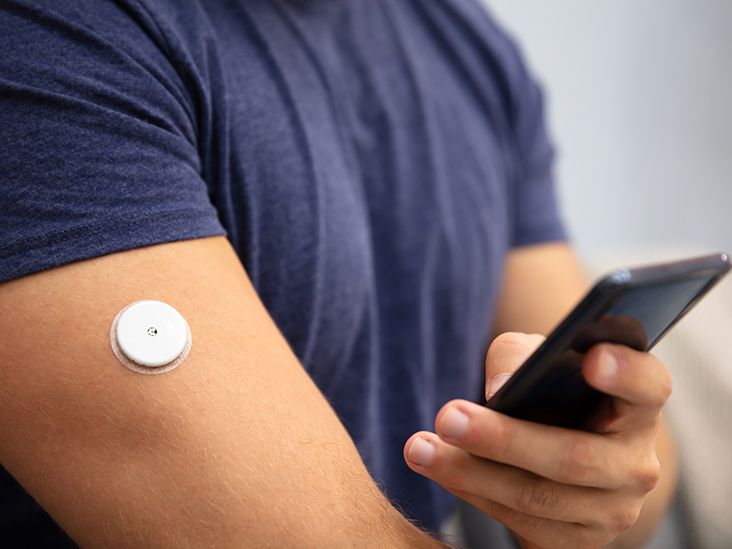
The FreeStyle Libre family is Abbott’s line of continuous glucose monitoring systems, commonly called CGMs. Instead of relying only on fingerstick checks, a small sensor worn on the back of the upper arm measures glucose in the interstitial fluid and sends readings to a compatible reader or smartphone app. The newest U.S. product, the FreeStyle Libre 3 Plus sensor, offers real-time glucose readings, optional alarms, and up to 15 days of wear. That means fewer sensor changes, fewer interruptions, and more data for understanding how meals, exercise, sleep, stress, and medication affect glucose patterns.
But is the Abbott FreeStyle Libre actually worth it? Is it accurate enough? Is it comfortable? Who is it best for? And what should users know before sticking one to their arm and trusting it with daily diabetes decisions? This in-depth diabetes product review breaks down the features, benefits, limitations, safety considerations, cost factors, and real-world experience of using Abbott FreeStyle Libre.
What Is Abbott FreeStyle Libre?
Abbott FreeStyle Libre is a continuous glucose monitoring system designed for people living with diabetes. The system uses a small disposable sensor placed on the back of the upper arm. Depending on the version, the sensor can provide glucose data for 14 or 15 days. The FreeStyle Libre 3 Plus sensor, currently one of Abbott’s most advanced U.S. options, is marketed as a small, real-time CGM that sends glucose readings automatically every minute to a compatible smartphone.
Unlike older glucose monitoring routines that required repeated fingersticks throughout the day, FreeStyle Libre helps users see glucose trends in motion. Instead of asking, “What is my glucose right now?” the better question becomes, “Where is my glucose heading?” That direction matters. A reading of 110 mg/dL can mean very different things if the trend arrow is flat, rising fast after pizza, or dropping like a phone with 1% battery.
Main Components
The FreeStyle Libre system generally includes three main parts: the sensor, the app or reader, and cloud-based reporting tools such as LibreView. The sensor collects glucose data. The app or reader displays current glucose, trend arrows, historical graphs, and alarms. LibreView allows users and healthcare professionals to review glucose reports over time, including average glucose, time in range, low events, and daily patterns.
For families and caregivers, the Libre app can also share glucose data through LibreLinkUp. This is especially helpful for parents of children with diabetes, caregivers of older adults, or partners who would like visibility during overnight lows or busy workdays.
Key Features of FreeStyle Libre
1. Real-Time Glucose Readings
The FreeStyle Libre 3 Plus sensor sends glucose readings automatically to a compatible smartphone. That is a major convenience upgrade over older scan-based systems. Users can glance at the app and see the current glucose number, trend arrow, and graph without stopping everything to scan the sensor.
This matters in daily life. During exercise, a meeting, school, driving preparation, or bedtime, real-time visibility can reduce the guesswork. It does not make diabetes magically easyif onlybut it can make diabetes less mysterious.
2. Optional Glucose Alarms
FreeStyle Libre offers optional alarms for high and low glucose. These alerts can help users respond earlier to glucose movement before the situation becomes more serious. For people who experience hypoglycemia unawareness, overnight lows, or fast post-meal spikes, alarms may be one of the most valuable features.
However, alarms are only useful when they are set thoughtfully. Too many alerts can lead to alarm fatigue, where every beep starts sounding like a car alarm in a parking lot. Users should work with a healthcare provider to set reasonable thresholds based on their personal diabetes plan.
3. Small Sensor Size and Comfortable Wear
One of the biggest strengths of FreeStyle Libre is wearability. The sensor is small, low-profile, and placed on the back of the upper arm. Many users like that it stays out of the way under shirts and jackets. For people who dislike bulky devices, this is a big plus.
Comfort still depends on the person. Some users forget the sensor is there. Others may notice adhesive irritation, sensor peeling, or discomfort if the sensor is bumped. Using skin prep, choosing a clean dry site, and avoiding lotions before application can help improve adhesion.
4. Up to 15 Days of Wear
The FreeStyle Libre 3 Plus sensor is designed for up to 15 days of wear. That gives users roughly two sensors per month, which can be convenient for both scheduling and cost planning. Fewer sensor changes also means fewer application moments, which is welcome news for anyone who has ever stared at an applicator like it was a tiny spaceship preparing for launch.
5. Trend Arrows and Time in Range
The real power of a CGM is not just the number. It is the pattern. FreeStyle Libre shows trend arrows that indicate whether glucose is rising, falling, or staying steady. Over time, users can also review time in range, which is the percentage of time glucose stays within a target range. For many adults with diabetes, a common target range is 70 to 180 mg/dL, though personal goals may vary.
Time in range can be more practical than focusing only on A1C. A1C is useful, but it is an average. Two people can have the same A1C and very different daily glucose experiences. One may be steady most of the day; the other may be riding the glucose roller coaster with dramatic highs and lows. CGM data helps reveal the difference.
Accuracy: How Reliable Is FreeStyle Libre?
Accuracy is the big question. A glucose monitor is not a fashion accessory, even if it does make your arm look slightly futuristic. The FreeStyle Libre 3 system has been reported in clinical performance data to have strong accuracy, with Abbott previously highlighting an overall mean absolute relative difference, or MARD, of 7.9% for Libre 3. In general, a lower MARD indicates closer agreement between CGM readings and reference glucose values.
That said, CGM readings are not identical to blood glucose meter readings. CGMs measure glucose in interstitial fluid, not directly in blood. During rapid glucose changes, such as after meals, insulin dosing, or exercise, sensor readings may lag behind fingerstick values. This is normal for CGM technology, not unique to FreeStyle Libre.
Users should confirm with a blood glucose meter when symptoms do not match the sensor reading, when readings seem unexpectedly high or low, or when making important treatment decisions during unusual situations. In plain English: if your body says one thing and the app says another, do not let the app win by default.
Safety Considerations and the 2025 Recall Issue
No product review would be complete without discussing safety. In late 2025, Abbott and the FDA reported a recall involving certain FreeStyle Libre 3 and FreeStyle Libre 3 Plus sensors that could provide incorrectly low glucose readings. The concern was serious because falsely low readings could lead users to consume unnecessary carbohydrates or delay insulin, potentially causing harmful treatment decisions.
This does not mean every FreeStyle Libre sensor is unsafe. The issue applied to certain affected sensors, and Abbott provided a way for users to check sensor serial numbers and request replacements. Still, the recall is an important reminder: diabetes technology is powerful, but it should not replace common sense, symptoms, and professional guidance.
Users should keep a backup blood glucose meter available, especially during sensor warm-up, unexpected readings, illness, travel, or any time symptoms do not match CGM data. Technology is helpful. Backup plans are adulting. Diabetes asks for both.
Who Is FreeStyle Libre Best For?
People With Type 1 Diabetes
People with type 1 diabetes often benefit from continuous glucose data because insulin decisions are frequent and glucose can change quickly. FreeStyle Libre can help identify overnight lows, meal-related spikes, exercise effects, and patterns that might otherwise be missed with fingersticks alone.
People With Type 2 Diabetes Using Insulin
For people with type 2 diabetes who use insulin, FreeStyle Libre can be especially useful. It can show how basal insulin, mealtime insulin, food choices, and physical activity interact throughout the day. Medicare may cover CGM for eligible people with diabetes who take insulin or have a history of problematic hypoglycemia, when other requirements are met.
People Trying to Improve Time in Range
FreeStyle Libre is also helpful for users who want to understand glucose patterns beyond A1C. Someone may discover that breakfast cereal creates a sharp spike, a 15-minute walk after dinner improves stability, or stress at work sends glucose higher than the office vending machine ever could.
Caregivers and Families
Parents, spouses, and caregivers may appreciate glucose sharing features. For a child at school, an older adult living independently, or a partner worried about overnight lows, shared data can provide reassurance and faster response when needed.
Pros and Cons of Abbott FreeStyle Libre
Pros
- Small, discreet sensor worn on the upper arm
- Real-time glucose readings on compatible smartphones
- Optional high and low glucose alarms
- Up to 15 days of wear with FreeStyle Libre 3 Plus
- Useful trend arrows and glucose history
- Data sharing with caregivers and healthcare providers
- Often more affordable than some competing CGM systems
Cons
- Requires a prescription in the United States
- Insurance coverage varies by plan
- Sensor readings can lag during rapid glucose changes
- Adhesive irritation or peeling may occur
- Smartphone compatibility must be checked before use
- Backup fingerstick testing is still needed in some situations
- Past recall issues mean users should stay alert to safety updates
Cost and Insurance Coverage
Cost is one of the biggest deciding factors. Abbott states that many covered patients pay relatively low out-of-pocket costs for Libre sensors, and some pharmacy programs or copay cards may help reduce the price. GoodRx pricing can vary, but discount pricing for FreeStyle Libre 3 Plus has been listed around the high double digits for a common sensor prescription, depending on pharmacy and coupon availability.
Private insurance coverage varies. Medicare coverage may apply for eligible patients, especially those using insulin or meeting criteria related to problematic hypoglycemia. The best move is to ask the prescribing clinician, pharmacy, and insurance plan about coverage before assuming the monthly cost. Diabetes is already expensive enough; nobody needs a surprise bill wearing a tiny sensor costume.
How FreeStyle Libre Compares With Traditional Fingerstick Testing
Fingerstick testing gives a single point-in-time reading. FreeStyle Libre gives a fuller picture. That difference is huge. A fingerstick might show 150 mg/dL, but it cannot tell whether glucose is rising quickly, falling sharply, or holding steady. A CGM can.
However, fingersticks still matter. Blood glucose meters are useful for confirmation, especially when CGM readings do not match symptoms. The best approach is not “CGM versus fingerstick.” It is “CGM plus fingerstick when needed.” Together, they create a stronger safety net.
Real-World Use: What Daily Life Feels Like
In daily life, FreeStyle Libre can change the emotional rhythm of diabetes management. Users may feel less blind between checks. Instead of wondering what happened after lunch, they can see the curve. Instead of guessing whether a workout caused a low, they can review the graph. Instead of waiting months for an A1C result, they can observe patterns every day.
There is also a learning curve. At first, users may check the app constantly. This is normal. Glucose data can be oddly addictive, like a health-focused stock ticker. Over time, most people learn to use the data more calmly. The goal is not perfection. The goal is better decisions, fewer surprises, and more confidence.
Practical Tips for New Users
Apply the Sensor Carefully
Choose the back of the upper arm, clean the area well, let it dry fully, and avoid applying over irritated skin. Adhesive works better when skin is clean and dry. If the sensor tends to peel, ask a clinician about approved overpatches or skin barrier options.
Check Smartphone Compatibility
Before filling a prescription, confirm that your smartphone is compatible with the Libre app. Not every phone or operating system version works perfectly, and compatibility can change with software updates.
Keep a Backup Meter
Even with a CGM, keep test strips and a blood glucose meter available. Use them when symptoms and readings disagree, during rapid glucose changes, or when your healthcare provider recommends confirmation.
Review Reports, Not Just Individual Numbers
One glucose reading can be useful, but patterns are more powerful. Review time in range, overnight trends, post-meal spikes, and recurring lows. These reports can help guide conversations with your clinician about medication timing, food choices, and activity.
500-Word Experience Section: Living With Abbott FreeStyle Libre Day to Day
Using Abbott FreeStyle Libre can feel like turning the lights on in a room you have been walking through with a flashlight. Before CGM, many people with diabetes only saw glucose snapshots: morning fasting, before meals, maybe bedtime, and a few extra checks when something felt off. FreeStyle Libre fills in the missing chapters. Suddenly, breakfast is not just “I ate oatmeal.” It becomes “I ate oatmeal, glucose rose steadily for 90 minutes, then settled after a walk.” That kind of feedback can be surprisingly empowering.
The first few days can be exciting and slightly overwhelming. New users often look at the app many times a day, not because they need to, but because the information is finally visible. You may notice that stress raises glucose even when you have not eaten. You may learn that a “healthy” smoothie acts like dessert in disguise. You may discover that sleep quality affects morning readings. The sensor does not judge. It simply reports, like a tiny arm-mounted weather station for your metabolism.
Comfort is usually one of the pleasant surprises. The sensor is small enough that many users forget about it after the first day. Showering, sleeping, and working are generally easy. The most common annoyance is accidental bumping. Door frames, backpack straps, and enthusiastic pets may suddenly become enemies. Some people use an overpatch for extra security, especially during summer, workouts, or swimming. Others do fine without one.
The alarms can be life-changing, but they require balance. A low-glucose alert at night can be incredibly useful. A high alert after every meal may become irritating if the threshold is too aggressive. The best experience usually comes from adjusting alarms with a healthcare provider so they are meaningful rather than constant. The goal is helpful awareness, not living inside a video game sound effect.
Food decisions often become more practical. Instead of labeling foods as simply “good” or “bad,” users can see personal responses. Rice, pasta, fruit, coffee, pizza, and late-night snacks may all behave differently depending on portion size, timing, medication, and activity. FreeStyle Libre helps users move from guilt to strategy. Maybe the answer is not “never eat pizza.” Maybe it is “eat two slices, add protein, take a walk, and do not pretend the third slice is invisible.”
Exercise becomes easier to understand too. Some workouts lower glucose quickly, while intense exercise may raise it temporarily due to adrenaline. Seeing these patterns helps users plan snacks, insulin timing, or activity choices. For people afraid of lows during exercise, CGM visibility can make movement feel safer.
The biggest emotional benefit may be confidence. Diabetes management can feel like a full-time job with no weekends and a manager named Pancreas who resigned years ago. FreeStyle Libre does not remove the work, but it makes the work clearer. It helps users notice patterns, prepare for lows, respond to highs, and have better conversations with their healthcare team. The best experience comes when the device is treated as a guide, not a boss. Data should support life, not take it over.
Final Verdict: Is Abbott FreeStyle Libre Worth It?
Abbott FreeStyle Libre is one of the most practical and user-friendly CGM options for many people with diabetes. Its strongest advantages are real-time glucose visibility, a small sensor, trend arrows, optional alarms, data sharing, and useful reports. The FreeStyle Libre 3 Plus sensor adds the convenience of up to 15 days of wear and automatic readings every minute.
It is not perfect. Users still need a backup meter, insurance coverage can be confusing, adhesive issues may happen, and safety updates should be taken seriously. But for many people, the benefits outweigh the inconveniences. FreeStyle Libre can help transform diabetes management from reactive guessing into informed decision-making.
If you want a CGM that is discreet, data-rich, relatively simple to use, and designed for real-life diabetes management, Abbott FreeStyle Libre deserves serious consideration. It will not make diabetes disappear, but it can make the invisible visibleand that is a very good start.