
A bear market has a peculiar talent: it makes attractive investments look terrifying precisely when their prices are lower. Headlines become dramatic, portfolio balances turn red, and every financial commentator suddenly develops the facial expression of someone who has discovered a raccoon in the pantry.
Yet a market decline can create valuable opportunities for investors holding excess cash. The challenge is not simply deciding what to buy. It is determining how quickly to invest, how much risk to accept, which accounts to use, and how to avoid turning a disciplined plan into an emotional guessing game.
There is no single strategy that works for everyone. A young investor with stable income and a 30-year horizon can generally tolerate more volatility than a retiree who expects to withdraw money next month. The right approach depends on your emergency reserves, debts, goals, time horizon, tax situation, and ability to remain calm when markets behave like a shopping cart with one bad wheel.
What Counts as a Bear Market?
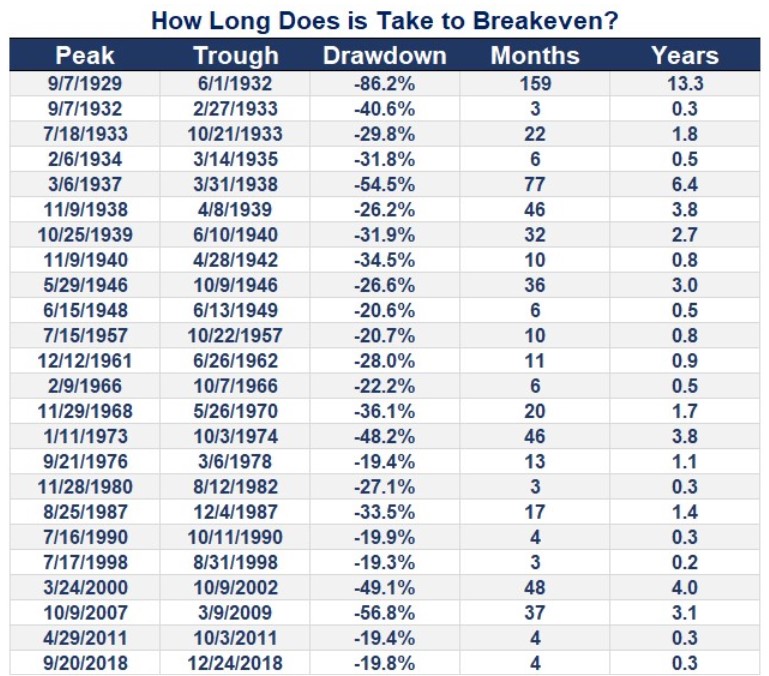
A bear market is commonly defined as a decline of at least 20% from a recent high in a broad market index. Bear markets may be caused by recessions, inflation, rising interest rates, financial crises, geopolitical shocks, falling corporate profits, or a collective realization that investors previously paid too much for nearly everything.
Although bear markets are uncomfortable, they are a normal part of long-term investing. They eventually end, but no one can reliably identify the exact bottom in advance. A market can rally sharply, fall again, and repeat the routine several times before a durable recovery begins.
That uncertainty is why putting cash to work during a bear market requires a process rather than a prediction.
Prepare Your Financial Foundation First
Before buying stocks, funds, or bonds, separate investable cash from money needed for ordinary life. Cash reserved for rent, medical bills, taxes, tuition, home repairs, or near-term purchases should not be exposed to stock market risk.
Protect an Emergency Fund
Many households aim to keep approximately three to six months of essential expenses in an accessible emergency reserve. People with unstable income, significant health expenses, or highly specialized employment may need more.
An emergency fund can be held in an FDIC-insured savings account, money market deposit account, or certificate of deposit within applicable insurance limits. The standard FDIC coverage amount is generally $250,000 per depositor, per insured bank, for each account ownership category.
A brokerage money market fund is different from a bank deposit. It may be relatively conservative, but it is an investment product and is not protected by FDIC insurance.
Address Expensive Debt
Paying off a credit card charging 20% interest can provide a more dependable financial benefit than investing in assets with uncertain returns. Eliminating high-interest debt may therefore be a better use of cash than aggressively buying during a downturn.
Once emergency savings and expensive debts are under control, investors can evaluate several bear market investing strategies.
Strategy 1: Invest the Lump Sum Immediately
The lump-sum approach puts available long-term investment cash into the market at once. Its logic is simple: markets have historically increased over long periods, so investing sooner gives the money more time to participate in potential growth.
Suppose an investor has $30,000 designated for retirement and invests the entire amount in a diversified stock-and-bond portfolio. If the market begins recovering shortly afterward, the full balance participates in the rebound. Cash waiting on the sidelines would not.
The drawback is immediate timing risk. Prices may continue falling after the purchase. An investor who commits the entire amount today must be emotionally prepared to see it decline tomorrow without abandoning the strategy.
Lump-sum investing may fit investors who:
- Have a long investment horizon
- Already maintain adequate emergency savings
- Use a diversified portfolio
- Can tolerate substantial short-term losses
- Will not panic-sell after another market decline
Being mathematically comfortable with risk is not the same as being emotionally comfortable with it. A spreadsheet never wakes up at 2:00 a.m. to refresh futures prices.
Strategy 2: Use Dollar-Cost Averaging
Dollar-cost averaging means investing equal amounts at regular intervals, regardless of market direction. Rather than investing $24,000 immediately, an investor might contribute $4,000 per month for six months.
When prices are lower, each contribution purchases more shares. When prices rise, it purchases fewer. This does not guarantee a profit or prevent losses, but it can reduce the emotional pressure associated with choosing a single entry date.
Dollar-cost averaging is especially useful when it helps an investor follow through. A theoretically superior plan is worthless if fear causes the investor to cancel it after the first ugly week.
The disadvantage is that part of the money remains in cash during the deployment period. If the market recovers quickly, the investor may purchase later shares at higher prices and earn less than someone who invested immediately.
Create Rules Before Starting
A dollar-cost averaging plan should specify:
- The total amount to invest
- The size of each installment
- The investment dates
- The assets to purchase
- The length of the deployment period
Avoid changing the schedule because of daily headlines. Otherwise, dollar-cost averaging quietly transforms into market timing while wearing a fake mustache.
Strategy 3: Combine Immediate Investing With Scheduled Purchases
A hybrid strategy divides the cash between an immediate investment and future installments. For example, an investor with $40,000 might invest $20,000 now and place the remaining $20,000 into four monthly purchases of $5,000.
This approach addresses two competing concerns. The initial investment provides exposure if the market rebounds, while the scheduled installments preserve buying power if prices continue falling.
A variation is to use both calendar dates and predetermined market thresholds. An investor might deploy money monthly while reserving additional amounts for declines of another 5% or 10%. However, the threshold rules should supplement the calendar plan rather than replace it. A market may recover without ever reaching the desired price.
Strategy 4: Rebalance an Existing Portfolio
For established investors, the best use of cash may be restoring a portfolio to its target asset allocation. Rebalancing means buying underweighted assets or selling overweighted ones so the portfolio returns to its intended mix.
Consider an investor targeting 60% stocks and 40% bonds. After a stock market decline, the allocation might become 52% stocks and 48% bonds. Instead of guessing which individual stock will rebound fastest, the investor can direct new cash toward diversified stock funds until the original allocation is restored.
This method encourages buying after declines without requiring a prediction about the market bottom. It also connects each decision to the investor’s risk plan rather than the emotional temperature of financial television.
Before rebalancing in a taxable account, evaluate transaction costs and potential capital gains. Rebalancing inside a 401(k), IRA, or another tax-advantaged account may avoid immediate capital-gains taxes, although account rules still matter.
Strategy 5: Build a Core Position With Diversified Funds
Bear markets can make individual stocks look cheap, but a falling price does not automatically create a bargain. Sometimes a stock is temporarily unpopular. Sometimes the underlying business is deteriorating. Unfortunately, both situations arrive wearing the same red numbers.
Broad-market index mutual funds and exchange-traded funds can spread money across hundreds or thousands of companies. Investors can diversify further by including different company sizes, industries, geographic regions, and asset classes.
Potential core holdings may include diversified exposure to:
- Large, midsize, and small U.S. companies
- Developed international markets
- Emerging markets
- Investment-grade bonds
- Short-term Treasury securities
Diversification cannot eliminate losses during a broad decline. It can, however, reduce dependence on a single company, sector, or economic outcome. Investors should inspect a fund’s holdings because a narrowly focused ETF may provide dozens of securities without offering meaningful diversification.
Strategy 6: Emphasize Quality Without Chasing a Story
Investors who select individual companies may focus on financial strength rather than merely searching for the stocks that have fallen the most. Characteristics worth examining include manageable debt, durable cash flow, recurring demand, competitive advantages, capable management, and a reasonable valuation.
Profitability matters because access to financing can become more difficult during economic stress. A business that depends on continually borrowing money or selling new shares may face greater pressure when capital becomes expensive.
Dividend-paying companies can also be attractive, but a high dividend yield is not automatically a sign of value. The yield may be high because the stock price collapsed and investors expect the dividend to be reduced. Review earnings, free cash flow, debt obligations, and the company’s dividend history before assuming the payment is safe.
Strategy 7: Use Treasuries or a Bond Ladder for Near-Term Cash
Not every dollar needs to enter the stock market. Cash that may be needed within the next few years can be placed in short-term investments with lower volatility.
U.S. Treasury bills are issued with maturities ranging from a few days to 52 weeks. Investors generally purchase them at a discount and receive their face value at maturity. Treasury interest is subject to federal income tax but is generally exempt from state and local income taxes.
A Treasury ladder divides cash among securities with different maturity dates. For example, an investor could stagger maturities so a portion becomes available every month or quarter. As each security matures, the proceeds can be spent, reinvested in another Treasury, or transferred into long-term assets.
Certificates of deposit can serve a similar purpose, provided investors understand early-withdrawal penalties and FDIC coverage. Bond funds offer diversification and liquidity but do not guarantee that principal will be available at a specific value on a particular date.
Strategy 8: Harvest Tax Losses Carefully
A bear market may create tax-planning opportunities in taxable brokerage accounts. Tax-loss harvesting involves selling an investment below its cost basis and using the realized loss to offset taxable capital gains.
Under current federal rules, excess net capital losses may generally offset up to $3,000 of ordinary income per year, with unused losses carried forward to future tax years. Tax rules can change, and individual circumstances vary.
Investors must also consider the wash-sale rule. A loss may be disallowed when substantially identical securities are purchased within 30 days before or after the sale. Replacing one investment with a similar but not substantially identical fund may help maintain market exposure, but determining what qualifies requires care.
Tax-loss harvesting should improve the portfolio, not create a complicated collection of trades solely to manufacture deductions. Consult a qualified tax professional when the amounts or account relationships are significant.
Strategy 9: Increase Retirement Contributions
Employees can put cash to work by increasing payroll contributions to a 401(k), 403(b), or similar workplace plan. Contributions made during a bear market purchase investments at reduced prices, assuming the selected funds have declined.
At minimum, consider contributing enough to receive the full employer match when one is available. An employer contribution is part of the employee’s compensation, and declining it may mean leaving valuable benefits unused.
Traditional and Roth IRAs can offer additional tax advantages, subject to eligibility rules and annual limits. Choosing between pretax and Roth contributions depends on current income, expected future tax rates, and broader retirement planning considerations.
Avoid These Bear Market Mistakes
Waiting for an Official All-Clear Signal
Markets usually begin recovering before economic news becomes cheerful. By the time the outlook feels safe, prices may already be considerably higher.
Investing Money Needed Soon
Stocks are inappropriate for expenses with inflexible short-term deadlines. A discounted market is not helpful when the tuition bill is due during the next decline.
Averaging Down Without Reviewing the Investment
Adding to a diversified fund after a broad market decline is different from repeatedly buying a troubled company. Before investing more in an individual stock, determine whether the original business thesis remains valid.
Using Leverage to Accelerate the Recovery
Borrowed money magnifies losses as well as gains. Margin calls can force investors to sell at precisely the wrong moment. Leveraged and inverse products may also behave differently from expectations when held beyond their intended period.
Changing Strategies Every Week
Constantly switching among cash, stocks, defensive sectors, commodities, and speculative trades can create taxes, costs, and behavioral errors. A good bear market plan should be boring enough to survive a noisy news cycle.
Example Bear Market Cash Plans
Long-Term Growth Investor
An investor with 25 years until retirement, dependable income, and a complete emergency fund might invest a substantial portion immediately into diversified stock funds. The remainder could be deployed over several months to make the process psychologically manageable.
Moderate Investor With Several Goals
An investor saving for both retirement and a home purchase could separate the money by purpose. Retirement cash might enter a diversified stock-and-bond portfolio, while the home down payment remains in insured deposits, Treasury bills, or other short-term holdings.
Investor Approaching Retirement
Someone nearing retirement may maintain several years of anticipated withdrawals in cash and high-quality short-term bonds. Additional cash can be used to rebalance long-term holdings without jeopardizing money needed for immediate living expenses.
These examples are not universal formulas. Their purpose is to demonstrate that the investment strategy should follow the goalnot whichever asset currently has the loudest fan club.
Practical Experiences and Lessons From Bear Market Investing
The following composite experiences illustrate common behavior seen during market downturns. They are educational scenarios rather than personal testimonials or predictions.
The Investor Who Waited for the Perfect Bottom
Casey moved a retirement contribution into cash after the market began falling. The plan was to reinvest when conditions stabilized. Unfortunately, “stabilized” was never clearly defined. Every rally looked temporary, every decline seemed to confirm that worse news was coming, and every commentator offered a different forecast.
When the market finally produced several strong months, Casey remained cautious because prices were no longer cheap. The cash was eventually invested at a higher level than when the waiting began.
The lesson is not that investing immediately always produces the best result. It is that an open-ended waiting strategy has no decision mechanism. A calendar-based plan or target allocation can prevent temporary caution from becoming permanent paralysis.
The Investor Who Used Manageable Installments
Morgan received a $36,000 bonus during a volatile period. Investing the entire amount immediately felt overwhelming, so Morgan created a six-month schedule of $6,000 purchases into a diversified portfolio.
Some installments were followed by further declines, while others occurred during rallies. There was no dramatic victory and no perfectly timed purchase. What Morgan gained was the ability to continue investing without obsessing over every market move.
The experience demonstrates the behavioral value of dollar-cost averaging. The strategy may trail an immediate investment when prices recover quickly, but a plan that an investor can actually complete may be more useful than one that causes panic.
The Investor Who Rebalanced Instead of Predicting
Priya maintained a written target of 70% stocks and 30% bonds. A market decline pushed stocks below the target. Rather than searching for the next winning sector, Priya directed new contributions toward broad stock funds and shifted a limited amount from bonds.
The decision was not based on a belief that the market had reached its lowest point. It was based on the portfolio’s allocation rules. This removed much of the emotional burden because the plan answered the question before the crisis began.
The Investor Who Confused a Lower Price With Lower Risk
Luis repeatedly purchased shares of a company that had fallen sharply. Each decline appeared to make the stock cheaper. However, the company’s debt was rising, sales were weakening, and management had begun issuing additional shares.
Luis focused on the old price rather than the changing business. The stock was lower, but the investment had not necessarily become safer or more valuable.
The lesson is crucial: broad markets have historically recovered from bear markets, but individual companies can fail. Averaging down should follow renewed analysis, not wounded pride.
The Retiree Who Preserved Spending Money
Dana entered retirement with near-term expenses held in cash and short-term bonds. When stocks declined, regular spending did not require selling equities at depressed prices. Long-term holdings were allowed time to recover, and maturing fixed-income investments replenished the spending reserve.
This experience highlights sequence-of-returns risk. Investors withdrawing money cannot treat volatility exactly like workers who are still making contributions. A cash reserve may reduce long-term growth, but it can also prevent forced sales and provide emotional stability.
Across all five scenarios, the recurring advantage was not superior forecasting. It was preparation. Investors who defined their cash needs, allocation, purchase schedule, and risk limits in advance were better equipped to act when the market became uncomfortable.
Conclusion
Putting cash to work during a bear market is less about finding the perfect day and more about building a repeatable decision process. Lump-sum investing maximizes immediate market exposure. Dollar-cost averaging spreads timing risk and may make volatility easier to tolerate. A hybrid approach combines both ideas, while rebalancing connects new investments to an established asset allocation.
Diversified funds can reduce company-specific risk, and short-term Treasuries, insured deposits, or CDs can protect money assigned to near-term goals. Tax-loss harvesting and increased retirement contributions may add value when used carefully.
Most importantly, do not invest emergency savings, rely on borrowed money, or assume that every fallen stock will recover. A bear market can offer attractive prices, but attractive prices are most useful when paired with adequate liquidity, broad diversification, realistic expectations, and enough patience to let the strategy work.