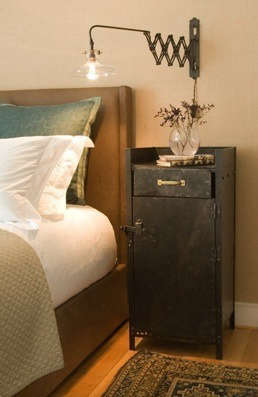

The Dutch Expandable Wall Sconce is the kind of lighting piece that quietly walks into a room, adjusts its little mechanical arm, and says, “Yes, I am useful, stylish, and a bit more interesting than your average lamp.” It is not just a wall light. It is a compact design solution for people who want atmosphere, flexibility, and a touch of vintage European character without giving up precious tabletop space.
In the world of home lighting, wall sconces often play the supporting role. Chandeliers get drama. Floor lamps get height. Table lamps get cozy corners and decorative shades. But an expandable wall sconce, especially one with a Dutch-inspired or vintage scissor-arm profile, brings something delightfully practical to the party: movement. It can stretch toward a book, fold back when not needed, brighten a bedside nook, or add focused light over a desk, console, dining banquette, or reading chair.
The Dutch Expandable Wall Sconce has become appealing because it combines several trends that homeowners and designers continue to love: mid-century influence, industrial detail, space-saving function, layered lighting, and warm decorative personality. It looks clever without looking cold. It feels nostalgic without behaving like a museum object. In other words, it has charm, but it also knows how to get a job done.
What Is a Dutch Expandable Wall Sconce?
A Dutch Expandable Wall Sconce is generally understood as an adjustable wall-mounted lamp with an extendable arm, often associated with scissor, accordion, concertina, or swing-arm construction. The design allows the light to move outward from the wall and retract when not in use. This makes it especially useful in rooms where a fixed sconce may look lovely but fail the basic test of actually shining light where you need it.
The specific Dutch Expandable Wall Sconce listed by Remodelista was associated with Nickey Kehoe and noted at a publication price of $425.00. While availability and pricing can change, the listing helped introduce the fixture to design-minded shoppers as a curated piece with vintage character and practical appeal. Its visual language belongs to a broader family of expandable wall lights that have been used in bedrooms, studies, kitchens, and workrooms for decades.
Think of it as the wall-mounted cousin of a task lamp. It does not sit on your desk. It does not occupy your nightstand. It does not wait politely in a corner like a floor lamp. Instead, it anchors to the wall and reaches out when needed, like a helpful but well-dressed assistant.
Why Expandable Sconces Are Having a Design Moment
Expandable sconces are popular because modern homes ask a lot from lighting. A single room might need soft ambient light for relaxing, direct task light for reading, and decorative light for style. The old solution was to buy multiple lamps and hope your outlets cooperated. The smarter solution is layered lighting, and adjustable wall sconces fit beautifully into that approach.
Unlike fixed wall lights, an expandable sconce can change its purpose throughout the day. In the morning, it may brighten a small desk. In the evening, it can swing toward a chair for reading. At night, it can fold close to the wall and become part of the room’s architecture. That flexibility is especially valuable in apartments, small bedrooms, guest rooms, and multipurpose spaces where every square inch has to earn its rent.
Another reason the Dutch Expandable Wall Sconce feels fresh is its mechanical honesty. The visible arm, joints, and shade create a sense of craftsmanship. In a world full of smooth plastic gadgets and mysterious sealed devices, there is something satisfying about a lamp whose movement you can understand at a glance. Pull it. Angle it. Fold it back. No software update required.
Design Style: Vintage, Industrial, and Surprisingly Versatile
The Dutch Expandable Wall Sconce works well because it can live in several design styles at once. In a vintage-inspired bedroom, it feels authentic and collected. In an industrial loft, it looks right at home against brick, steel, wood, and concrete. In a cottage or farmhouse setting, it brings a practical workshop note. In a modern apartment, it adds texture and prevents the room from feeling too polished or showroom-perfect.
Mid-Century Warmth
Scissor-arm and accordion-style lights often have mid-century associations. Their movable geometry pairs well with walnut furniture, linen bedding, cane chairs, aged brass, and simple ceramic accessories. If your room already includes rounded wood edges, vintage artwork, or a slightly collected look, this sconce can feel like it has always belonged there.
Industrial Character
The expandable mechanism also gives the fixture an industrial personality. It suggests old workshops, drafting tables, studios, and practical European interiors where beauty comes from usefulness. Pair it with black metal, aged bronze, enamel finishes, or exposed shelves, and the sconce becomes both light source and sculptural object.
Modern Minimalism With a Twist
In a minimalist room, one expressive object can do more than ten decorative fillers. A Dutch Expandable Wall Sconce adds movement and visual rhythm without cluttering the floor or furniture. It gives a clean room one small wink of personality, which is important unless your design goal is “luxury waiting room with commitment issues.”
Best Places to Use a Dutch Expandable Wall Sconce
Because it is adjustable, the Dutch Expandable Wall Sconce can work in more places than a typical decorative wall light. The key is to install it where movement, reach, and focused illumination actually matter.
Beside the Bed
One of the best locations is beside a bed. A pair of expandable sconces can replace table lamps, freeing nightstand space for books, water, glasses, or the phone you promised you would stop scrolling at midnight. The adjustable arm lets each person direct light toward a book without lighting up the entire room like an interrogation scene.
For bedside use, the ideal mounting height depends on the bed, mattress, headboard, and user height. A common approach is to place the light near seated eye level or slightly above shoulder height when sitting in bed. The goal is simple: the beam should fall on the page, not directly into your eyes.
Over a Reading Chair
A reading corner becomes much more functional with an expandable sconce. Install it beside or slightly behind the chair so the arm can pull forward and direct light onto the book, magazine, knitting project, crossword puzzle, or whatever noble activity is currently losing to your phone.
This setup works especially well in small living rooms where a floor lamp would crowd the chair. Since the sconce is mounted to the wall, the area stays open and easier to clean. Dust bunnies hate this one trick.
At a Desk or Home Office
A wall-mounted task light can make a home office feel more intentional. Instead of using a desk lamp that takes up work surface, an adjustable sconce can be mounted above or beside the desk. It keeps the desktop clear while still delivering focused light for writing, reading, sketching, or sorting through the mysterious pile of papers that appeared from nowhere.
For desk use, the lamp should be positioned so it reduces shadows and glare. If you are right-handed, placing the light slightly to the left often prevents your hand from casting a shadow over the work area. Left-handed users may prefer the reverse. The arm should extend far enough to illuminate the work zone without forcing you to pull it into your forehead’s personal space.
In the Kitchen
Expandable sconces can also work beautifully in kitchens, especially above open shelving, near a coffee station, over a small prep counter, or beside a breakfast nook. They provide a softer and more focused alternative to harsh overhead lighting. A black or brass expandable sconce can add depth to white tile, stone, plaster, or painted cabinetry.
The key is clearance. Do not install an expandable sconce where it will interfere with cabinet doors, appliance doors, or busy prep zones. A lamp that swings directly into a mixing bowl is not task lighting. It is slapstick.
In Hallways and Entryways
In hallways, expandable sconces can create character, but they require thoughtful placement. Because they project from the wall, they are best used in wider halls, entry nooks, or areas where the arm will not become a shoulder-level obstacle. A fixed or low-profile sconce may be better for narrow corridors.
How to Choose the Right Dutch Expandable Wall Sconce
Choosing the right expandable sconce is not only about style. It is also about scale, reach, finish, bulb type, installation method, and how the light behaves in daily life. The prettiest lamp in the world becomes less charming when it blinds you, droops sadly, or blocks a cabinet door.
Check the Arm Reach
The defining feature of an expandable wall sconce is its arm. Before buying, look at the maximum extension and the retracted depth. A longer arm is useful beside beds, desks, and dining banquettes, but it may look oversized in a tight hallway. A compact arm is better for small spaces but may not provide enough reach for reading.
Consider the Shade Shape
The shade controls where the light goes. A metal cone shade sends light downward and outward, making it good for reading or task lighting. A fabric shade softens the glow and feels more decorative. A glass shade may create sparkle and ambient light but can produce glare if the bulb is exposed. For a Dutch Expandable Wall Sconce used near the face, glare control matters more than drama.
Pick the Right Finish
Black finishes feel graphic, industrial, and modern. Brass or antique brass brings warmth and vintage charm. Nickel or chrome can feel cleaner and more contemporary. Painted finishes, such as green, cream, or deep blue, create a more playful European look. The best finish should connect with other elements in the room, such as hardware, picture frames, curtain rods, or furniture legs.
Hardwired vs. Plug-In
A hardwired sconce looks clean because the cord is hidden inside the wall. It is ideal for permanent installations and renovation projects. A plug-in sconce is easier for renters or anyone who does not want to call an electrician. The cord can be managed with a cord cover or styled intentionally for a casual vintage look.
If you choose a hardwired version, hire a qualified electrician unless you are properly trained. Lighting should be charming, not shocking in the literal sense.
Bulb Temperature and Brightness
Warm white bulbs, often around 2700K, are a safe choice for bedrooms and living spaces because they create a cozy glow. For task lighting, brightness matters too. Look for a bulb that provides enough lumens for reading without turning the room into a grocery store freezer aisle. A dimmable bulb or compatible dimmer switch gives the most flexibility.
Installation and Placement Tips
Good placement makes the difference between a sconce that looks custom and one that looks like it lost a bet. Before installation, test the location with painter’s tape. Mark the backplate, arm extension, and shade position. Then sit, stand, open drawers, swing cabinet doors, and move around the room as you normally would.
For general wall-sconce placement, many designers recommend mounting sconces around eye level or within a range that suits the room’s function. In hallways and entryways, sconces are often placed roughly 60 to 72 inches from the floor, depending on ceiling height and fixture size. For bedside lights, seated eye level is more important than a universal measurement.
Spacing also matters. Two sconces flanking a bed, mirror, fireplace, or artwork should feel balanced. If using a pair, measure carefully from the centerline of the furniture or architectural feature. Nothing says “weekend DIY adventure” like two sconces installed at different heights and one partner pretending not to notice.
Decorating Ideas for the Dutch Expandable Wall Sconce
Pair It With a Simple Bed
Let the sconce add the detail. A clean upholstered headboard, white bedding, a wooden nightstand, and an expandable wall light create a relaxed boutique-hotel feel. Add a linen shade or warm bulb to keep the mood soft.
Use It Above a Small Writing Desk
A compact writing desk instantly looks more intentional with a wall-mounted light above it. Add a framed print, a ceramic cup for pens, and a comfortable chair. Suddenly, your “random laptop corner” becomes a home office with opinions.
Install One Over Open Shelving
In a kitchen or pantry, an expandable sconce above open shelves can highlight dishes, cookbooks, glassware, or coffee supplies. The adjustable arm makes the display feel less static and more layered.
Create a Gallery Wall Moment
Use the sconce near artwork to add dimension. It does not have to function as a formal picture light. In fact, the slightly unexpected mechanical look can make a gallery wall feel more collected and less like it was assembled by algorithm.
Care and Maintenance
Expandable sconces have moving parts, so they need a little more attention than fixed fixtures. Dust the arm and shade regularly with a soft cloth. Check the joints occasionally to make sure the arm stays where you position it. If the lamp uses visible screws or knobs, tighten them gently when needed.
Avoid forcing the arm beyond its designed range. If it resists, do not wrestle it like a stubborn suitcase. Scissor and accordion mechanisms are built for movement, but they still have limits. Respect the hardware, and it will reward you with years of useful light.
For metal finishes, avoid harsh chemical cleaners unless recommended by the manufacturer. A dry microfiber cloth or lightly damp cloth is usually enough. Brass and antique finishes may develop patina over time, which many owners consider part of the charm.
Common Mistakes to Avoid
The first mistake is choosing a sconce only because it looks beautiful online. Always check dimensions. Product photos can be sneaky little magicians. A lamp that appears modest in a styled bedroom may be much larger in real life.
The second mistake is ignoring glare. An exposed bulb may look cool in a photo but feel uncomfortable at eye level. For reading or bedside use, choose a shade that directs light where you need it.
The third mistake is installing the sconce too close to furniture, doors, or artwork. Expandable arms need space to move. Before drilling, test the full extension and retraction path.
The fourth mistake is using a bulb that is too cool or too bright. Warm light usually flatters interiors better than blue-white light, especially in bedrooms and living rooms. Your home should not feel like a dental clinic unless, of course, you are decorating a dental clinic.
Real-Life Experience With a Dutch Expandable Wall Sconce
Living with a Dutch Expandable Wall Sconce is different from living with a normal wall light. A fixed sconce is decorative and dependable, but it mostly stays in its lane. An expandable sconce becomes part of your daily routine. You pull it closer when you read. You push it back when you make the bed. You angle it toward a desk, a chair, a shelf, or a midnight glass of water that absolutely must not be knocked over.
One of the biggest everyday advantages is surface freedom. In a small bedroom, nightstands often become crowded quickly. A book, phone, charger, lip balm, water glass, alarm clock, and one mysterious receipt can turn a perfectly nice table into a tiny archaeological site. Replacing a table lamp with a wall-mounted expandable sconce clears the surface immediately. The room feels calmer because the light source has moved upward and out of the way.
The second experience is flexibility. In a guest room, for example, people use space differently. One guest may read in bed. Another may use the room as a temporary office. Someone else may just want a soft lamp while unpacking. An expandable sconce handles those changes better than a fixed light. Pull it out for task lighting, fold it back for ambient glow, and let the room adapt without rearranging furniture.
In a home office, the benefit becomes even more obvious. A desk lamp can take up valuable space, especially on a narrow writing table. A Dutch Expandable Wall Sconce keeps the desktop open while providing directional light. It also makes the work area look more designed. Even if the desk is covered with sticky notes, cables, and coffee, the wall sconce quietly suggests that someone had a plan.
There is also an emotional quality to the movement. Pulling an accordion arm forward feels satisfying in the same way as opening a good toolbox or adjusting a camera tripod. It is tactile. It has intention. A room with movable lighting feels more personal because the light responds to you. That small interaction makes the fixture feel less like background decor and more like a useful object with personality.
Of course, there are practical lessons. Placement is everything. Install the sconce too low and it may shine directly into your eyes. Install it too high and it can miss the task area. Put it too close to a headboard, shelf, or cabinet, and the arm may not move properly. The best approach is to mock up the location before installation. Sit where you will sit. Reach for the switch. Pretend to read. Move the arm. If you feel ridiculous doing this, congratulations, you are doing design correctly.
Another lesson is to choose the right bulb early. A warm, dimmable bulb can make the sconce feel cozy and expensive. A harsh, cool bulb can make the same fixture feel like it is questioning you under oath. The shade and bulb should work together to create useful light without glare.
Over time, a Dutch Expandable Wall Sconce often becomes one of those details people notice. Guests may ask where it came from. Designers may appreciate the shape. Readers will appreciate the function. And anyone living in a small space will appreciate the fact that the lamp does not steal floor or tabletop real estate. It is practical, handsome, slightly nostalgic, and just mechanical enough to be fun.
Conclusion
The Dutch Expandable Wall Sconce is more than a stylish lighting fixture. It is a smart design tool for anyone who wants flexible lighting, vintage character, and better use of space. Its expandable arm makes it ideal for bedrooms, reading corners, desks, kitchens, and other areas where focused light matters. Its sculptural profile adds personality without overwhelming a room.
Whether you are styling a cozy bedside setup, upgrading a home office, or adding a practical accent to a kitchen nook, this type of sconce offers a rare combination of beauty and usefulness. It saves space, creates atmosphere, and brings a little old-world mechanical charm to modern living. Not bad for something whose main job is technically just to hold a light bulb.