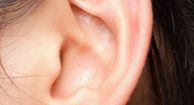

Ear discharge is one of those symptoms that can turn a perfectly normal morning into a “Should I Google this or panic quietly?” situation. The good news: not every wet, waxy, or crusty surprise from the ear means something serious. The not-so-fun news: ear drainage can also point to an infection, a ruptured eardrum, an injury, or a condition that needs prompt medical care.
Medically, ear discharge is often called otorrhea. It simply means fluid is coming out of the ear. That fluid may be clear, yellow, white, greenish, bloody, watery, thick, smelly, or waxy. The appearance can offer clues, but it does not replace a proper ear exam. Your ear is a tiny sound studio with delicate equipment inside, and it is not the place for guesswork, cotton swab excavation, or “my neighbor said vinegar fixes everything” experiments.
This guide explains the common causes of ear discharge, how doctors diagnose it, what treatments may be used, when to seek urgent help, and how to prevent recurring ear drainage. Consider it your friendly, no-drama roadmap to understanding what your ear may be trying to say.
What Is Ear Discharge?
Ear discharge is any fluid that drains from the ear canal. Sometimes it is harmless earwax, which naturally protects the ear by trapping dust and helping prevent infection. Other times, drainage may be a sign of irritation, inflammation, or infection in the outer or middle ear.
The ear has three main sections: the outer ear, the middle ear, and the inner ear. Discharge usually comes from the outer ear canal or the middle ear, especially if the eardrum has a small tear or perforation. Inner ear problems more often cause dizziness, balance issues, hearing changes, or ringing, rather than visible drainage.
Common Types of Ear Discharge
Clear Ear Discharge
Clear fluid may occur after swimming, showering, or mild irritation. However, clear watery drainage after a head injury, ear surgery, or significant trauma can be more concerning and should be evaluated right away. Rarely, clear fluid can be cerebrospinal fluid, which needs urgent medical attention.
Yellow, White, or Green Ear Discharge
Yellow, white, or greenish fluid may suggest pus from an infection. It can happen with swimmer’s ear, middle ear infection, or chronic ear disease. If the fluid smells bad, the infection may be more advanced or trapped behind debris in the ear canal.
Bloody Ear Discharge
Blood from the ear may come from a scratch in the ear canal, a ruptured eardrum, a foreign object, trauma, or infection. Even a tiny scratch can look dramatic because the ear canal is sensitive and narrow. Still, bloody drainage deserves medical evaluation, especially if it follows injury, severe pain, hearing loss, or dizziness.
Waxy or Brown Ear Discharge
Brown, orange, or sticky drainage is often earwax. Earwax is not “dirt,” despite its terrible public relations campaign. It is part of the ear’s cleaning system. But impacted earwax can cause fullness, muffled hearing, itching, odor, discomfort, or occasional discharge.
Main Causes of Ear Discharge
1. Middle Ear Infection
A middle ear infection, also called otitis media, develops behind the eardrum. It often follows a cold, sinus infection, flu-like illness, or allergies that block the eustachian tube. When fluid builds up behind the eardrum, bacteria or viruses can grow, pressure increases, and pain begins.
If pressure becomes too high, the eardrum may rupture. This can cause sudden ear drainage, sometimes with relief from pain because the pressure has finally escaped. The eardrum often heals, but a healthcare provider should examine it to confirm the diagnosis and recommend treatment.
Common signs of middle ear infection include ear pain, fever, hearing difficulty, pressure, fussiness in children, trouble sleeping, balance problems, and fluid draining from the ear.
2. Swimmer’s Ear
Swimmer’s ear, or otitis externa, is an infection or inflammation of the outer ear canal. It is called swimmer’s ear because moisture trapped in the ear creates a cozy little resort for bacteria. Unfortunately, bacteria do not check out politely.
Swimming is a common trigger, but shower water, earbuds, hearing aids, eczema, scratching, or cotton swab use can also irritate the ear canal. Symptoms may include itching, redness, pain that worsens when touching the outer ear, swelling, muffled hearing, and yellow or green drainage.
3. Ruptured Eardrum
A ruptured eardrum is a tear or hole in the thin tissue separating the ear canal from the middle ear. It may happen from infection, sudden pressure changes, loud blasts, injury, or inserting objects into the ear. Drainage may be clear, bloody, or pus-like.
Other symptoms can include sudden pain, hearing loss, ringing, dizziness, or a feeling that air escapes from the ear. Many small ruptures heal on their own, but the ear should be kept dry and checked by a clinician.
4. Earwax Buildup
Earwax usually moves out naturally. Problems begin when it becomes impacted or pushed deeper into the canal. Cotton swabs are famous for this. They may look helpful, but inside the ear canal they often behave like tiny wax bulldozers.
Impacted wax can cause fullness, decreased hearing, ringing, itching, odor, discomfort, and sometimes waxy drainage. If you have ear pain, discharge, bleeding, ear tubes, a history of eardrum rupture, or ear surgery, do not try at-home wax removal without medical advice.
5. Foreign Object in the Ear
Foreign objects are more common in children, who sometimes treat ears like storage compartments. Beads, food, toy parts, insects, and bits of cotton can irritate the ear canal and cause drainage, odor, pain, or bleeding.
Do not try to dig the object out, especially with tweezers or cotton swabs. That can push it deeper or injure the eardrum. A healthcare provider has proper tools and lighting for safe removal.
6. Skin Conditions in the Ear Canal
Eczema, psoriasis, seborrheic dermatitis, and allergies can affect the ear canal. Dry, cracked, itchy skin may become inflamed or infected. Some people notice flakes, clear fluid, crusting, or recurring irritation.
Treatment may involve avoiding triggers, managing skin inflammation, and using prescribed ear drops or creams. Scratching the ear canal can make symptoms worse and invite infection.
7. Chronic Ear Disease or Cholesteatoma
Persistent or recurring foul-smelling drainage can sometimes be linked to chronic middle ear infection or a cholesteatoma. A cholesteatoma is an abnormal skin growth behind the eardrum that can damage nearby structures over time.
This is not something to ignore or treat with random drops from the back of the medicine cabinet. Ongoing drainage, hearing loss, pressure, or odor should be evaluated by an ear, nose, and throat specialist.
8. Injury or Trauma
Ear trauma can happen from falls, sports injuries, loud noise, pressure changes, aggressive cleaning, or accidents. Drainage after head trauma is a red flag, especially if it is clear and watery, bloody, or paired with dizziness, confusion, severe headache, vomiting, or hearing loss.
When Should You See a Doctor?
Some mild ear irritation improves quickly, but ear discharge is not a symptom to casually ignore. Contact a healthcare professional if drainage lasts more than a day or two, smells bad, contains pus or blood, follows an injury, or comes with fever, worsening pain, swelling, dizziness, ringing, or hearing loss.
Children should be evaluated promptly if they have ear drainage, high fever, severe pain, unusual sleepiness, poor feeding, or symptoms lasting more than 48 hours. Babies under 6 months with possible ear infection symptoms should be checked by a clinician.
Seek urgent care immediately if ear discharge occurs after head injury, if there is facial weakness, severe dizziness, sudden hearing loss, swelling behind the ear, intense headache, stiff neck, or clear watery fluid after trauma or surgery.
How Ear Discharge Is Diagnosed
Diagnosis usually begins with questions about symptoms. A clinician may ask when the drainage started, what it looks like, whether there is pain or fever, whether you recently swam, used cotton swabs, had a cold, injured your ear, or noticed hearing changes.
The key part is the ear exam. A healthcare provider uses an otoscope, a lighted tool that allows them to inspect the ear canal and eardrum. They may look for swelling, redness, wax blockage, fluid, a foreign object, eardrum rupture, or signs of infection.
In some cases, a sample of drainage may be tested, especially if the infection is severe, unusual, recurring, or not improving with treatment. Hearing tests, imaging, or referral to an ENT specialist may be needed for chronic drainage, suspected cholesteatoma, trauma, or complications.
Treatments for Ear Discharge
Treatment Depends on the Cause
There is no one-size-fits-all cure for ear discharge. The correct treatment depends on whether the problem is wax, swimmer’s ear, middle ear infection, ruptured eardrum, skin irritation, injury, or something more complex.
Pain Relief
Ear infections can hurta lot. Over-the-counter pain relievers such as acetaminophen or ibuprofen may help when used as directed. For children, dosing should follow age and weight guidance from a pediatrician or product label. Aspirin should not be given to children or teenagers unless a doctor specifically recommends it.
Antibiotic Ear Drops
Swimmer’s ear is often treated with prescription ear drops. These may contain antibiotics, antifungal medicine, steroids to reduce swelling, or a combination. If the ear canal is very swollen, a clinician may place a small wick to help the drops reach the infected area.
Oral Antibiotics
Oral antibiotics are not always needed for ear infections. Some middle ear infections, especially mild cases in older children, may improve with observation and pain control. However, antibiotics may be prescribed for younger children, severe symptoms, persistent infection, certain bacterial infections, or people at higher risk for complications.
Keeping the Ear Dry
If you have swimmer’s ear, a ruptured eardrum, or active drainage, your provider may advise keeping the ear dry. That may mean avoiding swimming, using care while showering, and not putting unapproved drops into the ear. Water plus an irritated ear canal is basically an unwanted pool party for germs.
Earwax Removal
If impacted wax is causing symptoms, a clinician may remove it with special tools, suction, irrigation, or wax-softening drops. Do not use ear candles. They can burn skin, deposit wax, and injure the ear. They also fail the basic test of “Does this sound like something ears asked for?”
Treatment for Eardrum Rupture
A ruptured eardrum may heal on its own, but it should be monitored. Treatment may include keeping the ear dry, avoiding pressure changes, using medication if infection is present, and follow-up exams. Larger or non-healing perforations may require specialist care.
Specialist Treatment
Chronic drainage, repeated infections, suspected cholesteatoma, hearing loss, or structural problems may require an ENT specialist. Treatment may include advanced cleaning, imaging, hearing evaluation, ear tubes, repair of the eardrum, or surgery in select cases.
What Not to Do When Your Ear Is Draining
First, do not insert cotton swabs, hairpins, earbuds, tissue, or any other object into the ear canal. The ear canal is not a junk drawer, and “just a little deeper” is how many ear problems become bigger ear problems.
Second, do not use leftover prescription drops unless a healthcare provider tells you to. Some ear drops are unsafe if the eardrum is perforated. Third, avoid ear candling, forceful rinsing, and home mixtures if you have pain, blood, ear tubes, surgery history, or possible eardrum rupture.
Finally, do not ignore drainage that continues, smells bad, or comes with hearing loss, dizziness, fever, or severe pain. Ears are small, but they are close to important structures. Respect the tiny architecture.
Prevention: How to Reduce the Risk of Ear Discharge
Dry Your Ears Gently
After swimming or showering, tilt your head to each side and let water drain naturally. Dry the outer ear with a towel. A hair dryer on a low, cool setting held at a safe distance may help some people, but avoid heat and forceful air.
Avoid Cotton Swabs in the Ear Canal
Clean only the outer ear. Earwax normally moves out on its own. Putting swabs inside the canal can push wax deeper, scratch the skin, trigger infection, or damage the eardrum.
Protect Ears While Swimming
If you are prone to swimmer’s ear, ask a healthcare provider whether earplugs, swim molds, or preventive drying drops are appropriate. People with ear tubes, perforated eardrums, or chronic ear problems should get personalized advice before using drops.
Manage Allergies and Colds
Because middle ear infections often follow congestion, managing allergies, avoiding smoke exposure, washing hands, and staying up to date on recommended vaccines may help lower infection risk.
Use Hearing Devices Carefully
Hearing aids, earbuds, and earplugs can trap moisture or irritate the canal if they are dirty or poorly fitted. Clean devices as directed and give your ears breaks when possible.
Do Not Ignore Recurring Symptoms
If ear discharge keeps coming back, there may be an underlying issue such as chronic inflammation, eczema, eustachian tube dysfunction, wax impaction, or structural changes. A proper diagnosis can prevent months of “Why is my ear doing this again?” frustration.
Ear Discharge in Children
Children are especially prone to middle ear infections because their eustachian tubes are shorter and more horizontal than adults’. This makes it easier for fluid to collect behind the eardrum. Since young children may not be able to explain ear pain, parents may notice tugging at the ear, crying, poor sleep, fever, balance issues, reduced response to sounds, or drainage.
If pus or fluid comes from a child’s ear, it may mean an infection has caused the eardrum to rupture. That sounds terrifying, but many ruptures heal. The important step is getting the child checked so treatment and follow-up are appropriate.
Do not put cotton swabs, oils, herbal drops, or home remedies into a child’s draining ear unless a pediatrician recommends it. Tiny ears deserve professional attention, not a kitchen chemistry project.
Possible Complications
Most ear infections and drainage problems improve with proper care. However, untreated or recurring problems can lead to complications. These may include ongoing pain, chronic infection, temporary or lasting hearing loss, repeated eardrum perforation, spread of infection, balance problems, or damage to middle ear structures.
Complications are uncommon, but the risk increases when symptoms are ignored, treatment is delayed, or infections keep returning. That is why persistent ear discharge should be evaluated instead of being filed under “weird body stuff I hope disappears.”
Real-Life Experiences and Practical Lessons About Ear Discharge
People often describe ear discharge as confusing because it does not always arrive with dramatic symptoms. One common experience is the “morning pillow surprise.” Someone wakes up, notices a small stain on the pillowcase, and realizes one ear feels clogged. There may have been a cold the week before, mild ear pressure, and then suddenly drainage appears. In many cases, this pattern can fit a middle ear infection with fluid release, especially if pain was present before the drainage. The practical lesson is simple: drainage after pressure or pain is worth a medical check, even if the pain improves.
Another familiar story happens after swimming. A person spends the weekend in a pool, lake, or ocean, then develops itchy ear discomfort. A day later, the ear feels swollen and tender, especially when touching the outer ear. Drainage may follow. This is classic swimmer’s ear territory. The lesson here is prevention: dry ears gently after water exposure, avoid scratching the canal, and do not use cotton swabs as miniature plumbing equipment.
Parents often report that children with ear infections do not always say, “My ear hurts.” Instead, they may become cranky, sleep poorly, ignore quiet sounds, lose interest in food, or tug at one ear. Then drainage appears, and everyone in the house becomes an amateur detective. The best response is calm action: call the pediatrician, describe the drainage, note any fever, and avoid putting anything in the ear until the child is examined.
Adults with earbuds or hearing aids may notice recurring irritation or moisture. The ear canal can become sensitive when devices are worn for long periods, especially if they are not cleaned well. Some people mistake early itching for wax and start digging with cotton swabs, which makes irritation worse. A better approach is to clean devices properly, let ears dry, and ask a clinician about recurring symptoms.
People with earwax buildup often assume wax is a hygiene failure. It is not. Earwax is normal and protective. Trouble starts when wax blocks the canal or is pushed inward. Many “wax emergencies” begin with someone trying to clean too aggressively. The lesson: clean the outer ear, leave the canal alone, and seek safe wax removal if hearing becomes muffled or the ear feels blocked.
The biggest experience-based takeaway is that ear discharge is not a diagnosis; it is a clue. The color, smell, timing, pain level, and trigger all matter. Drainage after swimming is different from drainage after head trauma. Waxy discharge is different from pus. Recurring foul-smelling fluid is different from a one-time watery drip after a shower. When in doubt, get the ear examined. It is faster, safer, and much less stressful than treating your ear like a mystery podcast.
Conclusion
Ear discharge can be harmless wax, but it can also signal swimmer’s ear, middle ear infection, ruptured eardrum, injury, skin inflammation, chronic ear disease, or a foreign object. The smartest approach is to pay attention to the details and avoid poking, flushing, candling, or guessing.
Seek medical care if drainage is bloody, pus-like, foul-smelling, persistent, painful, or linked with fever, dizziness, hearing loss, swelling, injury, or symptoms in a young child. Most causes are treatable, especially when diagnosed early. Your ears do a lot for youhearing music, catching conversations, detecting suspicious refrigerator noises at midnightso they deserve careful care.
Note: This article is for general educational purposes and does not replace diagnosis or treatment from a licensed healthcare professional. Anyone with severe, persistent, recurring, or injury-related ear discharge should seek medical evaluation.
SEO Tags