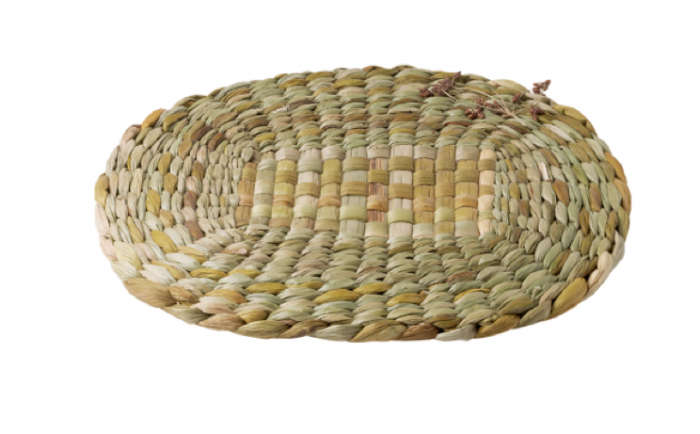

An English Rush Table Mat sounds almost suspiciously simple: a mat, some rush, a table, done. But then you put one under a dinner plate and suddenly your table looks like it has read poetry, visited a cottage garden, and developed excellent manners. This humble woven table accessory brings together craftsmanship, natural texture, dining practicality, and a very British sense of quiet beauty.
Made traditionally from bulrush or freshwater rush, an English rush table mat is more than a placemat. It is a small piece of functional craft. It protects the table, frames the plate, softens the look of a dining setting, and adds an organic layer that works with farmhouse kitchens, modern apartments, rustic dining rooms, coastal cottages, and even that one dining table currently buried under unopened mail.
In today’s home decor world, where people want sustainable materials, handmade objects, and table settings that feel personal rather than mass-produced, rush table mats have found a fresh audience. They offer warmth without fuss, style without shouting, and texture without needing a dramatic centerpiece that blocks everyone’s view of the mashed potatoes.
What Is an English Rush Table Mat?
An English rush table mat is a woven dining mat typically made from natural bulrushes or freshwater rushes. These rushes are harvested, dried, sorted, and woven by hand into flat mats used beneath plates, bowls, serving dishes, teapots, or decorative objects. The final product may be round, oval, rectangular, or custom-shaped, depending on the maker and intended use.
The phrase “English rush” often points to traditional rush weaving associated with areas such as Bedfordshire and East Anglia, where rush craft has a long history. Rushes grow in wetland and river environments, making them a renewable natural material when harvested responsibly. Once dried, they develop subtle variations in color: honey, straw, pale green, beige, wheat, and soft brown. No two mats look exactly alike, which is precisely the point. Perfection is for phone screens. A rush mat is allowed to have personality.
Why English Rush Table Mats Are Popular Again
Natural dining accessories are having a very good decade. Homeowners are moving away from overly glossy, plastic-heavy table decor and choosing materials that feel tactile, relaxed, and real. Woven placemats made from rush, rattan, seagrass, jute, water hyacinth, and similar fibers have become popular because they instantly make a table feel warmer.
They Add Texture Without Clutter
A rush table mat gives your place setting visual depth. Even a plain white dinner plate looks more intentional when placed on a woven base. The mat acts like a frame around the plate, creating contrast between smooth ceramic and organic fiber. This is especially useful if your table setting is simple. You do not need seven forks, three glasses, and a floral arrangement the size of a shrub. A rush mat quietly does the styling work.
They Fit Many Interior Styles
English rush table mats work beautifully in cottagecore, farmhouse, Scandinavian, rustic, coastal, traditional, minimalist, and modern organic interiors. On a dark wood table, they brighten the setting. On a white table, they add warmth. On a glass table, they reduce visual coldness. On a slightly scratched table, they perform a small decorative miracle.
They Feel Handmade and Human
Mass-produced table accessories can look identical, which is convenient but sometimes a little lifeless. Rush table mats show slight differences in weave, tone, and edge shape. Those variations remind you that someone handled the material, worked with its natural bend, and created an object meant to be used. That human quality is a big part of their appeal.
The Craft Behind Rush Weaving
Rush weaving is an old craft with roots in practical household life. Historically, rushes were used for floor coverings, chair seats, baskets, mats, and other domestic items. The material was valued because it was available, flexible, and durable when properly dried and woven. In England, rush matting became associated with rural craft traditions, especially in regions where wetlands and riverbanks provided suitable plants.
The process begins with harvesting. Rushes are cut at the right stage of growth, then dried naturally. Drying matters because moisture affects color, flexibility, and long-term durability. After drying, the rushes are prepared for weaving. Skilled makers select strands, moisten them if needed for flexibility, and weave them into patterns that may look simple but require steady hands and patience.
A good English rush table mat should feel firm but not stiff, textured but not scratchy, rustic but not messy. The weave should be tight enough to hold its shape and flat enough to support plates safely. When done well, the mat has a soft, grassy character that makes the table feel relaxed and welcoming.
English Rush Table Mat vs. Other Natural Placemats
Rush table mats are often compared with rattan, jute, seagrass, bamboo, cork, and linen placemats. Each material has its strengths, but rush has a special balance of softness, structure, and natural variation.
Rush vs. Rattan
Rattan placemats are usually firmer and more rigid. They can look elegant and tropical, but they may feel harder under plates. Rush mats tend to have a softer, more pastoral appearance. If rattan says “resort breakfast,” rush says “fresh bread, garden herbs, and someone remembered to chill the butter.”
Rush vs. Jute
Jute is thicker and more rope-like. It works well for casual tables and boho decor, but it can shed fibers or feel coarse depending on the weave. Rush is often smoother and lighter in tone, making it easier to pair with both casual and refined settings.
Rush vs. Seagrass
Seagrass placemats are durable and widely available. They often have a glossy surface and a strong woven look. Rush mats, especially English bulrush versions, usually feel more artisanal and traditional. Both are great choices, but rush has a gentler, handmade charm.
Rush vs. Linen
Linen placemats are soft, foldable, and washable, which makes them practical for frequent entertaining. Rush mats are less washable but more sculptural. Linen adds elegance; rush adds texture. The best answer, naturally, is to own both and pretend this is a carefully curated design strategy rather than a placemat habit.
How to Style an English Rush Table Mat
The beauty of an English rush table mat is that it does not need complicated styling. Its natural texture already brings interest to the table. Still, a few thoughtful choices can make it shine.
For Everyday Dining
Pair rush mats with white plates, stainless steel flatware, and cotton napkins. This creates a clean, fresh look suitable for breakfast, lunch, and weeknight dinners. Add a small bowl of fruit or a simple ceramic vase, and the table looks finished without becoming formal.
For Farmhouse Style
Use rush table mats with stoneware dishes, linen napkins, wooden serving boards, and warm-toned glassware. The result feels cozy and grounded. This is the perfect setting for roast chicken, soup, sourdough, or any meal that makes people say, “I’ll just have a little more,” while already reaching for the spoon.
For Coastal Decor
Combine rush mats with blue-and-white plates, clear glassware, and pale napkins. The woven texture brings a beachy feeling without using seashells, anchors, or signs that say “Relax” in distressed paint. It feels natural rather than themed.
For Modern Minimalist Tables
Place rush mats on a dark, black, or white table and add matte ceramic plates. Keep the rest of the table simple. The mat becomes the main texture, proving that minimalism does not have to be cold or joyless.
Choosing the Right Size and Shape
Placemats commonly come in rectangular, round, oval, and square shapes. For traditional rectangular dining tables, rectangular mats are practical because they align neatly with the table edge. Round mats work well on round or square tables and soften angular furniture. Oval rush mats are especially attractive because they echo the organic shape of the material and give the setting a handcrafted look.
When choosing a rush table mat, consider the size of your dinner plates. The mat should be large enough to frame the plate, but not so large that neighboring mats overlap awkwardly. A mat around 14 to 15 inches across works well for many round settings, while oval or rectangular mats may offer more room for cutlery and glasses. If your dining table is small, measure before buying. Guessing is how people end up with placemats that turn dinner into a game of tabletop Tetris.
Practical Benefits of an English Rush Table Mat
Although rush table mats are beautiful, they are also useful. A woven mat helps define each place setting and protects the table surface from light scratches, plate movement, crumbs, and minor heat exposure from warm dishes. It can also reduce noise, especially if you use ceramic plates on a hard tabletop.
However, natural rush is not the same as silicone, vinyl, or a heatproof trivet. It should not be treated like armor for your table. Very hot pans, oily dishes, and wet serving bowls can damage natural fibers. Use a proper trivet for hot cookware and reserve rush mats for plates, bowls, cups, and decorative layering.
How to Clean and Care for Rush Table Mats
Care is simple, but it requires restraint. The best way to clean an English rush table mat is to wipe it gently with a slightly damp cloth. For dry crumbs, shake the mat outdoors or brush it lightly with a soft cloth. If there is a small spill, blot it quickly rather than rubbing it deep into the fibers.
Avoid soaking rush mats in water. Natural fibers can swell, warp, stain, or develop mildew if left damp. Do not put them in the dishwasher, washing machine, or sink. A rush mat wants a spa day about as much as a paperback book does.
After wiping, let the mat air dry completely before storing it. Store mats flat if possible, or stacked in a dry place with good airflow. Keep them away from long-term moisture and direct harsh sunlight, which may fade or dry the fibers unevenly.
Are English Rush Table Mats Eco-Friendly?
English rush table mats can be an eco-conscious choice when made from responsibly harvested natural rush and crafted for long-term use. Their appeal comes from renewable plant material, low-tech production methods, and durability when properly cared for. Unlike disposable paper placemats or synthetic mats that may wear out quickly, a good rush mat can stay useful for years.
That said, sustainability depends on sourcing, production, shipping, and usage. A handmade mat that is kept for years is usually a better environmental choice than a trendy item replaced every season. The greenest table mat is the one you actually use, care for, and do not toss the moment a new color trend appears on social media.
Where an English Rush Table Mat Works Best
Rush table mats are excellent for breakfast nooks, family dining tables, garden lunches, tea settings, kitchen islands, holiday brunches, and relaxed dinner parties. They are also useful as decorative bases under vases, candles, fruit bowls, bread baskets, and serving platters.
They may not be ideal for messy toddlers, extremely saucy meals, or outdoor dining in damp weather. If the menu involves barbecue sauce, beet salad, or children with mysterious sticky fingers, you may want washable placemats for that meal. Rush mats are practical, but they are not superheroes.
Buying Tips: What to Look For
When shopping for an English rush table mat, look closely at the weave, thickness, edge finish, and material description. A quality mat should sit flat, feel secure under a plate, and have a tight weave without loose strands everywhere. Slight color variation is normal and desirable, but large stains, brittle areas, or uneven warping are warning signs.
Check whether the mat is handmade, where the rush was harvested, and how the seller recommends cleaning it. If the product description says “natural rush,” “bulrush,” “freshwater rush,” or “handwoven,” that is a good start. If it says “rush style” but the material is plastic, you are looking at an imitation. That may still be useful, but it is not the same thing.
Common Mistakes to Avoid
Using Rush Mats as Hot Pads
A rush table mat can handle normal dining use, but it should not replace a trivet. Very hot cookware may scorch, dry, or distort natural fibers.
Over-Cleaning
Natural rush does not need aggressive scrubbing. A damp cloth and quick blotting are usually enough. Too much water can create more trouble than the original spill.
Ignoring Table Proportions
Large mats on a small table can make dining feel cramped. Leave space between place settings so guests are not elbow-wrestling over the salad fork.
Expecting Identical Color
Natural rush varies in shade. That is part of the charm. If you want perfect uniformity, choose synthetic or printed placemats instead.
Why This Small Table Accessory Makes a Big Difference
An English rush table mat proves that table decor does not have to be expensive, shiny, or complicated to be beautiful. It brings nature into the dining room in a quiet, useful way. It works with everyday meals and special occasions. It protects the table, improves the place setting, and makes even a quick sandwich look like it belongs in a lifestyle magazine with excellent lighting.
The best home accessories are the ones that combine beauty and purpose. A rush mat does exactly that. It is not just decoration. It is not just protection. It is a small ritual: setting the table, placing the plate, slowing down for a meal, and making ordinary dining feel considered.
Personal Experiences With English Rush Table Mats
The first time you use an English rush table mat, you may notice something funny: the food does not change, but the meal feels better. A bowl of soup suddenly looks intentional. Toast and jam look charming instead of rushed. Even takeout noodles gain a little dignity, which is honestly generous of the mat.
One of the best experiences with rush mats is how quickly they make a table feel warm. Many dining tables, especially modern ones, have hard surfaces: glass, lacquer, marble, painted wood, or polished veneer. These surfaces can be beautiful, but they sometimes feel cold. A rush mat changes that immediately. The woven surface softens the sound of plates, adds a natural frame, and makes the table feel more inviting.
Another pleasant surprise is how versatile the mat becomes beyond formal dining. It can sit under a teapot during an afternoon break, hold a small vase of flowers, support a fruit bowl, or create a decorative base for candles. In a small apartment, where every item needs to earn its storage space, that flexibility matters. A rush table mat is not a one-job object. It moonlights.
In daily use, the most important lesson is to treat it like a natural material, not a plastic placemat. Wipe it after meals, keep it dry, and avoid letting oily sauces sit on it. If a few crumbs fall into the weave, shake it gently. If someone spills coffee, blot quickly and resist the urge to attack it like a crime scene. The mat will age better when cared for calmly.
Rush mats also teach a small design lesson: texture matters. You can set a table with plain white plates, simple glasses, and basic flatware, but once a woven rush mat is added, the setting feels layered. It does not need bright colors or elaborate patterns. The natural weave supplies visual interest on its own. This is especially helpful for people who want a beautiful table but do not want to store twelve seasonal tablescapes in a closet already negotiating for mercy.
Guests tend to notice handmade-looking pieces. They may ask what the mat is made from, where it came from, or whether it is vintage. That makes an English rush table mat a quiet conversation starter. It adds a story to the meal without demanding attention. Unlike a giant centerpiece, it does not interrupt eye contact or require guests to peer around decorative branches while asking for salt.
Over time, the mat may develop slight changes in tone. This is not a flaw; it is part of living with natural fibers. The color softens, the texture settles, and the mat becomes familiar. In a home filled with disposable products and fast-changing trends, that kind of gentle aging feels refreshing. It reminds you that useful objects can be beautiful because they are used, not despite it.
The best experience, ultimately, is the simplest one: setting the table before a meal and feeling that small lift of satisfaction. The English rush table mat makes everyday dining feel more thoughtful. It does not require a special occasion. It turns Tuesday dinner into something a little more graceful, and frankly, Tuesday can use the help.
Conclusion
An English Rush Table Mat is a small object with a surprisingly rich personality. It carries craft history, natural beauty, practical function, and timeless table appeal. Whether you use it for everyday meals, weekend brunch, holiday dining, or quiet tea moments, it adds texture and warmth without overwhelming the table.
Choose a well-woven mat, care for it gently, and let its natural color variations do what synthetic decor often cannot: make your dining space feel alive. In a world of fast products and faster meals, a rush table mat invites you to slow down, set the table, and enjoy the simple pleasure of eating in a space that feels cared for.