
Note: This article is for general education only. Vaccine recommendations can change, and your child’s best schedule depends on age, health history, previous doses, local requirements, and your pediatrician’s guidance.
Introduction: Tiny Shots, Big Protection
Children’s vaccines can feel like one of those parenting topics that arrives with a clipboard, a calendar, and 47 opinions from relatives who “read something online.” One minute you are trying to remember whether your baby ate the blue crayon or just held it dramatically; the next, you are staring at an immunization schedule wondering why the alphabet has suddenly become medical: DTaP, Hib, MMR, IPV, HPV.
The good news is that childhood vaccines are not random. They are recommended at specific ages because babies and children face certain disease risks at certain stages, and vaccines work best when given before exposure. In the United States, pediatric vaccine schedules are reviewed regularly by medical and public health experts. The goal is simple: protect children from serious, preventable diseases before those diseases get a chance to cause trouble.
This FAQ explains how children’s vaccines work, why timing matters, what side effects are common, what parents should ask at appointments, and how to handle delayed or missed shots. Think of it as a calm, practical guide for parents who want facts without needing a PhD in immunology or a second cup of panic.
What Are Children’s Vaccines?
Children’s vaccines are medical products that teach the immune system to recognize specific viruses or bacteria. Instead of waiting for a child to get sick from a dangerous infection, vaccines give the immune system a safe preview. Later, if the real germ shows up, the body can respond faster and more effectively.
Vaccines may be given as shots, oral drops, or nasal sprays, depending on the vaccine. Some contain weakened germs, some contain inactivated germs, and others contain only small pieces or instructions that help the immune system learn what to watch for. The exact design varies, but the purpose is the same: build protection without causing the disease itself.
Why Are Vaccines Important for Children?
Children are still developing immune protection. Some vaccine-preventable diseases, such as measles, whooping cough, Hib disease, polio, pneumococcal disease, and meningococcal disease, can be especially serious for babies, toddlers, and teens. Vaccines reduce the risk of severe illness, complications, hospitalization, and outbreaks.
Vaccination also protects people around the child. Newborns too young for certain vaccines, children with immune system conditions, pregnant people, grandparents, and medically vulnerable family members all benefit when preventable diseases have fewer places to spread. In plain English: vaccines are not just a tiny shield; they are also a community umbrella.
FAQ: Children’s Vaccines
1. What vaccines do children usually need?
Common childhood vaccines in the U.S. may protect against hepatitis B, rotavirus, diphtheria, tetanus, pertussis, Hib, pneumococcal disease, polio, influenza, measles, mumps, rubella, chickenpox, hepatitis A, HPV, meningococcal disease, COVID-19, and RSV-related illness for eligible infants or children. The exact list and timing can vary based on current guidance, product availability, health conditions, and previous vaccine history.
Because schedules are updated and may differ between federal recommendations, professional medical organizations, and state school requirements, parents should ask their child’s doctor which schedule applies to their child right now.
2. Why do babies get vaccines so early?
Babies receive vaccines early because some diseases are most dangerous in infancy. For example, whooping cough can be severe in young babies, and hepatitis B can become a long-term infection if acquired early in life. Vaccines are timed to provide protection before children are most likely to face serious risk.
It may feel surprising that a newborn or two-month-old needs vaccines, but the schedule is designed around vulnerability, not convenience. Germs do not politely wait until a child can tie shoes.
3. Can children’s immune systems handle several vaccines at once?
Yes. A healthy child’s immune system encounters thousands of germs and foreign substances through normal daily life: eating, crawling, playing, petting the dog, and occasionally licking something no adult approved. Vaccines contain carefully measured ingredients and represent only a small challenge compared with what the immune system handles every day.
Combination vaccines can reduce the number of injections while protecting against multiple diseases. Giving more than one vaccine at a visit is common because it helps children stay protected on time and reduces the number of separate appointments.
4. Are children’s vaccines safe?
Vaccines used in the United States go through testing and regulatory review before they are authorized or licensed. After use begins, safety monitoring continues through systems that look for possible side effects or unusual patterns. This ongoing monitoring is important because vaccine safety does not stop after approval.
Like any medical product, vaccines can cause side effects. Most are mild and short-lived, such as soreness, redness, swelling, fussiness, tiredness, or a low fever. Severe allergic reactions are rare, but clinics are prepared to respond if they happen.
5. What side effects should parents expect?
The most common side effects are mild. A child may have a sore arm or leg, slight swelling where the shot was given, sleepiness, reduced appetite, fussiness, or a low-grade fever. These signs usually mean the immune system is responding.
Parents can help by offering fluids, comfort, cuddles, and rest. For pain or fever medicine, ask the pediatrician what is appropriate for the child’s age and weight. Do not give aspirin to children unless a doctor specifically says to do so.
6. When should parents call a doctor after vaccines?
Call a doctor if your child has a high fever, unusual sleepiness, persistent crying, symptoms that worry you, or side effects that do not improve. Seek emergency care right away for signs of a severe allergic reaction, such as trouble breathing, swelling of the face or throat, widespread hives, weakness, or collapse.
Serious reactions are uncommon, but parents should trust their instincts. If something feels wrong, it is better to ask than to sit at home conducting a nervous internet investigation at midnight.
7. Do vaccines cause the diseases they are meant to prevent?
Most vaccines cannot cause the disease they prevent. Inactivated vaccines, subunit vaccines, and many newer vaccine types do not contain live germs capable of causing illness. Some vaccines use weakened live viruses, but they are designed for healthy immune systems and are not the same as getting the full disease.
Children with certain immune system problems may need special guidance about live vaccines. That is one reason pediatricians review health history before vaccination.
8. What about vaccine ingredients?
Vaccine ingredients serve specific purposes. Some help the immune system respond, some keep the vaccine stable, and some prevent contamination during manufacturing or storage. Ingredients are measured carefully and reviewed as part of vaccine safety evaluation.
Parents often worry when ingredient names sound like they escaped from a chemistry textbook. That concern is understandable. The key question is not whether an ingredient has a long name, but whether the amount and purpose are safe in the vaccine. Pediatricians can explain ingredients in plain language if parents have questions.
9. Do vaccines cause autism?
Large studies over many years have not shown that recommended childhood vaccines cause autism. Autism signs often become noticeable around the same early-childhood years when several vaccines are given, which can make the timing feel connected. Timing, however, is not the same as cause.
Parents who have concerns about development should absolutely talk with their pediatrician. Developmental screening and early support matter. Skipping vaccines, however, does not prevent autism and can leave a child vulnerable to preventable infections.
10. What if my child missed vaccines?
Missed vaccines happen. Families move, illnesses interrupt appointments, insurance changes, reminders vanish into backpack black holes, and life occasionally behaves like a spilled smoothie. The important thing is to catch up.
Children usually do not need to restart an entire vaccine series because of a delay. Pediatricians use catch-up schedules to determine which doses are needed and how far apart they should be given. Bring any immunization records you have, including records from previous clinics, schools, pharmacies, or health departments.
11. Can my child get vaccines while mildly sick?
Many children can still receive vaccines if they have a mild illness, such as a cold, mild diarrhea, or a low fever. A moderate or severe illness may lead the doctor to delay vaccination until the child feels better. The decision depends on symptoms, vaccine type, and the child’s health history.
If your child wakes up with sniffles on vaccine day, do not automatically cancel. Call the clinic and ask. Pediatric offices are very familiar with the classic parenting question: “Is this sick enough to reschedule?”
12. Are vaccine schedules the same for every child?
Not always. Most healthy children follow a routine schedule, but some children need adjusted timing. Premature infants, children with immune system conditions, children taking certain medications, children with chronic diseases, and children traveling internationally may need special vaccine planning.
State school and childcare requirements may also differ from medical recommendations. A vaccine may be recommended even if it is not required for school. Parents should ask both medical and school-related questions early, especially before kindergarten, middle school, college, camp, or travel.
13. Why do some vaccines require more than one dose?
Some vaccines need multiple doses to build strong, lasting protection. The first dose introduces the immune system to the target. Later doses strengthen and extend the response. Booster doses remind the immune system to stay ready.
This is similar to learning a skill. One piano lesson does not make a concert pianist, and one spelling quiz does not create a dictionary. The immune system also benefits from practice.
14. What is herd immunity?
Herd immunity, also called community protection, happens when enough people are immune that a disease has trouble spreading. This helps protect people who cannot be vaccinated or who may not respond strongly to vaccines.
Community protection is especially important for babies too young for certain vaccines and people with weakened immune systems. When vaccination rates fall, outbreaks become easier. Measles is a classic example because it spreads very easily among unvaccinated people.
15. How should parents prepare for a vaccine appointment?
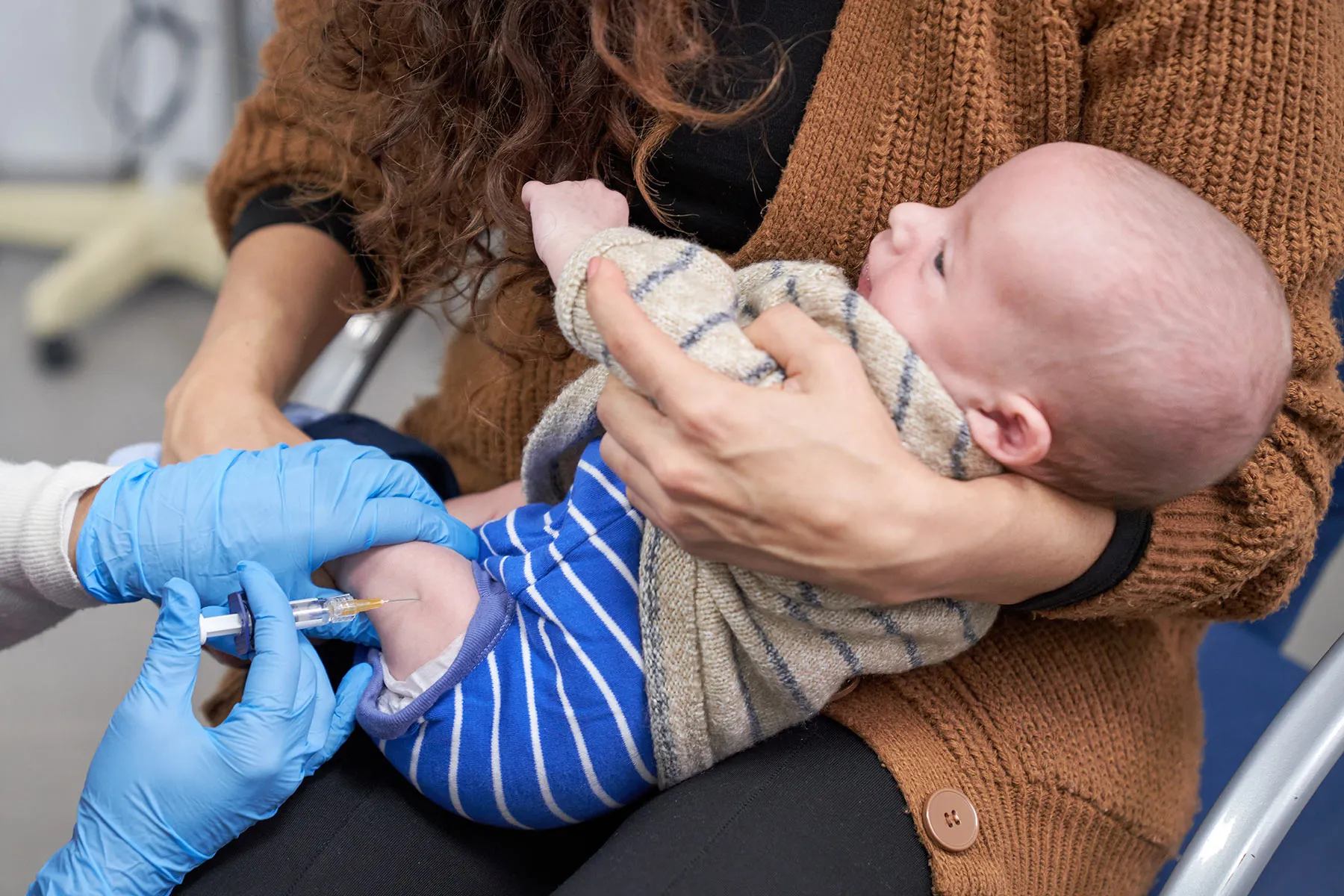
Bring your child’s vaccine record, insurance information if needed, and a list of questions. For babies, pack a bottle, pacifier, blanket, or favorite comfort item. For older children, explain what will happen using honest, calm language. Try saying, “You will feel a quick pinch, then it will be done,” rather than promising, “It will not hurt.” Children appreciate honesty, and they have excellent memory skills when adults make bold claims.
After the appointment, keep the vaccine record in a safe place. Many schools, camps, sports programs, and colleges ask for immunization documentation later.
Practical Tips for Parents
Ask Better Questions
Instead of asking, “Are vaccines good or bad?” ask more useful questions: Which vaccines are due today? What diseases do they prevent? What side effects should I expect? What symptoms should make me call? When is the next dose due? Are there any vaccines my child needs because of travel, health conditions, or local outbreaks?
Keep Records Organized
Use your clinic’s patient portal, your state immunization registry if available, and a personal folder for vaccine records. Take a photo of paper records as backup. Future You will be grateful when a school form appears with the dramatic urgency of a fire alarm.
Use Comfort Strategies
For babies, feeding, cuddling, swaddling, or gentle distraction can help. For toddlers and school-age children, bubbles, songs, counting games, deep breathing, or letting them choose which arm can provide a sense of control. Teens may appreciate privacy, clear explanations, and not being teased if they feel nervous. Needle anxiety is common and manageable.
Do Not Rely on Social Media Alone
Social media can be useful for recipes, birthday ideas, and discovering that someone has built a tiny sweater for a lizard. It is not the best place to make medical decisions. Use trusted medical sources and ask your child’s healthcare professional to explain confusing claims.
Common Myths About Children’s Vaccines
Myth: Natural infection is better than vaccination.
Natural infection may create immunity, but it can come at a high cost. Measles can lead to pneumonia or brain inflammation. Chickenpox can cause severe skin infections or complications. Whooping cough can be dangerous for infants. Vaccines aim to build protection without forcing the child to gamble with the disease.
Myth: Healthy kids do not need vaccines.
Healthy children can still get serious infections. In fact, vaccines are often most effective when given before a child becomes exposed. Health is not a force field. It is more like a well-built house: vaccines add locks, alarms, and weatherproofing.
Myth: Too many vaccines overwhelm children.
The immune system is built to respond to many challenges at once. Children encounter germs constantly through normal life. Vaccine schedules are designed to protect children at the right ages while keeping visits practical and safe.
Myth: If a disease is rare, vaccination is unnecessary.
Many vaccine-preventable diseases are rare because vaccination keeps them rare. When vaccination rates drop, diseases can return. Prevention often looks boring when it is working, which is unfair because boring is exactly what we want from infectious diseases.
Real-Life Experiences: What Parents Often Learn About Children’s Vaccines
Many parents describe the first vaccine visit as emotionally harder for them than for the baby. The baby cries for a short time, gets cuddled, and often moves on with impressive speed. The parent, meanwhile, may replay the moment all afternoon like it was a dramatic movie scene. This is normal. Caring about your child’s comfort does not mean you are overreacting; it means you are a parent with a functioning heart.
One common experience is that preparation makes the appointment easier. Parents who bring a bottle, pacifier, favorite blanket, or small toy often feel more in control. For older children, a quick explanation before the visit helps reduce fear. The best approach is honest and simple: “We are going to the doctor. You need a vaccine to help your body fight germs. It will be a quick pinch, and then we will be done.” This avoids surprises, which children generally rank somewhere between “lost snack” and “betrayal.”
Another experience parents share is that children take emotional cues from adults. If a parent looks terrified, whispers urgently, or says, “This is going to be awful,” the child may become more anxious. Calm does not mean pretending shots are a carnival ride. It means showing confidence: “I know you can do this. I will help you.” A steady voice, relaxed face, and quick comfort afterward can make a real difference.
Parents of toddlers often discover that distraction is not a minor tool; it is a superpower. Bubbles, counting ceiling tiles, singing a silly song, watching a short video, or asking the child to blow out an imaginary candle can redirect attention. Some clinics use comfort holds, where the child sits securely on a parent’s lap instead of being held down flat. This can feel safer and less scary.
Parents of school-age children may find that giving choices helps. The child usually cannot choose whether a required vaccine is due, but they may choose which arm, whether to count down, whether to look away, or what treat or activity happens afterward. Small choices create a sense of control. The reward does not need to be huge. A sticker, extra story, playground stop, or favorite snack can turn the memory from “medical doom” into “I handled that.”
Parents of teens often learn not to assume confidence. A teenager may be taller than a parent and still nervous about needles. Privacy and respect matter. Saying, “Lots of people feel nervous about shots,” is better than teasing. Encourage hydration, sitting during the shot, and speaking up if they feel faint. Some teens appreciate knowing exactly which vaccine they are getting and why it matters, especially HPV, meningococcal, Tdap, flu, or college-related vaccines.
Another practical lesson: side effects are usually manageable, but planning helps. A child may be sleepy, fussy, or sore after vaccines. Scheduling a quiet evening, offering fluids, and avoiding an overloaded day can make recovery easier. Parents should ask the pediatrician what symptoms are expected and when to call. That one question can prevent a long night of guessing.
Finally, parents often learn that vaccine conversations work best as an ongoing relationship with the pediatrician, not a one-time debate. Good doctors welcome questions. Parents should never feel embarrassed for asking about ingredients, timing, side effects, or catch-up doses. The goal is not to “win” a conversation. The goal is to protect the child with clear information, practical planning, and a little kindness for everyone involved.
Conclusion: Confidence Comes From Clear Information
Children’s vaccines are one of the most important tools parents have to protect kids from serious infectious diseases. The schedule may look complicated at first, but each vaccine has a purpose, each dose has timing behind it, and each visit is a step toward stronger protection.
Parents do not need to memorize every abbreviation or become vaccine historians. They need a trusted pediatrician, accurate records, thoughtful questions, and a plan for keeping appointments on track. When concerns come up, ask. When a dose is missed, catch up. When online claims sound frightening, pause before sharing and check reliable medical sources.
Childhood is full of bumps, sniffles, mystery stains, and unexpected questions from the back seat. Vaccines cannot prevent all of that. But they can help prevent many serious diseases that no child should have to face if protection is available.