
Note: This article explains the 2024 Dungeons & Dragons feat rules in a publisher-friendly way without copying official rule text verbatim.
Feats in One D&D 2024 are no longer the side dish players maybe remembered after arguing over who forgot to bring snacks. In the 2024 Player’s Handbook rules, feats have become one of the main engines of character identity, build planning, and long-term progression. They are tied to backgrounds, organized into clearer categories, and designed to make choices feel meaningful without forcing every player to choose between “cool ability” and “please let my main stat go up.”
For players coming from 2014 D&D 5e, the biggest change is philosophical: feats are not just optional spice anymore. They are built directly into character creation and level advancement. Your background can grant an Origin Feat at level 1, many later feats include an ability score increase, Fighting Styles now live in the feat system, and Epic Boons finally give high-level characters something flashier than politely becoming slightly better at math.
This guide breaks down how feats work in One D&D 2024, what changed from 2014 5e, how the new feat categories function, and what players and Dungeon Masters should watch for when building characters under the revised rules.
What Are Feats in One D&D 2024?
In simple terms, feats are special character options that give a hero new capabilities beyond class features, species traits, spells, and equipment. A feat might improve initiative, add spells, boost hit points, sharpen combat tactics, improve crafting, expand skill use, or grant supernatural high-level power.
In 2014 5e, feats were technically optional. A table could ignore them completely, and many characters had to trade an Ability Score Improvement for a feat. That made feats exciting but expensive. Want Great Weapon Master? Wonderful. Your Strength might have to wait in line like everyone else at the tavern bar.
In the 2024 rules, feats are more structured. They are grouped into categories, assigned clearer prerequisites, and woven into the character-building process. The design goal is easy to see: make feats easier to understand, easier to balance, and more useful at the level where they appear.
The Four Main Feat Categories in D&D 2024
The 2024 rules organize feats into four major categories: Origin Feats, General Feats, Fighting Style Feats, and Epic Boon Feats. Each category tells you roughly when the feat appears, who can take it, and what kind of power level to expect.
Origin Feats: Your Level 1 Identity Button
Origin Feats are the new character-starting perks. They usually come from your background and represent what your character learned before becoming an adventurer. A guard might be Alert, a farmer might be Tough, a scholar might gain Magic Initiate, and a musician can become the party’s emotional support bard without legally becoming a bard.
This is one of the most important changes in D&D 2024. Backgrounds now matter mechanically in a much bigger way. They can influence ability score increases, skills, tools, equipment, and an Origin Feat. That means “I was a sailor” is no longer just a sentence you say before immediately falling into a dungeon. It affects what your character can actually do.
Common Origin Feats include options such as Alert, Crafter, Healer, Lucky, Magic Initiate, Musician, Savage Attacker, Skilled, Tavern Brawler, and Tough. These feats are generally useful but not meant to overshadow class features. They are the first layer of customization: small, flavorful, and strong enough to matter.
General Feats: The Core Build Choices
General Feats are the familiar build-shaping feats most players think of when they hear the word “feat.” These are typically available starting at level 4 or later, when classes receive the Ability Score Improvement feature.
The big 2024 twist is that many General Feats are now “half-feats,” meaning they grant a useful feature and also increase an ability score by 1. This is a major quality-of-life improvement. Instead of choosing between advancing your main stat and taking a fun mechanic, you often get both. It is the rules equivalent of ordering fries and discovering the restaurant also gave you onion rings. Civilization advances.
Examples of General Feats include options such as Charger, Crossbow Expert, Defensive Duelist, Dual Wielder, Elemental Adept, Fey-Touched, Grappler, Great Weapon Master, Mage Slayer, Observant, Polearm Master, Resilient, Sharpshooter, Speedy, War Caster, and Weapon Master. Their exact details vary, but the pattern is clear: most are meant to support a specific role, playstyle, or tactical identity.
Fighting Style Feats: Combat Style as a Modular Choice
In 2014 5e, Fighting Styles were class features. In the 2024 rules, Fighting Styles are handled as a special feat category. They are still usually accessed through class features that grant a Fighting Style, so this does not mean every wizard automatically becomes an archer because they found a bow and confidence.
Fighting Style Feats include classic combat packages such as Archery, Defense, Dueling, Great Weapon Fighting, Protection, Two-Weapon Fighting, and related styles. Moving them into the feat framework makes the rules cleaner and helps the game use one consistent language for character customization.
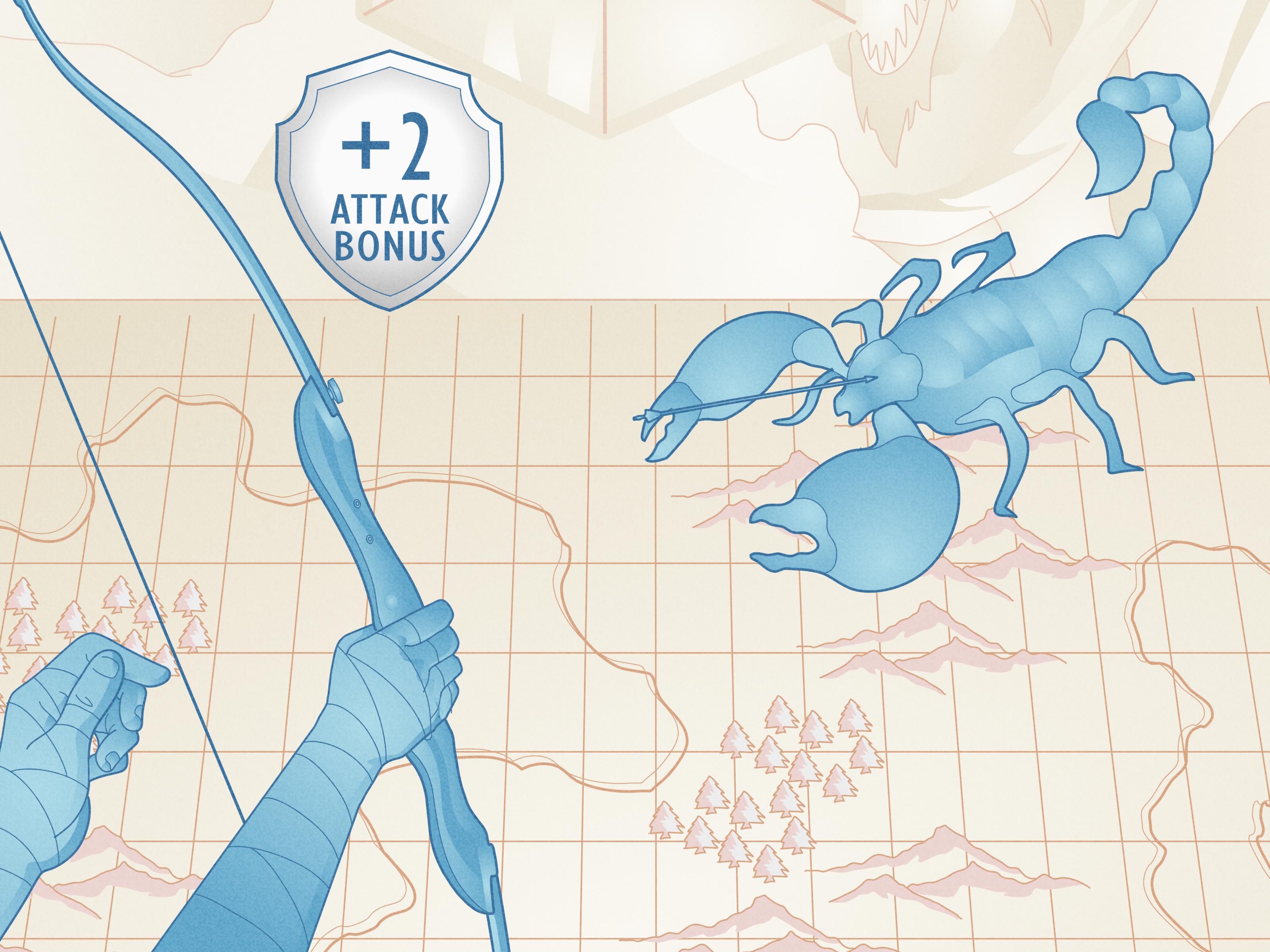
For martial characters, this matters because it makes combat identity easier to read. If your character has the Archery Fighting Style Feat, everyone knows what that means: you are here to make ranged attacks more reliable and to look dramatically into the middle distance.
Epic Boon Feats: Level 19 Gets Weird in a Good Way
Epic Boon Feats are high-level options for characters around level 19 and beyond. These are not tiny bonuses. They are legendary-tier improvements designed for heroes who have survived dragons, liches, politics, scheduling conflicts, and that one player who always says, “I touch the glowing rune.”
Epic Boons often increase an ability score and grant a powerful feature, such as extraordinary mobility, improved recovery, supernatural resilience, broader skill mastery, better spell efficiency, or special combat reliability. They help high-level characters feel mythic without requiring the DM to duct-tape a homebrew capstone onto every class.
For campaigns that actually reach high levels, Epic Boon Feats make late-game advancement feel more exciting. Instead of level 19 being a quiet mechanical hallway before level 20, it becomes a meaningful character-defining moment.
Big Rule Changes from 2014 5e to One D&D 2024
1. Feats Are More Integrated into the Game
The 2014 rules treated feats as an optional system. The 2024 rules treat them as a core part of character development. This changes the feel of character creation immediately. Every character has more mechanical personality at level 1, and background choice becomes more than decorative biography.
That is a major improvement for new players. A beginner can choose a background, receive an Origin Feat, and quickly understand how their backstory connects to play. A character who grew up healing people can actually heal better. A character who trained in survival can gain practical advantages. A character who learned tavern brawling can do tavern brawling things, ideally after the paladin has already apologized to the innkeeper.
2. Ability Score Improvements Moved Away from Species
Another huge 2024 shift is that ability score improvements are no longer tied to species in the same way. Instead, backgrounds help determine ability score options. This makes character building more flexible and avoids forcing players into narrow combinations just to optimize numbers.
For feats, this matters because background, ability scores, and Origin Feats now work together. A player can build a strong concept without feeling punished for choosing the “wrong” species. Want a brilliant orc wizard, a muscular elf fighter, or a halfling who hits like a falling piano? The rules are friendlier to that kind of creativity.
3. Many General Feats Now Include a +1 Ability Score Increase
This may be the most player-friendly feat change. In 2014, taking a feat often meant delaying a key ability score. In 2024, many General Feats include a +1 increase to a relevant ability. This makes feats easier to justify and encourages more varied builds.
A Dexterity-based character can choose a feat that supports ranged or finesse combat while still improving Dexterity. A spellcaster can take a magic-focused feat while increasing Intelligence, Wisdom, or Charisma. A front-line character can pick a durability or weapon feat while still improving Strength, Dexterity, or Constitution.
The result is smoother progression. Players still make meaningful choices, but fewer choices feel like they secretly come with a tax form.
4. Power-Attack Feats Were Rebalanced
Some of the most famous 2014 feats, especially Great Weapon Master and Sharpshooter, were known for high-damage “power attack” mechanics. Those older versions could produce enormous damage spikes, especially when combined with advantage, accuracy boosts, or optimized class features.
In 2024, these feats were reworked to reduce extreme swinginess while keeping their identity. Great Weapon Master still supports heavy-weapon damage, but it no longer plays the same “take a big attack penalty for huge bonus damage” game. Sharpshooter remains a ranged-combat feat, but it is less about deleting monsters from across the map with spreadsheet-approved violence.
This is healthier for table balance. Optimized martial builds can still hit hard, but the gap between optimized and casual characters is less absurd. Your fighter can be excellent without making the rogue wonder why they brought knives to a meteor shower.
5. Lucky and Alert Are Cleaner at Level 1
Lucky and Alert are both Origin Feats now, which means they can appear right at character creation. Their 2024 versions are easier to understand within the new rules framework. Alert helps with initiative-focused play, while Lucky offers limited control over important d20 moments.
The important design change is that these feats feel useful without completely taking over the table. Lucky in particular has a long history of making players feel like they own a tiny legal department inside the dice tray. The 2024 approach keeps the fantasy of good fortune while making the mechanic cleaner.
6. Magic Initiate Became More Build-Friendly
Magic Initiate remains one of the most popular character-expansion feats because it gives non-casters a taste of spellcasting and lets casters widen their toolbox. In 2024, it fits neatly into the Origin Feat system and can strongly define a character from level 1.
A fighter with a small magical trick, a rogue with utility magic, or a cleric-flavored character who technically is not a cleric can all use Magic Initiate to support a concept. It is especially helpful for players who want a magical backstory without committing their entire class choice to spellcasting.
How Feats Change Character Building in 2024
The new feat system encourages players to plan in layers. First, choose a background that supports your story and gives a useful Origin Feat. Then, at level 4 and beyond, choose General Feats that improve your main role while keeping your ability scores on track. If your class grants Fighting Styles, pick the style that supports how you actually fight. At high levels, choose an Epic Boon that makes your character feel legendary.
For example, a melee fighter might begin with Tough from a rugged background, take Great Weapon Master later to improve heavy-weapon performance, choose a Fighting Style that supports their weapon choice, and eventually select an Epic Boon that improves combat reliability or survivability.
A wizard might begin with Magic Initiate or Skilled, take War Caster or Fey-Touched later, and eventually choose an Epic Boon that supports spellcasting endurance or mobility. A rogue might start with Alert, take Speedy or Observant, then build into feats that support mobility, skills, and tactical positioning.
The important point is that feats now create a more continuous story. Your level 1 background choice is not forgotten after session zero. It becomes the foundation for future mechanical decisions.
Best Feat Strategy for Players
Choose Concept First, Optimization Second
The 2024 system rewards good build planning, but it also gives players more room to follow a character concept. Start by asking what your character is supposed to feel like at the table. Are they quick, durable, magical, tactical, supportive, sneaky, scholarly, or terrifyingly good with a chair leg?
Once you know the fantasy, choose feats that make that fantasy happen more often. A feat is good when it gives you more chances to play the character you imagined.
Watch Ability Score Requirements
Many feats have prerequisites. Some require a minimum level, a class feature, a spellcasting feature, or a particular ability score. Before planning a beautiful level 12 build, make sure your character actually qualifies. Nothing ruins a build plan like realizing your heroic destiny requires Dexterity 13 and you built a graceful refrigerator.
Do Not Ignore Origin Feats
Origin Feats may look smaller than General Feats, but they matter because they arrive early. A level 1 benefit can shape many sessions. Alert can help you act before danger gets messy. Tough can keep you standing. Skilled can make you useful outside combat. Magic Initiate can solve problems your class normally cannot touch.
Think About Party Roles
Feats are not only personal upgrades. They affect party rhythm. A Musician-style support character can help allies shine. A Healer-type character can reduce pressure on spell slots. A front-liner with durability feats can protect softer characters. A skill-focused build can prevent the group from solving every locked door with the barbarian’s forehead.
Advice for Dungeon Masters
For DMs, the 2024 feat system means level 1 characters may be a little more capable and distinct. That is a good thing, but it is worth noticing. A party with several strong Origin Feats may handle early challenges more confidently than a 2014 group built without feats.
DMs should also pay attention to how backgrounds connect to the campaign. If players have Origin Feats tied to crafting, healing, music, tools, skills, or magical training, create situations where those choices matter. A feat that never appears in play feels like buying a fancy umbrella in a desert campaign.
Finally, be clear about whether your table uses only 2024 material, allows legacy 2014 feats, or mixes both. D&D 2024 is designed with compatibility in mind, but compatibility still works best when everyone understands the rules menu before ordering.
Common Questions About Feats in One D&D 2024
Are feats still optional in D&D 2024?
Feats are far more central in the 2024 rules. Backgrounds grant Origin Feats, and class progression interacts with feats through Ability Score Improvement levels. A table can always house-rule differently, but the default design expects feats to be part of play.
Can I still take Ability Score Improvement instead of a feat?
Yes. Ability Score Improvement exists as a feat option in the 2024 framework. If your character needs raw numbers more than a special feature, increasing ability scores remains a clean and powerful choice.
Are 2014 feats compatible with 2024 characters?
Many older options can be adapted, but the DM should decide how legacy material interacts with the new feat categories, prerequisites, and balance assumptions. Mixing editions can work, but it should be intentional rather than accidental chaos wearing a wizard hat.
Which Origin Feat is best?
There is no universal answer. Alert is excellent for characters who care about acting early. Tough is great for durability. Magic Initiate opens creative options. Skilled supports exploration and roleplay. Lucky helps in high-stakes moments. The best Origin Feat is the one your character will actually use often.
Extra Experience: What Feats in One D&D 2024 Feel Like at the Table
In actual play, the 2024 feat system feels less like a bonus rule and more like a character-building conversation. That is a big improvement. In older 5e games, many players treated feats as something they might eventually get around to if their ability scores behaved. The result was that some tables had highly optimized feat machines while other characters simply raised numbers every four levels and hoped personality would carry the rest.
With Origin Feats at level 1, every character arrives with a little extra mechanical texture. That matters immediately. A player with Alert feels different in the first combat. A player with Tough feels safer taking risks. A player with Magic Initiate starts asking creative questions about cantrips and utility spells. A player with Skilled may volunteer for exploration scenes instead of waiting for the rogue to do every non-combat task like a tired intern with lockpicks.
The best part is that backgrounds become easier to roleplay because they now have stronger mechanical hooks. When a character says they were a farmer, entertainer, guard, sage, sailor, or soldier, that choice can appear in dice rolls. It is no longer just a paragraph in the backstory document that everyone swears they read. The feat gives the background a button the player can press during the game.
For DMs, this creates better opportunities. If a player chose Crafter, add moments where tools and supplies matter. If someone chose Healer, let medical knowledge feel useful outside emergency hit point math. If a character took Musician, give the party social scenes where performance and morale can shine. Feats become invitations. The DM does not need to build the entire campaign around them, but sprinkling in chances to use them makes players feel clever.
General Feats also feel better because the ability score bump removes a lot of buyer’s remorse. Players are more willing to take flavorful options when they are not falling behind mathematically. This is especially helpful for newer players, who often want cool abilities but worry that they are “building wrong.” The 2024 structure says, in effect, “Relax. You can be cool and competent.” That is good game design and also excellent life advice, frankly.
The rebalancing of famous damage feats may feel strange at first for veterans. Some players loved the old high-risk, high-reward damage spikes. But in longer campaigns, the smoother 2024 approach can make party balance healthier. Characters who do not chase the strongest damage combo still contribute meaningfully, while optimized characters remain powerful without turning every encounter into a before-and-after photo.
At high levels, Epic Boons give campaigns something many tables have wanted for years: a reason to be excited near the finish line. Level 19 should feel legendary. Characters at that tier have saved kingdoms, angered gods, broken reality at least twice, and probably adopted a suspicious goblin. Epic Boons help the mechanics catch up with the story.
Overall, feats in One D&D 2024 make character progression feel more connected. Your origin matters. Your build choices matter. Your party role matters. And because many feats now support both flavor and ability scores, players can build heroes who are effective without sanding off every interesting edge. That is the real win: fewer bland stat blocks, more memorable adventurers, and slightly more arguments about whether the musician should be allowed to inspire people with a kazoo.
Conclusion
Feats in One D&D 2024 are cleaner, more important, and more deeply connected to character identity than they were in 2014 5e. Origin Feats make backgrounds matter from the beginning. General Feats are easier to choose because many include ability score boosts. Fighting Styles fit into a clearer customization framework. Epic Boons give high-level characters the dramatic upgrades they deserve.
The result is a feat system that supports both optimization and storytelling. Players get more meaningful choices, DMs get clearer expectations, and characters feel more distinct from level 1 onward. Whether you are building a tactical fighter, a lucky rogue, a spell-touched warrior, or a bard-adjacent kazoo menace, the 2024 feat rules give you more tools to make that character work.