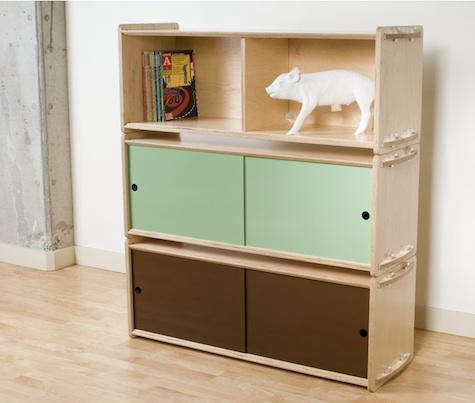

Some furniture politely sits in a room. Housefish Key Modular Storage walks in, organizes your books, hides your mail, supports your TV, and still manages to look like it belongs in a design studio where everyone drinks coffee from matte ceramic cups. Originally spotlighted through Horne’s modern design universe, this modular storage system from Denver-based Housefish has the rare combination homeowners secretly want: clean lines, practical flexibility, durable construction, and enough personality to make a plain wall feel intentional.
The appeal is simple. Instead of buying one bulky cabinet that works for exactly one apartment, one wall, and one life stage, Housefish Key gives you stackable modules that can shift as your home changes. Today it might be a low media console. Next year it could become an office cabinet. Later, it may transform into a dining room sideboard, entryway storage station, or a sculptural bookshelf with doors that hide the chaos. In other words, it is furniture with a backup plan.
What Is Housefish Key Modular Storage?
Housefish Key Modular Storage is a flexible storage collection built around individual modules that can be stacked, combined, and reconfigured. The system is known for its simple rectangular form, wood construction, optional sliding metal doors, and clever assembly method using machined aluminum tenon keys. The result is a modern storage unit that looks minimal but works hard behind the scenes.
Housefish describes Key as the heart of its line, and that makes sense. The design captures what many people love about modern American furniture: it is practical without being boring, refined without being precious, and sustainable without looking like it was assembled from driftwood and good intentions. Key is available in multiple heights, wood options such as maple or walnut, and a range of door colors that can either blend quietly into the room or add a bright visual wink.
A Modular System with Real-Life Flexibility
The word “modular” gets tossed around in furniture marketing so often that it can start to sound like a fancy way of saying “box.” But the Key system earns the term. A single module can serve as a compact storage bench, nightstand, record cabinet, printer station, or media unit. Multiple modules can be stacked vertically for a shelving tower, arranged horizontally for a sideboard, or mixed with open and closed storage for a more customized setup.
That flexibility is especially useful in apartments, small homes, studios, and multipurpose rooms. If your living room is also your office, yoga studio, guest room, and occasional snack theater, furniture has to do more than look good. It has to adapt. Housefish Key gives you a way to build storage that matches your room today without locking you into one configuration forever.
Why Horne Was the Right Retail Context
Horne has long been associated with curated modern furniture, lighting, and home accessories. Its design language favors pieces that balance beauty and usefulness, the kind of objects that feel considered rather than trendy. That is exactly where Housefish Key fits. It does not scream for attention. It simply makes a strong case for better storage, quieter rooms, and furniture that can age with a home.
In the original Horne-related design coverage, the Key modules were presented as mix-and-match pieces for creating custom storage units. Examples included stacked short modules forming a sideboard, open shelving paired with closed modules, and office-ready arrangements. Those examples still feel relevant because modern homes have only become more demanding. We have more devices, more cables, more hybrid work gear, and, somehow, more random tote bags than any civilization should be expected to manage.
Modern Storage That Does Not Look Like a Compromise
A major strength of Housefish Key is that it solves a practical problem without visually apologizing for being practical. Many storage pieces are either too decorative to be useful or so useful that they look like they escaped from a supply closet. Key lands in the sweet spot. The wood gives it warmth, the aluminum joinery adds a technical detail, and the sliding doors bring color and concealment without adding visual bulk.
In a living room, a row of Key modules can act as a grounded media console. In a dining room, the same system can store linens, serving bowls, candles, and the mysterious extra chargers that appear in every household drawer. In a home office, it can hold files, books, printer paper, camera gear, and the “important documents” folder everyone owns but nobody wants to open unless absolutely necessary.
Design Details That Make Key Stand Out
The magic of Housefish Key is not one dramatic feature. It is the accumulation of smart decisions. The proportions are clean. The materials are durable. The joinery is distinctive. The configuration options are broad enough to feel useful but not so endless that choosing becomes a second career.
Aluminum Tenon Keys
The signature detail is the aluminum tenon key system. It gives the furniture a visible structural feature that feels both ancient and futuristic. Traditional joinery inspires the concept, while modern machining gives it precision. Assembly is designed to be straightforward, with pieces sliding together and keys helping lock the structure into place.
This is not the kind of furniture assembly that involves seventeen mystery screws, a hex key the size of a toothpick, and a relationship test disguised as a weekend project. The Key system is known for flat-pack shipping and simple assembly, which makes it appealing for people who want well-made furniture but do not want their Saturday swallowed by an instruction booklet.
Wood Options with a Warm Modern Look
The modules are commonly offered in hard maple or black walnut. Maple creates a bright, clean, Scandinavian-leaning look that works beautifully in airy interiors, white rooms, and homes with pale floors. Walnut gives the piece a richer, warmer, more dramatic presence. It pairs well with leather seating, darker rugs, brass accents, and midcentury-inspired interiors.
Because the form is simple, the wood choice matters. Maple can make the storage feel lighter and more casual. Walnut can make the same shape feel more architectural and grown-up. Neither is better in a universal sense; the right option depends on the room, the lighting, and whether your home leans “fresh gallery” or “moody design library.”
Optional Colored Doors
One of the most enjoyable parts of the Key system is the option to add sliding powder-coated metal doors in different colors. Doors change both function and mood. Functionally, they hide clutter. Visually, they create rhythm, contrast, and personality.
A white or warm gray door keeps the look quiet and architectural. Black creates graphic contrast, especially against maple. Blue, orange, red, sage green, or saffron yellow can introduce a playful accent without requiring you to paint a whole wall or commit to a sofa in a heroic color. This is design bravery in manageable doses.
Sustainability and Material Thinking
Sustainability in furniture is not just about whether a product looks natural. It involves sourcing, finishes, production methods, shipping, durability, and how long a piece stays useful. Housefish Key checks several meaningful boxes because it is associated with FSC-certified wood, zero-VOC finishes, flat-pack shipping, and made-in-USA production.
FSC certification matters because it points to wood sourced from responsibly managed forests. Zero-VOC finishes are also relevant for homeowners who care about indoor air quality. The U.S. Environmental Protection Agency notes that many organic compounds can be higher indoors than outdoors, so choosing low-emission finishes and materials can be part of a healthier home strategy.
Why Durability Is a Sustainability Feature
The greenest furniture is often the furniture you do not have to replace every few years. A modular storage system becomes more sustainable when it can move with you, change function, and survive different rooms. A cheap cabinet that falls apart after one move is not really a bargain; it is just a future curbside donation with handles.
Key’s modular nature supports long-term use. If you move from a studio to a larger apartment, the same modules can expand. If you no longer need a media console, they can become bedroom storage. If your office changes, the modules can be rearranged. That kind of adaptability reduces the urge to buy new furniture every time life rearranges itself.
How to Use Housefish Key Modular Storage at Home
The best way to think about Housefish Key is not as one fixed product, but as a storage vocabulary. Each module is like a word. Put a few together, and you can write a sentence that fits your space.
As a Media Console
A low horizontal arrangement works well under a television. Closed modules can hide remotes, gaming controllers, cables, and streaming accessories. Open modules can hold speakers, books, or decorative objects. If your room is small, a low profile keeps the wall from feeling heavy while still offering useful storage.
As a Sideboard
Stacked or side-by-side Key modules can become a dining room sideboard. Use closed sections for dishes, table linens, and seasonal serving pieces. Keep one open shelf for cookbooks, ceramics, or a tray with glasses. The result feels more personal than a standard buffet because you can choose the mix of wood, color, and open storage.
As Office Storage
In a home office, modular storage is a quiet superhero. Key can store files, books, tech accessories, notebooks, and backup supplies. The doors are especially useful because office clutter has a way of multiplying like tiny paper rabbits. Slide the door shut, and suddenly the room looks calm enough for a video call.
As Entryway Furniture
A short module can work near an entry as a landing zone for bags, shoes, scarves, and dog-walking essentials. Add a tray on top for keys and sunglasses. If the module is sturdy enough for your intended use, it can also serve as a perch while putting on shoes. The clean form keeps the entry from becoming a clutter museum.
As Bedroom Storage
In a bedroom, Key can function as a nightstand, low dresser alternative, or storage bench. Closed doors keep visual noise down, which matters in a space meant for rest. Maple can make the room feel brighter; walnut can add warmth and depth. Pair it with soft textiles and simple lighting for a balanced look.
Who Should Consider Housefish Key Modular Storage?
Housefish Key is ideal for people who like modern furniture but do not want their home to feel cold. It suits renters who need storage that can move and adapt. It works for homeowners who want long-lasting furniture with a cleaner material story. It also appeals to design lovers who appreciate clever joinery and do not want to buy the same generic cabinet everyone else has.
It may not be the right choice for someone who wants highly ornate furniture, traditional carved details, or a budget-only storage solution. Key belongs in the premium modern furniture category. Its value comes from design, durability, materials, and flexibility rather than low upfront cost.
Best Interior Styles for Key
Key works especially well in modern, Scandinavian, Japandi, midcentury, minimalist, industrial, and contemporary interiors. Maple with white doors feels crisp and calm. Walnut with black doors feels polished and slightly dramatic. Colorful doors can make the piece suitable for creative studios, family rooms, kids’ spaces, or eclectic homes that enjoy a little visual mischief.
Buying and Styling Tips
Before investing in a modular storage system, measure the wall, floor clearance, nearby doors, outlets, and walking paths. Think about what you actually need to store, not what your fantasy self stores. Fantasy self owns three art books and a ceramic bowl. Real self owns tangled cables, board games, batteries, receipts, and one lonely Allen wrench from a past furniture battle.
Plan Open and Closed Storage
A good storage layout usually combines open and closed sections. Open shelves are best for attractive items: books, pottery, baskets, plants, and audio components. Closed modules are best for anything visually chaotic: paperwork, cords, office supplies, toys, tools, and everyday clutter. A balanced arrangement keeps the room functional without making it feel over-managed.
Use Color Strategically
If your room already has a lot of color, choose neutral doors. If your room is mostly white, gray, beige, or wood, consider one or two colored doors for energy. A single saffron, blue, red, or sage green door can act like artwork. The goal is not to turn the storage into a circus. The goal is to make the room feel designed on purpose.
Leave Breathing Room
Modular storage looks best when it has a little breathing room around it. Avoid packing every surface with objects. Let the wood, joinery, and proportions show. Add a lamp, a framed print, a small stack of books, or a plant. Then stop. The most underrated styling skill is knowing when your shelf has had enough excitement for one day.
Experience: Living with Modular Storage That Actually Works
The first thing you notice when using a modular storage system like Housefish Key is how quickly it changes the mood of a room. Clutter has a sound, even when it is silent. A pile of notebooks on the floor whispers. A stack of mail yells. A basket of cables performs experimental jazz. Once those things have a designated place, the room feels quieter.
In a living room, a low Key-style setup can make the TV area feel less like an electronics docking station and more like a deliberate design zone. Put media equipment in an open section, slide everyday mess behind a colored door, and leave the top surface for a lamp, a plant, and maybe one decorative object that says, “Yes, I have taste and I know where the remote is.” The difference is not just visual. It affects how the room functions. Cleaning becomes easier. Guests have a place to set things. You stop losing small items in random piles.
In a home office, modular storage can be even more valuable. Many people start with a simple desk and quickly discover that work creates physical evidence. Chargers, notebooks, shipping labels, folders, headphones, camera gear, sticky notes, and backup pens all need homes. A modular cabinet lets you separate work categories without buying a massive office wall system. One module can hold files. Another can store supplies. An open shelf can keep reference books within reach. If the office later becomes a guest room, the same modules can shift into linen storage or bedside furniture.
The emotional benefit is flexibility. Fixed furniture can feel bossy. It tells you what the room must be. Modular furniture asks what the room needs to become. That matters in real homes, where life rarely follows the floor plan. A dining room becomes a homework zone. A bedroom corner becomes a studio. A hallway becomes storage headquarters. A system like Key can follow those changes instead of fighting them.
Another experience worth mentioning is the pleasure of visible craftsmanship. The aluminum key detail gives the piece character without adding decoration for decoration’s sake. It is not a carved flourish or a glued-on design gimmick. It shows how the object works. That kind of honesty feels refreshing, especially in a market crowded with furniture that hides weak construction behind a pretty photo.
The best experience, though, may come months after purchase. You rearrange a room, move a module, change a door color combination, or stack pieces differently, and the furniture still makes sense. That is when modular design proves its value. It is not just about customization on day one. It is about usefulness on day five hundred.
Conclusion
Housefish Key Modular Storage at Horne represents the kind of modern furniture that understands real life. It is clean enough for design lovers, durable enough for everyday use, flexible enough for changing homes, and thoughtful enough to avoid becoming just another box with a price tag. With stackable modules, wood options, colored sliding doors, flat-pack assembly, and sustainability-minded material choices, Key offers a smart alternative to one-size-fits-all storage.
For anyone trying to organize a living room, office, bedroom, dining area, or entryway without sacrificing style, this system deserves attention. It proves that storage furniture can be practical, beautiful, and adaptable at the same time. And if it can hide the cable drawer of shame while looking this good, frankly, it has earned our respect.
Note
Product availability, pricing, color options, and retailer listings may change over time. Before publishing or purchasing, verify current specifications, finish options, dimensions, and shipping details with the manufacturer or retailer.