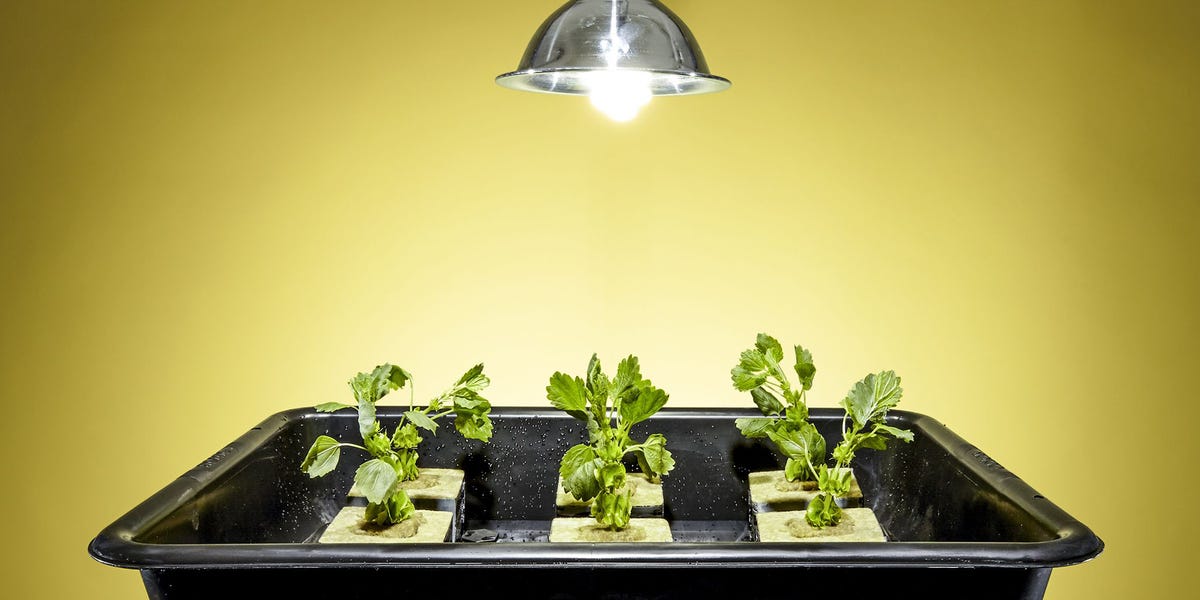

Winter has a way of making gardeners dramatic. One hard frost hits, the tomato vines collapse like overworked actors in a Shakespeare tragedy, and suddenly the whole backyard looks like it needs a blanket and a therapist. But here is the good news: your growing season does not have to end just because the weather app is full of snowflakes and bad attitude. With the right hydroponic system, you can keep harvesting fresh greens, herbs, and a few other fast-growing crops all winter long, without scraping ice off a raised bed.
The best part is that winter hydroponics does not require a futuristic greenhouse, a degree in plant science, or a lab coat that makes you look suspiciously important. For most home gardeners, a simple deep water culture setup, raft system, or Kratky-style non-circulating unit is enough to keep salad ingredients growing while the outdoor garden takes its seasonal nap. Give plants light, oxygen, water, nutrients, and decent airflow, and they will happily ignore the fact that it is January.
This guide breaks down how a beginner-friendly hydroponic system can help you garden all winter, what to grow, how to keep it productive, and what mistakes to avoid when your lettuce starts acting more high-maintenance than expected. Spoiler alert: most winter hydroponic failures are not caused by cold weather outside. They are caused by weak light, stale air, neglected pH, and gardeners who believe one tiny sunny window can power an indoor jungle.
Why a Hydroponic System Makes Sense in Winter
Hydroponics is simply growing plants without soil, using water and dissolved nutrients instead. That sounds fancy, but at home it often looks like a compact countertop garden, a tub with a floating raft, or a small recirculating setup under LED lights. The reason it shines in winter is simple: you control the conditions instead of arguing with the season.
Outside, winter gardening often means cold soil, short days, slow growth, and long waits between harvests. Indoors, a hydroponic system gives you a clean root zone, stable moisture, and a predictable feeding schedule. You do not have to guess whether the potting mix is too dry, too wet, or secretly plotting root rot. Plants grow faster because water and nutrients are always available, and leafy greens especially tend to love that arrangement.
For winter growing, hydroponics also solves a classic problem: dirt. Traditional indoor gardening can turn the kitchen, mudroom, or spare room into a scene from a very low-budget farm documentary. Hydroponics keeps things tidier. No soil bags spilling in the hallway. No mystery fungus gnats throwing a rave in your pots. No muddy saucers under every basil plant. Just water, nutrients, light, and a stronger chance of staying on good terms with everyone else in the house.
The Best Hydroponic System for Winter Gardeners
If your goal is to grow fresh food all winter at home, the smartest choice is usually a simple deep water culture or Kratky-style system. Why? Because it is forgiving, compact, and well suited to leafy crops that do not need a huge root zone or tropical conditions.
Option 1: Deep Water Culture (DWC)
In a DWC system, plants sit in net cups above a nutrient reservoir, and their roots hang into oxygenated water below. An air pump keeps the solution moving and oxygen-rich. This setup is excellent for lettuce, baby greens, basil, bok choy, arugula, kale, and similar crops. It is beginner-friendly and stable because a larger volume of water changes more slowly than a tiny reservoir.
Option 2: Kratky System
A Kratky setup is the low-drama cousin of DWC. It is a non-circulating system where plants start with roots touching the nutrient solution, then gradually develop an air gap as the water level drops. That air gap gives roots access to oxygen. It is wonderfully simple for small winter crops and perfect for gardeners who want fewer moving parts and fewer things to break on a Sunday night.
Option 3: Nutrient Film Technique (NFT)
NFT systems circulate a thin stream of nutrient solution through channels. They can be productive and space-efficient, especially for greens, but they are less forgiving if the pump fails or roots dry out. If you are just starting, NFT is interesting. DWC is relaxing. Winter gardening should include as much relaxing as possible.
What You Need to Garden All Winter Indoors
A winter hydroponic setup does not need to be huge, but it does need to be complete. Plants are not picky about style, but they are very picky about essentials. Here is what matters most:
Grow Lights
This is the big one. Winter daylight is weak, brief, and often blocked by clouds, roofs, trees, or that one neighbor who somehow built a garage exactly where your sun used to be. Leafy greens and herbs can do well under LED or fluorescent lighting, but they need consistency. In practical terms, that means you should treat grow lights as the main light source, not a polite backup plan.
Set lights close enough to be effective but far enough to avoid heat stress. Most winter growers get better results by relying on lights consistently rather than trying to chase changing natural sunlight across the season. Think of your light setup as the engine of the whole operation. Weak engine, weak harvest.
Nutrient Solution
Plants in hydroponics need a complete fertilizer formulated for water-based growing. A standard soil fertilizer is often missing key nutrients or balanced for a completely different root environment. For winter greens, a leafy-growth or all-purpose hydroponic nutrient blend usually works well. Follow the label, then verify with a meter if you are able.
The sweet spot for many leafy crops is slightly acidic water, usually around pH 5.5 to 6.5, with lettuce and many herbs performing especially well near the lower-middle part of that range. If pH drifts too high or too low, nutrients may be in the water but unavailable to the plant, which is a very rude trick nature likes to play.
Airflow
Plants indoors still need moving air. A small fan helps strengthen stems, reduce stagnant humidity, and support healthy leaf development. It can also help lower the risk of issues like tipburn in lettuce, which often shows up when growth is fast but airflow is poor. In winter, still air is the enemy disguised as coziness.
Temperature
Leafy greens are more forgiving than tomatoes or peppers, but they still prefer a comfortable root zone and stable room temperatures. If your hydroponic system sits in a freezing sunroom or right next to a drafty window, growth can slow down dramatically. Interestingly, research on winter lettuce production suggests that root-zone warmth matters a lot, which is one reason a stable indoor setup tends to outperform a chilly improvised corner.
Humidity Control
Winter hydroponics adds moisture to indoor air, and that can become a problem if you overdo it. Keep humidity in a healthy range, wipe up condensation, and do not let the area become a tiny tropical swamp. Excess moisture encourages mold, and mold is the sort of uninvited guest that never brings snacks.
What to Grow All Winter
If you want steady winter harvests, choose crops that match the system and the season. The best hydroponic winter crops are fast, compact, and not obsessed with hot summer conditions.
- Lettuce: Butterhead, loose-leaf, romaine, and baby-leaf types are winter hydroponic champions.
- Herbs: Basil, parsley, cilantro, oregano, sage, dill, and chives are popular, useful, and easy to harvest often.
- Bok choy and tatsoi: Excellent for quick winter greens with a little more personality than lettuce.
- Kale and mustard greens: Productive, flavorful, and well suited to cooler-season indoor growing.
- Swiss chard and arugula: Great for cut-and-come-again harvests.
- Microgreens: The speed demons of indoor gardening. They need less time, little space, and are ideal when patience runs low.
Could you grow tomatoes, cucumbers, or strawberries indoors in hydroponics during winter? Technically yes. Realistically, they demand stronger light, more heat, more space, and more money. For most home gardeners, winter success comes from accepting that lettuce is not boring, herbs are useful, and you do not need an indoor cucumber forest to prove a point.
How to Set Up a Productive Winter Routine
The secret to winter hydroponics is not a miracle gadget. It is routine. A simple system managed consistently will beat a complicated system managed like a New Year’s resolution.
Start Seeds Separately
Germinate seeds in starter plugs or cubes, then move seedlings into the system once roots emerge and several true leaves appear. This keeps the main unit cleaner and gives you a stronger start.
Check Water Level and Solution Strength
Top off reservoirs as needed. In recirculating systems, monitor pH and electrical conductivity regularly so the nutrient balance stays in range. In non-circulating setups, make sure roots can still access both moisture and oxygen as the water level changes.
Keep the Harvest Moving
Winter gardening works best when you stagger plantings. Start new lettuce or herbs every week or two, and you avoid the classic problem of having twelve perfect heads all at once followed by two weeks of staring at seedlings and regretting your timing.
Clean Between Rounds
Because leafy greens are often eaten raw, sanitation matters. Use clean water, clean containers, and clean hands. Wash harvested produce, refrigerate it promptly, and do not assume indoor growing automatically means risk-free growing. Hydroponics is clean, but it is not magical.
Common Winter Hydroponic Mistakes
Every indoor gardener makes mistakes. The goal is to make the funny kind, not the expensive kind.
Not Enough Light
Leggy seedlings, pale leaves, and slow growth usually point to poor lighting. Winter sun through a window is charming, but charm does not always produce salad.
Ignoring pH
If your plants look hungry even though you are feeding them, pH may be the culprit. A nutrient solution can be full of good stuff while plants still struggle to absorb it.
Overcrowding
A hydroponic system is not a clown car. Give plants enough space for airflow and leaf expansion. Crowded greens are more likely to stay damp, stretch, and become annoying.
Poor Airflow
Without moving air, leaves stay wetter, stems stay softer, and humidity builds up fast. A small fan can solve problems before they become a full indoor gardening soap opera.
Choosing the Wrong Crops
Winter is not the ideal time to prove you can raise giant beefsteak tomatoes in a shoebox apartment. Grow what matches your light, temperature, and space. Your ego may want tomatoes. Your setup may want lettuce. Listen to the setup.
Why This System Works So Well for Real Life
A good winter hydroponic system succeeds because it fits the way people actually live. It can sit on a shelf, counter, utility table, or spare-room rack. It can produce fresh herbs within reach of the kitchen. It can turn a gloomy winter corner into something useful and green. It is gardening with less kneeling, less mud, and far fewer frozen fingers.
It also makes winter meals feel less like survival. A handful of fresh basil in January feels mildly rebellious. Crisp lettuce in February feels luxurious. Snipping cilantro while snow piles up outside feels like cheating in the best possible way.
Real-World Winter Growing Experiences
One of the most common experiences people describe with winter hydroponics is surprise at how quickly the system becomes part of daily life. At first, it feels like a project. You assemble the reservoir, mix nutrients, position the lights, and stare at the whole setup like you just installed a mini space station in the laundry room. Then, somewhere between the first true leaves and the second batch of lettuce, it stops feeling like equipment and starts feeling like a rhythm.
Many growers notice that the emotional payoff is bigger than expected. Winter can flatten motivation for gardeners. The outdoor beds are dormant, seed catalogs are dangerous, and the landscape looks like a cold apology. An indoor hydroponic system changes that mood fast. Seeing living green growth every day, even in a small footprint, makes the season feel less shut down. The plants become visual proof that gardening has not ended. It has just moved indoors and gotten smarter.
Another common experience is learning that hydroponics rewards observation more than force. In soil gardening, you can sometimes get away with a little neglect because the ground buffers your mistakes. In hydroponics, the plants answer quickly. Forget to top off the water and they tell you. Let the pH drift and they tell you. Hang the lights too high and they absolutely tell you. That sounds intimidating, but most growers end up appreciating the feedback. The system teaches you to pay attention, and the lessons arrive quickly enough to be useful instead of tragic.
People also discover that small harvests feel surprisingly meaningful in winter. No one is feeding an entire neighborhood from a countertop raft of butterhead lettuce. That is not the point. The point is freshness, continuity, and convenience. A few leaves clipped for lunch, a handful of basil for pasta, a quick harvest of bok choy for stir-fry; these small moments make the indoor garden feel generous. It contributes just enough to be satisfying without becoming another giant household task.
There is usually a troubleshooting phase too, and it tends to humble everyone equally. Maybe the seedlings stretch because the lights were too weak. Maybe algae shows up because the reservoir let in light. Maybe the room gets too humid and the windows start fogging like the house is trying to become a greenhouse against your will. These moments are not signs that hydroponics is too hard. They are part of the ordinary learning curve. Most growers solve the issue, adjust the setup, and suddenly feel ten times more confident than they did a week earlier.
A particularly satisfying experience comes from succession planting. Once people realize they do not need to grow everything at once, the whole system gets easier. Start a few new plugs every week, move them in as older plants mature, and the winter garden becomes steady instead of chaotic. This is when hydroponics starts to feel elegant. There is always something ready, something growing, and something just beginning. It is less feast-or-famine and more edible assembly line, which sounds industrial until you taste how fresh the results are.
Perhaps the biggest real-world lesson is this: the best winter hydroponic system is not the most expensive one. It is the one you will actually maintain. A simple reservoir, a dependable light, a fan, and a crop you genuinely eat will outperform a flashy machine that turns into decorative furniture by mid-February. The most successful winter growers are rarely the ones with the fanciest setup. They are the ones who keep it simple, watch their plants, and enjoy the process enough to keep going when the weather outside looks personally offended by life.
Conclusion
If you want to garden all winter, a simple hydroponic system is one of the most practical ways to do it. It gives you control over light, water, nutrients, and timing when the outdoor environment is doing absolutely nothing helpful. For most people, the winning formula is straightforward: choose easy crops like lettuce and herbs, use dependable grow lights, maintain airflow, monitor pH, and keep the system clean.
In other words, winter does not have to be the season when gardening stops. It can be the season when your garden gets efficient, moves indoors, and keeps producing while the yard outside looks like it gave up. And honestly, harvesting fresh greens in the middle of winter never gets old.