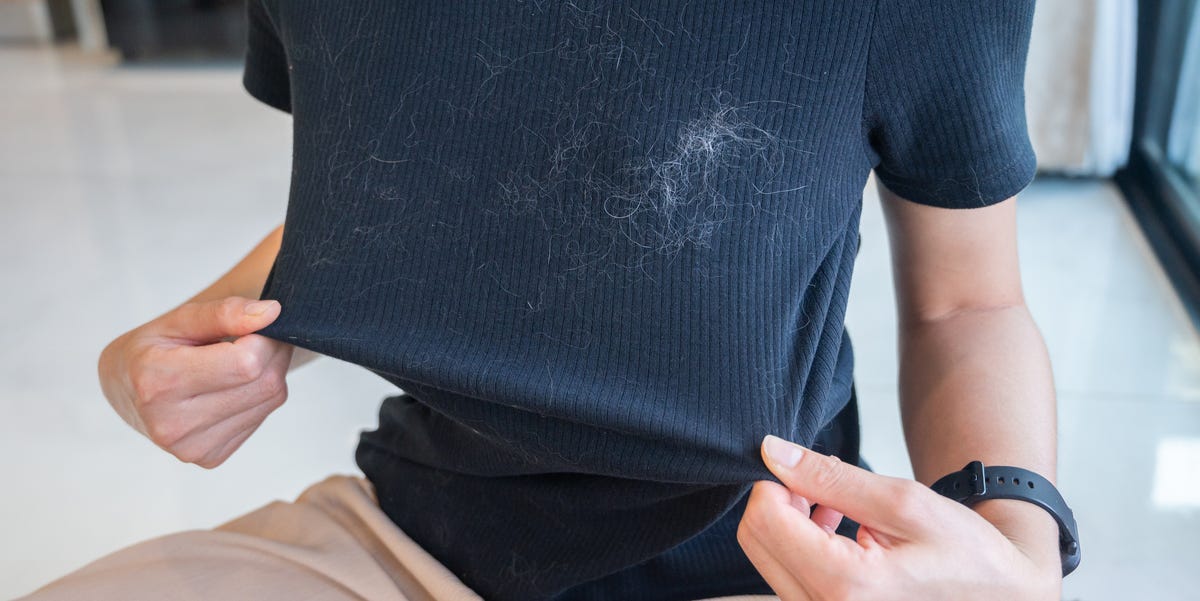

If you share your home with a dog, cat, or that one fluffy creature who somehow sheds enough fur to knit a cardigan every Tuesday, you already know the struggle. Pet hair gets on black leggings, work shirts, blankets, hoodies, socks, and somehow even the clothes you swear never left the closet. It clings like it pays rent.
The good news is that removing pet hair from clothes does not require a magic wand, a second mortgage, or an emotional support lint roller. The real secret is simpler than most people think: don’t start with the washer. Start with the dryer.
Yes, really. The smartest laundry trick for pet hair is a short pre-wash tumble that loosens fur before water turns it into a clingy little conspiracy. Once you know how to do it properly, plus a few supporting habits, you can cut down on the furry chaos and get your clothes looking much more civilized.
Why Pet Hair Sticks to Clothes Like It’s in a Long-Term Relationship
Pet hair does not just “land” on fabric. It grabs on. That happens for two big reasons: static and friction. As clothes rub together, fabrics can build static electricity, and hair is attracted to that charge. At the same time, textured or synthetic fabrics give fur tiny places to tangle and settle in.
That is why pet hair seems especially attached to fleece, leggings, knitwear, brushed blankets, and workout clothes. Smoother fabrics usually let go of hair more easily, while fuzzy, stretchy, or high-friction materials act like velcro with a wardrobe budget.
So if you have ever pulled a hoodie out of the hamper and wondered whether your dog secretly moved in there full time, the answer is physics. Annoying physics, but physics all the same.
The Genius Laundry Hack: Dry Before You Wash
Most people toss fur-covered clothes straight into the washer. That sounds reasonable, but it is often the wrong first move. Water can cause loose hair to clump, spread, and cling more stubbornly to fabric and even to parts of your machine.
The better move is this: put dry, hair-covered items in the dryer first for a short cycle. This loosens pet hair so it can collect in the lint trap instead of staying glued to your clothes.
How to Do the Hack the Right Way
- Shake the item out first, preferably outside, to remove the easy stuff.
- Place dry clothes in the dryer for 5 to 10 minutes. Air-fluff or no-heat works well for many washable items.
- If the fabric allows it, a short low-heat cycle can work even better with a dryer sheet, because anti-static ingredients perform best with some heat.
- Clean the lint screen immediately after the cycle. Congratulations, that fuzz used to be on your shirt.
- Now wash the items as usual, then dry them again.
This “dry, wash, and dry” method is the closest thing pet owners have to a cheat code. It is fast, cheap, and works especially well on pajamas, T-shirts, sweatshirts, pet blankets, and the black pants you were hoping to wear out the door in 12 minutes.
What If the Clothes Cannot Handle Heat?
Some fabrics are fussy. Others are one warm cycle away from turning into doll clothes. If the care label says to avoid heat, you still have options.
Try These Safer Alternatives First
- Lint roller: Quick, classic, and oddly satisfying.
- Reusable garment brush: Great for frequent use and less wasteful than endless sticky sheets.
- Damp rubber glove: Swipe it over the fabric and watch the hair gather into clumps like it suddenly remembered it had somewhere else to be.
- Damp microfiber cloth: Excellent for lifting loose fur before washing.
- Masking tape: Not glamorous, but effective in a pinch.
After removing as much hair as possible by hand, wash the item according to the care tag. For delicate garments, that simple pre-clean step can make a dramatic difference.
Smart Washing Moves That Help Remove More Hair
Once you have done the pre-dryer step, the washer gets its turn. But the way you wash matters.
1. Wash Hairy Items Separately
Do not wash your dog’s blanket with your office blouse and then act surprised when your meeting outfit looks like it spent the weekend at a kennel. Keep heavily fur-covered items in their own load so the hair does not transfer to everything else.
2. Do Not Overload the Washer
Clothes need room to move. If the drum is packed too tightly, hair and lint have fewer chances to rinse away. A stuffed washer is efficient only if your goal is to create one giant fur sandwich.
3. Use a Pre-Wash or Extra Rinse Cycle
Extra water movement helps flush away loose hair and residue. This is especially useful for pet bedding, couch throws, and that hoodie your cat has unofficially claimed as real estate.
4. Be Careful with Hot Water
Hot water is not always your friend here. In many cases, cooler washing can help prevent hair from setting more deeply into fibers, especially on cling-prone fabrics.
5. Turn Some Items Inside Out
For garments that collect lint and fur on the outer surface, washing inside out can help reduce visible cling and protect the face of the fabric. This trick is especially handy for knitwear, leggings, and soft lounge pieces.
The Dryer Is Your Best Friend, but Only If You Use It Well
Once the wash is done, the dryer gets another chance to finish the job. This is where static control matters most.
Use Static-Reducing Helpers
Pet hair loves static. Reduce that charge, and you reduce the cling. A dryer sheet or dryer balls can help fabrics separate and make it easier for hair to land in the lint trap instead of staying on your clothes.
If you use dryer sheets, remember this detail: they work best in an actual drying cycle with some warmth and movement. For regular post-wash drying, that is perfect. For a dry pre-treatment cycle, low heat may be more effective than pure air-only if the garment permits it.
Clean the Lint Trap Every Single Time
This is not optional if you are fighting pet hair. A full lint screen means worse airflow, worse performance, and more chances for hair to stay in the drum or recirculate. Clean it after the pre-dryer step and after the final dry.
Should You Use Vinegar?
This is where laundry advice gets spicy. Some cleaning tips suggest adding a small amount of distilled white vinegar to help loosen hair and reduce static. And yes, it can help in some situations.
But there is an important catch: many appliance makers warn against routine vinegar use in washing machines because repeated exposure can be hard on rubber seals, hoses, and gaskets over time. So if you want to try vinegar, treat it as an occasional fix, not a forever ritual, and always check your washer’s manual first.
If you would rather keep things simple, focus on the safer basics: pre-dry, separate loads, extra rinse, static control, and machine maintenance. That combo usually does more heavy lifting anyway.
Big Mistakes That Make Pet Hair Worse
- Throwing very hairy items straight into the washer without removing loose fur first.
- Ignoring the lint trap until it looks like a felt art project.
- Mixing pet bedding with everyday clothes and hoping for the best.
- Overloading the washer or dryer, which reduces movement and airflow.
- Skipping regular home cleanup. If the couch, floor, and pet bed are loaded with fur, your clean clothes are walking into an ambush.
- Using aggressive pet hair tools on delicate fabrics. Some rough tools can snag threads or damage knitwear.
Prevention: The Less Hair in Your Home, the Less Hair in Your Laundry
The most effective laundry hack is often the one that happens before laundry day. The less fur floating around your house, the less fur your clothes collect in the first place.
Habits That Actually Help
- Brush your pet regularly to reduce loose shedding at the source.
- Vacuum furniture, rugs, and pet-favorite nap zones often.
- Wash pet bedding separately and on a routine schedule.
- Keep pets out of closets and laundry baskets if possible.
- Use washable covers on furniture where your pet lounges.
- Choose clothing colors that are less dramatic against your pet’s fur when practical. Black pants and a cream-colored golden retriever are a bold pairing.
Best Laundry Routine for Pet Owners
If you want a no-drama system, here is the easiest routine to follow:
- Shake out fur-covered clothes outside.
- Use a lint roller, rubber glove, or reusable brush on the worst spots.
- Run a short pre-dryer cycle.
- Clean the lint trap.
- Wash the load separately if it is heavily covered in fur.
- Use the proper cycle and avoid overstuffing the machine.
- Add an extra rinse if needed.
- Dry with a static-reducing helper.
- Clean the lint trap again.
It sounds like several steps on paper, but in real life it quickly becomes second nature. And it beats leaving the house looking like you borrowed your outfit from your husky.
Real-World Experiences With This Pet Hair Laundry Hack
One of the most common experiences pet owners describe is the “false hope moment.” You pull a shirt from the washer thinking it must be cleaner now because, well, it went through soap and water. Then you hold it up to the light and realize the fur is still there, now somehow flatter, more embedded, and emotionally stronger than before. That is usually the exact moment people become believers in the pre-dryer method.
Another common experience happens with black clothing. Black leggings, dark hoodies, navy scrubs, and charcoal sweaters tend to turn pet hair into a spotlight event. People often say they can live with a little fur around the house, but the second it shows up on an outfit they plan to wear in public, the situation becomes personal. The dryer-first trick helps because it removes a surprising amount of visible hair before the wash ever starts. The difference is often not subtle. It is the difference between “pet owner chic” and “person who definitely sat on the couch once.”
Blankets and pet bedding are another category where this hack tends to shine. These items collect thick layers of fur, and when they go straight into the washer, they can spread hair everywhere. People who switch to a quick tumble first often notice two changes right away: the blanket comes out cleaner, and the washer seems less burdened by loose hair afterward. It is one of those tiny routine changes that feels almost silly until you see the lint screen after the first try. Then it becomes a religion.
There is also the experience of discovering that not all fabrics behave the same. Fleece and brushed knits can hold fur like prized collectibles, while smoother cotton tees may release hair much more easily. Many pet owners learn through trial and error that one tool is not enough for every item. A lint roller may be perfect for a blazer, while a damp rubber glove works better on a plush robe, and a reusable brush is the hero for everyday shirts. The “genius” part is not just one tool. It is knowing the order: loosen first, wash second, finish strong in the dryer.
Then there is the emotional side, because yes, laundry can be emotional when your clean clothes still look like your cat signed them. People often describe frustration, especially when they are rushing out the door and realize their outfit is wearing more fur than they are comfortable explaining. But once they adopt a smarter routine, laundry becomes less of a battle and more of a maintenance task. The fur never disappears forever, because pets are going to pet. Still, the experience shifts from constant annoyance to manageable cleanup.
And perhaps that is the most relatable experience of all: realizing you do not need perfection. You just need a system that works well enough to keep pet hair from taking over your wardrobe, your washer, and your sanity. Your dog can stay fluffy. Your cat can keep ruling the couch. And your clothes can go back to looking like they belong to a human.
Conclusion
The best laundry hack for removing pet hair from clothes is not fancy at all. It is simply smart timing. By starting with a short dryer cycle before washing, you loosen fur when it is easiest to remove, send more of it to the lint trap, and give the washer a much better shot at finishing the job. Add in separate loads, extra rinse options, static control, and regular lint-trap cleaning, and you have a practical routine that works in the real world.
In other words, you do not need to choose between loving your pet and loving a clean outfit. You can absolutely have both. You just need to stop giving the washer first dibs.
SEO Tags