
Note: This article is written as a publish-ready human-interest feature inspired by real pandemic-era family stories, newborn photography practices, and public research on parenting, birth, separation, and connection during COVID-19.
A Photo Essay About First Cuddles That Arrived Late
Some family milestones arrive with cake, balloons, and a grandmother who somehow brings three casseroles “just in case.” But for babies born during lockdown, the first hello often happened through a window, across a garden fence, on a phone screen, or from six feet away with everyone pretending not to cry into their masks. These photographs of families meeting their lockdown babies are not just cute newborn portraits. They are tiny historical records of a very strange time when love had to wait in line behind hand sanitizer.
During the COVID-19 pandemic, thousands of families welcomed babies while hospitals limited visitors, travel became complicated, and older relatives were often advised to stay away for safety. Grandparents met newborns on video calls. Aunties waved from driveways. Great-grandparents pressed hands to glass, close enough to see the baby’s eyelashes but not close enough to touch them. The result was a kind of emotional pause button. The baby grew. The family waited. And when the meeting finally happened, the moment carried the weight of months.
That is what makes this topic so powerful for documentary family photography. A normal first meeting is already emotional. A lockdown-baby meeting is different. It contains relief, grief, gratitude, nervous laughter, and the awkward choreography of people who have forgotten whether hugging is allowed. In one frame, you might see a grandfather leaning forward with both hands open, as if receiving a fragile trophy. In another, a baby studies a new face with the serious expression of a tiny judge. The adults melt. The baby remains unimpressed. Honestly, babies are the toughest critics in the room.
Why Lockdown Babies Became a Symbol of Pandemic Family Life
The phrase “lockdown babies” refers to children born during the pandemic restrictions that changed daily life across the world. In the United States, births dipped in 2020 and rose slightly in 2021, according to public health data, but the emotional story behind those numbers is much bigger than statistics. Every baby born during that period entered a world of canceled baby showers, masked nurses, anxious parents, remote work, postponed flights, and family members learning to say “turn your camera on” with the urgency of a fire drill.
For new parents, the early days of a baby’s life can already feel like living inside a fog machine. Add pandemic uncertainty, and the fog machine becomes industrial strength. Many parents had fewer visitors, which sometimes meant less chaos and fewer unsolicited opinions about swaddling. But it also meant fewer helping hands. No grandmother dropping by to hold the baby while the parents showered. No uncle assembling the crib after pretending he did not need instructions. No cousin bringing diapers, soup, or the sacred gift of five uninterrupted minutes.
The families in these photographs represent that complicated mixture. They missed ordinary things that suddenly felt enormous: the first cuddle, the first family meal, the first time a grandparent could smell that mysterious newborn scent that makes adults speak in a higher voice for reasons science has not fully explained. When restrictions eased and meetings finally happened, the camera became a witness to delayed joy.
The Emotional Power of Families Meeting for the First Time
Grandparents Meeting Lockdown Babies
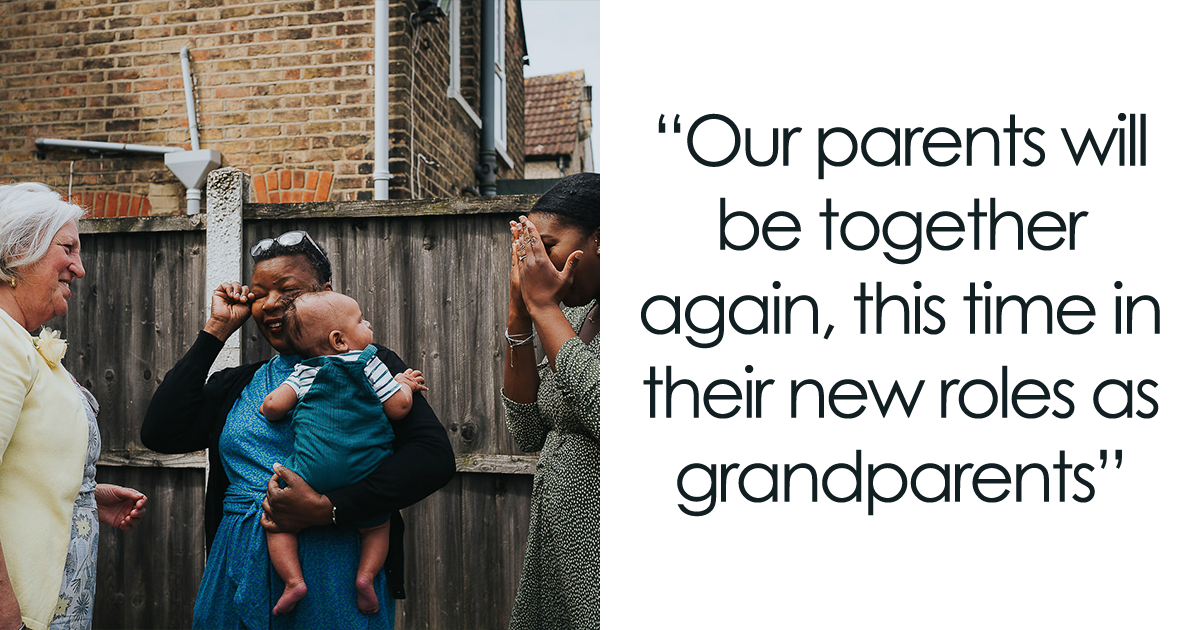
Grandparents are often the emotional center of these images. Their reactions tend to arrive before their words do. A grandmother may cover her mouth. A grandfather may blink too many times. Someone will almost certainly say, “Oh, look at those little fingers,” because little fingers have been defeating adult composure since the beginning of time.
What makes these meetings special is the sense of time restored. For months, many grandparents watched babies grow through photos and video calls. They saw first smiles through compressed pixels. They heard baby babble through tiny phone speakers. They knew the child, but not fully. A photograph of that first physical meeting captures the exact second when digital love becomes real weight in the arms.
Aunties, Uncles, and Cousins Finally Join the Story
Lockdown also interrupted the wider family circle. Babies are rarely welcomed by parents alone; they are absorbed into a noisy ecosystem of relatives. Aunties bring outfits. Uncles make ridiculous faces. Cousins ask direct questions such as, “Why is the baby wrinkly?” and then walk away before anyone can answer.
Photographing these first meetings shows how family identity is built. A baby becomes “ours” through repeated moments of contact, care, and recognition. When those moments are delayed, the first gathering can feel like a reunion and an introduction at the same time. The pictures often show people studying the baby’s face, searching for family resemblances: a father’s chin, a grandmother’s eyes, a suspiciously familiar frown. The baby, meanwhile, is usually busy considering whether to nap.
Great-Grandparents and the Beauty of Four Generations
Some of the most moving lockdown-baby photographs involve great-grandparents. These images carry the quiet drama of generations meeting across almost a century. A newborn’s hand curled around an elderly finger says more than a paragraph ever could. It is past and future touching in the present.
During the pandemic, older adults faced higher health risks, which made many families especially careful. That caution was loving, but it was also painful. A great-grandparent might have waited months to hold a baby they had dreamed of meeting. When the moment finally came, it was not casual. It was ceremonial, even if the ceremony happened in a living room with toys on the floor and someone’s tea going cold.
What the Camera Captures That Memory Often Misses
Memory is emotional, but it is also messy. In big moments, people forget details. They remember crying but not who reached out first. They remember the baby being passed from arm to arm but not the expression on the father’s face in the background. Photography freezes the small evidence: a thumb wiping tears, a toddler peeking from behind a sofa, a grandmother’s shoulders dropping in relief.
Documentary family photography works best when it does not try too hard. The strongest images are often the least posed. Nobody needs matching outfits or a perfectly fluffed blanket. What matters is truth. A real first meeting has wrinkles, masks tucked under chins, nervous jokes, and people standing in inconvenient places. It has a baby sock falling off at the exact wrong moment. It has beauty because it is not polished into something unrecognizable.
In lockdown-baby photography, the background also matters. Doorways, porches, windows, garden gates, and living-room carpets become part of the historical record. These were the stages where families negotiated safety and closeness. A window was not just a window; it was the border between longing and protection. A front step was not just a step; it was where a grandparent finally moved from waving to holding.
How Pandemic Restrictions Changed Newborn Photography
Before the pandemic, newborn photography often meant cozy indoor sessions, sleepy poses, close family contact, and a photographer gently arranging blankets while parents hovered nearby, half proud and half exhausted. During lockdown, photographers had to adapt quickly. Sessions moved outdoors. Windows became frames. Longer lenses helped maintain distance. Parents learned to take better phone photos. Some photographers coached families remotely, proving that creativity can survive almost anything, including bad Wi-Fi.
The best pandemic-era family photography kept safety at the center. Photographers followed local guidance, postponed sessions when needed, worked outdoors when possible, and focused on candid moments rather than elaborate setups. The style became more natural because the situation demanded it. Instead of pretending everything was normal, the images acknowledged the world as it was: uncertain, tender, careful, and still full of love.
This shift also changed what families valued. A perfect portrait became less important than proof of connection. Parents wanted images that said, “We made it through this.” Grandparents wanted evidence of the first cuddle. Children wanted to remember that even when the world felt closed, their family found ways to open.
The Hidden Grief Behind the Joy
It would be too simple to describe these photographs as happy. Many of them are happy, of course. There are smiles big enough to fog glasses. There are babies being admired like rare museum artifacts. There are relatives laughing because the baby immediately falls asleep after months of anticipation. But behind the happiness is grief for what was missed.
Families missed hospital visits, welcome-home gatherings, naming celebrations, baptisms, birthdays, and ordinary afternoons. New parents missed the comfort of being surrounded. Grandparents missed the newborn stage that changes almost daily. A baby who was expected to be tiny at the first meeting might arrive as a chunky, alert, opinionated little person with cheeks that deserve their own fan club.
That grief does not cancel the joy. It gives the joy depth. When families finally meet a lockdown baby, they are not just celebrating a child. They are also releasing months of worry. The hug says hello, but it also says finally.
Why These Photographs Matter Years Later
Years from now, lockdown babies will ask about their early photographs. They will see masks, open windows, socially distanced grandparents, and relatives waving like enthusiastic contestants on a game show. They may laugh at the strangeness of it. They may ask why everyone looks so emotional. And their families will tell them: because meeting you took longer than it should have, and that made it unforgettable.
These images will become family history. They will explain a time that is difficult to summarize for children who did not consciously live through it. A photograph can say: this is how careful we were, this is how much we wanted to protect you, and this is how happy we were when we could finally hold you.
They also remind us that family is not only built through big events. It is built through waiting, adapting, checking in, and showing up in whatever way is possible. During lockdown, showing up sometimes meant standing outside in the cold, waving through glass, or singing “Happy Birthday” on a video call while everyone accidentally sang at different speeds. Not elegant, perhaps, but deeply human.
Specific Scenes That Tell the Story
The Window Meeting
One of the most recognizable pandemic family scenes is the window meeting. A baby is held up inside while relatives gather outside. The glass creates separation, but it also creates reflection. You can often see both sides at once: the parent inside, the grandparent outside, the baby between them like a tiny bridge.
The Porch Cuddle
Another common scene is the first outdoor cuddle. The family chooses a bright day, opens the front door, and everyone behaves as if passing a baby across a porch is a normal social ritual. The awkwardness lasts about two seconds. Then the baby lands in waiting arms, and the photograph becomes pure emotion.
The Four-Generation Portrait
Four-generation images are especially meaningful. A great-grandparent seated with a newborn, parents nearby, and grandparents leaning in creates a visual family tree. During the pandemic, these portraits became more urgent because time felt fragile. Families understood that “later” was not guaranteed in the way they once imagined.
The First Group Gathering
When larger family gatherings returned, photographers captured a different kind of energy. The baby might be passed around carefully. Older cousins might compete for attention. Someone might ask if the baby looks hungry every seven minutes. These photographs are lively, imperfect, and full of the background comedy that makes family life real.
What Families Learned From Raising Lockdown Babies
Parents of lockdown babies learned that support matters. They learned that isolation can make early parenting harder, even for people who love quiet. They learned that technology helps but cannot replace touch. A video call is wonderful until a grandmother wants to kiss the baby’s forehead and realizes the screen is not cooperating with her heart.
They also learned resilience. Families created new rituals. They held driveway introductions, mailed printed photos, organized virtual baby showers, and celebrated milestones in smaller ways. Some parents discovered that fewer visitors gave them time to bond privately with their newborns. Others felt lonely and overwhelmed. Most experienced both, sometimes before lunch.
The photographs show all of this without needing to explain it. A tired parent smiling from the doorway. A grandparent wiping tears. A baby staring into the lens with royal indifference. Together, these details tell a story of families doing their best in a world that kept changing the rules.
Additional Experiences Related to Photographing Families Meeting Their Lockdown Babies
Photographing families meeting lockdown babies requires more than technical skill. It requires emotional patience. You cannot rush a moment that has been waiting for months. The photographer’s job is to stay quiet, watch carefully, and avoid turning a sacred reunion into a production. Nobody wants to hear, “Could you cry again, but slightly toward the light?” That is how you get banned from family events forever.
The most memorable experience is often the silence right before the meeting. A parent opens the door. A grandparent steps closer. Everyone seems to hold their breath. The baby may be asleep, alert, or dramatically unimpressed, but the adults understand the importance of the moment. Then someone laughs, someone cries, and the emotional dam breaks. The best photograph usually happens in that first unguarded second.
Another experience is learning how differently people show love. Some relatives rush in with tears. Others become very still. Some talk constantly to keep from crying. Some make jokes because humor is their emotional seatbelt. One grandfather might whisper the baby’s name as if practicing a prayer. One aunt might immediately notice the baby’s socks. One cousin might ask whether the baby can eat pizza yet. Every reaction belongs in the story.
There is also the experience of photographing parents watching their own parents become grandparents. That double layer of emotion is powerful. A new mother may look at her father holding the baby and suddenly see him differently. A new father may watch his mother cradle his child and realize that family history has just folded in on itself. These are not loud moments, but they are visually rich. The camera catches them in glances.
Outdoor sessions brought their own charm. Gardens, porches, and driveways became emotional stages. Wind lifted blankets. Toddlers ran through frames. Dogs insisted on being included, because dogs correctly believe every family event is about them. The imperfect setting often made the photographs better. Lockdown life was not polished, so polished photos would have felt dishonest.
Many families also carried a quiet sense of gratitude. They were grateful the baby was healthy, grateful relatives had stayed safe, grateful the meeting could finally happen. That gratitude changed the atmosphere. Ordinary gestures became extraordinary. A grandmother touching a baby’s cheek. A great-grandparent smiling with watery eyes. A family standing close together after months apart. The camera did not need drama; the drama was already there.
These experiences remind us why photography matters. It is not only about making people look beautiful, although a well-timed patch of sunlight never hurts. It is about preserving the emotional truth of a moment people may never repeat. Lockdown babies will grow up. The adults will get older. The details of restrictions and timelines may blur. But the photographs will remain clear. They will say: this was the day we finally met, and it mattered.
Conclusion: A Small Baby, a Big Family Story
Photographs of families meeting their lockdown babies capture one of the most tender side stories of the pandemic. They show what happened after the canceled visits, postponed cuddles, window waves, and video calls. They show families stepping back into each other’s lives, one baby at a time.
These images matter because they turn delayed joy into something visible. They remind us that love adapted when the world became uncertain. It stood outside windows, learned video calls, waited patiently, and finally reached out its arms. For the children in these photographs, the pictures will one day explain how deeply they were wanted, protected, and celebrated before they could even understand the fuss.
And yes, there was fuss. There were tears, masks, rules, awkward elbow bumps, and relatives saying, “I promise I washed my hands” with the seriousness of a courtroom oath. But beneath all of it was the simplest story in the world: a baby arrived, a family waited, and the first meeting was worth photographing.