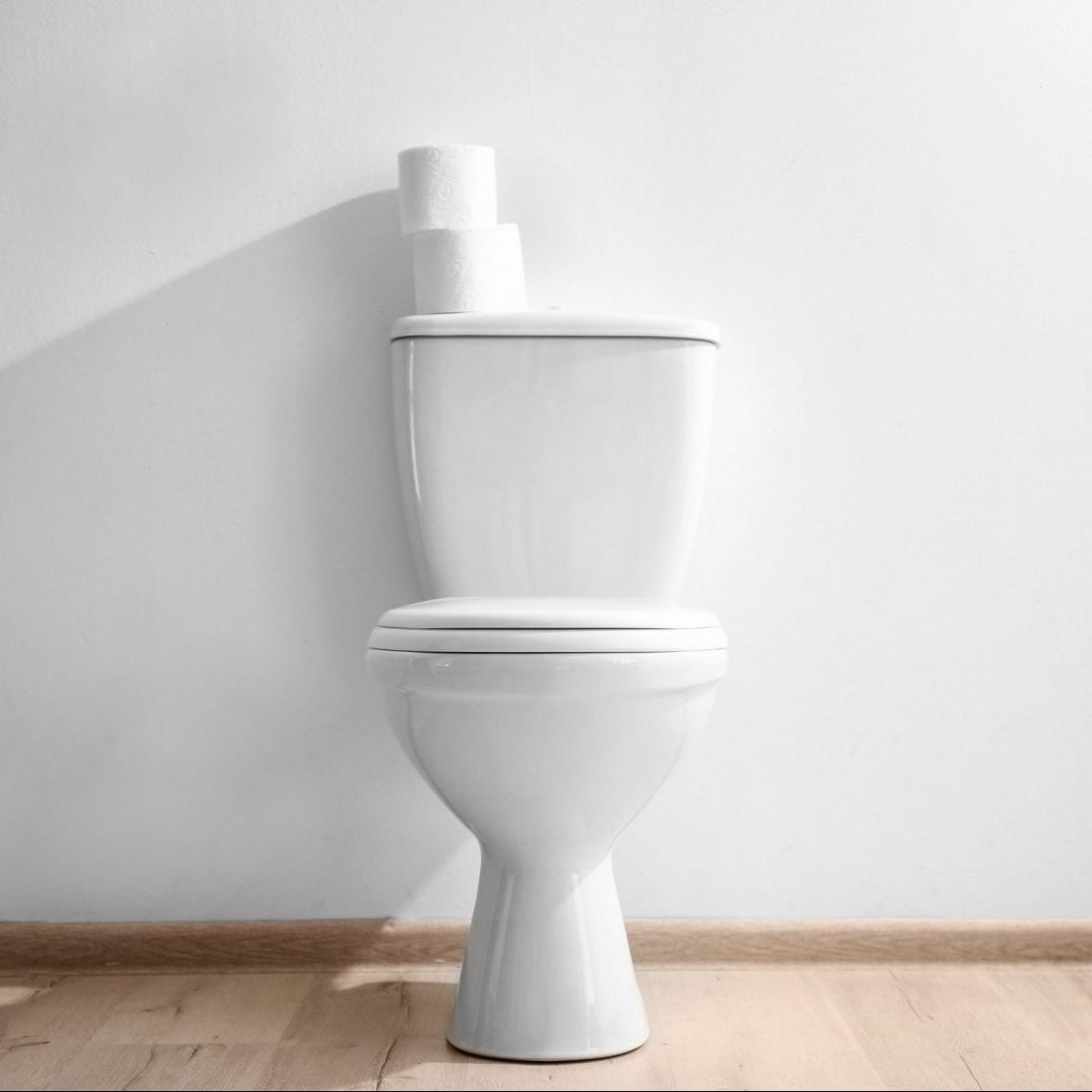

Walk into the basement of an older American house, and you may discover the usual collection of cobwebs, paint cans, holiday decorations, and one deeply confusing piece of porcelain: a toilet sitting alone in the open.
There may be no bathroom walls. No sink. No door. Sometimes there is not even a curtain to protect the dignity of whoever is brave enough to use it. The toilet simply occupies the basement like a ceramic monarch whose kingdom was abandoned decades ago.
These fixtures are commonly called Pittsburgh toilets or Pittsburgh potties, although they are not limited to Pittsburgh. They appear in old houses throughout Pennsylvania, Ohio, Wisconsin, Illinois, Minnesota, New York, New Jersey, and other parts of the United States. Their origins involve early indoor plumbing, industrial workers, inexpensive construction, andmost convincinglythe unpleasant behavior of overloaded sewer systems.
What Is a Pittsburgh Potty?
A Pittsburgh potty is usually a freestanding toilet installed in an unfinished basement. Unlike a conventional basement bathroom, it may have no surrounding walls, ventilation fan, sink, shower, or recognizable attempt at privacy.
Some examples are positioned beside a utility sink or laundry area. Others are near a floor drain, furnace, workbench, or coal room. Homeowners have improvised privacy screens using curtains, folding doors, plywood, shower curtains, flags, and occasionally construction choices best described as “technically something.”
The name comes from the fixture’s strong association with older working-class houses in Pittsburgh and western Pennsylvania. However, regional research has documented similar basement toilets in Milwaukee, Madison, Cleveland, Chicago-area communities, and other cities with large stocks of late-19th- and early-20th-century housing.
The Leading Explanation: Sewer Backups
The most practical explanation begins underground.
Many older urban neighborhoods were built with aging sewer laterals, combined sewer systems, and plumbing arrangements that could become overwhelmed during clogs or heavy rain. When wastewater cannot continue toward the municipal sewer, it may reverse direction and rise through the lowest available plumbing fixture in the house.
The Lowest Fixture Loses the Plumbing Lottery
Because the basement is the lowest level of the home, a toilet or floor drain installed there is often among the first places where a sewer backup becomes visible. If sewage must emerge somewhere, an unfinished basement with a concrete floor is less destructive than an upstairs bathroom with wood flooring, plaster ceilings below it, and a decorative rug that did nothing to deserve such a fate.
Architect and preservation specialist William Martin has argued that basement toilets were primarily related to sewer overflows rather than being designed specifically for steelworkers. Municipal guidance from cities such as Philadelphia and Milwaukee still warns that sewer water commonly enters through basement fixtures and recommends modern measures such as backwater valves to reduce the risk.
Was the Toilet an Intentional Safety Valve?
The phrase “safety valve” is useful, but it should not be taken too literally. A basement toilet did not magically eliminate a clog or guarantee that the rest of the house would remain clean. Rather, its low position made it a likely overflow point.
In a period before modern backwater valves, alarm systems, plastic piping, and high-powered drain-cleaning equipment, allowing a backup to appear in an unfinished utility space may have been the least terrible option available. That is not the same as a good option. It is more like choosing which room should host the disaster.
The Famous Steelworker and Miner Theory
Ask a longtime Pittsburgh resident about the basement toilet, and you may hear a more colorful explanation: miners and steelworkers came home covered in coal dust, grease, soot, and industrial grime. Instead of tracking dirt through the main living areas, they entered through the basement, changed clothes, washed up, and used the toilet before going upstairs.
This explanation makes intuitive sense. Pittsburgh was a major industrial center, and many older homes had basement entrances, utility sinks, basic showers, and laundry equipment. A downstairs toilet would certainly have been convenient for workers who wanted to clean up after a shift.
There is also evidence that homeowners used these fixtures this way, even if that was not always the original reason for installation. Local Pittsburgh publications have recorded generations of residents describing basement facilities as part of a worker cleanup routine.
A Good Use Is Not Necessarily the Original Purpose
The problem with treating the worker story as the complete answer is that basement toilets also appear in cities and homes without a direct connection to steel mills or coal mines. Their broad geographic distribution suggests that common plumbing conditions mattered at least as much as local employment.
The fairest conclusion is that some toilets may have served several purposes. A fixture installed cheaply near the main drain could provide a convenient restroom, accommodate dirty workers, support laundry activities, and become the first point of overflow during a sewer backup. Old houses rarely follow a single neat explanation. They are more likely to offer four plausible answers, two undocumented renovations, and a pipe that disappears into a wall for reasons nobody remembers.
Some Basement Toilets May Have Been the First Indoor Toilets
Another explanation concerns the gradual adoption of indoor plumbing.
Running water and flush toilets did not arrive in every American home at the same time. Even into the early 20th century, many families still relied on outhouses, privies, or chamber pots. Indoor toilets were expensive, required water and sewer connections, and raised concerns about odors, leakage, and sanitation.
Historical records show that indoor plumbing was still considered a notable amenity in late-19th-century worker housing. At the Longfellow House in Massachusetts, an early indoor toilet was installed in the basement between 1861 and 1882, likely for servants, before more conventional bathrooms appeared elsewhere in the house. Smithsonian and National Park Service histories also document how slowly indoor toilets spread because homes needed both suitable plumbing and access to water and sewer infrastructure.
The Basement Was Often the Cheapest Place to Start
Installing a toilet near the house drain, water supply, and exposed pipes could be significantly easier than carving a bathroom out of an upstairs bedroom. Basement construction required fewer finished surfaces to disturb, and any leak would damage a utility area rather than a furnished living room.
In some homes, the basement toilet may therefore have been the first indoor toilet the family owned. Later residents added a proper upstairs bathroom but kept the original fixture because it still worked. Removing a functioning toilet costs money, while ignoring it is freeone of the most durable principles in home-improvement history.
Why Were the Toilets Left Completely Exposed?
The lack of walls is often more surprising than the toilet itself. Yet an open installation was inexpensive and appropriate for a basement that was never intended to function as finished living space.
Many early basements were primarily mechanical and storage areas. They held furnaces, coal bins, laundry tubs, canned food, tools, and household equipment. Comfort and interior design were not priorities. If the toilet was intended for occasional use, workers, servants, or emergencies, homeowners may not have considered a private room worth the additional expense.
Later owners frequently added partial enclosures. That is why old-house shoppers encounter such an impressive range of bathroom architecture, from professionally framed rooms to a single curtain hanging from exposed copper pipe. The latter offers privacy in roughly the same way an umbrella offers privacy at the beach: technically, part of you is covered.
Why Basement Toilets Are Common in Older Industrial Cities
Several conditions came together in places such as Pittsburgh, Milwaukee, Cleveland, and Chicago:
- Large numbers of houses were built during the rapid industrial expansion of the late 1800s and early 1900s.
- Dense neighborhoods depended on municipal water and sewer infrastructure that evolved over time.
- Many houses had full basements because of cold winters and frost-depth construction requirements.
- Working-class households valued practical washing, laundry, and cleanup areas.
- Older combined sewer systems could receive both rainwater and sanitary sewage, increasing backup pressure during storms.
Milwaukee officials continue to address basement backups caused by excess clear water entering sanitary sewers through foundation drains, downspouts, and deteriorated laterals. Philadelphia likewise operates a program focused specifically on plumbing upgrades for homes that experience water entering through basement fixtures during wet weather.
Does a Basement Toilet Still Protect Your House Today?
Do not assume an old toilet is a reliable sewer-backup system. Its low position may cause it to overflow first, but that does not prevent sewage from entering through nearby drains, tubs, sinks, or other fixtures.
A licensed plumber can inspect the sewer lateral, determine where the toilet connects, check for proper venting, and identify whether the home has a functioning backwater valve. Camera inspections can reveal roots, cracks, corrosion, offsets, and collapsed sections inside older sewer pipes.
Modern Protection Is More Dependable
Depending on local codes and the property’s layout, a plumber may recommend a backwater valve, sewer-lateral repair, downspout disconnection, sump-pump improvements, or correction of improper stormwater connections.
If a new basement bathroom sits below the elevation at which waste can flow into the sewer by gravity, it may require a sewage ejector pump. Such systems collect wastewater in a sealed basin and pump it upward to the building drain. They must be correctly vented, sized, and installed according to local plumbing requirements.
What Should You Do With a Random Basement Toilet?
Keep It
A functional basement toilet can be genuinely useful. It provides an extra restroom for gardeners, workshop users, contractors, guests, or anyone who would prefer not to climb two flights of stairs. With professional inspection, proper lighting, ventilation, and a real enclosure, it can become part of a practical half-bath.
Renovate It
Before framing walls, confirm that the toilet is legally installed and properly connected. Check ceiling height, required clearances, electrical safety, ventilation, water supply, drainage slope, and emergency access. A toilet beside an electrical panel or directly under a low-hanging duct may require more than an attractive paint color to become acceptable.
Remove It
If the toilet is cracked, unstable, badly placed, or no longer wanted, have a plumber remove it and cap the drain correctly. Simply pulling out the fixture and placing a loose cover over the opening can allow sewer gas, moisture, and pests into the basement.
Leave It as a Historic Conversation Piece
Some homeowners preserve their Pittsburgh potty because it is part of the house’s character. It may not increase the property value in the traditional sense, but it will provide something to discuss when every other topic at the housewarming party has been exhausted.
Warning Signs That the Toilet or Sewer Line Needs Attention
Call a plumbing professional if you notice several slow drains, bubbling or gurgling toilets, recurring clogs, sewage odors, water rising in basement fixtures, damp areas around the toilet base, or wastewater appearing after heavy rain.
A dry toilet or floor-drain trap can also allow sewer gas into the house. If the fixture is rarely used, the water in its trap may evaporate. However, persistent odors should not be dismissed as “old-house smell.” They may indicate damaged piping, failed seals, venting problems, or an open drain.
If sewage has entered the basement, avoid direct contact and keep children and pets away. Floodwater containing sewage can create biological hazards, while wet electrical equipment presents a separate danger. Public-health guidance recommends appropriate protective equipment and professional help when contamination is extensive.
Homeowner Experiences: Living With a Basement Toilet
For many old-house buyers, the first encounter with a Pittsburgh potty happens during a home showing. The real estate agent leads everyone downstairs, praises the storage space, points toward the newer water heater, and then walks suspiciously quickly past the toilet beside the furnace.
The buyer pauses. “Is that operational?”
The agent answers with the optimism traditionally reserved for century-old foundations: “The owner says it has always been there.”
That first moment often produces a mixture of amusement and concern. A toilet without walls feels less like a bathroom fixture and more like evidence from an architectural mystery. Buyers wonder who installed it, who used it, and why no previous owner spent one Saturday building a privacy partition.
After moving in, however, homeowners frequently discover that the odd fixture is surprisingly convenient. Someone working in the garage can use it without crossing freshly cleaned floors. Gardeners do not have to remove muddy boots. During a renovation, when the main bathroom is temporarily unusable, the basement toilet can become the most valued seat in the house.
The experience changes dramatically when plumbing problems appear. A toilet that rocks at the base, flushes slowly, or produces mysterious bubbles whenever the washing machine drains is no longer charming. It becomes a porcelain warning system. Owners of old houses often learn that basement fixtures reveal problems sooner than upstairs plumbing because they are closer to the main building drain.
Renovation projects create another memorable chapter. A homeowner may begin with a simple plan: add two walls, install a small sink, and create a pleasant half-bath. Then the contractor discovers corroded cast iron, inadequate venting, a questionable electrical outlet, and a drain arrangement that appears to have been designed during a disagreement.
The modest weekend project becomes a plumbing consultation, permit application, concrete-cutting operation, and educational seminar on sewage ejector pumps. This is a classic old-house experience: the building agrees to the renovation only after assigning several side quests.
Some families decide to preserve the toilet in nearly original form. They clean it, repair the shutoff valve, hang a tasteful curtain, and embrace its regional history. Guests inevitably ask about it, allowing the homeowner to explain Pittsburgh’s industrial past, early indoor plumbing, and sewer-backup theory before dessert.
Other owners remove the fixture because the basement needs storage, a workshop, or a finished recreation room. Even then, many photograph it first. The toilet may be awkward, stained, and positioned three feet from the laundry machines, but it represents a layer of the home’s history that will disappear once the drain is capped and the floor is repaired.
The most successful homeowners approach these basement toilets with equal parts curiosity and caution. They recognize the fixture as an artifact, but they do not confuse age with safety. They ask a plumber to inspect it, learn how the house drain works, and decide whether the toilet should be restored, enclosed, upgraded, or removed.
And almost all of them eventually give it a nickname. Once a toilet has stood alone in the basement for 100 years, it seems rude not to introduce yourself.
Conclusion: The Random Toilet Is Not So Random
That lonely basement toilet may look like the result of an unfinished renovation, but it often reflects the practical realities of an earlier era. It could have been installed near the main drain to reduce plumbing costs, used by industrial workers cleaning up after a shift, retained as the home’s first indoor toilet, or positioned where sewer backups would cause less damage.
The strongest historical explanation connects many Pittsburgh potties to old drainage systems and the tendency of sewage to rise through the lowest fixture. Still, no single story fits every house. Plumbing systems changed, families adapted rooms to their needs, and fixtures acquired new uses over generations.
Today, a basement toilet can be useful, historic, funny, hazardous, or all four before breakfast. Have it inspected before relying on it, renovating around it, or removing it. The house has kept the toilet for decades. Taking an extra day to understand why is the least you can do.