
Note: This original article synthesizes real travel trends, vacation-stay behavior, photo-sharing habits, mobile photography guidance, and social-media safety advice into a fresh, publish-ready feature written in standard American English.
There are two kinds of vacation people: the ones who unpack neatly, fold their socks like museum artifacts, and read the hotel binder; and the ones who sprint to the balcony, fling open the curtains, and immediately say, “Oh, I need to take a picture of this.” This article is lovingly dedicated to the second groupalso known as everyone with a phone, a window, and a dramatic appreciation for sunrise over a parking lot.
The phrase “Hey Pandas, post a pic of your view from where you’re staying on vacation” captures something wonderfully human. It is not just about palm trees, mountain cabins, oceanfront suites, or that suspiciously glamorous Airbnb bathroom mirror. It is about the tiny thrill of saying, “This is where I am right now.” A vacation view can be luxurious, hilarious, peaceful, chaotic, or so ordinary that it somehow becomes charming. A beach at golden hour? Beautiful. A motel ice machine next to a vending machine that only sells orange soda? Also, in its own strange way, art.
In the age of online communities, travel photography, and user-generated content, vacation views have become a digital postcard. People no longer wait two weeks to show friends a stack of printed photos. They share the balcony, the breakfast table, the foggy cabin window, the skyline from the 23rd floor, or the campsite where one raccoon has clearly appointed itself manager. These images are small but powerful storytelling tools. They invite conversation, spark travel ideas, and remind people that “vacation” does not always have to mean expensive, far away, or perfectly curated.
Why Vacation Views Are So Addictive
A vacation view works because it delivers instant atmosphere. Before you describe the trip, the photo already says something. A snowy mountain view says slow mornings, thick socks, and hot coffee. A city balcony says late-night food, honking taxis, and someone definitely overpacking “just in case.” A beach view says sunscreen, sandals, and a 90 percent chance that sand will follow you home like a clingy ex.
Travel has become increasingly experience-driven. Modern travelers are not only choosing places based on price and location; they are also looking for mood, story, convenience, and shareable moments. Hotels, cabins, resorts, and vacation rentals understand this. That is why listings highlight “ocean view,” “mountain view,” “city view,” “lakefront,” “garden patio,” “private balcony,” and “sunset deck” as if these words have magical powers. Honestly, they kind of do.
Views also help people remember how a trip felt. A photo of a room can be useful, but a photo from the room is emotional. It shows what greeted you in the morning, what you looked at while drinking coffee, and what made you pause before checking your notifications. It is the difference between “I stayed somewhere” and “I had a moment there.”
The Rise of User-Generated Travel Moments
Travel inspiration increasingly comes from everyday people, not only glossy brochures or professionally edited tourism campaigns. A traveler posting a balcony view from a modest inn can feel more trustworthy than a luxury ad showing a pool that may or may not require a helicopter to access. People want real photos, real angles, and real reactions. They want to know whether the “partial ocean view” means “romantic glimpse of the sea” or “one blue pixel visible between two buildings if you lean dangerously left.”
That is why community-style prompts are so engaging. They invite everyone to participate. You do not need to be a professional photographer. You do not need a drone, a designer suitcase, or a caption that sounds like it was written by a sunset wearing linen. You only need to show what you see.
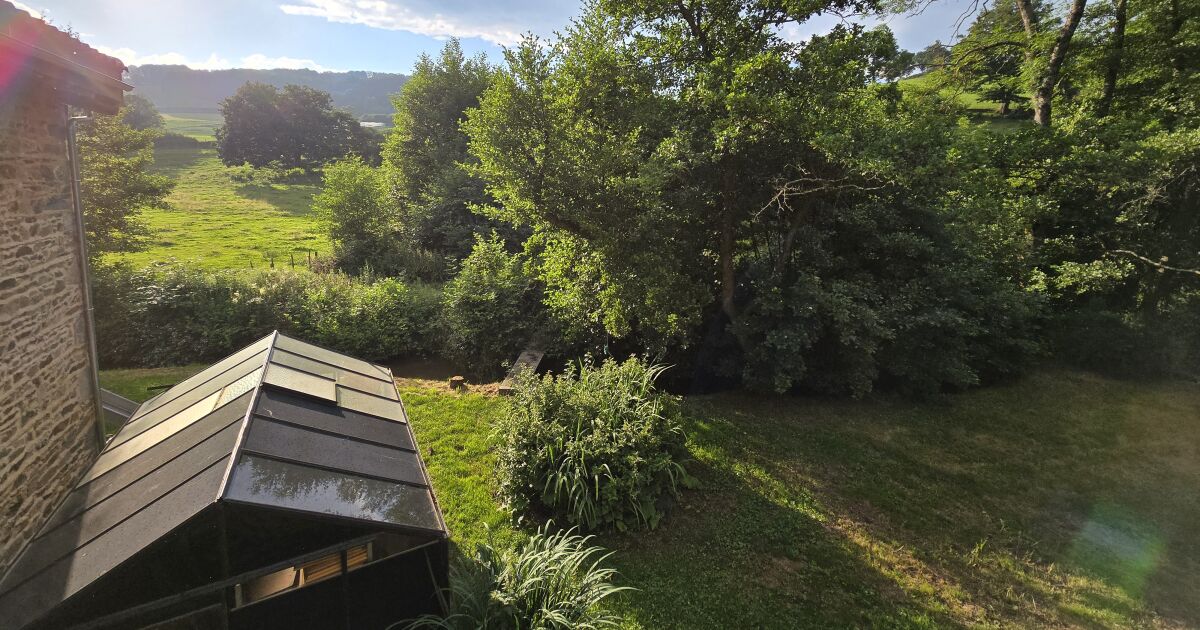
These posts also create a global patchwork of places. One person may share the view from a lakeside cabin in Wisconsin. Another may post a rainy street in Seattle. Someone else might upload a balcony overlooking Miami, a desert sunrise in Arizona, a farmhouse porch in Vermont, or a hotel window facing a brick wall that is “technically urban.” Together, these images become a democratic travel gallery: beautiful, odd, cozy, funny, and refreshingly real.
What Makes a Great Vacation View Photo?
A great vacation view photo does not have to be perfect. In fact, perfection can sometimes flatten the charm right out of an image. The best vacation photos usually have a sense of place. They make viewers feel like they could step into the scene, hear the morning traffic, smell the pine trees, or feel the breeze coming through the balcony door.
1. Good Light Beats Fancy Gear
Morning and late afternoon light can make even a simple view look cinematic. The same hotel window that looks plain at noon might turn golden at sunset. The trick is patience. Before snapping one quick photo and moving on, give the scene a few minutes. Watch how the light shifts. Vacation is one of the few times when staring out a window counts as an activity.
2. Add a Foreground Detail
A cup of coffee, an open book, a balcony railing, a pair of hiking boots, or a messy breakfast plate can make the view feel lived-in. A mountain photo is nice. A mountain photo with your steaming mug in the corner says, “I am here, I am cozy, and I may never return to email.” Foreground details give depth and personality without requiring a complicated setup.
3. Show the Honest Version
Not every vacation view is postcard-perfect, and that is part of the fun. Maybe your room overlooks a quiet alley where a cat patrols like a tiny security guard. Maybe your rental has a view of a field, a fence, and one suspiciously judgmental goat. Share it anyway. Online audiences often love authenticity more than polished perfection, especially when the caption has a wink.
4. Use Composition Without Overthinking It
Try placing the horizon slightly above or below the center of the photo instead of directly in the middle. Frame the shot with curtains, trees, doorways, or balcony edges. Step closer to interesting details instead of relying too much on zoom. These small choices can make a phone photo feel more intentional while still keeping it spontaneous.
Examples of Vacation Views People Love to Share
Some vacation views are universal crowd-pleasers. Others are funny because they are not what anyone expected. Both kinds deserve their moment.
Ocean and Beach Views
The classic vacation view is still undefeated: blue water, bright sky, maybe a palm tree leaning into the frame like it knows its good side. Beach views perform well because they instantly communicate relaxation. Even people who dislike sand can respect a good ocean sunrise from a safe, sand-free balcony.
Mountain and Forest Views
Cabin windows, misty pine trees, lake reflections, and snow-covered slopes feel peaceful and cinematic. These views are especially popular with travelers seeking quiet, nature, hiking, national parks, or a break from city noise. They also pair extremely well with captions about “disconnecting,” posted from a phone that is absolutely still connected.
City Views
A skyline view has its own energy. Whether it is New York, Chicago, Las Vegas, Los Angeles, Miami, Nashville, or a smaller downtown with one heroic tall building, city views suggest movement and possibility. Nighttime city photos can be especially striking, with lights turning ordinary streets into glittering maps.
Unexpected Views
These are the underrated champions: the hotel window facing a neon sign, the campground view featuring a raccoon, the rental porch overlooking a neighbor’s inflatable dinosaur, or the “garden view” that is mostly one determined shrub. These photos often get the biggest laughs because they tell a real travel story. Not every vacation comes with an infinity pool. Sometimes it comes with a vending machine and character development.
The Psychology Behind Sharing “My View Right Now”
Posting a vacation view is not just showing off, although let us be honestsometimes the balcony deserves a little applause. It is also a form of connection. When people share what they see, they invite others into their present moment. A view photo says, “Look at this with me.” That tiny invitation can feel surprisingly warm.
Vacation photos also help people organize memories. A view from a window can become the visual anchor for the entire trip. Years later, you may not remember the room number, the breakfast menu, or why you packed three jackets for Florida, but you may remember the exact shade of the sunrise outside your window.
There is also a community element. When one person posts a view, others want to respond with theirs. The result becomes a friendly exchange of places, moods, and mini stories. It is less about competing and more about comparing the delightful weirdness of being somewhere else for a while.
How Vacation Stays Shape the Photo
The type of accommodation changes the story. Hotels often offer height, convenience, and polished surroundings. Vacation rentals may provide porches, kitchens, neighborhood charm, and a sense of “living” somewhere temporarily. Resorts create curated relaxation, while cabins and campsites provide nature, quiet, and the occasional bug with too much confidence.
Travelers today often compare not only where they will sleep but what kind of experience the stay will create. Is there a balcony? Can you see the water? Is the patio private? Does the cabin face the woods? Is the city view worth the upgrade? These details matter because the stay is no longer just a base camp. It is part of the vacation itself.
For hosts and hotel marketers, this is a major lesson: the view is not decoration; it is a selling point. Clear, honest photos of the actual view can build trust. Overpromising, however, is risky. If a listing says “stunning lake view” and guests arrive to find a puddle behind a gas station, the review section will become a courtroom.
Safety Tips Before Posting Vacation Photos
As fun as vacation view photos are, it is smart to share carefully. Posting in real time can reveal where you are and suggest that your home is empty. That does not mean you should never share travel memories. It simply means you should think before posting, especially on public accounts.
Delay Your Posts
One of the easiest safety habits is to post after you leave or after you return home. You still get to share the beautiful view, but you avoid broadcasting your exact location in real time. The sunset will not be offended by a delayed upload.
Check for Location Clues
Before posting, look for room numbers, street signs, rental addresses, license plates, hotel keycards, boarding passes, or recognizable private details. A great vacation photo should show the vibe, not your full itinerary and security hints.
Adjust Privacy Settings
If you are sharing personal travel updates, private accounts and limited audiences are safer than public posts. Also remember that friends can screenshot or reshare, so avoid posting anything you would not want traveling farther than you did.
Be Respectful of Other People
Vacation views sometimes include strangers, neighbors, workers, or other guests. Try not to make other people the focus without permission. A beautiful pool view is lovely; accidentally turning a stranger’s pool nap into internet content is less lovely.
Caption Ideas for Vacation View Photos
A good caption does not need to sound like a luxury perfume commercial. Keep it natural. A little humor often works better than a dramatic quote about wanderlust.
- “Current view: dangerously good for my motivation to return home.”
- “The room came with coffee, towels, and this ridiculous view.”
- “Not pictured: me pretending I live here now.”
- “Vacation update: the balcony is doing all the heavy lifting.”
- “This view has been promoted to emotional support scenery.”
- “Booked for the bed, stayed for the window.”
- “Five stars for the view, one star for my ability to pack lightly.”
How to Turn a Simple View Into a Mini Story
The strongest posts often include more than a photo. Add a sentence or two about what is happening. Did you wake up early to see the sunrise? Did rain change your plans but make the window view cozier? Did your “ocean view” require standing on a chair and squinting? These details turn an image into a story.
For example, instead of writing, “Nice view,” try: “Woke up to fog rolling over the lake, made coffee, and immediately forgot every stressful email I have ever received.” That caption gives mood, action, and personality. It makes the reader feel present.
Another example: “Our rental promised a garden view. It is one cactus, two lawn chairs, and a bird that seems disappointed in us. Honestly, perfect.” This kind of caption works because it embraces reality. Travel is full of imperfect details, and those are often the ones people remember most.
Why Imperfect Vacation Photos Are Often Better
Perfect travel content can be beautiful, but it can also feel distant. When every image looks edited, staged, and suspiciously free of laundry, it stops feeling relatable. Imperfect vacation photos remind people that real trips include weather, crowds, weird room layouts, missed turns, and snacks eaten over the sink.
A slightly crooked balcony photo may carry more warmth than a flawless promotional image. A rainy window view may feel more peaceful than a crowded landmark. A funny motel view may generate more conversation than a luxury suite. The charm is in the honesty.
This is especially important for online communities. People participate more when the standard is welcoming, not intimidating. A prompt like “post your vacation view” works because everyone can join. The beachfront resort, the mountain cabin, the roadside motel, the cousin’s guest room, and the tent under the trees all belong in the same conversation.
Experience Section: What Vacation Views Teach Us
There is something oddly grounding about arriving somewhere new and looking out the window for the first time. Before the itinerary begins, before the restaurant reservations, before anyone argues about where to park, there is a quiet moment when the trip becomes real. You set down your bag, walk to the window, and meet the place.
Sometimes the view is exactly what you hoped for. The ocean is right there, sparkling like it was hired for the job. The mountains rise in the distance. The city lights blink awake. The lake sits still under the morning sky. In those moments, taking a photo feels almost automatic. You are not trying to brag; you are trying to keep proof that the world briefly arranged itself in your favor.
Other times, the view is not glamorous at all, but it becomes memorable anyway. I have seen travelers fall in love with views of quiet streets, train tracks, rooftops, parking lots after rain, and tiny balconies filled with mismatched chairs. A vacation view does not have to be grand to feel special. It only has to belong to a moment when you are outside your normal routine.
That is the real magic of this topic. The view from where you are staying is not just scenery; it is context. It frames the morning coffee, the tired return after a long day, the late-night snack, the weather check, and the “Do we really have to leave tomorrow?” conversation. It becomes part of the emotional furniture of the trip.
Travel also teaches that expectations can be funny little troublemakers. You may book a room for the view and spend most of your time exploring outside. Or you may choose a basic stay and discover that the window catches sunset perfectly every evening. Sometimes the expensive view is wonderful. Sometimes the cheap view has better stories. Sometimes the best photo is not the one you planned, but the one you noticed while waiting for someone to find the room key.
There is also a social joy in sharing these views. When people post them, they are not only showing a place; they are opening a tiny window for everyone else. A friend stuck at work can enjoy a beach sunrise for five seconds. A family member can see the cabin you described. A stranger online can laugh at your “premium alley view” and reply with their own. These small exchanges make travel feel less like a private trophy and more like a shared scrapbook.
The best advice is to take the picture, but do not forget to look without the camera too. Let the view exist before it becomes content. Notice the sounds, the temperature, the movement, the smell of breakfast from somewhere nearby, the way the light changes after ten minutes. A photo can preserve the scene, but attention preserves the feeling.
So yes, pandas, post the pic. Post the ocean, the mountains, the skyline, the backyard hammock, the rainy window, the cabin porch, the questionable “garden view,” and the motel sign glowing like a budget-friendly lighthouse. Post the view that made you laugh, breathe, pause, or text someone, “You have to see this.” Just share wisely, protect your privacy, respect the people around you, and remember that the best vacation views are not always the fanciest. They are the ones that make you feel, even briefly, like you are exactly where you are supposed to be.
Conclusion
“Hey Pandas, post a pic of your view from where you’re staying on vacation” is more than a fun online prompt. It is a celebration of travel as people actually experience it: through windows, balconies, porches, campsites, hotel rooms, breakfast tables, and unexpected little scenes that become unforgettable. Vacation views are powerful because they are personal. They show where we paused, what we noticed, and how a place greeted us.
Whether your view is a turquoise beach, a glowing skyline, a quiet forest, a snowy mountain, or a brick wall with surprising emotional range, it can still tell a story. The secret is to photograph with curiosity, caption with honesty, and share with a little common sense. In a world full of polished travel content, the real view from where you are staying may be the most interesting one of all.