
Everyone has a weird little thing they do when nobody is watching. Some people talk to their houseplants like they are unpaid roommates. Some organize snacks by color before eating them. Some rehearse imaginarys been waiting all day for manners.
The phrase “Hey Pandas, what is something weird that you do?” feels like the perfect internet campfire question. It invites people to confess the harmless, hilarious, oddly specific habits that make us human. The funny part is that the moment one person shares a “weird” behavior, ten other people usually shout, “Wait, I do that too!” Suddenly, what felt like a private glitch becomes a group feature.
This article explores why people have quirky habits, what makes them feel strange, when they are completely normal, and why sharing them online can be surprisingly comforting. Consider this a friendly field guide to human weirdness: no judgment, no lab coat required, and definitely no shame if you name your favorite coffee mug.
What Does “Weird” Really Mean?
“Weird” is often just another word for “not part of the script.” Society quietly teaches us what looks normal: how to eat, speak, sit, shop, work, laugh, and pretend we definitely understood the group chat. Anything outside that invisible rulebook can feel odd, even when it is harmless.
But normal behavior is not as neat as people think. Human beings are walking bundles of habits, memories, preferences, anxieties, comforts, and tiny rituals. One person’s weird habit is another person’s Tuesday. You may think it is strange to eat cereal without milk, while someone else thinks milk is a cereal swamp and refuses to participate.
Weirdness Is Often Context
Talking to yourself while solving a problem may seem odd in a quiet office. Do it while cooking dinner, and suddenly it looks like you are hosting a very exclusive cooking show. Arranging pens perfectly on a desk may look unusual to one person and deeply satisfying to another. The behavior itself is not always weird; the setting decides whether people raise an eyebrow.
That is why online communities love questions like “Hey Pandas, what is something weird that you do?” They give people permission to describe the habits that rarely make it into polite small talk. The result is often funny, relatable, and oddly wholesome.
Why Do People Develop Weird Little Habits?
Most quirky behaviors are not random. They often serve a purpose, even if that purpose is tiny, emotional, or wonderfully ridiculous. Your brain likes shortcuts. It builds routines to save energy, reduce uncertainty, create comfort, and make daily life feel more manageable.
Habits Help the Brain Save Effort
A habit forms when a behavior is repeated in a similar situation. Over time, the brain starts treating that behavior like a shortcut. You do not have to think deeply about brushing your teeth, locking the door, or checking whether your phone is in your pocket. Your brain says, “We have done this before. I’ll take it from here.”
That same habit-making system can create funny routines too. Maybe you always tap your pockets in the same order before leaving home: phone, wallet, keys, dignity. Maybe you read the last page of a book first because suspense personally offends you. Maybe you cannot start work until your drink is positioned at the exact emotional support angle on your desk.
Quirks Can Create Comfort
Small rituals can make life feel more predictable. Wearing lucky socks before an exam, using the same mug every morning, or playing the same song before a big task may not magically change the outcome, but it can change how prepared you feel. The brain enjoys patterns because patterns feel safer than chaos.
This is why many people have pre-performance routines, bedtime rituals, or “before I leave the house” sequences. Even if they look silly from the outside, they may provide a sense of control. In a world where printers jam, traffic appears from another dimension, and group projects test the limits of civilization, a tiny routine can feel like a handrail.
Common Weird Things People Do
The beauty of human weirdness is its range. Some habits are sensory. Some are emotional. Some are practical. Some make absolutely no sense until you meet the person doing them, and then somehow they make perfect sense.
1. Talking to Objects, Pets, or Yourself
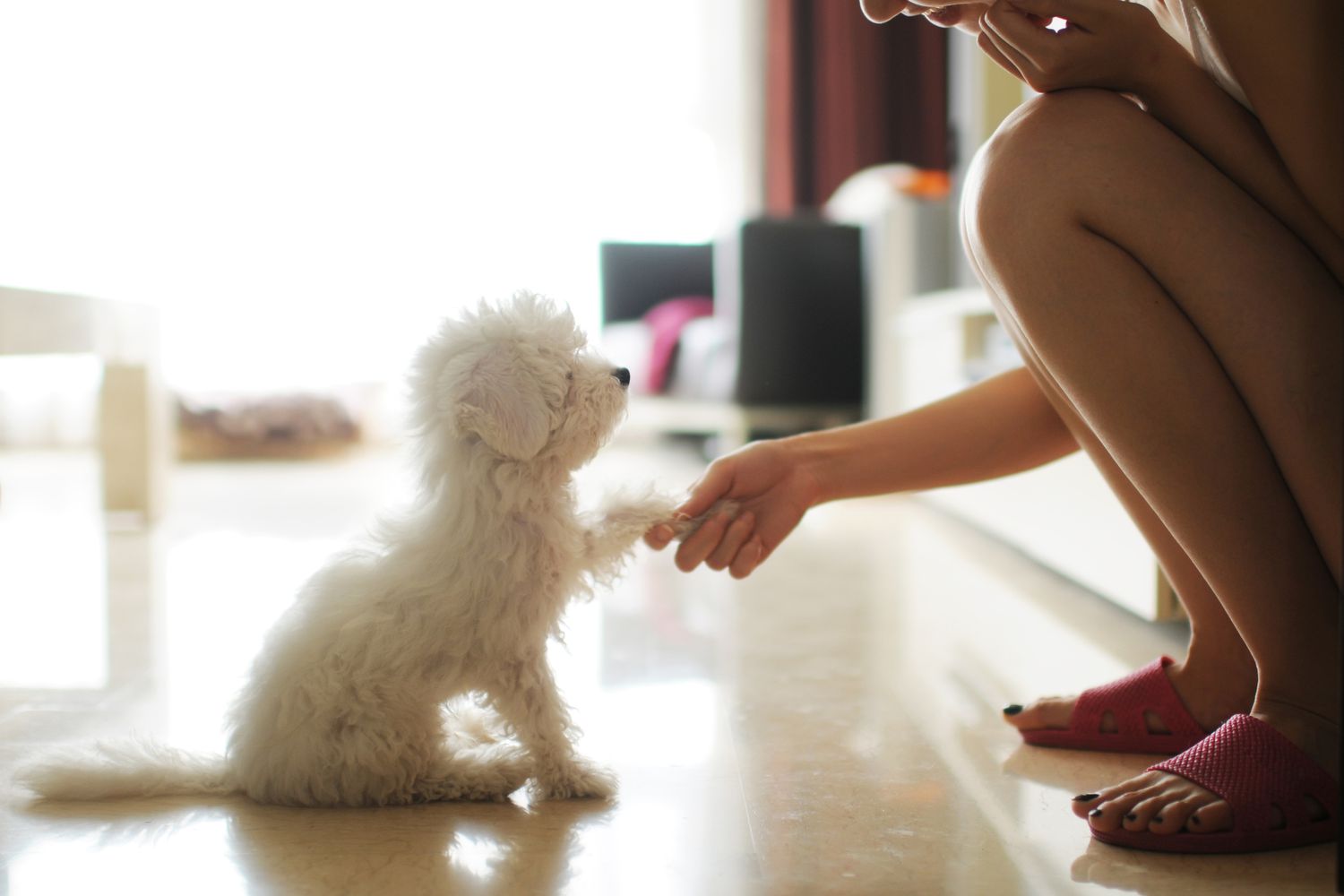
Many people talk to their pets, cars, laptops, plants, coffee machines, or stubborn Wi-Fi routers. “Come on, buddy, you can do it” is not just encouragement; it is a survival strategy when technology chooses violence.
Talking to yourself is also common. People use self-talk to organize thoughts, calm nerves, remember tasks, and rehearse difficult conversations. Saying “Keys, wallet, phone” out loud may look unusual, but it can prevent the ancient tragedy of arriving at your car without your keys.
2. Creating Tiny Food Rules
Food quirks are a whole personality category. Some people eat fries from shortest to longest. Some save the best bite for last. Some refuse to let different foods touch on a plate, because mashed potatoes crossing into green beans territory is apparently a diplomatic incident.
These preferences often come from texture, taste, routine, or childhood associations. They may not be logical, but food is deeply personal. A sandwich cut diagonally can feel like lunch with confidence, while a square-cut sandwich may feel like paperwork.
3. Rehearsing Imaginary Conversations
One of the most common “weird” things people do is practice conversations that may never happen. You imagine what you would say if your boss asks about a project, if an old friend texts, or if a rude stranger challenges you in a grocery aisle. In the fantasy version, of course, you are calm, brilliant, and somehow speaking in movie-trailer dialogue.
This habit can be a way to prepare, process emotions, or regain a sense of control. It only becomes a concern if it traps you in constant worry or makes real interactions harder. Otherwise, welcome to the private theater of the mind, where everyone gets a dramatic monologue.
4. Repeating Sounds, Phrases, or Songs
Some people make little sound effects while moving around the house. They drop something and say “boop.” They open the fridge and hum like they have discovered a glowing treasure chest. They give their pets theme songs. These tiny performances may seem odd, but they can make ordinary life more playful.
Repeating phrases can also be comforting. A personal catchphrase, inside joke, or silly word can become part of someone’s emotional toolkit. It is not weird in a bad way. It is the brain adding seasoning.
5. Arranging Things “Just Right”
Some people line up objects, straighten picture frames, organize apps by color, or keep their workspace in a specific order. For many, this is simply satisfying. Visual order can make the mind feel less cluttered.
There is an important distinction, though. A preference for neatness is not the same as a compulsion. If arranging things brings pleasure or focus, it is usually just a quirk. If it causes distress, takes a lot of time, or feels impossible to resist, it may be worth discussing with a health professional.
Why Sharing Weird Habits Online Feels So Good
Online prompts like “Hey Pandas, what is something weird that you do?” work because they combine humor with vulnerability. The question is casual, but the answer can reveal something real. People are not just listing habits; they are testing whether others recognize them.
When someone posts, “I pretend I am being interviewed while doing chores,” thousands of readers may laugh because they also narrate laundry like they are in a documentary. That shared recognition is powerful. It says, “You are not the only one.”
Humor Makes Honesty Easier
Humor softens embarrassment. It lets people admit something personal without feeling exposed. Saying “I talk to my microwave because it listens better than some people” is funny, but it also hints at how people use humor to move through everyday frustration.
Laughter also connects people quickly. A strange habit becomes a social bridge. The more specific the confession, the stronger the connection can feel. “I like snacks” is ordinary. “I eat all the broken chips first so the whole chips do not feel abandoned” is a tiny masterpiece.
When Is a Weird Habit Completely Normal?
Most weird habits are normal when they are harmless, flexible, and do not interfere with daily life. If your habit makes you smile, helps you focus, or gives you comfort without hurting you or others, it probably belongs in the charming category.
Examples include naming household objects, singing to your dog, using a favorite spoon, sorting candy by color, wearing mismatched socks on purpose, or making a dramatic sound when you sit down after a long day. These are not problems. These are decorations on the furniture of personality.
Signs a Habit May Need Attention
A habit may deserve closer attention if it causes physical harm, intense distress, shame, relationship problems, or major disruptions to work, school, sleep, or daily responsibilities. For example, occasional nail biting is common, but repeated biting that causes injury or infection is different. Enjoying order is common, but feeling trapped by repetitive checking or arranging can be exhausting.
The goal is not to label every odd behavior as a disorder. The goal is to notice whether the habit is serving you or controlling you. Weird is fine. Painful, harmful, or overwhelming is a signal to get support.
How to Embrace Your Weird Side Without Letting It Run the Meeting
Being a little weird is not a flaw. In fact, quirks often make people more memorable, creative, and relatable. The trick is to embrace harmless weirdness while staying aware of boundaries.
Keep the Habits That Add Joy
If a quirk makes your day better, let it live. Dance while waiting for toast. Give your car a pep talk. Use the fancy glass for orange juice because adulthood is hard and glamour must be found where it can. Life does not need to be a beige hallway.
Laugh With Yourself, Not At Yourself
There is a big difference between self-acceptance and self-mockery. You can laugh at your habit of checking the fridge five times without deciding you are ridiculous. Humor works best when it is kind. Treat yourself like a friend who is slightly odd but excellent company.
Share Selectively
You do not owe everyone access to your private quirks. Some habits are fun to share online or with friends. Others can remain part of your inner world. Privacy is not secrecy; sometimes it is just good emotional interior design.
Examples of Weird but Relatable Habits
Here are a few oddly specific behaviors that many people secretly understand:
- Lowering the music volume in the car so you can “see better” while parking.
- Opening the fridge, staring into it, closing it, and returning 45 seconds later as if new food may have spawned.
- Practicing a casual “hello” before answering the phone, then still sounding like a confused submarine captain.
- Saving nice notebooks for a “special project” and then never using them because they are too nice.
- Walking faster after turning off the basement light because darkness has clearly signed a short-term lease behind you.
- Making fake cooking-show commentary while preparing a sandwich.
- Checking the tracking number for a package that has not moved in six hours, as if personal supervision will motivate it.
These habits are funny because they are recognizable. They show how much of life happens in tiny private performances. We are all starring in our own quiet sitcoms, and sometimes the laugh track is just the dishwasher making a concerning noise.
Experiences Related to “Hey Pandas, What Is Something Weird That You Do?”
One of the most relatable experiences connected to this topic is the moment someone realizes their “weird thing” is not actually rare. Imagine a person who always counts stairs while walking. They do not do it because they need to; they just started as a kid and never stopped. For years, they assume this is a strange private habit. Then someone online admits the same thing, and suddenly dozens of people join in: “I count stairs too,” “I count ceiling tiles,” “I count how many steps it takes to reach my car.” What felt lonely becomes a tiny club with terrible membership cards but excellent enthusiasm.
Another common experience is giving personalities to objects. A person may feel bad for leaving one stuffed animal on the floor, using one mug more than another, or choosing a slightly bruised banana last. Logically, they know the mug has no emotional life. Emotionally, however, that mug has been through a lot. This type of harmless personification often comes from imagination and empathy. It can make the world feel warmer, even if it also means apologizing to furniture after bumping into it.
Food rituals are also everywhere. Someone may eat the edges of a brownie first and save the middle. Another person may refuse to drink water from a mug because mugs are for hot drinks and the universe has rules. Someone else may eat popcorn one kernel at a time and inspect each piece like a tiny edible sculpture. These rituals can sound silly, but they often give people comfort, control, or sensory satisfaction.
Then there are the dramatic private habits. Many people pretend they are in a music video while looking out a rainy window. Others silently narrate their chores like a documentary: “Here we see the tired adult returning the laundry to its natural habitat.” Some people rehearse award speeches, fake interviews, or imaginary comebacks while washing dishes. The experience is funny because it is both ridiculous and useful. It turns boring moments into scenes. It gives the mind a playground.
There is also the universal experience of hiding a weird habit until someone safe notices it. Maybe a partner catches you singing custom songs to the dog. Maybe a roommate sees you salute the microwave when it beeps. Maybe a friend realizes you always arrange fries by size. At first, embarrassment arrives wearing tap shoes. But if the other person laughs kindly or admits their own strange habit, the moment becomes bonding instead of awkward.
That is the heart of the “Hey Pandas” question. It is not really asking people to prove how bizarre they are. It is asking them to reveal the small, funny details that make them real. Weird habits are often the fingerprints of personality. They show where we seek comfort, where we add humor, where we manage stress, and where our imagination refuses to retire. In the end, the weirdest thing about weird habits may be how normal they are.
Conclusion
So, what is something weird that you do? Maybe you talk to your plants, save the best bite for last, count steps, invent songs for your pets, or give your laptop motivational speeches during software updates. Whatever it is, you are in good company.
Human beings are not perfectly polished machines. We are pattern-making, joke-telling, comfort-seeking creatures with favorite spoons and imaginary arguments. Our quirks can make us more interesting, more creative, and more connected to one another. As long as a habit is harmless and does not take over your life, it may not be a problem at all. It may simply be proof that your personality has excellent side quests.
Note: This article is for entertainment and general informational purposes. If a repetitive behavior causes distress, injury, shame, or daily-life disruption, consider speaking with a qualified health professional.