
A homemade adult gangster girl costume should look as though you own the speakeasy, know every secret entrance, and have already decided who is paying for the next round. Fortunately, the look does not require a warehouse of theatrical clothing. A thrifted blazer, crisp shirt, convincing hat, and a few smart accessories can create more attitude than a shiny packaged costume ever could. The goal is a playful, fictional blend of Prohibition-era tailoring, flapper glamour, film-noir confidence, and modern comfort.
What Makes a Gangster Girl Costume Recognizable?
Most homemade gangster girl costumes borrow visual cues from the 1920s and early 1930s. Prohibition created a profitable illegal alcohol market, helped speakeasies flourish, and contributed to organized crime. Women were not merely decorative figures in that world; historical records describe women as bootleggers, customers, reformers, and Prohibition agents. Your character can therefore be the boss, club owner, driver, accountant, singer, fixer, or detectivenot somebody standing quietly beside a male gangster.
Historical basis:
The familiar costume mixes two wardrobes. Men’s 1920s fashion featured simplified suits, tailored jackets, soft collars, and popular pinstripes. Women’s eveningwear favored shorter hems, dropped waists, loose tubular silhouettes, beading, and movement-friendly dresses. That is why a fitted pinstripe suit, fringed dress under a long coat, or waistcoat with wide-leg trousers can all communicate “gangster girl” immediately.
Fashion basis:
Choose Your Gangster Character
The Pinstripe Boss
Start with a black, charcoal, or navy pantsuit. Add a white button-down shirt, suspenders, a slim tie, and a brimmed hat. A red pocket square or lipstick gives the outfit one controlled flash of color. Keep the silhouette tailored unless you deliberately want an oversized, borrowed-from-the-boys style.
The Speakeasy Owner
Pair a black fringed or beaded dress with opaque tights, low heels, a faux-fur stole, and a long coat. Add a ledger, key ring, or vintage-style purse to suggest that you run the room rather than simply dance in it. A drop-waist dress or cloche hat makes the 1920s reference especially clear.
Clothing and headwear basis:
The Noir Fixer
Wear wide-leg trousers, a satin camisole, long overcoat, gloves, and side-parted hair. Carry a manila folder marked “CONFIDENTIAL,” a deck of cards, or a notebook full of suspiciously blank pages. This version is more cinematic than historically exact, but it is dramatic, comfortable, and easy to assemble.
DIY Supply List
- Dark blazer with matching or coordinating trousers, skirt, or dress
- White collared shirt, satin blouse, vest, suspenders, or tie
- Fedora-style hat, cloche, or newsboy cap
- Costume pearls, chain necklace, rings, or clip-on earrings
- Tailor’s chalk, removable fabric pencil, or narrow ribbon
- Fashion tape, safety pins, and temporary hem tape
- Comfortable shoes suitable for the venue
- Lightweight props such as cards, a ledger, or clearly fake money
Thrift stores are ideal because the strongest pieces are ordinary garments you can wear again. Search beyond the seasonal aisle: blazers may be in menswear, hats near accessories, and the perfect trousers beside office clothing. Real garments usually drape and move better than thin one-piece costumes.
Thrift guidance:
How to Make a Pinstripe Gangster Suit
1. Begin With a Dark Base
Use a blazer and pants that are close in color, even if they are not a true matching suit. A white shirt, hat, and accessories will visually unite them. Choose a jacket that closes comfortably and lets you raise your arms. You are dressing as a criminal mastermind, not volunteering to become trapped inside your sleeves.
2. Add Temporary Pinstripes
For a one-night costume, draw evenly spaced vertical lines with tailor’s chalk or a removable fabric pencil. Test it inside a hem first. Use a ruler or cardboard strip to keep the lines straight. Another option is narrow white or gray ribbon held with fashion tape. Avoid hot glue on clothing you hope to reuse, and save fabric paint for permanent alterations.
3. Build the Shirt-and-Tie Layer
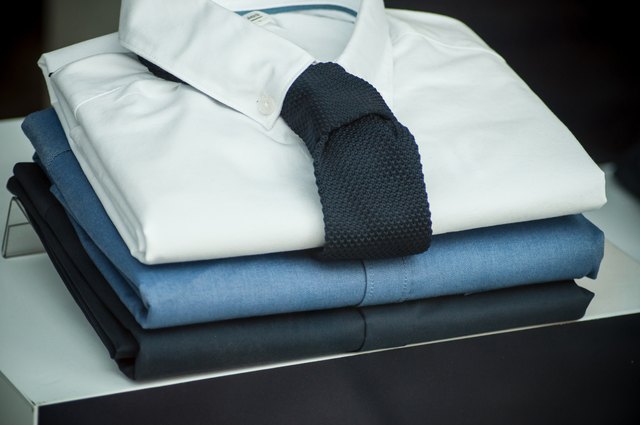
A white shirt instantly sharpens the outfit. Add suspenders over the shirt and under the blazer, then choose a slim tie, bow tie, or open collar. Roll the sleeves for a casual boss look or button the cuffs for formality. A vest can replace the blazer indoors while preserving the tailored silhouette.
4. Adjust the Fit
High-waisted trousers pair naturally with suspenders, while a pencil skirt creates a polished club-owner look. Define a boxy jacket with a hidden safety pin at the back seam or a belt underneath. Test the costume while sitting, walking, and climbing stairs. Looking powerful is excellent; moving like a tightly wrapped burrito is less useful.
5. Finish With a Hat
A fedora is the quickest visual shortcut. A cloche creates a more historically feminine 1920s silhouette, while a newsboy cap suits a driver or messenger character. Make sure the hat fits and does not block your vision. Historical collections show that structured hats were prominent parts of early-20th-century wardrobes.
Hat basis:
Accessories That Tell the Story
Choose two or three accessories rather than wearing every gangster-themed object you can find:
- Playing cards: Tuck an ace into the hatband or jacket pocket.
- Faux money: Make oversized bills clearly marked “PROP.”
- A ledger: Cover a notebook with brown paper and label it “Accounts.”
- Costume jewelry: Pearls suggest speakeasy glamour; a chain or signet-style ring supports the boss look.
- A faux cigar: Roll brown cardstock around a paper tube and add a red-orange paper tip.
- A flower pin: Attach a red fabric rose to a lapel, hatband, or dress strap.
Skip realistic weapon replicas. They can alarm bystanders, violate venue rules, and cause transportation problems. TSA does not permit realistic replica firearms in carry-on bags, and many venues inspect or prohibit weapon-like props. Check event policies before leaving home. Better yet, let the suit do the intimidating.
Prop and travel safety:
Hair and Makeup Ideas
Begin with a deep side part. For a faux finger-wave effect, apply styling gel near the hairline, shape shallow S-curves with a comb, and hold them with flat clips until dry. Short hair can be slicked close to the head; long hair can be tucked into a low bun beneath a cloche. A smooth ponytail also works for a modern boss interpretation.
Try softly smoked eyes, defined brows, mascara, and a red, berry, or deep rose lip. Patch-test unfamiliar products before the event and remove makeup thoroughly afterward. Decorative contact lenses are medical devices, not casual costume accessories; the FDA states that they require a prescription and proper fitting. A bold lipstick is far easier than explaining an avoidable eye injury to an emergency-room doctor.
Cosmetic and eye safety:
Comfort and Safety Checks
Inspect a homemade costume before wearing it. The U.S. Consumer Product Safety Commission recommends flame-resistant materials, good visibility, secure fit, and soft, flexible accessories. Avoid loose strips near candles, heaters, crowded dance floors, and doorways. Make sure trousers clear the floor and the hat does not restrict peripheral vision.
Pack a small repair kit with safety pins, fashion tape, a stain wipe, lipstick, and a hairpin. Wear shoes you can comfortably stand and walk in. Full-face masks can limit vision and become uncomfortable in crowds, so makeup or an open-face hat is usually the better choice for this costume.
Costume safety:
Budget-Friendly Costume Plans
Under $25: Use clothing and shoes you own, then buy suspenders, a thrifted hat, and fabric chalk. Around $50: Add a secondhand vest, costume jewelry, and a better-fitting hat. Around $100: Invest in tailoring, comfortable shoes, a quality vintage-inspired hat, or a fringed dress. Spend on fit and structure before sparkle; a well-fitting simple costume nearly always looks more expensive.
Group Costume Ideas
Create a speakeasy crew with a club owner, singer, accountant, card dealer, driver, detective, and newspaper reporter. Connect the costumes with one shared detail, such as red flowers, gold ties, or white hatbands. Give each character a lightweight prop and playful fictional nickname, while avoiding stereotypes tied to real ethnic or cultural groups.
Real-World DIY Lessons From Building the Look
A typical costume build begins with one dangerously vague plan: “I will find a striped suit.” Then the thrift store offers six navy blazers, three excellent hats, no matching trousers, and one sequined vest that appears to have survived several decades of complicated nightlife. The first lesson is to shop for silhouette before print. A solid dark suit that fits can become pinstriped; a genuine pinstripe suit that hangs badly will still hang badly.
A practical sample build might start with a charcoal blazer from the workwear rack, black high-waisted trousers from another section, and a white shirt from home. At first, the colors seem mismatched in daylight. Once suspenders, a hat, and a red lapel flower are added, the difference becomes nearly invisible. Photographs usually confirm that contrast and fit matter more than perfect matching.
Temporary stripes often take longer than expected. Drawing every line across two jacket panels, sleeves, and trousers can become a small administrative career. A faster approach is to stripe only the visible areas: front jacket panels, outer sleeves, and front trouser legs. Consistent spacing creates the illusion that the pattern continues everywhere and saves enough time to eat before the party.
The first full fitting tends to expose problems. Suspenders slide, the hat pinches, and the trousers may be one energetic dance away from stepping on their own hem. Correct those issues at home. Cross the suspenders in back if possible, place thin foam tape inside a loose hatband, and use temporary hem tape. Then sit, climb stairs, raise both arms, and pick up a dropped card. The outfit should survive all four tests.
Accessories create another learning curve. The original plan may include faux money, cards, pearls, gloves, a cigar, a flask, a ledger, and a giant flower. Together, they make the character look less like a mastermind and more like a themed restaurant’s lost-and-found table. Editing is the secret. The best version may use only the ledger, flower, and cards. Each object remains readable, and your hands stay free for important party duties such as holding snacks.
Comfort frequently changes the final styling. High heels may look perfect in a mirror but become enemies after forty minutes. Loafers, polished ankle boots, or low block heels preserve the mood while allowing normal movement. The same principle applies to makeup: a precise lip and side-parted hair can suggest the era without heavy theatrical products that require constant repair.
The satisfying moment arrives when ordinary pieces begin telling a story. A thrifted blazer becomes the uniform of an imaginary underground club owner. A plain notebook becomes the ledger everyone wants to inspect. A folded red handkerchief becomes the crew’s identifying mark. That transformation is the real appeal of a homemade adult gangster girl costume: it rewards invention rather than perfection.
Confidence is the final accessory. Stand tall, keep gestures deliberate, and invent one harmless line for photographs, such as, “The books are balanced, but I cannot discuss how.” A costume made from affordable pieces can outperform an expensive packaged outfit when the wearer understands the character. The hat may start the conversation, but attitude closes the deal.
Conclusion
Homemade adult gangster girl costumes work best when they combine a strong silhouette, a few historically inspired details, modern comfort, and a clear fictional character. Begin with dark tailoring or a drop-waist dress, add a hat and one contrasting color, then select only the accessories that help tell the story. Thrifted clothing, temporary pinstripes, and handmade props keep the cost manageable while producing a personal look.
Keep props obviously fake, follow venue rules, choose safe materials, and test the outfit before the event. With those details handled, you can arrive looking polished, mysterious, and entirely capable of running the party.
Note: This guide is intended for fictional, entertainment-focused styling. Avoid realistic weapons, culturally insensitive stereotypes, and any prop or garment prohibited by your venue.