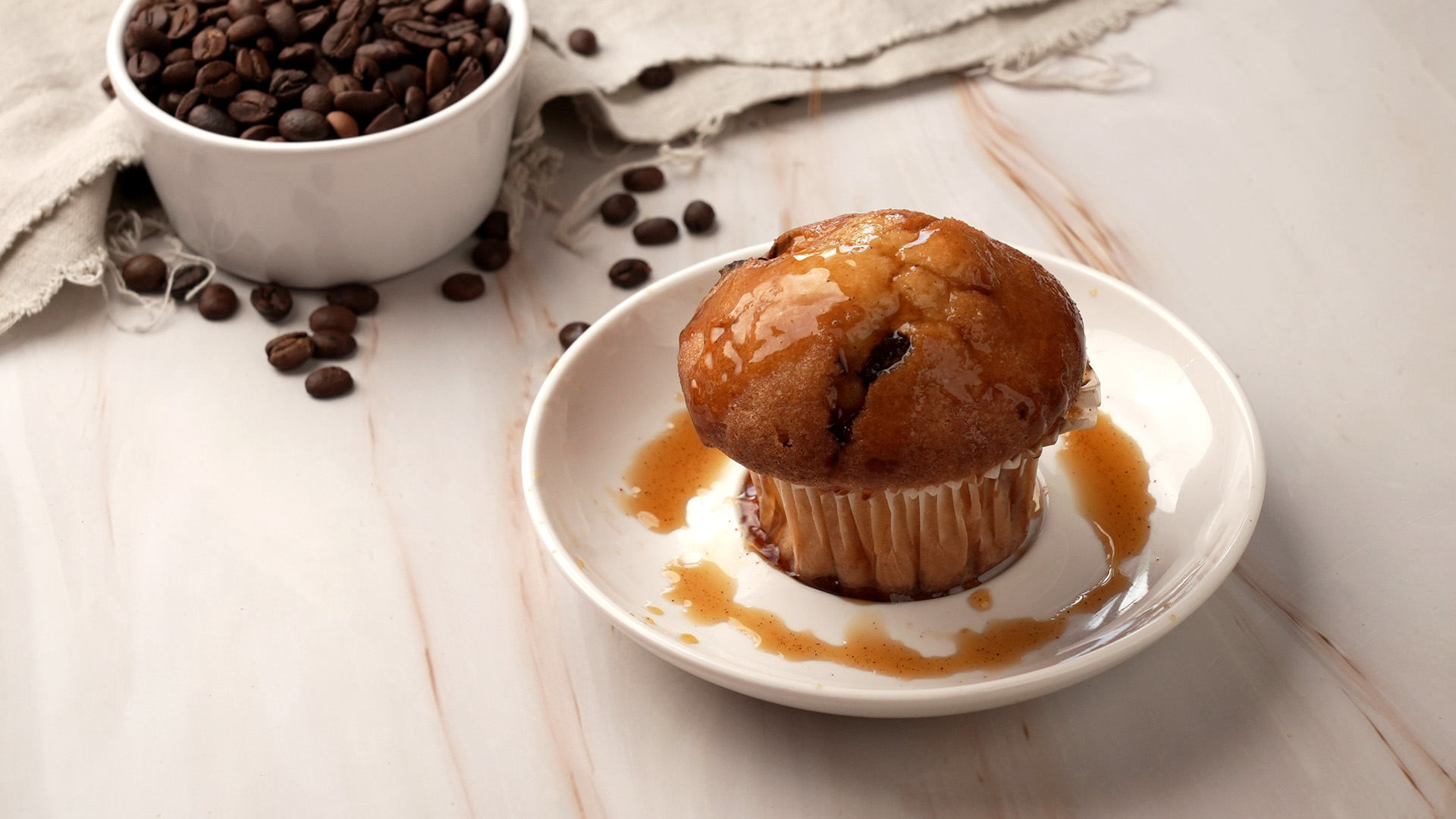

Some kitchen projects whisper, “I am practical.” Others burst through the pantry door wearing sunglasses and smelling like a coffee shop at 7 a.m. Homemade coffee extract and coffee concentrate recipes belong to the second group. They are bold, useful, budget-friendly, and just dramatic enough to make your brownies, iced lattes, cocktails, frostings, smoothies, and morning routine feel slightly more professional than they were yesterday.
The best part? You do not need a barista certificate, a chrome espresso machine, or a tiny mustache to make them. Coffee extract is a concentrated flavoring usually used in baking and desserts, while coffee concentrate is a stronger brewed coffee base designed to be diluted with water, milk, or ice. One is the secret handshake of bakers; the other is the reason you can make iced coffee before your brain has fully loaded.
This guide walks through both: an alcohol-based homemade coffee extract for deep flavor, a fast coffee extract shortcut, a classic cold brew coffee concentrate, a hot-brewed concentrate for quick drinks, storage tips, troubleshooting, and real kitchen experience notes from the land of sticky jars and overconfident caffeine decisions.
What Is Coffee Extract?
Coffee extract is a highly concentrated coffee flavoring. Think of it like vanilla extract’s bolder, moodier cousinthe one who wears black, owns a French press, and somehow makes chocolate taste more chocolatey. It is typically made by steeping coffee beans or grounds in alcohol so the flavor compounds slowly infuse into the liquid.
In baking, coffee extract is not meant to make everything taste like a cup of coffee. Used in small amounts, it can deepen chocolate cake, sharpen mocha frosting, add warmth to whipped cream, or give tiramisu-inspired desserts a grown-up edge. Add too much, though, and your cupcakes may taste like they stayed up all night studying for finals.
What Is Coffee Concentrate?
Coffee concentrate is brewed coffee made stronger than a normal cup. It is usually diluted before serving. Cold brew concentrate is the most popular version because it is smooth, low in perceived bitterness, and easy to batch ahead. Hot coffee concentrate is faster and handy when you need a strong coffee base for desserts, syrups, marinades, or hot drinks.
The main difference is purpose. Coffee extract flavors recipes by the teaspoon. Coffee concentrate becomes a drink by the ounce. If you pour coffee extract over ice and call it breakfast, your taste buds may file a formal complaint.
Best Coffee Beans for Extract and Concentrate
For homemade coffee extract, choose medium-dark or dark roast beans with chocolate, caramel, nutty, or smoky notes. These flavors hold up well in alcohol and baked goods. For cold brew coffee concentrate, medium roast beans are wonderfully versatile, while dark roast gives a richer, dessert-like profile. Light roasts can work too, especially if you enjoy fruity or floral coffee, but they may taste sharper when concentrated.
Use whole beans when possible and grind them shortly before brewing. For cold brew concentrate, a coarse grind is best because fine grounds can make the final liquid muddy, bitter, and difficult to strain. For extract, lightly crushed beans create a cleaner flavor than powdery grounds, though grounds will infuse faster.
Homemade Coffee Extract Recipe
This classic homemade coffee extract recipe is designed for baking, frostings, whipped cream, cocktails, and chocolate desserts. It takes patience, but almost no effort. Basically, the jar does the work while you take credit.
Ingredients
- 1 cup vodka, bourbon, rum, or brandy
- 1/2 cup whole coffee beans, lightly crushed
- 1 tablespoon brown sugar or maple syrup, optional
- 1/2 vanilla bean or 1 teaspoon vanilla extract, optional
Instructions
- Place the lightly crushed coffee beans in a clean glass jar with a tight-fitting lid.
- Pour the alcohol over the beans, making sure they are fully covered.
- Add brown sugar, maple syrup, or vanilla if you want a rounder, dessert-style extract.
- Seal the jar and shake gently.
- Store in a cool, dark cabinet for 2 to 4 weeks, shaking every few days.
- Taste after 2 weeks. If the flavor is strong enough, strain through a fine-mesh sieve lined with a coffee filter.
- Transfer to a clean bottle, label it, and store in a cool, dark place.
How to Use Coffee Extract
Start with 1/2 teaspoon in a batch of brownies, chocolate cake, buttercream, ganache, or whipped cream. For a stronger mocha flavor, use 1 teaspoon. Coffee extract is also excellent in homemade ice cream, chocolate pudding, espresso martinis, coffee glazes, and oatmeal cookie dough.
Quick Coffee Extract Shortcut
Need coffee flavor today, not in a month? Use this quick version. It is not as smooth or complex as the slow-steeped extract, but it works beautifully in baked goods where butter, sugar, and chocolate are doing their usual heroic work.
Ingredients
- 2 tablespoons instant espresso powder or strong instant coffee
- 3 tablespoons hot water
- 1 tablespoon vodka or vanilla extract, optional
- 1 teaspoon sugar, optional
Instructions
- Stir the instant espresso powder into hot water until completely dissolved.
- Add vodka or vanilla extract if using.
- Stir in sugar for a softer flavor.
- Cool completely before adding to batters, frostings, or drinks.
This shortcut should be refrigerated and used within a few days. It is perfect when a recipe needs “strong coffee flavor” and your pantry is giving you a stern look because you forgot to plan ahead.
Cold Brew Coffee Concentrate Recipe
Cold brew concentrate is the make-ahead champion of homemade coffee. It is smooth, strong, and flexible. You can dilute it with water for classic iced coffee, milk for an iced latte, or oat milk when you want your morning drink to taste like it has a tiny apartment in Portland.
Ingredients
- 1 cup coarsely ground coffee
- 4 cups cold or room-temperature filtered water
Instructions
- Add the coarsely ground coffee to a large jar or pitcher.
- Pour in the water and stir gently until all grounds are saturated.
- Cover and steep in the refrigerator for 12 to 24 hours.
- Strain through a fine-mesh sieve lined with a coffee filter, nut milk bag, or several layers of cheesecloth.
- Transfer the concentrate to a clean sealed jar and refrigerate.
How to Dilute Cold Brew Concentrate
For a balanced iced coffee, start with 1 part concentrate and 1 part cold water or milk. For a stronger café-style drink, use 2 parts concentrate to 1 part milk. For a lighter afternoon coffee, try 1 part concentrate to 2 parts water. Always pour over ice and taste before adding sweetener.
Hot Coffee Concentrate Recipe
Hot coffee concentrate is useful when you do not want to wait overnight. It is not identical to cold brew; it has more classic brewed-coffee aroma and a brighter taste. Use it for hot coffee drinks, coffee syrup, mocha sauce, cake soak, tiramisu layers, and quick iced coffee.
Ingredients
- 1/2 cup medium-ground coffee
- 2 cups hot water, just off the boil
Instructions
- Add coffee grounds to a French press or heat-safe jar.
- Pour hot water over the grounds and stir gently.
- Steep for 4 to 5 minutes.
- Press or strain through a coffee filter.
- Cool before refrigerating or using in iced drinks.
Because hot-brewed concentrate can taste more bitter as it sits, make smaller batches and use it within 2 to 3 days for the best flavor.
Sweet Coffee Concentrate for Desserts
If your goal is milkshakes, cakes, cocktails, or drizzling over ice cream, sweet coffee concentrate is your friend. It is part coffee, part syrup, and part “why did I not make this sooner?”
Ingredients
- 1 cup strong brewed coffee or cold brew concentrate
- 1 cup granulated sugar or brown sugar
- 1 pinch salt
- 1/2 teaspoon vanilla extract, optional
Instructions
- Combine coffee and sugar in a small saucepan.
- Warm over medium heat, stirring until the sugar dissolves.
- Simmer for 3 to 5 minutes, just until slightly thickened.
- Remove from heat and stir in salt and vanilla.
- Cool, bottle, and refrigerate.
Use this syrup in iced lattes, chocolate milk, affogato-style desserts, coffee milk, pancakes, cocktails, or whipped cream. A spoonful can rescue a plain vanilla milkshake from a life of mediocrity.
Storage and Food Safety Tips
Homemade coffee concentrate should always be stored in a clean, sealed container in the refrigerator. For the freshest flavor, use cold brew concentrate within 7 to 10 days, though some batches may hold longer when handled carefully. Diluted cold brew tastes best within 2 to 3 days. If it smells sour, looks cloudy in an unusual way, grows mold, or tastes unpleasant, throw it out. Coffee bravery is not a personality trait worth developing.
Use clean jars, clean utensils, and filtered water. Avoid leaving cold brew concentrate at room temperature for long periods after straining. If you are making a large batch for guests, keep it chilled until serving. Alcohol-based coffee extract is much more shelf-stable than water-based coffee concentrate, but it should still be kept tightly sealed and stored away from heat and sunlight.
Common Mistakes to Avoid
Grinding the Coffee Too Fine
Fine grounds may seem efficient, but they often create cloudy, gritty concentrate. Coarse grounds strain more cleanly and reduce bitterness.
Forgetting to Dilute the Concentrate
Cold brew concentrate is not regular coffee wearing a cute hat. It is strong. Taste it with water, milk, or ice before deciding it needs more coffee. Your nervous system may thank you.
Using Stale, Sad Beans
Cold brew is forgiving, but not magical. If the beans smell flat, dusty, or like the back of a forgotten cabinet, the final concentrate will too.
Steeping Forever
A long steep can be useful, but more time is not always better. After 24 hours, some batches begin to taste woody or dull. Start with 16 to 18 hours, then adjust based on your beans and taste.
Flavor Variations
Once you master the base recipes, flavoring becomes the fun part. For coffee extract, add a split vanilla bean, a cinnamon stick, cacao nibs, orange peel, or toasted coconut. For cold brew concentrate, try adding a cinnamon stick during steeping or mixing the finished concentrate with maple syrup, brown sugar syrup, caramel, or sweetened condensed milk.
For a New Orleans-inspired style, add a small amount of roasted chicory to the coffee grounds before steeping. Chicory brings earthy, cocoa-like depth and pairs beautifully with milk. Start small, about 1 tablespoon chicory per cup of ground coffee, because chicory has opinions and likes to share them loudly.
Best Ways to Use Homemade Coffee Extract
- Add 1/2 teaspoon to chocolate cake batter for deeper flavor.
- Mix into vanilla buttercream for a subtle latte-style frosting.
- Stir into brownie batter for a richer cocoa profile.
- Add a few drops to whipped cream for mocha desserts.
- Use in cocktails that call for coffee liqueur or espresso flavor.
- Blend into homemade ice cream or milkshakes.
- Add to chocolate ganache for truffles, cakes, or tart filling.
Best Ways to Use Coffee Concentrate
- Mix with equal parts water and pour over ice.
- Combine with milk or oat milk for an iced latte.
- Blend with ice, milk, and chocolate syrup for a homemade frappe.
- Use as the coffee layer in tiramisu.
- Freeze into coffee ice cubes.
- Add to smoothies with banana, cocoa, and peanut butter.
- Use in marinades for beef or pork with brown sugar and spices.
Troubleshooting Your Coffee Extract and Concentrate
My Coffee Extract Tastes Harsh
It may need more aging time. Let it sit another week, then taste again. You can also add a small amount of brown sugar, maple syrup, or vanilla to round the edges.
My Cold Brew Is Weak
Use more coffee, steep longer, or dilute less. A good starting ratio is 1 cup coarse coffee to 4 cups water, but different beans behave differently.
My Concentrate Is Bitter
The grind may be too fine, the steep may be too long, or the beans may be very dark. Try a coarser grind and shorten the steeping time.
My Concentrate Is Cloudy
Cloudiness usually comes from fine coffee particles. Strain again through a paper coffee filter. It takes longer, but the result is cleaner and smoother.
Kitchen Experience Notes: What Actually Happens When You Make This at Home
The first time you make homemade coffee concentrate, there is a strong chance you will underestimate how powerful it is. It looks calm in the jar, almost polite. Then you pour a full glass over ice, add a splash of milk, take three confident sips, and suddenly you are reorganizing the spice cabinet by emotional importance. This is why dilution matters. Start gentle. You can always make coffee stronger, but you cannot un-ring the caffeine bell once it starts tap dancing behind your eyes.
One of the most useful habits is labeling every jar. Coffee extract and coffee concentrate can look surprisingly similar in dark glass bottles, especially before sunrise when decision-making is mostly decorative. Write the date, recipe ratio, and type of coffee on masking tape. For example: “Cold brew concentrate, 1:4, dark roast, May 26.” This turns future batches into experiments instead of mysteries. You will quickly learn which beans taste chocolatey, which taste fruity, and which taste like they were roasted during a small kitchen argument.
Another real-life lesson: filtering takes longer than you think. The first strain catches the big grounds, but a second pass through a paper filter creates a cleaner concentrate. Do not rush it by squeezing the filter aggressively unless you enjoy sediment. Sediment is not dangerous by itself, but it can make the last inch of your iced latte taste like wet beach sand with ambition. A nut milk bag is great for the first strain; a paper filter is best for polish.
For coffee extract, patience is everything. At one week, the flavor may taste sharp and boozy. At two weeks, it starts acting like coffee. At four weeks, it becomes smoother, darker, and more useful in baking. If you want an extract that shines in chocolate desserts, use bourbon or rum. If you want a cleaner flavor that disappears neatly into frostings and cake batter, use vodka. Brandy can be lovely, but it brings fruitiness, so pair it with recipes that welcome that personality.
Storage also becomes part of the routine. Keep concentrate in the refrigerator door only if your fridge stays reliably cold; otherwise, tuck it toward the back where temperatures are steadier. Use clean spoons and avoid drinking directly from the bottle, even if you are late and the bottle seems emotionally supportive. For extract, keep it in a cabinet away from the stove. Heat and sunlight dull flavor over time.
The biggest reward is convenience. A jar of cold brew concentrate means iced coffee takes less than a minute. A bottle of coffee extract means your chocolate desserts taste deeper without adding extra liquid. Together, they make the kitchen feel more prepared, more creative, and just a little smugin the best possible way.
Conclusion
Homemade coffee extract and coffee concentrate recipes are simple, flexible, and surprisingly powerful additions to any kitchen. Coffee extract gives baked goods, frostings, cocktails, and desserts a deep roasted flavor by the teaspoon. Coffee concentrate gives you fast iced coffee, lattes, smoothies, syrups, and dessert bases by the ounce. The key is using good beans, the right grind, clean equipment, careful storage, and a willingness to taste and adjust.
Start with the basic recipes, then personalize them. Add vanilla to your extract, chicory to your cold brew, maple syrup to your sweet concentrate, or coffee ice cubes to your next latte. Once you see how easy it is, buying expensive bottled concentrate may feel a little like paying someone else to tie your shoes. Useful sometimes, surebut now you know how to do it yourself.