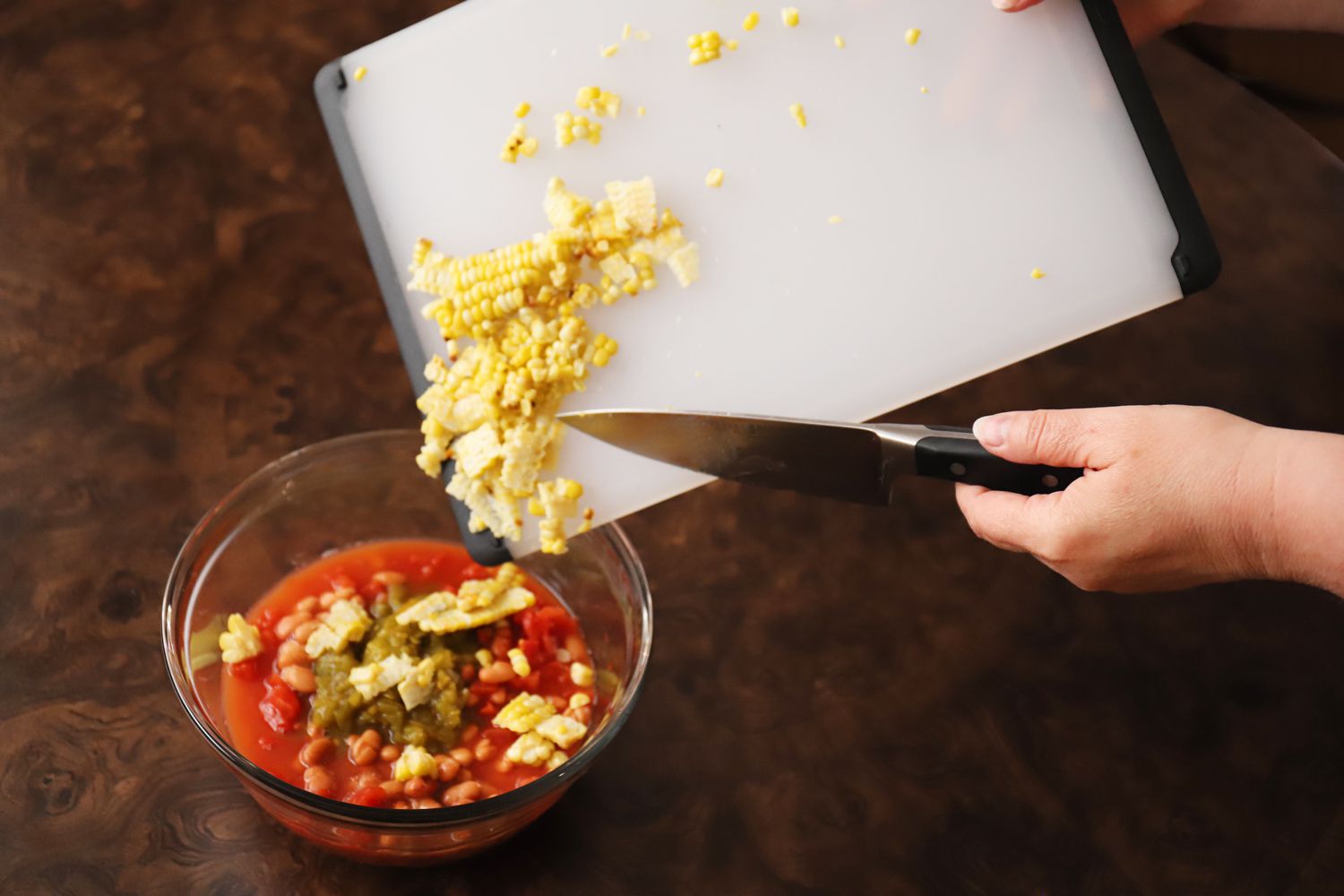

Plastic cutting boards are the unsung workhorses of the kitchen. They take the knife marks, catch the onion tears, survive suspiciously orange taco seasoning, and somehow end up under everything from raw chicken to birthday cake. But here is the not-so-cute truth: even the toughest plastic cutting board does not last forever.
So, how often should you replace your plastic cutting boards? The practical answer is: replace them when they become deeply scratched, heavily grooved, warped, cracked, permanently stained, or difficult to clean. For many home kitchens, that means every 1 to 3 years. For heavy daily use, replacement may be needed every 6 to 12 months. For light use, a well-maintained board may last closer to 3 to 5 years.
The calendar matters less than the condition of the board. A plastic cutting board does not suddenly become unsafe on its second birthday, like a yogurt with commitment issues. Instead, safety depends on whether the surface can still be cleaned and sanitized effectively.
Why Plastic Cutting Boards Need Replacing
Plastic cutting boards are popular because they are affordable, lightweight, widely available, and often dishwasher-safe. They are also nonporous when new, which makes them easier to wash and sanitize than many natural materials. That is why many home cooks keep at least one plastic board for raw meat, poultry, and seafood.
However, each slice of a knife leaves a mark. Over time, those small scratches become deeper grooves. Those grooves can trap food particles, moisture, and bacteria. Once the surface becomes too scarred to clean properly, the board stops being a helpful kitchen tool and starts acting like a tiny apartment complex for germs. No one invited them, but they are very comfortable.
The Best Rule: Replace by Condition, Not Just by Time
There is no single expiration date printed on plastic cutting boards because every kitchen uses them differently. A board used once a week for slicing apples will age more slowly than one used every night for raw chicken, garlic, herbs, and aggressive bread-sawing with a serrated knife.
General Replacement Timeline
- Heavy use: Replace every 6 to 12 months, especially if used daily for raw meat or meal prep.
- Normal home use: Replace every 1 to 3 years if cleaned well and not deeply damaged.
- Light use: Replace every 3 to 5 years if the board remains smooth, flat, odor-free, and easy to clean.
- Immediate replacement: Replace right away if the board has deep grooves, cracks, warping, dark stains in cuts, or lingering odors.
Think of this timeline as a kitchen compass, not a courtroom sentence. The board itself will tell you when it is done. Unfortunately, it will not speak English. It speaks through scratches, smells, stains, and wobbling.
Clear Signs It Is Time to Replace a Plastic Cutting Board
1. Deep Grooves That Do Not Wash Clean
The biggest warning sign is deep knife grooves. Light surface marks are normal. But if the cuts look dark, hold bits of food, or remain visible after scrubbing, the board may no longer be safe for regular food prep. A cleanable surface should not have tiny trenches where yesterday’s chicken juice can hide like it owes rent.
2. Permanent Stains
Some staining is cosmetic, especially from turmeric, beets, carrots, tomatoes, or chili oil. But if stains sit inside deep cuts and do not improve after proper washing, that is a sign the board’s surface is damaged. A board does not need to look brand-new, but it should look clean after cleaning.
3. Lingering Odors
A cutting board that smells like onions after an onion is understandable. A cutting board that smells like onions after three washes, a dishwasher cycle, and a motivational speech is a problem. Odors can signal trapped food residue or bacteria inside scratches.
4. Warping or Rocking
A warped board is annoying and unsafe. If the board rocks while you cut, your knife control gets worse. That increases the chance of slips. A cutting board should stay flat and stable. It is a board, not a kitchen skateboard.
5. Cracks, Peeling, or Rough Edges
Cracks are more serious than ordinary scratches because they can be difficult to clean thoroughly. Peeling plastic or rough, shredded edges are also signs that the board has passed its prime. When plastic starts flaking or fraying, replacement is the smarter move.
6. Excessive Knife Damage from Serrated Blades
Serrated knives can chew up plastic boards quickly. If you use the same board for crusty bread, tomatoes, cooked meat, and everything else, the surface may wear out faster. Consider keeping one older board for bread and replacing food-prep boards before they become heavily scored.
Why Deep Scratches Matter for Food Safety
Food safety is not about fear; it is about reducing risk. Raw meat, poultry, seafood, and eggs can carry harmful bacteria. Fresh produce can also carry germs from soil, handling, or transport. When a cutting board is smooth and properly washed, the risk is easier to manage. When the board is full of deep grooves, cleaning becomes less reliable.
The problem is cross-contamination. For example, imagine cutting raw chicken on a heavily scratched board, rinsing it quickly, and then slicing lettuce on the same surface. Lettuce will not be cooked, so any transferred bacteria can ride straight into your salad. Congratulations, your salad now has drama.
The safer habit is to use one cutting board for raw meat, poultry, and seafood, and a separate board for produce, bread, and ready-to-eat foods. Color-coded boards can help. Red for meat, green for produce, blue for seafood, and yellow for poultry are common systems, but the best system is the one you actually remember before dinner becomes a juggling act.
How to Clean Plastic Cutting Boards So They Last Longer
Good cleaning can extend the life of a plastic cutting board, although it cannot reverse deep damage. After each use, wash the board with hot, soapy water. Scrub both sides, rinse well, and let it air dry or pat it dry with a clean paper towel. Do not stack wet boards together, because trapped moisture is not your friend.
Dishwasher Cleaning
Many plastic cutting boards are dishwasher-safe, but always check the manufacturer’s instructions. A dishwasher can clean and sanitize nonporous boards effectively, especially after raw meat prep. However, thin plastic boards may warp under high heat. If your board comes out shaped like a potato chip, it is no longer ideal for safe chopping.
Sanitizing After Raw Meat, Poultry, or Seafood
After cutting raw meat, poultry, or seafood, washing is important, and sanitizing adds another layer of protection. A common kitchen method is using a diluted unscented chlorine bleach solution, then rinsing and drying thoroughly. Use only sanitizers intended for food-contact surfaces, follow label directions, and never mix bleach with vinegar, ammonia, or other cleaners.
Cleaning removes food and grease. Sanitizing reduces germs on a clean surface. The order matters: wash first, sanitize second. Sanitizing a dirty board is like spraying perfume on gym socks. Technically something happened, but the real problem remains.
Plastic Cutting Boards vs. Wood: Which Lasts Longer?
Plastic and wood cutting boards can both be safe when maintained correctly. Plastic is easier to run through the dishwasher and often preferred for raw meat because it is simple to sanitize. Wood can be durable and gentle on knives, but it requires more careful handwashing, drying, and occasional oiling.
The replacement rule is similar for both: once the surface cannot be cleaned well, the board needs repair or retirement. Some wooden boards can be sanded and refinished. Most thin plastic boards cannot be restored in a practical way, so replacement is usually the best option.
What About Microplastics?
Plastic cutting boards have received more attention because cutting can release tiny plastic particles. Research has found that chopping on plastic boards can generate microplastic fragments, and the amount may vary depending on board material, cutting force, chopping style, and knife use.
Does that mean you must throw every plastic board into the nearest volcano? No. But it does mean worn boards deserve extra attention. A deeply scarred board is not only harder to clean; it may also shed more material as the surface breaks down. If you are trying to reduce plastic exposure, replace heavily worn boards sooner, avoid excessive sawing motions, and consider using a well-maintained wood board for produce and bread while reserving plastic for raw proteins.
How to Make Plastic Cutting Boards Last Longer
Use the Right Board for the Job
Do not ask one poor plastic board to handle every kitchen task forever. Keep separate boards for raw proteins and ready-to-eat foods. Use a dedicated board for bread if serrated knives are tearing up your main prep surface.
Avoid Excessive Force
You do not need to attack a cucumber like it insulted your ancestors. Use a sharp knife, steady pressure, and controlled cutting motions. Dull knives often require more force, which can damage the board faster and make cutting less safe.
Wash Promptly
Do not let used boards sit around with food residue drying into the grooves. Wash them soon after use. Dried-on food is harder to remove, and raw juices should not linger on kitchen surfaces.
Dry Completely
Moisture encourages unwanted smells and microbial growth. Let boards dry upright if possible, with airflow on both sides. A board trapped flat against a wet counter is basically at a spa day for bacteria.
Store Boards Upright
Stacking boards tightly while damp can trap moisture. Store them upright or with space between them. This simple habit helps reduce odors and keeps boards in better shape.
Should You Keep Old Plastic Cutting Boards for Other Uses?
A worn board does not always need to go straight into the trash. If it is no longer suitable for food, you might repurpose it for non-food tasks such as craft projects, plant potting, or utility work. Just label it clearly so it never sneaks back into food prep. A retired chicken board should not suddenly become the fruit board because someone “forgot.” That is how kitchen mysteries begin.
If the board is cracked, peeling, or shedding plastic, disposal may be better. Check local recycling rules because many cutting boards are not accepted in standard curbside recycling programs, especially if the plastic type is unknown.
Practical Examples: When to Replace Based on Kitchen Habits
The Daily Meal Prepper
If you cook most nights and regularly cut raw chicken, beef, fish, onions, herbs, and vegetables, inspect your plastic boards every month. You may need to replace your main board once a year or sooner if it develops deep grooves.
The Weekend Cook
If you cook a few times a week and use separate boards, your plastic cutting board may last two or three years. Watch for staining in cuts, rough texture, and warping.
The Light User
If your board mostly sees fruit, sandwiches, and occasional vegetables, it may last several years. Still, inspect it regularly. Time alone is not the issue; condition is.
The Raw Meat Board
A plastic board used for raw meat should be replaced more aggressively than a board used only for bread. Once deep grooves appear, do not negotiate. Raw meat boards need to be easy to clean and sanitize every time.
Conclusion: Replace It Before It Becomes a Problem
So, how often should you replace your plastic cutting boards? For most home kitchens, every 1 to 3 years is a realistic range, but the real answer is based on condition. Replace a plastic cutting board as soon as it has deep grooves, cracks, warping, stubborn stains, lingering odors, or any surface damage that makes it hard to clean.
A good cutting board should be stable, cleanable, and appropriate for the food you are preparing. Use separate boards for raw proteins and ready-to-eat foods, wash after every use, sanitize when needed, and let boards dry completely. Your kitchen does not need to be sterile like a science lab, but it should not be a theme park for bacteria either.
In the end, replacing a worn plastic cutting board is a small cost compared with the benefits: safer food prep, fewer odors, cleaner surfaces, better knife control, and the quiet satisfaction of knowing your salad is not sharing a studio apartment with yesterday’s raw chicken.
Real Kitchen Experience: What Actually Happens Over Time
In real kitchens, plastic cutting boards rarely fail all at once. They decline slowly, which is why people keep them longer than they should. One month the board has a few harmless-looking lines. A year later, those lines have become a complicated road map of every dinner you have ever made. There is the chicken curry corner, the watermelon stain zone, the mysterious gray patch, and that one deep groove from the night someone used a steak knife like a tiny saw.
The most common experience is that a board still “looks fine” from a distance but feels rough when you run your fingers over it. That texture matters. A rough board holds more residue than a smooth one. You may notice that it takes more scrubbing to remove garlic smell or that tomato stains settle into the cuts. This is usually the first sign that replacement is coming soon.
Another everyday clue is drying time. A newer plastic board rinses clean and dries quickly. An older, scratched board may stay damp in its grooves even after the surface looks dry. If you store it too quickly, it can develop a sour or stale smell. That odor is not a personality trait; it is a warning.
Families who cook often usually benefit from a simple rotation system. Keep one newer board for produce, bread, fruit, and cooked foods. Keep a separate plastic board for raw meat, poultry, and seafood. When the raw-protein board becomes scratched, replace it and move the older produce board into less delicate tasks if it is still in good condition. This keeps the safest board in contact with foods that will not be cooked.
Meal preppers may notice wear faster because they chop large amounts at once. Cutting five pounds of chicken, a mountain of vegetables, and enough onions to make the whole kitchen emotionally unstable can age a board quickly. In that case, replacing a plastic cutting board once a year is not excessive. It is normal maintenance, like replacing a sponge or sharpening a knife.
Small boards also wear unevenly because people cut in the same central area every time. If the middle of the board is deeply scarred while the edges look new, do not judge by the clean edges. Judge by the working surface. Food touches the middle, not the decorative border.
One useful habit is the “after-wash inspection.” After cleaning and drying the board, hold it under good light. If the grooves still look dark, if the board smells odd, or if your fingernail catches in deep cuts, it is time to replace it. This takes ten seconds and prevents months of pretending a tired board is still doing a great job.
Plastic cutting boards are not meant to become family heirlooms. Nobody needs to say, “This was your great-grandmother’s raw chicken board.” Use them well, clean them properly, and retire them before they become questionable. A fresh board is inexpensive, practical, and oddly satisfying. It makes the kitchen feel cleaner instantly, like changing the sheets on your food-prep life.
SEO Tags