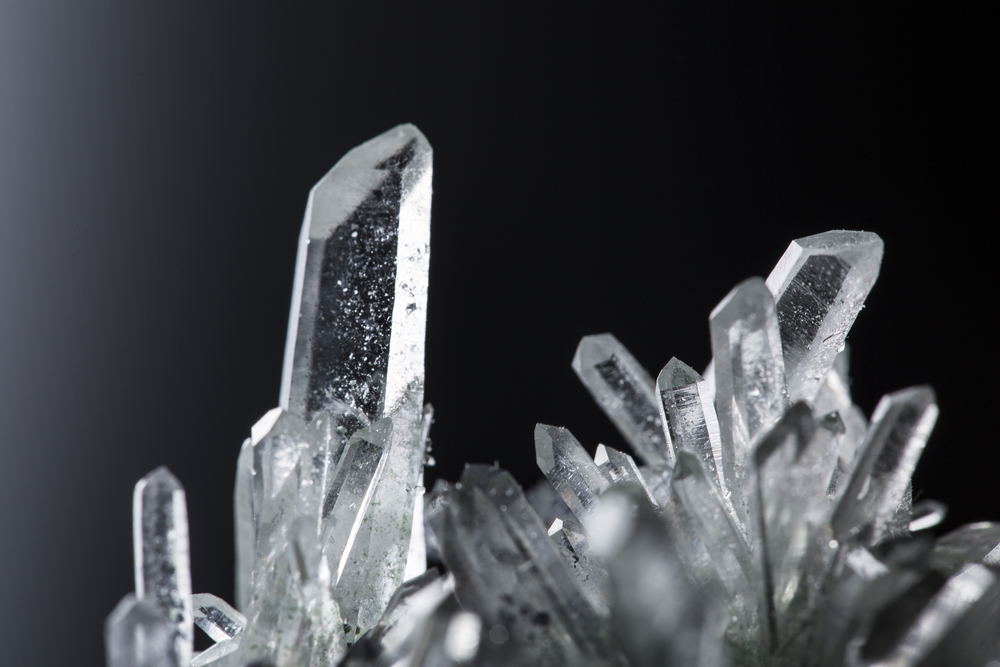

At first glance, rocks do not seem especially nourishing. Nobody looks at a quartz point and thinks, “Ah yes, dinner.” A granite countertop is not a snack, no matter how shiny it is. And yet, when we look at rocks and crystals through science, ecology, nutrition, design, and human experience, they become surprisingly connected to how we live, eat, feel, heal, build, and belong.
The trick is to define “nourishing” honestly. Rocks and crystals are not magic pills. A rose quartz will not replace therapy, and licking a mineral sample is still a terrible personality trait. But rocks and minerals do nourish us indirectly and meaningfully. They shape the soil that grows our food, supply essential nutrients, filter and flavor water, support modern medicine and technology, create calming rituals, and reconnect us with the long, steady rhythm of the Earth.
In other words, rocks are not just background scenery. They are the quiet infrastructure of life. They are the planet’s pantry, toolkit, art supply, meditation object, and history bookall rolled into one lumpy, occasionally sparkly package.
The Real Meaning of Rocks, Minerals, and Crystals
Before we dive into nourishment, let’s clear up the vocabulary. A mineral is a naturally occurring inorganic substance with a defined chemical composition and internal structure. Quartz, calcite, feldspar, mica, and halite are minerals. A rock is usually a mixture of one or more minerals. Granite, for example, often contains quartz, feldspar, and mica. A crystal is a mineral or solid whose atoms are arranged in an orderly repeating pattern.
That structure is why crystals can look so mesmerizing. Their beauty is not random; it is geometry made visible. Amethyst, clear quartz, pyrite, fluorite, and garnet all reveal something about pressure, heat, time, chemistry, and patience. If Earth had a résumé, crystals would be its design portfolio.
But the real wonder is not only how they look. It is what they do within the larger web of life. Rocks break down into minerals. Minerals become part of soil. Soil feeds plants. Plants feed people and animals. People use minerals to build tools, homes, hospitals, phones, roads, and clean-energy systems. That is not mystical. It is simply the planet doing its slow, magnificent job.
How Rocks Nourish Us Through Food
Every bite of food has a geological backstory. The calcium in leafy greens, the magnesium in nuts, the iron in beans, the potassium in potatoes, and the zinc in seafood all trace back, in part, to mineral cycles. These nutrients move from rocks into soil through weathering, then into plants, animals, and eventually our bodies.
Human beings need minerals for basic biological functions. Calcium supports bones and teeth. Iron helps move oxygen through the blood. Magnesium is involved in muscle and nerve function. Potassium helps regulate fluid balance and blood pressure. Zinc supports immune function and wound healing. Iodine is essential for thyroid hormone production. Selenium plays a role in antioxidant defense.
These are not “wellness trend” minerals. They are required nutrients. The body does not care whether a mineral sounds glamorous. It simply needs the right amounts from safe, digestible food sources. Spinach, lentils, dairy, fish, whole grains, nuts, seeds, fruit, vegetables, and fortified foods are much better nourishment strategies than chewing on a chunk of hematite like a confused beaver.
From Stone to Soil to Supper
Soil is not just dirt. Dirt is what ends up under your fingernails. Soil is an entire living system of minerals, organic matter, microbes, air, and water. Rocks slowly weather into smaller particles, releasing elements that plants can use. Microorganisms help transform nutrients into available forms. Roots explore, absorb, exchange, and feed the life below ground.
This is one reason regenerative agriculture, composting, soil testing, and responsible mineral amendments matter. Healthy soil can help produce healthy crops. In some farming systems, crushed rock amendments such as basalt are being studied for their potential to release nutrients like calcium, magnesium, potassium, and silicon while also supporting carbon removal through enhanced weathering.
That does not mean every garden needs a dramatic “mineral miracle powder.” Soil is complicated, and more is not always better. But it does mean that rocks participate in the food system in a very real way. They are not garnish. They are part of the recipe.
Minerals in Water: The Taste of Geology
Water has a personality, and rocks help give it one. As water moves through soil and stone, it can pick up dissolved minerals such as calcium and magnesium. This is one reason hard water tastes different from soft water. It is also why spring water from different regions can have distinct flavor profiles.
Minerals in drinking water are not the main source of nutrients for most people, but they can contribute small amounts. Calcium and magnesium in water may be part of total daily intake, especially in areas with naturally mineral-rich groundwater. Of course, water safety matters more than mineral romance. Clean, tested water beats “mysterious mountain elixir” every time.
It is also important to be cautious with crystal-infused water. Some stones can contain metals or compounds that should not leach into drinking water. Others are porous, dyed, treated, or simply not clean enough to use that way. If you like the symbolism of crystal water bottles, choose designs where the stones are sealed away from the liquid. Pretty is lovely; preventable poisoning is less charming.
Crystals as Tools for Mindfulness, Not Medical Miracles
Now let’s talk about the sparkly elephant in the meditation room: crystal healing. Many people enjoy crystals for comfort, focus, ritual, beauty, and emotional meaning. Holding a smooth stone during deep breathing can be calming. Placing a favorite crystal on a desk can act as a reminder to slow down. A small pocket stone can become a grounding object during stressful moments.
That can be valuable. But it is not the same as saying crystals cure disease, balance invisible energies in a medically proven way, or replace evidence-based care. Current scientific evidence does not support crystal healing as a treatment for medical conditions beyond effects such as expectation, ritual, attention, and placebo response.
And here is the interesting part: placebo and ritual are not “nothing.” The mind and body are deeply connected. Expectations, meaning, sensory focus, and relaxation can influence how people experience stress, discomfort, and mood. A crystal may help someone create a calming routine, but the benefit likely comes from the human practice around it: breathing, pausing, reflecting, and feeling safe.
How to Use Crystals in a Grounded Way
If you enjoy crystals, use them as wellness prompts rather than medical devices. A piece of amethyst on a nightstand can remind you to stop doom-scrolling before bed. A smooth river stone can be a tactile anchor during meditation. A quartz point on a desk can symbolize clarity before writing an email that should not begin with “As I already said…”
This grounded approach honors both beauty and evidence. It lets crystals be meaningful without asking them to perform cardiology, oncology, psychiatry, or tax preparation.
Rocks, Crystals, and Emotional Nourishment
Human beings are sensory creatures. Texture, color, weight, temperature, and shape affect how we feel. A polished stone in the hand can bring attention back to the body. A crystal cluster on a shelf can make a room feel more personal. A walk along a rocky beach can quiet mental noise better than staring at another spreadsheet called “final_FINAL_revised_v7.”
Nature contact is associated with lower stress, improved mood, and better attention for many people. Rocks and crystals are part of that natural environment. They invite close observation. They slow us down. They are wonderfully indifferent to our inboxes.
There is also emotional nourishment in collecting and learning. A child who picks up a striped pebble may begin asking questions about rivers, volcanoes, fossils, oceans, and time. An adult who starts identifying minerals may rediscover curiosity. Curiosity itself is nourishing. It keeps the mind flexible, playful, and awake.
The Design Power of Stone in Daily Life
Stone has shaped human shelter and beauty for thousands of years. Limestone, marble, granite, slate, sandstone, clay, and quartz-rich materials appear in buildings, ceramics, countertops, tiles, sculptures, roads, and public spaces. These materials do not just support function; they influence atmosphere.
A stone floor feels cool and stable. A ceramic mug feels earthy and familiar. A marble memorial carries solemnity. A garden path made of river stones changes how we walk. A single mineral specimen in a sunny window can turn light into a tiny geology show.
Interior design increasingly recognizes the emotional value of natural materials. Wood, stone, clay, wool, plants, and natural light can make spaces feel calmer and more human. In a world filled with plastic, screens, and synthetic speed, stone offers a different message: slow down, settle in, stay awhile.
Rocks as Memory Keepers
Rocks nourish us intellectually because they hold time. Fossil-bearing limestone can preserve ancient marine life. Volcanic rocks tell stories of eruptions. Sandstone may reveal desert dunes or old riverbeds. Glacial stones can show where ice once moved across continents. Even a humble driveway gravel chip has a long biography.
That perspective can be emotionally steadying. Human life is fast, noisy, and full of urgent little alarms. Rocks remind us that not everything meaningful happens quickly. Mountains rise and erode. Crystals grow slowly. Sediments settle layer by layer. The Earth is not in a rush, and sometimes we borrow calm from that fact.
Safety: What Rocks and Crystals Cannot Do
A thoughtful article about nourishing rocks also needs a safety section, because the internet can turn a pebble into a potion faster than you can say “please consult a professional.”
Do not ingest rocks, crystals, mineral powders, clay products, or “detox” earth substances unless they are regulated food or supplement products and recommended by a qualified professional. Some minerals contain lead, arsenic, mercury, cadmium, asbestos fibers, copper compounds, or other substances that can be harmful. Natural does not automatically mean safe. Lava is natural. So is poison ivy. So is the smell inside an old gym bag.
Also be careful with children and pets. Small stones can be choking hazards. Sharp crystals can cut skin. Fragile minerals may splinter. Some specimens are dyed, coated, irradiated, or treated for color. If you collect rocks outdoors, wash your hands afterward and avoid disturbing protected land, archaeological sites, or habitats.
Practical Ways to Let Rocks Nourish Your Life
1. Build a Mineral-Rich Plate
The best way to receive mineral nourishment is through food. Eat a varied diet with vegetables, legumes, nuts, seeds, whole grains, dairy or fortified alternatives, seafood, lean proteins, and fruit. Think less “crystal energy smoothie” and more “beans, greens, and common sense.”
2. Start a Small Nature Collection
Keep a few found stones from meaningful places: a beach pebble, a mountain trail rock, a smooth river stone. Label where they came from. Suddenly, your shelf becomes a tiny museum of your own life.
3. Use a Stone as a Mindfulness Anchor
Hold a smooth stone and notice five things: its temperature, weight, texture, color, and shape. Breathe slowly. This simple sensory practice can bring attention away from racing thoughts and back to the present moment.
4. Learn the Story Behind One Mineral
Pick one crystal or rock and research its formation. Learn how quartz grows, how basalt forms, or why amethyst is purple. Knowledge turns decoration into connection.
5. Bring Natural Materials Into Your Space
A stone bowl, clay planter, slate coaster, mineral specimen, or pebble tray can add grounding texture to a room. You do not need to live inside a luxury spa. Even one earthy detail can soften a space.
Personal Experiences: How Rocks and Crystals Can Feel Nourishing in Real Life
The first time I understood the quiet power of rocks was not in a museum or a science class. It was on a walk after a long, overcaffeinated weekthe kind where your thoughts run around like squirrels in tiny business suits. I picked up a small gray stone from the side of a trail. It was ordinary, almost aggressively unglamorous. No sparkle. No dramatic purple glow. No “ancient priestess of clarity” marketing copy. Just a smooth, cool pebble that fit perfectly in my palm.
For the rest of the walk, I kept turning it over with my thumb. The motion was simple, repetitive, and oddly comforting. It gave my restless mind one small thing to do. I was not “healed” by the rock in a supernatural sense. My inbox did not disappear. My bills did not volunteer to pay themselves. But I did feel more present. I noticed the crunch of gravel, the smell of damp leaves, and the way sunlight hit the path in uneven gold patches. The stone became a handle on the moment.
That is one of the most nourishing things rocks can offer: attention. They invite us to notice. A crystal on a desk can remind someone to pause before reacting. A river stone near the sink can become a cue to take three slow breaths while washing hands. A piece of jasper from a vacation can bring back the emotional nutrition of memory: ocean air, shared laughter, the rare miracle of not checking email for six whole hours.
I have also seen rocks nourish people through learning. Give a child a geode and watch curiosity explode. Suddenly they want to know why the outside looks boring and the inside looks like a tiny cave threw a glitter party. That question leads to minerals, pressure, groundwater, time, and chemistry. A rock becomes a doorway into science. Adults are not immune to this either. Many people who start with “pretty crystals” end up learning geology, geography, mining ethics, environmental stewardship, and the history of landscapes.
There is nourishment in beauty, too. Not the shallow kind, but the kind that gives the nervous system somewhere pleasant to rest. A bowl of smooth stones by a window, a piece of quartz catching morning light, or slate under a warm cup of tea can make everyday life feel more textured and intentional. These little objects say, “You live on Earth. Remember?”
The healthiest relationship with rocks and crystals is both appreciative and honest. Enjoy their symbolism. Use them for mindfulness. Let them decorate your home, spark curiosity, and connect you to places you love. But let food be food, medicine be medicine, and rocks be rocks. That may sound less magical, but it is actually more wonderful. A stone does not need to cure everything to matter. Sometimes it is enough that it helps us slow down, look closer, and feel rooted for a moment.
Conclusion: The Quiet Nourishment of the Mineral World
Rocks and crystals are more nourishing than we know because nourishment is bigger than calories. It includes the minerals that support the body, the soils that grow our food, the water shaped by geology, the homes built from stone and clay, the rituals that calm us, and the curiosity that keeps us connected to the natural world.
The key is balance. We can appreciate crystals without exaggerating their medical power. We can celebrate minerals without swallowing unsafe powders. We can enjoy beauty while respecting science. When we do that, rocks become more than objects. They become reminders that we are part of a much older, deeper systemone that feeds us, grounds us, teaches us, and occasionally sparkles just to show off.
Note: This article discusses rocks and crystals as sources of nutritional, ecological, emotional, aesthetic, and mindfulness-related nourishment. Crystals and stones should not be used as substitutes for medical care, and mineral products should not be ingested or added to drinking water unless they are verified as safe for that purpose.