
Bathing an angry cat is one of those household events that can make a grown adult question every life choice that led to owning furniture, skin, and a bathroom. The good news? Most cats do not need frequent baths because they are expert self-groomers. The less fun news? Sometimes a bath is unavoidable. Maybe your cat stepped in something sticky, rolled in mystery garage goo, met a flea situation, has a medical skin issue, or smells like they have been managing a seafood restaurant behind your couch.
This guide explains how to bathe an angry cat safely, calmly, and with minimal drama. “Minimal damage” means protecting your cat from stress and injury while also protecting your arms from becoming a scratching post with opinions. The goal is not to win a wrestling match. The goal is to prepare well, move efficiently, rinse thoroughly, and end the experience before your cat files a formal complaint with the household management department.
Before You Begin: Does Your Cat Actually Need a Bath?
Before turning your bathroom into a splash-zone arena, ask whether a full bath is necessary. Many cats can be cleaned with brushing, a damp washcloth, pet-safe grooming wipes, or spot cleaning. A full bath is usually reserved for situations like sticky residue, dirt your cat should not lick, heavy odor, fleas under veterinary guidance, poor self-grooming due to age or weight, or a veterinarian-recommended medicated shampoo.
If your cat has open wounds, severe matting, extreme aggression, breathing trouble, weakness, or possible exposure to chemicals, call your veterinarian first. Water can tighten mats, irritate damaged skin, and make a frightened cat panic harder. In those cases, a professional groomer or veterinary team may be the safer option.
Supplies You Need to Bathe an Angry Cat
Preparation is the difference between “quick bath” and “why is there shampoo on the ceiling?” Gather everything before your cat enters the room:
- Cat-safe shampoo, ideally mild and unscented
- Several towels, including one large towel for wrapping
- A rubber bath mat or folded towel for traction
- A cup, pitcher, or gentle handheld sprayer
- A brush or comb for pre-bath grooming
- Cotton balls to gently protect the outer ear area, if your cat tolerates them
- Treats for rewards
- Long sleeves or grooming gloves for your protection
- A helper, if your cat is strong, scared, or especially dramatic
Never use human shampoo, harsh soap, essential oils, or dog flea shampoo on cats. Cats are sensitive to many ingredients that may be harmless to other animals. When in doubt, ask your veterinarian what product is safest.
How to Bathe an Angry Cat With Minimal Damage: 12 Steps
1. Choose the Right Time
Do not bathe your cat when they are already zooming around the house like a furry lightning bolt. Choose a quiet moment when your cat is sleepy, fed, and calm. After playtime can work well because a tired cat has slightly fewer plans for revenge.
Close doors and windows. Remove breakable items. Put other pets away. The bathroom should feel calm, warm, and escape-proof. You are creating a spa, not a courtroom.
2. Trim the Sharp Tips of the Nails First
If your cat allows nail trimming, clip only the sharp tips a day before the bath or earlier the same day. Do not rush this step right before the bath if it stresses your cat. The goal is to reduce scratch damage, not start the battle early.
If nail trimming is impossible, skip it and focus on protective clothing, towels, and gentle handling. Never pin your cat aggressively just to trim nails before a bath. That turns one stressful event into a two-part horror series.
3. Brush Out Loose Fur and Check for Mats
Brush your cat before bathing to remove loose hair, dirt, and tangles. This is especially important for long-haired cats. Wet mats can tighten and become painful, so do not soak a badly matted cat. Severe mats should be handled by a veterinarian or professional groomer.
While brushing, check the skin for redness, bumps, fleas, wounds, or sore areas. If your cat reacts strongly to touch in one spot, stop and investigate gently. Pain can make a cat act “angry” when they are actually scared or uncomfortable.
4. Prepare the Bath Before Bringing in the Cat
Run a few inches of lukewarm water before your cat enters the bathroom. Many cats dislike the sound of running water, so having the water ready helps reduce panic. Use warm water, not hot. Test it on the inside of your wrist like you would for a baby bath.
Place a rubber mat or folded towel in the sink or tub. Slipping makes cats panic, and a panicked cat turns into a wet helicopter. Good traction helps them feel more secure.
5. Use the Smallest Bathing Space That Works
A sink may work better than a bathtub for small or medium cats because it keeps them at a comfortable height and limits the escape runway. For larger cats, a tub may be safer. Choose the space where you can maintain gentle control without bending awkwardly or chasing your cat around porcelain territory.
Keep the door closed. Put towels on the floor. If your cat escapes mid-bath, you want them landing on something soft and absorbent, not sliding across tile like a furry soap bar.
6. Bring Your Cat in Calmly
Carry your cat calmly and confidently. Speak in a low voice. Do not announce, “Bath time!” in a nervous tone, because cats are excellent at detecting suspicious behavior. If your energy says, “Something terrible is about to happen,” your cat will believe you.
Place your cat gently on the mat or towel. Keep one hand supporting the chest or shoulders, not squeezing the neck or belly. Avoid rough restraint. The more trapped your cat feels, the harder they may fight.
7. Wet the Body Slowly, Avoiding the Face and Ears
Use a cup or gentle sprayer to wet your cat from the neck down. Keep water pressure low. Avoid spraying the face, eyes, ears, and nose. Many cats tolerate a cup better than a loud sprayer, but every cat has personal preferences, usually expressed through opera-level yelling.
Start at the back and shoulders, then move toward the sides, belly, legs, and tail. Keep the process steady and quick. Do not soak longer than needed. Your cat is not marinating.
8. Apply Cat-Safe Shampoo
Use a small amount of cat-safe shampoo and gently massage it into the coat in the direction of hair growth. Focus on dirty areas first. For sensitive cats, dilute shampoo according to the label directions so it spreads more easily and rinses faster.
Do not scrub aggressively. Avoid the face and ears. If the face needs cleaning, use a damp washcloth with plain water. If your veterinarian prescribed medicated shampoo, follow the exact instructions, including contact time and rinse requirements.
9. Rinse Thoroughly
Rinsing is one of the most important parts of bathing a cat. Leftover shampoo can irritate the skin, dry the coat, and encourage licking. Rinse until the water runs clear and the fur no longer feels slippery.
Move calmly but do not drag this step out. Rinse the chest, belly, armpits, legs, and tail carefully because shampoo likes to hide there like it owes rent. Keep water away from the ears and face.
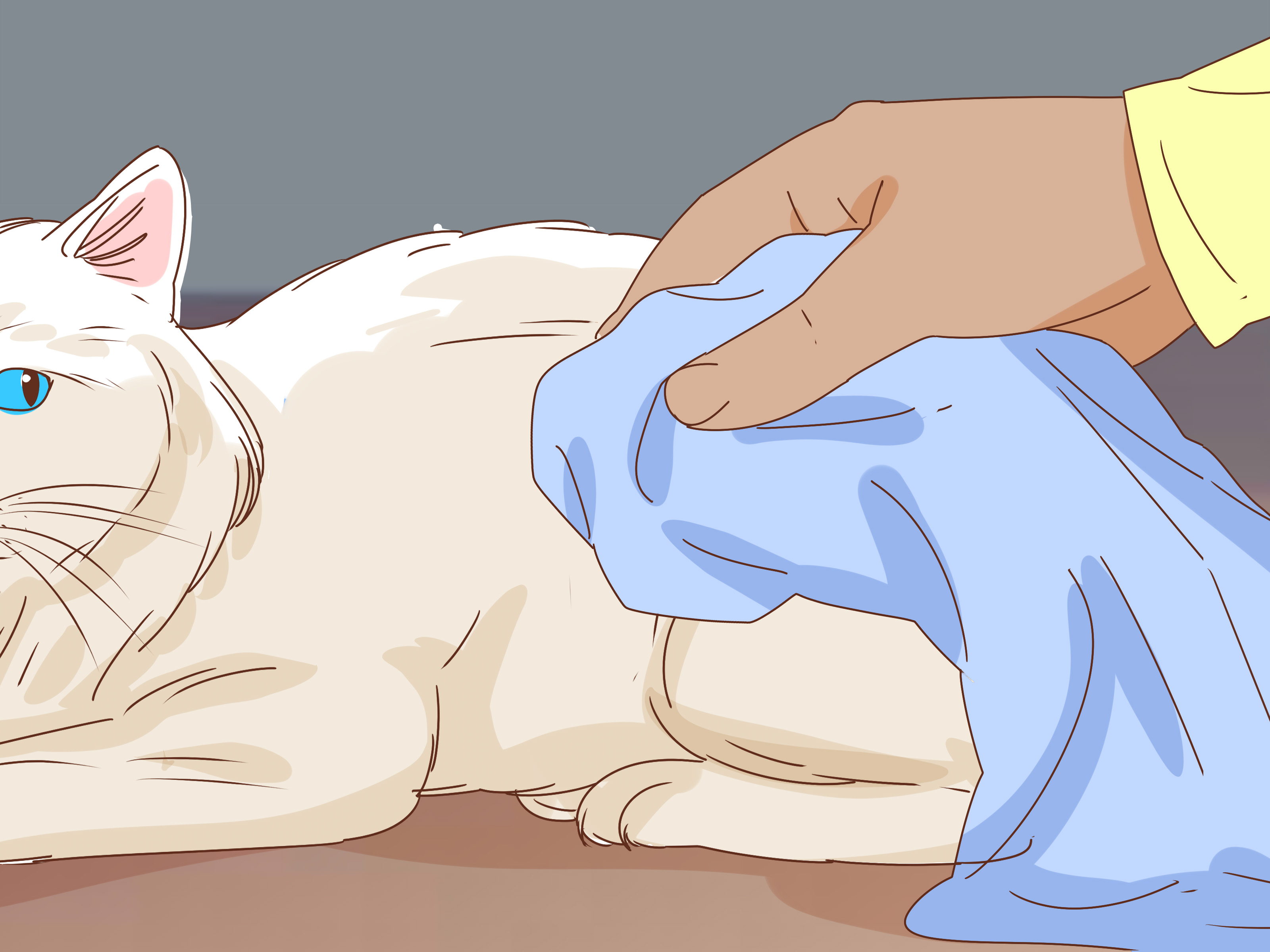
10. Wrap Your Cat in a Towel Immediately
When rinsing is done, lift your cat onto a dry towel and wrap them gently but securely. This “purrito” approach can help keep them warm and prevent sudden escape attempts. Do not wrap so tightly that breathing or movement is restricted.
Blot the coat instead of rubbing hard. Rubbing can tangle fur and irritate skin. Use additional towels as needed. A very wet long-haired cat may need several rounds of towel drying.
11. Keep Your Cat Warm While Drying
Wet cats can get chilled, especially kittens, senior cats, thin cats, and hairless breeds. Keep your cat in a warm, draft-free room until dry. Most cats dislike blow dryers because of the heat and noise. If your cat panics at the sound, do not use one.
If your cat tolerates a dryer, use the lowest warm or cool setting, keep it far from the skin, and stop if your cat becomes distressed. Towel drying is slower, but it is often safer and less stressful.
12. Reward, Release, and Leave Their Dignity Alone
Once your cat is mostly dry, offer treats, praise, and space. Do not chase them for cuddles. Do not laugh too loudly at their wet-cat appearance, even if they look like a disappointed Victorian ghost. Let them retreat to a safe room where they can groom, recover, and silently judge you.
Clean the bathroom afterward, wash towels, and check yourself for scratches. If you were scratched or bitten deeply, clean the wound carefully and seek medical advice if there are signs of infection. Cat bites can become serious because puncture wounds trap bacteria under the skin.
Extra Tips for Bathing a Cat That Hates Water
Stay Calm and Work Fast
Your cat does not need a luxury spa package with cucumber water and a flute soundtrack. They need a safe, efficient cleaning. Keep your movements calm and your steps organized. The shorter the bath, the less time your cat has to escalate from “annoyed” to “summoning ancient powers.”
Use Spot Cleaning When Possible
If only one paw or part of the tail is dirty, spot clean that area. A damp washcloth, cat-safe wipe, or small rinse may solve the problem without a full bath. This is especially useful for older cats, anxious cats, and cats who turn into furry weather events near water.
Do Not Punish Your Cat
Yelling, scolding, or forcing your cat harshly will make future baths worse. Cats learn from scary experiences. If bathing becomes associated with panic, restraint, and noise, your next attempt will be harder. Use treats, patience, and calm handling whenever possible.
Know When to Stop
If your cat is panting, screaming continuously, trying to bite hard, or becoming dangerously frantic, stop. Dry them, place them in a safe room, and call your veterinarian or a professional groomer for advice. Safety matters more than finishing the shampoo cycle.
Common Mistakes to Avoid
- Using human shampoo: It can dry or irritate feline skin.
- Using dog flea products: Some ingredients, including permethrin, can be dangerous to cats.
- Running loud water after the cat is in the room: The sound can increase panic.
- Soaking the face: Use a damp cloth instead.
- Skipping the rinse: Shampoo residue can irritate skin.
- Bathing too often: Frequent baths may strip natural oils unless your vet recommends them.
- Ignoring mats: Wet mats can tighten and hurt.
When to Call a Veterinarian or Professional Groomer
Call a veterinarian if your cat stopped grooming, smells bad without an obvious reason, has greasy skin, scratches constantly, has bald patches, has fleas that do not improve with safe treatment, or reacts with sudden aggression when touched. Grooming changes can signal pain, arthritis, obesity, dental disease, skin infection, parasites, or stress.
A professional groomer may help with heavy shedding, sanitary trims, long coats, or cats that need more skillful handling. For extremely aggressive or frightened cats, a veterinary clinic may be the safest place because the team can evaluate whether anxiety support or medical care is needed.
Conclusion
Learning how to bathe an angry cat with minimal damage is really about preparation, patience, and respect for feline limits. Most cats do not need routine baths, but when bathing is necessary, your best tools are a calm room, lukewarm water, traction, cat-safe shampoo, quick rinsing, towel drying, and a realistic understanding that your cat may not send a thank-you card.
Keep the bath short. Protect the ears and face. Rinse thoroughly. Reward afterward. Most importantly, do not turn bath time into a power struggle. A safe cat bath is not about proving dominance; it is about getting the mysterious gunk off the cat before the cat gets the mysterious gunk onto your sofa.
Real-Life Experience Notes: What Actually Helps When the Cat Is Furious
Anyone who has bathed an angry cat learns quickly that the bath itself is only half the story. The other half is strategy. One practical experience that helps is setting up the bathroom like a tiny emergency room before the cat arrives. Towels should be unfolded, shampoo opened, rinse cup ready, and the path from bath to drying area clear. When everything is prepared, you avoid the classic mistake of holding a wet cat while trying to open a bottle with one hand and rethink your existence with the other.
Another lesson: cats hate surprises more than they hate water. A cat that hears the tub roar to life after being carried into the bathroom may panic before one drop touches their fur. Filling the sink or tub first makes the room quieter. Some cats also do better when the door is closed but the lighting is soft. Bright lights, echoing tile, running water, and nervous humans create a full sensory disaster. Reducing even one of those triggers can make the experience smoother.
Using a towel as a calm handling tool can also help. Many cat owners discover that a towel is not just for drying; it can provide security. Letting the cat stand on a towel in the sink gives traction. Wrapping the cat after rinsing prevents the wild “wet escape sprint” that usually ends under a bed, behind a washing machine, or inside a place that appears to violate the laws of physics. The towel should feel supportive, not like a trap. A cat that can breathe, stand, and feel stable will usually fight less.
It also helps to accept that the bath does not need to be perfect. If your cat has one dirty back leg, wash the back leg. If the tail is sticky, clean the tail. If the shampoo has been rinsed and the cat is becoming frantic, end the bath. A slightly imperfect bath is better than a traumatic one. Cats remember rough handling, and the next bath will be much harder if this one becomes a wrestling tournament.
Finally, reward timing matters. Treats after the bath may not make your cat love water, but they can soften the ending. Offer food, a warm room, and quiet space. Do not follow your cat around apologizing in a squeaky voice. Let them recover. Later, when they return to sit near you with the expression of a tiny landlord inspecting property damage, you will know peace has been restored. Mostly.