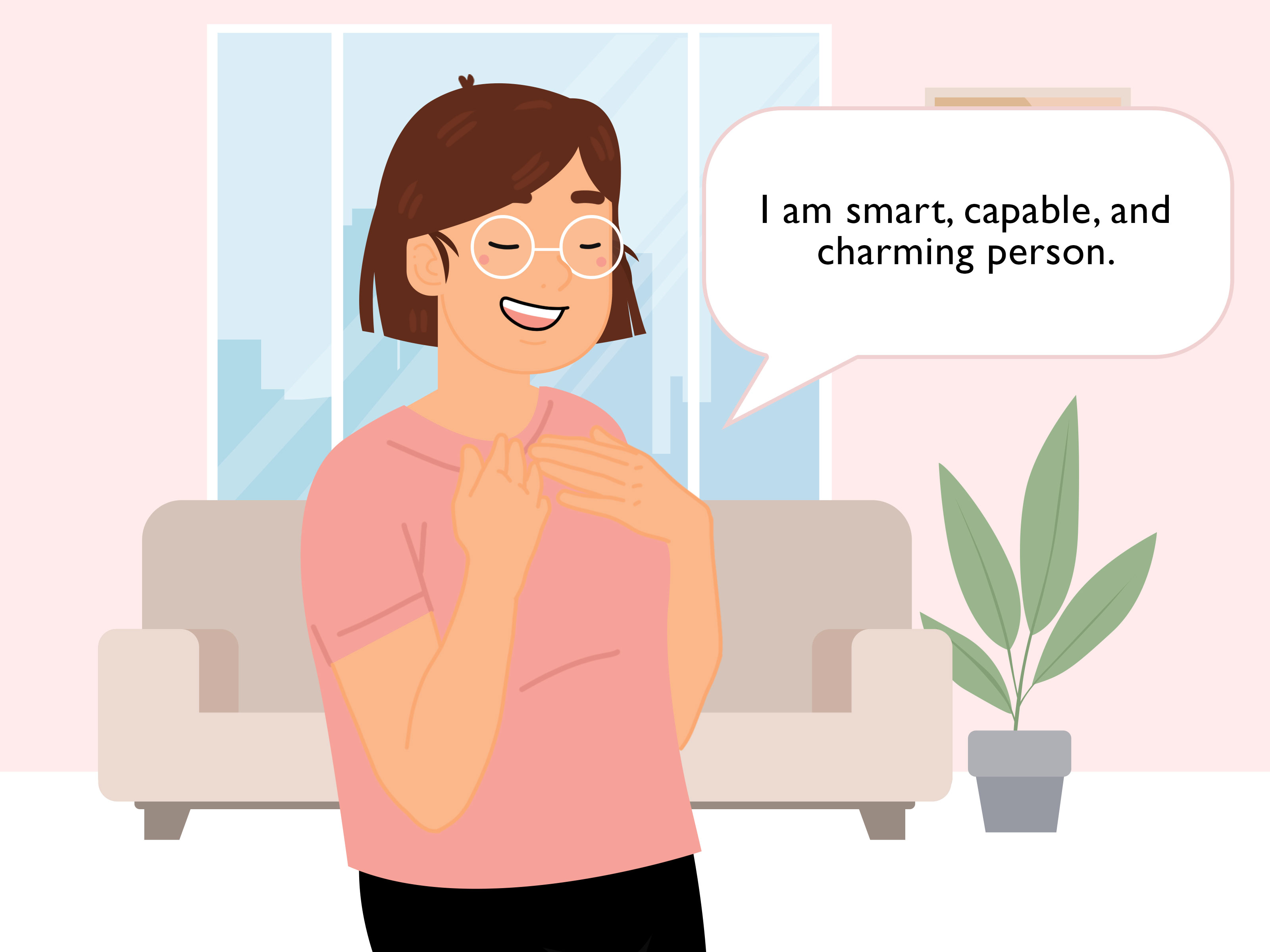

Talking to your crush can make an ordinary sentence feel like a live television interview conducted during an earthquake. You spoken to humans before. Yet the moment your crush smiles at you, your brain replaces every interesting thought with elevator music.
The good news is that being a good conversationalist is not about delivering flawless jokes, having movie-star confidence, or memorizing fifty clever questions. It is about helping another person feel comfortable, interesting, and heard while allowing your own personality to appear naturally.
Research on communication consistently emphasizes curiosity, active listening, appropriate self-disclosure, and thoughtful follow-up questions. In fact, conversational partners tend to like people more when those people ask sincere questionsespecially follow-up questions that show they were paying attention.
>Whether you are talking in person, texting after class, or chatting during a first casual date, these 11 steps will help you have better conversations with your crush without sounding rehearsed, desperate, or suspiciously like a customer-service chatbot.
1. Calm Your Body Before Starting the Conversation
Nervousness is normal when you care about someone’s opinion. The problem begins when you interpret that nervousness as proof that you are about to embarrass yourself.
Before approaching your crush, take one slow breath, relax your shoulders, and remind yourself of a simple goal: learn one interesting thing about this person. That goal is much easier than trying to make someone fall madly in love with you before lunch.
Do not demand instant confidence from yourself. Confidence often appears after you begin doing something, not before. Start with small interactions: say hello, make a brief comment, or ask one relevant question. Repeated, manageable social experiences can gradually make conversations feel less intimidating.
h3>Try this mental reset
Instead of thinking, “I need to impress my crush,” think, “I am going to see whether we enjoy talking to each other.” This removes some pressure and recognizes an important truth: compatibility is a two-way discovery process.
2. Choose a Natural Time to Talk
Even a wonderful conversation starter can fail when the timing is terrible. If your crush is running to class, handling a work emergency, wearing headphones, or deeply focused on something, wait for a better opening.
Look for relaxed transition moments. You might talk while waiting for a meeting to begin, walking out of class, standing in line, attending a group event, or taking a break at work. Shared situations provide ready-made topics and make your approach feel natural rather than dramatically staged.
When you are unsure, ask briefly: “Hey, is now a good time?” Respecting another person’s attention immediately communicates confidence, awareness, and basic human decencya surprisingly powerful combination.
3. Open With Something Specific and Relevant
A good conversation starter does not need fireworks. It simply needs to give the other person something easy to respond to.
Use what is happening around you. Comment on a shared class, project, event, hobby, or recent experience. Specific openings work better than vague messages because they remove the burden of inventing a topic.
Natural conversation starters
- “What did you think of that presentation?”
- “You mentioned that restaurant last week. What did you order there?”
- “I saw your concert photos. Which band was the best live?”
- “How did you get interested in photography?”
- “That book looks interesting. Is it worth reading?”
Avoid opening with an intense confession unless you already know each other well. “I have analyzed your smile for six months” may be honest, but it does not create the light, comfortable atmosphere most first conversations need.
4. Ask Open-Ended Questions
Questions that can be answered with “yes,” “no,” or “fine” often produce conversations with the lifespan of a soap bubble. Open-ended questions invite stories, opinions, and details.
Questions beginning with “what,” “how,” or “why” usually create more room for conversation. Instead of asking, “Did you like the movie?” ask, “What did you like most about the movie?” Instead of “Do you enjoy your job?” try, “What is the best part of your job?”
Relationship and communication guidance frequently recommends open-ended questions because they encourage people to explain their experiences rather than supply a one-word answer.
p>However, do not fire questions like a detective who has found a suspicious sandwich. Ask one, listen carefully, and allow the answer to lead naturally to the next topic.
5. Listen for Conversational “Hooks”
A conversational hook is a detail you can explore. Suppose your crush says, “My weekend was exhausting because my cousin got married.” That sentence contains several possible hooks: the wedding, the cousin, the location, the food, family gatherings, and why the weekend was exhausting.
You could respond, “Was it a big wedding?” or “What was the most memorable part?” These questions feel natural because they come directly from what your crush said.
Listening for hooks also prevents the common mistake of planning your next impressive sentence while the other person is still speaking. Active listening means giving attention to the speaker’s words, emotions, tone, and nonverbal signals rather than merely waiting for your turn.
h3>Use the “question, response, connection” pattern
Ask a question, respond to the answer, and then connect it to something relevant. For example: You: “What kind of music do you usually listen to?” Your crush: “Mostly indie rock.” You: “Nice. I have been trying to find more indie bands lately. Which one would you recommend starting with?” This creates a conversation rather than an interrogation.
6. Share Things About Yourself, Too
Being interested is attractive, but disappearing from your own conversation is not. If you only ask questions, your crush may feel as though they are completing an application form.
Offer related information about yourself after listening. Keep your first disclosures light and proportional to the conversation. If your crush talks about learning to cook, you might mention the meal you recently attemptedor the smoke alarm that provided the evening’s loudest review.
Research has found a relationship between appropriate self-disclosure and interpersonal liking. People often feel closer when both participants gradually share genuine thoughts and experiences.
p>The key word is gradually. Do not unload your complete romantic history, family conflicts, financial problems, and childhood fears during a three-minute conversation beside a vending machine. Match the depth of what the other person is sharing.
7. Use Friendly, Relaxed Body Language
Your words matter, but your posture, facial expression, tone, and attention influence how those words feel.
Face your crush without blocking their path. Keep your arms reasonably open, smile when it feels natural, and make comfortable eye contact. You do not need to maintain unbroken eye contact like two cowboys preparing for a duel. Look away occasionally, especially while thinking.
Put your phone away whenever possible. Checking notifications while someone is speaking can communicate boredom even when you are simply nervous. Small signsnodding, reacting naturally, and turning toward the speakershow that you are engaged.
Nonverbal cues can help people judge whether someone is attentive, comfortable, or interested, although no single gesture proves attraction. Always consider the overall pattern and the context.
section>
8. Add Light Humor and Specific Compliments
Humor can reduce tension, but it works best when it grows naturally from the moment. You do not need to perform a comedy routine. A playful observation or gentle joke about yourself is usually safer than teasing someone you barely know.
Compliments are also more meaningful when they are sincere and specific. Instead of repeatedly praising your crush’s appearance, notice a choice, ability, or quality.
Better compliments
- “You explain things really clearly.”
- “You always choose interesting music.”
- “I like how enthusiastic you are about that project.”
- “That color looks great on you.”
Give the compliment once, smile, and continue the conversation. Do not pause expectantly as though your crush must now present you with an award.
9. Avoid the Most Common Conversation Killers
Some habits quietly make conversations uncomfortable. The biggest offenders include interrupting, turning every topic back to yourself, giving unwanted advice, checking your phone, complaining constantly, asking rapid-fire questions, and trying too hard to sound impressive.
A particularly sneaky mistake is asking a question only so you can give your own answer. For example, you ask, “Have you ever been to Italy?” and barely listen before launching into a fifteen-minute documentary about your vacation. Questions should express curiosity, not disguise a speech.
Recent communication guidance also warns against failing to ask follow-up questions or overwhelming someone with an interview-style sequence. Good conversations need turn-taking, reactions, pauses, and room for both people to contribute.
p>Also postpone highly divisive topics unless they arise naturally and both of you appear comfortable discussing them. Your first relaxed chat is probably not the ideal time to solve every political, religious, and philosophical disagreement in human history.
10. Notice Whether the Interest Is Mutual
A good conversation is cooperative. Your crush does not need to act wildly enthusiastic, but there should usually be some participation from both sides.
Encouraging signs may include asking you questions, giving detailed answers, introducing new topics, laughing naturally, maintaining comfortable attention, or finding reasons to continue talking. None of these behaviors guarantees romantic interest, but they suggest the person is engaged in that particular interaction.
Signs that it may be time to step back include repeated one-word answers, frequently looking away for an exit, returning immediately to another task, avoiding future conversations, or never initiating contact. One awkward exchange means very little; a consistent pattern provides more useful information.
Respect boundaries without arguing, demanding an explanation, or trying to “win” someone over through persistence. Attraction cannot be negotiated like the price of a used refrigerator. If the interest is not mutual, leave the interaction gracefully and protect both people’s dignity.
11. End the Conversation While It Still Feels Good
You do not need to continue talking until every possible topic has collapsed from exhaustion. Ending a pleasant conversation at a natural point can leave both people comfortable and open to another interaction.
Use a warm, simple closing:
- “I should get going, but I enjoyed talking with you.”
- “Good luck with your presentation. Tell me how it goes.”
- “I need to meet my friend, but send me that playlist when you have time.”
- “This was fun. Would you like to get coffee sometime?”
If the conversation went well, suggest a specific, low-pressure next step. Rather than saying, “We should hang out someday,” say, “Would you like to try that new coffee shop Saturday afternoon?” Specific invitations are easier to answer.
Accept the response calmly. An enthusiastic yes is wonderful. A vague answer, repeated postponement, or direct no should be respected. Your confidence is demonstrated not only by asking but also by handling the answer maturely.
Quick Conversation Formula for Talking to Your Crush
When your mind goes blank, remember this five-part formula:
- Observe: Notice something relevant in the situation.
- Ask: Use an open-ended question.
- Listen: Pay attention to details and emotional cues.
- Share: Add a related thought or experience of your own.
- Continue or close: Follow a conversational hook or end warmly.
For example: “You said you were trying a new hiking trail this weekend. What was it like? I have been looking for an easy trail that does not make my legs file a formal complaint.”
Experience-Based Examples: What These 11 Steps Look Like in Real Life
The following composite scenarios illustrate common experiences people have when learning how to be good at conversations with a crush. They are not promises that a particular person will become interested. Their purpose is to show how small adjustments can make interactions feel more natural.
Experience 1: The Short Hallway Conversation
Imagine that Jordan regularly sees a crush after a weekly class. Jordan’s original strategy is to wait for the “perfect” opening line. Unfortunately, perfection remains unavailable, so Jordan usually smiles, panics, and studies a nearby wall as though it contains urgent instructions.
One afternoon, Jordan changes the goal. Instead of trying to be unforgettable, Jordan asks, “What did you think about today’s assignment?” The crush says the instructions were confusing, especially the final section. Jordan responds, “Same. I read that part three times and became less informed each time.” They laugh, compare notes, and talk for two minutes before leaving.
The conversation is short, but it succeeds. Jordan used a shared situation, asked an easy question, added a personal reaction, and ended without forcing the interaction. At the next class, starting another conversation feels easier because the first one created familiarity.
Experience 2: When Questions Begin to Feel Like an Interview
Maya meets her crush at a friend’s birthday party. Determined to avoid silence, she prepares several questions. Within five minutes, she has asked about work, school, siblings, pets, music, favorite movies, travel plans, and childhood ambitions. Her crush answers politely but begins glancing toward the snack table, where the chips appear emotionally safer.
Maya notices the imbalance and slows down. When her crush mentions playing guitar, she stops moving to the next prepared question. She says, “That is impressive. I tried learning guitar for a month, but my fingers and the guitar agreed to separate. What kind of songs do you enjoy playing?”
Now the conversation changes. Her crush tells a funny story about performing at a family event. Maya reacts to the story, shares a brief experience from her own life, and allows a comfortable pause. By abandoning the checklist, she becomes more present. The interaction begins to feel like two people discovering common ground rather than one person collecting data.
Experience 3: The Text Conversation That Does Not Need Constant Messages
Eli exchanges numbers with a crush after a group event. That evening, Eli sends, “It was fun talking with you. Did your team ever win the trivia round?” The message refers to something specific, making it easy to answer.
The crush replies with a story about losing on the final question. Eli responds to the story, jokes about the impossible question, and asks what trivia category the crush would dominate. After several messages, the crush stops replying for the night.
Previously, Eli might have sent “Hello?” followed by a meme, another question, and a detailed investigation into whether the phone had entered another dimension. This time, Eli waits. The crush responds the next morning and continues the conversation.
The lesson is that a pause is not automatically rejection. People work, sleep, study, spend time with friends, and occasionally place their phones in another room like brave pioneers. A healthy text conversation has breathing room. Interest is better evaluated over time through mutual effort, not through one delayed response.
Experience 4: Asking Clearly and Handling the Answer
After several enjoyable conversations, Sam decides to invite a crush to coffee. Instead of making a vague suggestion, Sam says, “I have really enjoyed talking with you. Would you like to get coffee Saturday afternoon?”
If the answer is yes, the next step is simple: agree on a time and place. If the answer is no, Sam can respond, “No problem. I am glad I asked,” and continue behaving respectfully. If the answer remains vague after multiple opportunities, Sam treats it as a lack of availability or interest and steps back.
This experience highlights the final purpose of good conversation. The goal is not to manipulate someone into liking you. It is to communicate clearly enough that two people can discover whether a genuine connection exists. Curiosity starts the conversation, listening strengthens it, authenticity makes it meaningful, and respect determines whether the experience remains positivewhatever the romantic outcome.
Final Thoughts
Learning how to talk to your crush becomes much easier when you stop treating every conversation as a test. You do not need perfect lines. You need presence, curiosity, balanced sharing, and respect.
Start small, ask questions you genuinely care about, listen for details, and let your personality appear without forcing it. Some conversations will flow beautifully. Others will be awkward. Both outcomes are useful because conversational confidence grows through practice, not through waiting to become fearless.
Most importantly, remember that your crush is not a mysterious final boss. They are another person who may also be nervous, distracted, hopeful, or unsure what to say. Create a comfortable moment, see what develops, and allow mutual interestnot pressureto guide the next step.