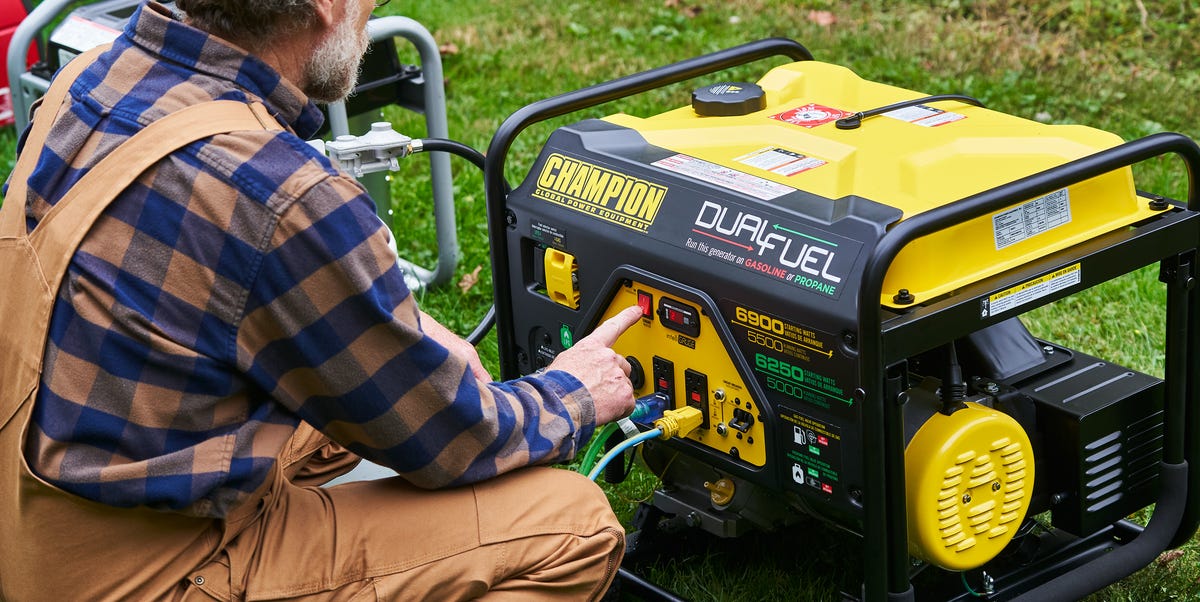

When the lights go out, a generator can turn your house from “camping but with more panic” into a reasonably civilized place to ride out an outage. Your refrigerator keeps humming, your sump pump keeps pumping, and your phone stops becoming a very expensive flashlight.
But connecting a generator to a house is not as simple as plugging it into the nearest outlet and hoping electricity decides to behave itself. Done incorrectly, a generator can cause carbon monoxide poisoning, overload circuits, damage appliances, start a fire, or send power back through utility lines. That last problem, called backfeeding, can seriously injure utility workers trying to restore power.
This guide explains the safe ways to connect a generator to your house, how to choose the right equipment, what to power during an outage, and the mistakes that make electricians sigh heavily into their coffee.
Safety note: Never connect a generator directly to household wiring without a properly installed transfer switch or approved panel interlock. Electrical panel work, permanent generator connections, fuel piping, and standby generator installation should be handled by a licensed electrician and, when required, a qualified plumber or generator technician.
The Golden Rule: Never Backfeed Your House
Backfeeding happens when someone plugs a generator into a wall outlet, dryer outlet, or other household receptacle in an attempt to power the entire home. This is sometimes done with a dangerous double-male extension cord, often nicknamed a “suicide cord.” The nickname is not subtle because the risk is not subtle.
When a generator backfeeds the electrical system, electricity can travel through your panel and out onto utility lines. That can energize lines that workers may reasonably believe are dead. It can also create severe shock hazards, overload wiring, damage the generator, and potentially cause a fire when utility power returns.
A safe home generator connection must isolate your house from the utility grid before generator power reaches household circuits. That is the job of a transfer switch or a properly rated generator interlock kit.
Four Safe Ways to Use a Generator at Home
1. Power Individual Appliances With Extension Cords
The simplest method is to run heavy-duty outdoor-rated extension cords from the generator directly to individual appliances. This approach works well for a refrigerator, freezer, lamps, phone chargers, a fan, a coffee maker, or a small window air conditioner.
The major advantage is simplicity. You do not need to modify your electrical panel, and you avoid the complexity of connecting the generator to household wiring. The downside is that cords can become a tripping hazard, you cannot conveniently run hardwired equipment such as a furnace blower or well pump, and your living room may briefly resemble a hardware-store spaghetti display.
Use cords rated for outdoor use and sized for the appliance load and cord length. A thin, undersized extension cord can overheat, waste power, and make your generator work harder than a teenager asked to unload groceries.
2. Install a Manual Transfer Switch
A manual transfer switch is one of the most common solutions for portable generator owners. It is installed near the main electrical panel and lets you select specific household circuits that can run on generator power.
For example, you might designate circuits for the refrigerator, kitchen outlets, furnace blower, garage door opener, a few lights, internet equipment, and a sump pump. During an outage, you start the generator, connect it to an outdoor generator inlet box, and move the selected circuits from utility power to generator power using the transfer switch.
This setup is safer and more convenient than running cords through windows. It also lets you power equipment that cannot be easily plugged into an extension cord, including hardwired lights, a gas furnace blower, or a well pump.
A licensed electrician should install the transfer switch, generator inlet, breakers, and wiring. Local permit requirements vary, and the right setup depends on your panel, generator output, grounding arrangement, and the number of circuits you want available during an outage.
3. Use a Generator Interlock Kit
A generator interlock kit is another safe option for some electrical panels. It is a mechanical device that prevents the main utility breaker and generator breaker from being turned on at the same time. In other words, it physically blocks your panel from doing the electrical equivalent of wearing two left shoes.
With an approved interlock kit, an electrician installs a generator inlet box and a dedicated generator breaker. During an outage, you turn off the main breaker, turn on the generator breaker, and selectively manage the circuits you want to power.
Interlock kits can be flexible because you may be able to choose which circuits receive power during an outage. However, the kit must be specifically designed and listed for your exact electrical panel. A random metal plate from the internet is not an interlock kit, no matter how confidently its product description says “universal.”
4. Install a Whole-House Standby Generator
A whole-house generator, also called a standby generator, is permanently installed outside the home and typically runs on natural gas or propane. When utility power fails, an automatic transfer switch detects the outage, disconnects the home from the grid, starts the generator, and transfers selected or whole-home loads to backup power.
This is the most convenient option because it can operate automatically, even when nobody is home. It is especially useful for homes with medical equipment, frequent outages, sump pumps, well pumps, home offices, refrigerated medications, or severe-weather exposure.
Standby systems require professional electrical work, a properly sized generator, fuel planning, permits, and regular maintenance. They cost more than a portable generator setup, but they can provide a much smoother backup-power experience. Think of it as the difference between sleeping in a tent and checking into a hotel during a thunderstorm.
Choose What You Actually Need to Power
Before buying equipment or calling an electrician, make a list of your essential loads. The goal is not necessarily to power everything. Running every appliance in the house can require a very large generator, especially if you have central air conditioning, electric heat, an electric water heater, a hot tub, or an enthusiastic collection of countertop appliances.
Good Candidates for Generator Power
- Refrigerator and freezer
- Sump pump
- Well pump
- Furnace blower or boiler controls
- Essential lighting
- Internet modem and Wi-Fi router
- Medical equipment
- Garage door opener
- Microwave or coffee maker, used one at a time
- Phone and laptop chargers
Loads That Can Surprise You
Motors and compressors often need extra power when starting. A refrigerator may run at a modest wattage once it is operating, but its compressor can require a larger surge when it kicks on. The same applies to sump pumps, well pumps, air conditioners, and many power tools.
Check appliance labels, manuals, or manufacturer information for running watts and starting watts. Add the loads you expect to run at the same time, then leave a reasonable margin rather than operating the generator at maximum output nonstop.
For example, a homeowner might plan to run a refrigerator, freezer, several LED lights, a modem, a television, and a sump pump. That may be manageable with a mid-size portable generator, depending on the pump’s starting load. Add a central air conditioner, electric range, clothes dryer, and electric water heater, however, and the generator sizing conversation changes very quickly.
What You Need for a Safe Generator Connection
The exact equipment depends on your generator and home electrical system, but a professional setup often includes the following:
- A portable generator or standby home generator
- A transfer switch or panel-specific interlock kit
- An outdoor generator inlet box
- A generator power cord rated for the correct amperage and connector type
- Appropriately sized breakers and wiring
- Grounding and bonding configured according to the generator manual and local electrical code
- Working carbon monoxide alarms with battery backup
- Outdoor-rated extension cords for appliances not served by the transfer system
Do not assume two generator outlets that look similar are electrically interchangeable. Generator outlets may differ in voltage, amperage, connector style, and whether they support 120 volts only or 120/240 volts. Your inlet box, cord, transfer equipment, and generator output must all be compatible.
How a Professional Connects a Generator to a House
Homeowners should understand the process, even when they are not doing the electrical work themselves. Knowing what a proper installation includes helps you avoid unsafe shortcuts and helps you ask better questions when comparing quotes.
Step 1: Assess the Home’s Electrical Needs
An electrician or generator installer starts by reviewing your main panel, available breaker space, essential circuits, and expected backup loads. They may ask whether you want to power only critical circuits or most of the house.
This is also the time to discuss large motor loads, electric heat, central air conditioning, well pumps, and sensitive electronics. A generator system should be designed around your actual priorities, not around a vague dream of powering every toaster, treadmill, and decorative fountain at once.
Step 2: Select the Transfer Method
The installer will recommend a manual transfer switch, an approved panel interlock, a critical-load subpanel, or an automatic transfer switch for a standby generator. The best choice depends on your budget, electrical panel design, fuel source, and desired level of convenience.
Step 3: Install the Outdoor Generator Inlet
For portable generators, an outdoor inlet box gives you a secure place to plug in the generator. The generator remains outside, while power travels through a properly rated generator cord into the home’s transfer equipment.
The inlet should be positioned where the generator can operate safely outdoors, away from doors, windows, vents, attached garages, and areas where exhaust could drift indoors. The generator should never be placed in a garage, basement, shed, crawl space, or covered patio that traps exhaust.
Step 4: Install and Label the Electrical Equipment
Transfer equipment should be clearly labeled so anyone in the home can understand what to do during an outage. A good installation includes a simple operating sequence, circuit labels, generator connection instructions, and reminders about fuel and carbon monoxide safety.
Labeling may not feel glamorous, but neither is trying to remember which breaker controls the sump pump while standing in the dark during a rainstorm.
Step 5: Test the System Before an Emergency
Do not wait for the first hurricane, ice storm, or surprise outage to discover that your generator cord does not fit the inlet. Test the setup under normal conditions according to the generator manufacturer’s instructions and local safety requirements.
Run critical loads, verify that the transfer equipment works correctly, and make sure everyone responsible for the home knows the shutdown procedure. Practice turns a stressful outage into a checklist instead of a group project in confusion.
Safe Generator Operation During an Outage
Place the Generator Far From Openings
Portable generators produce carbon monoxide, an odorless and colorless gas that can be deadly. Run the generator outdoors, at least 20 feet away from doors, windows, vents, and attached garages. Point the exhaust away from the house.
Never run a generator indoors, in a garage, in a shed, under a deck, or in any partially enclosed space. Opening the garage door does not make the garage a safe generator room. It just makes it a garage with a partially open door and an engine producing exhaust.
Use Carbon Monoxide Alarms
Install working carbon monoxide alarms on every level of the home and near sleeping areas. Use battery-powered or battery-backup units so they still work when utility power is out.
If a carbon monoxide alarm sounds, leave the house immediately, get fresh air, and contact emergency services. Do not search for the source while holding your breath and hoping for the best.
Start With Nonessential Loads Off
Before connecting generator power, turn off or unplug large nonessential appliances. Once the generator is stable, bring loads online gradually. Start with essentials such as the refrigerator, lights, sump pump, modem, or furnace blower.
Avoid running multiple high-draw appliances at the same time. For example, use the microwave after the sump pump has finished cycling, or brew coffee before running a space heater. Your generator is helpful, but it is not a tiny power plant with a cape.
Refuel Carefully
Turn off the generator and let it cool before adding gasoline. Fuel spilled on a hot engine can ignite. Store gasoline in approved containers away from ignition sources and living spaces, following local fire and storage requirements.
If you use propane, inspect hoses and connections regularly. If you use natural gas for a standby generator, have the fuel system installed and serviced by qualified professionals.
Common Generator Mistakes to Avoid
- Plugging the generator into a wall outlet: This can backfeed utility lines and create deadly shock hazards.
- Running the generator in a garage: Carbon monoxide can build up quickly, even with doors or windows open.
- Using cheap or undersized extension cords: They can overheat, cause voltage drop, and damage equipment.
- Overloading the generator: Too many appliances can trip breakers, damage the generator, or cause unstable voltage.
- Skipping maintenance: Old fuel, weak batteries, dirty air filters, and neglected oil changes can leave a generator useless when you need it most.
- Forgetting surge watts: Motor-driven appliances often need extra power to start.
- Ignoring local code and permits: Electrical and fuel requirements vary by location, and compliance protects your home, insurance coverage, and safety.
Generator Maintenance: The Part Nobody Brags About
A generator is like a smoke detector, spare tire, or umbrella: it is only impressive when it works at the exact moment you need it. Read the owner’s manual, exercise the generator regularly, check oil and fuel levels, inspect cords and connectors, and replace stale gasoline according to the fuel stabilizer and manufacturer guidance.
Keep a written outage kit nearby with generator instructions, spare oil, fuel treatment, a flashlight, batteries, extension cords, work gloves, and a list of priority circuits. The best time to find a missing generator cord is not at 2:00 a.m. during a thunderstorm.
Real-World Generator Experiences: What Homeowners Learn After the First Outage
The first time many homeowners use a generator, they discover that backup power is less about owning a machine and more about having a plan. A generator sitting in the garage may look reassuring, but until it has been tested with the home’s actual loads, it is mostly an expensive conversation piece with wheels.
One of the most common lessons is that a refrigerator is not the only thing worth saving. During a short outage, food storage may be the main concern. During a long outage, however, the priorities change quickly. A sump pump can prevent a flooded basement. A furnace blower can keep pipes from freezing. A well pump can provide water. A modem and router can keep remote workers connected, let families receive weather alerts, and help people check on relatives.
Homeowners also learn that generator capacity disappears faster than expected. It is easy to look at a generator’s wattage rating and imagine it powering an entire home. Then the refrigerator compressor starts, the sump pump cycles on, someone turns on the microwave, and suddenly the generator is making the same unhappy sound your car makes when you ask it to climb a mountain in the wrong gear.
The practical solution is load management. Instead of trying to run everything at once, families rotate high-wattage appliances. They run the refrigerator and freezer, then make coffee, then use the microwave, then turn off unnecessary loads before the sump pump starts. It is not glamorous, but it works. Outage living becomes a small game of electrical Tetris.
Another lesson involves location. People often underestimate how loud a portable generator can be and how much exhaust it produces. A generator that seems far enough away during daylight may sound much closer at midnight. Good placement matters for safety, but it also matters for neighbors, sleeping children, and anyone attempting to hold a phone call without yelling over an engine.
Fuel planning is another reality check. A generator may run for many hours, but it will not run forever, and fuel stations may be closed or crowded during widespread outages. Homeowners who prepare well keep approved fuel containers, rotate stored fuel, use stabilizer when appropriate, and understand the generator’s runtime at different loads. They also avoid treating gasoline storage like a treasure hoard in the basement. Fuel belongs in approved containers, stored safely and according to local rules.
Perhaps the biggest lesson is that a professionally installed transfer switch or panel interlock changes the experience dramatically. Instead of running cords through cracked windows and trying to remember which appliance is plugged into which outlet, homeowners can safely power selected circuits. The home feels more normal, the setup is cleaner, and there is far less temptation to try a risky shortcut.
Finally, experienced generator owners practice before the emergency. They start the generator every few months, test carbon monoxide alarms, review the transfer procedure, and make sure other adults in the household know what to do. Power outages are inconvenient enough. They do not need to become a surprise pop quiz on electrical safety.
Conclusion
Connecting a generator to your house safely comes down to three priorities: isolate the home from utility power, choose the right backup method for your needs, and operate the generator outdoors with careful attention to carbon monoxide and fuel safety.
For occasional outages, extension cords may be enough for a few essential appliances. For a more practical setup, a manual transfer switch or approved interlock kit lets a portable generator power selected household circuits. For maximum convenience, a professionally installed standby generator with an automatic transfer switch can keep the home running with little intervention.
Whichever route you choose, skip the shortcuts. A properly planned generator setup protects your appliances, your home, your neighbors, and the utility workers restoring power. That is a much better outcome than becoming the cautionary tale told at the next neighborhood barbecue.
SEO Tags