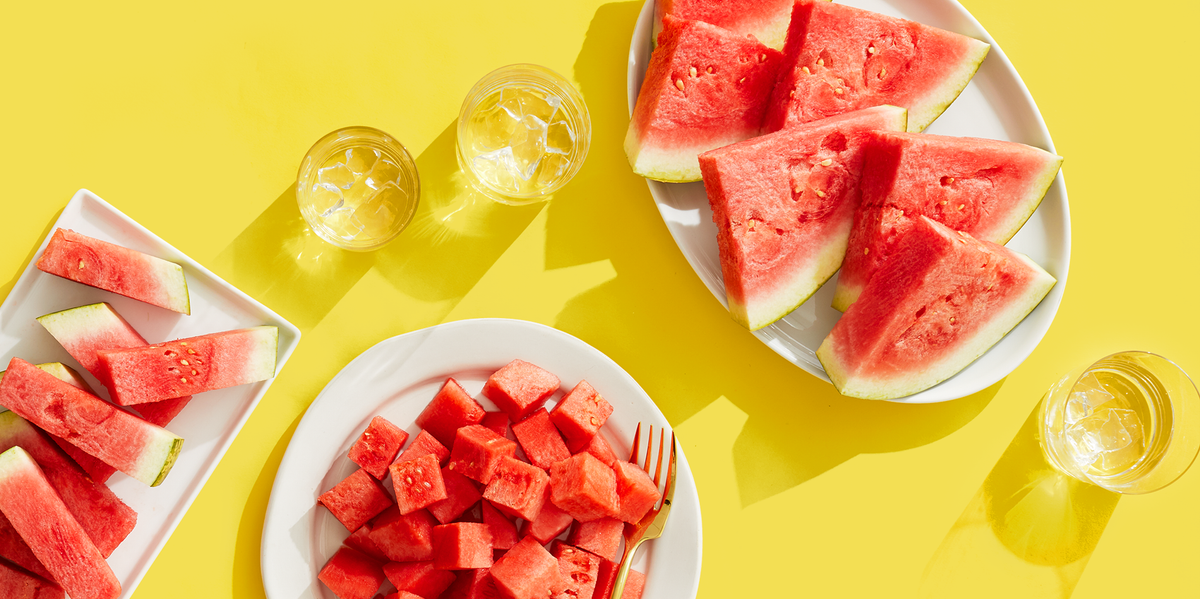

Cutting a watermelon should feel like a summer victory, not a wrestling match with a green bowling ball. The trick is simple: wash it, stabilize it, choose the right shape, and let a sharp knife do the work. Whether you want neat cubes for a fruit salad, kid-friendly sticks for a picnic, classic wedges for a cookout, or freezer-ready chunks for smoothies, this guide shows you exactly how to cut a watermelon with less mess, less waste, and fewer “why is my countertop sticky?” regrets.
Why Learning How to Cut a Watermelon Matters
Watermelon is one of the easiest fruits to love and one of the most awkward fruits to cut. It is heavy, round, slippery, and full of juice that seems personally committed to reaching the floor. But once you know the basic method, cutting watermelon becomes fast, safe, and surprisingly satisfying.
The best way to cut a watermelon depends on how you plan to serve it. Wedges are perfect for backyard parties because the rind becomes a built-in handle. Cubes are ideal for fruit bowls, salads, skewers, school lunches, and meal prep. Sticks are the low-mess champion because they are easy to grab and eat without turning your face into a sticky postcard from July.
Before grabbing the knife, remember this important rule: treat the outside of the watermelon like something that has traveled through fields, trucks, stores, carts, and possibly the trunk of your car next to a soccer cleat. Even though you do not eat the rind, your knife touches it before sliding into the fruit. A quick wash helps keep dirt and bacteria from transferring to the juicy flesh.
What You Need Before Cutting Watermelon
You do not need fancy gadgets to cut a watermelon well. In fact, the best tools are probably already in your kitchen.
- A large cutting board: Choose one that will not slide. Place a damp towel underneath it if needed.
- A sharp chef’s knife or serrated knife: A sharp knife is safer than a dull one because it does not require as much pressure.
- A clean kitchen towel: Use it to dry the watermelon after washing and to wipe up juice.
- A large bowl or airtight container: Have storage ready before the juice parade begins.
- A trash bowl: Use it for rind, seeds, and trimmed white parts.
If your watermelon is extra large, do not try to be a hero. Cut it in stages. A stable melon is a friendly melon; a rolling melon is a kitchen comedy routine waiting to happen.
Step 1: Wash and Dry the Watermelon
Start by rinsing the whole watermelon under cool running water. Rub the rind with clean hands or use a clean produce brush if the surface looks dirty. Do not wash watermelon with soap, detergent, or produce wash. Plain running water is enough for home prep.
After rinsing, dry the watermelon with a clean towel. This step sounds small, but it matters. A wet watermelon can slide around on the cutting board, and a sliding watermelon is basically a round green prank.
Step 2: Trim the Ends for a Stable Base
Place the watermelon lengthwise on the cutting board. Slice a thin piece off one end, then slice a thin piece off the other end. You are not trying to remove a lot of fruit; you just want two flat surfaces. This keeps the watermelon from wobbling when you stand it upright or cut it in half.
This is one of the easiest tricks for cutting watermelon safely. Round foods roll. Flat foods behave. Give your watermelon a flat base, and the rest of the job becomes much easier.
How to Cut a Watermelon Into Wedges
Watermelon wedges are the classic cookout shape. They are casual, fun, and practical because the rind acts like a handle. If you are serving watermelon outdoors, wedges are usually the fastest option.
Easy Watermelon Wedge Method
- Trim both ends of the watermelon so it sits securely.
- Stand the watermelon on one flat end and cut it down the middle from top to bottom.
- Place each half cut-side down on the cutting board.
- Cut each half lengthwise again to create quarters.
- Slice each quarter crosswise into 1-inch to 2-inch wedges.
For thinner party wedges, cut smaller slices. For big backyard “I am living my best summer life” wedges, go thicker. Just remember that very thick wedges are messier for kids and guests wearing white shirts, which is apparently everyone the day watermelon appears.
Best Uses for Watermelon Wedges
Serve wedges on a platter with lime wedges, a sprinkle of flaky salt, or a dusting of chili-lime seasoning. They are also great for grilling. Brush thick wedges lightly with oil, grill briefly, and finish with feta, mint, or balsamic glaze for a sweet-savory side dish.
How to Cut a Watermelon Into Cubes
Watermelon cubes are the most versatile shape. They fit neatly into bowls, lunch containers, fruit salads, blender jars, and snack boxes. Cubes also save refrigerator space because you can store them without the bulky rind.
Easy Watermelon Cube Method
- Wash and dry the watermelon.
- Trim off both ends to make flat surfaces.
- Stand the watermelon upright on one flat end.
- Cut away the rind from top to bottom, following the curve of the fruit.
- Trim away any remaining white rind so only the pink or red flesh remains.
- Lay the peeled watermelon on its side and cut it into 1-inch thick rounds or boards.
- Stack a few pieces at a time, cut them into strips, then cut crosswise into cubes.
The key is consistency. You do not need ruler-perfect cubes, but similar sizes help the watermelon look better and chill evenly. Smaller cubes are best for fruit salad and skewers. Larger cubes are better for snacking because they stay juicier longer.
How to Avoid Wasting Fruit
When removing the rind, follow the natural curve of the watermelon instead of slicing straight down like you are shaving a square into a circle. The closer your knife follows the curve, the more sweet flesh you keep. If you leave a little white rind behind, simply trim it off before cubing.
Do not automatically throw away the rind if you like kitchen experiments. Watermelon rind can be pickled, diced into slaws, or used in certain stir-fries. It has a crisp, mild texture, almost like cucumber’s sturdier cousin.
How to Cut a Watermelon Into Sticks
Watermelon sticks are one of the easiest and cleanest ways to serve the fruit. They are especially good for kids, picnics, pool days, and parties because guests can grab a stick and eat it without balancing a floppy triangle near their nose.
Easy Watermelon Stick Method
- Wash and dry the watermelon.
- Cut the watermelon in half crosswise or lengthwise.
- Place one half cut-side down on the cutting board.
- Slice straight down across the melon at about 1-inch intervals.
- Rotate the melon 90 degrees.
- Slice again at 1-inch intervals, creating a checkerboard pattern.
- Pull out the long watermelon sticks and serve.
This method is wonderfully low-fuss. The rind stays attached to one end of each stick, making it easy to hold. It is also a smart way to serve watermelon to a crowd because you can cut a large amount quickly and pile the sticks into a bowl or arrange them upright in a tray.
When to Choose Sticks Instead of Wedges
Choose sticks when you want less mess. Choose wedges when you want the classic summer look. Choose cubes when you need watermelon for recipes. There is no wrong answer here, unless your plan is to attack the watermelon with a butter knife. Please do not do that. The watermelon has done nothing to deserve it.
How to Cut Mini Watermelon
Mini watermelons are easier to manage because they are lighter and fit better on a standard cutting board. You can use the same wedge, cube, or stick methods, but the smaller size makes them perfect for quick snacks and smaller households.
For a mini watermelon, the stick method is often the winner. Cut it in half, place the halves cut-side down, slice in one direction, rotate, and slice again. In just a few minutes, you have a bowl of snackable watermelon sticks with very little cleanup.
How to Pick a Watermelon Before Cutting
A great cutting method cannot rescue a bland watermelon. Before slicing, choose a melon that gives you the best chance of sweet, juicy fruit.
- Look for a creamy yellow field spot: This is the area where the watermelon rested on the ground. A creamy yellow spot usually suggests ripeness.
- Pick it up: A ripe watermelon should feel heavy for its size because it contains a lot of water.
- Check the rind: Avoid melons with cracks, deep bruises, soft spots, or leaking juice.
- Listen for a hollow sound: A dull, hollow thump can be a helpful sign, though it is not the only clue.
- Choose based on use: Seedless watermelon is convenient for cubes, salads, and kids’ snacks.
Once a watermelon is harvested, it will not continue ripening the way bananas or peaches do. That means choosing well at the store or farmers market matters.
How to Store Cut Watermelon
Cut watermelon should be refrigerated promptly. Store cubes and sticks in airtight containers with tight-fitting lids. If you are storing wedges, wrap them tightly or place them in a sealed container. Watermelon can absorb odors from the refrigerator, so do not leave it uncovered unless you enjoy fruit with a mysterious hint of leftover garlic pizza.
For best quality, eat cut watermelon within three to five days. Some sources allow a little longer depending on freshness and storage, but watermelon tastes best when it is crisp, juicy, and recently cut. If it smells sour, feels slimy, looks mushy, tastes fizzy, or shows mold, throw it away.
Can You Freeze Watermelon?
Yes, you can freeze watermelon, but do not expect thawed pieces to have the same crisp bite. Frozen watermelon becomes softer when thawed, so it works best in smoothies, slushies, sorbet, agua fresca, cocktails, mocktails, and chilled soups.
To freeze it, cut the watermelon into cubes, spread the cubes on a parchment-lined baking sheet, freeze until solid, then transfer them to a freezer-safe bag or container. Freezing pieces separately first keeps them from turning into one giant watermelon iceberg.
Easy Tricks for Cutting Watermelon Without a Mess
Watermelon is juicy. That is its greatest strength and its biggest cleaning challenge. These tricks help keep the kitchen under control.
Use a Rimmed Baking Sheet
If your cutting board is small or your watermelon is extra juicy, place the board inside a rimmed baking sheet. The sheet catches runaway juice before it reaches the counter, the cabinet, the floor, and somehow your sock.
Cut Only What You Need
If you are serving two people, you do not always need to cut the entire watermelon. Larger uncut pieces stay fresh longer than tiny cubes because less surface area is exposed to air. Cut half now and wrap the other half tightly for later.
Chill Before Cutting
A cold watermelon is firmer and often easier to slice cleanly. It is also more refreshing when served. If the melon has been sitting at room temperature, chill it before cutting when possible.
Use the Claw Grip
When cutting planks or sticks, curl your fingertips back and guide the watermelon with your knuckles. This classic “claw” grip keeps fingers safer and gives you better control.
Keep a Towel Nearby
Wipe the board as needed. A dry board gives you better traction, and better traction means fewer dramatic knife moments.
Best Ways to Serve Cut Watermelon
Fresh watermelon is excellent on its own, but it also plays well with sweet, salty, spicy, and herbal flavors. Try these easy serving ideas:
- Watermelon with lime and salt: Simple, bright, and wildly refreshing.
- Watermelon feta salad: Combine cubes with feta, mint, cucumber, and a little olive oil.
- Watermelon skewers: Thread cubes with grapes, berries, pineapple, or mozzarella balls.
- Watermelon sticks with yogurt dip: Great for kids and party trays.
- Watermelon agua fresca: Blend watermelon with lime juice and a little cold water.
- Frozen watermelon cubes: Use them instead of ice in lemonade or sparkling water.
Watermelon also loves fresh herbs. Mint is the obvious choice, but basil, cilantro, and even a little thyme can work beautifully in savory dishes.
Common Mistakes to Avoid When Cutting Watermelon
Even a simple fruit can cause trouble if you rush. Avoid these common watermelon-cutting mistakes:
- Skipping the wash: Always rinse the rind before cutting.
- Using a dull knife: Dull knives slip more easily and make cutting harder.
- Cutting on a tiny board: Give yourself enough space to work safely.
- Trying to cut a rolling melon: Trim the ends first for stability.
- Leaving cut watermelon uncovered: Store it airtight to preserve flavor and prevent odor absorption.
- Letting it sit out too long: Refrigerate leftovers promptly.
Good watermelon cutting is mostly about patience and setup. Once the fruit is stable, the knife is sharp, and the storage container is ready, everything gets easier.
Personal Experiences and Practical Lessons From Cutting Watermelon
The first time many people cut a watermelon, they learn two things immediately: watermelons are bigger than they look in the store, and juice has impressive travel ambitions. A melon that looked friendly in the shopping cart suddenly becomes a countertop boulder at home. That is why the most useful experience-based advice is to slow down before the first cut. Clear the counter, place a towel under the board, wash and dry the melon, and decide what shape you want before slicing. This tiny pause can save a surprising amount of cleanup.
For family gatherings, wedges usually win. They look cheerful, they are fast, and nobody expects them to be perfect. The only issue is size. Huge wedges look impressive, but they can be awkward for kids and messy for adults. Smaller wedges disappear faster and create fewer half-eaten pieces on plates. If you are serving watermelon at a barbecue, cutting the wedges about one inch thick is a sweet spot: sturdy enough to hold, thin enough to eat neatly, and not so massive that guests need a strategy meeting.
For everyday snacking, sticks are hard to beat. They fit well in containers, they are easy for kids to hold, and they reduce the classic watermelon problem of juice running down your chin. The stick method also feels almost magical the first time you do it. You cut a grid into the melon half, and suddenly the fruit lifts out in tidy batons. It is the kind of kitchen trick that makes people say, “Why did nobody tell me this earlier?”
Cubes are best when you are planning ahead. If you want watermelon ready for breakfast bowls, lunches, smoothies, or salads, cubing the fruit makes life easier. The practical lesson is not to cube more than you can eat in a few days. Cubes expose more surface area, so they release juice faster than larger pieces. If you have a giant watermelon, cut half into cubes and keep the other half in larger sections. Future you will appreciate present you’s restraint.
Another real-world tip: watermelon is excellent for rescuing boring meals. A bowl of cold cubes next to grilled chicken, sandwiches, tacos, or pasta salad makes the whole table feel more intentional. Add lime, mint, feta, or chili seasoning, and suddenly the fruit becomes a side dish instead of an afterthought. The best watermelon trick is not just knowing how to cut it; it is knowing how to use it before it hides in the back of the fridge and becomes a container of regret.
Finally, cutting watermelon gets easier with repetition. The first melon may feel clumsy. The second one feels manageable. By the third, you will have opinions about wedge thickness and storage containers. That is when you know summer has officially claimed you.
Conclusion
Learning how to cut a watermelon is mostly about making the fruit stable, choosing the right shape, and storing it properly afterward. Wash the rind, dry it well, trim the ends, and use a sharp knife on a sturdy cutting board. Cut wedges for parties, cubes for recipes and meal prep, and sticks for easy snacking. Keep leftovers covered and refrigerated, and enjoy them while they are still crisp, cold, and sweet.
Watermelon may look dramatic before the first cut, but with a few simple tricks, it becomes one of the easiest fruits to prep. And honestly, there are few kitchen rewards better than opening the fridge to find a container of cold watermelon already waiting for you.
SEO Tags