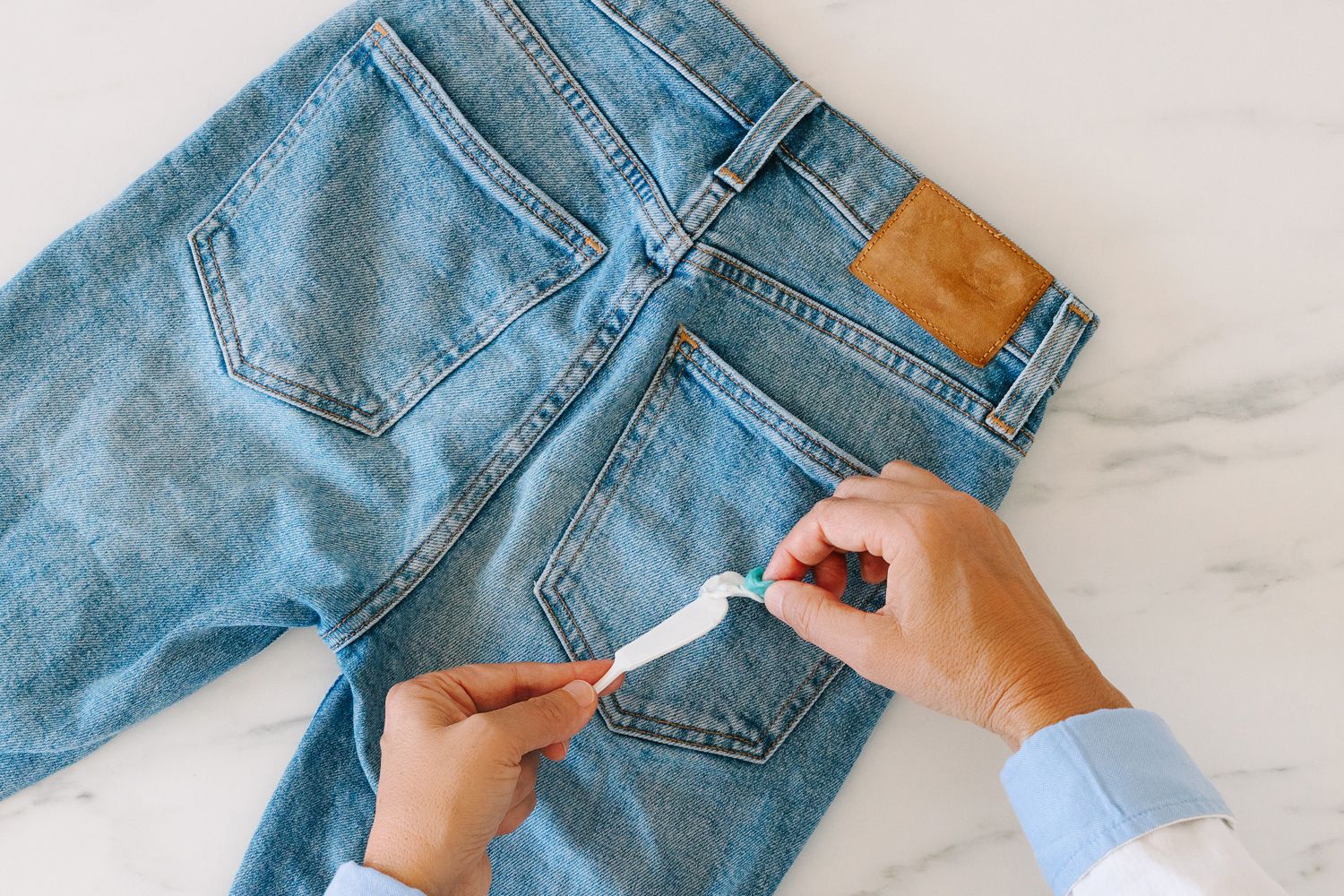

If you’ve ever sat down somewhere suspicious (movie theater seat, school bleachers, park bench, your own car…), you already know the universal truth: chewing gum has a PhD in clinginess. The good news? Getting gum out of clothes isn’t magicit’s just choosing the right combo of temperature, friction, and the occasional “science juice” (a.k.a. safe solvents).
This guide gives you 12 proven methods to remove gum from fabricwithout turning your favorite hoodie into a tragic cleaning story. You’ll also get fabric-specific tips (cotton, denim, synthetics, delicates), what not to do, and how to remove that annoying “shadow” stain after the gum is gone.
Before You Start: The 60-Second Gum Triage
- Check the care label. “Dry clean only” means skip DIY solvents and call in the pros.
- Don’t rub. Rubbing warms gum and drives it deeper into fibers. That’s how small problems become legends.
- Keep it out of the dryer. Heat can smear gum and make it harder to remove. Always check the stain before drying.
- Work from the outside in. Lift gum off the surface first, then tackle residue.
- Test first. Any solvent (alcohol, adhesive remover, oils) should be tested on an inside seam for colorfastness.
Why Gum Is So Hard to Remove (And Why These Methods Work)
Chewing gum is basically a sticky polymer base plus softeners and flavoring. That’s why it behaves like a tiny, stubborn adhesive pad: it softens with heat, hardens with cold, and clings because it’s built to be elastic and tacky. So removal comes down to three strategies:
- Freeze it so it becomes brittle and pops off.
- Soften it so it transfers onto something else (paper/cardboard) instead of your shirt.
- Dissolve or lubricate it so it releases from fibers and wipes away.
12 Guaranteed Ways to Get Gum Out of Clothes
1) Ice Cube “Spot Freeze” (Fastest for Fresh Gum)
Best for: Cotton tees, denim, hoodies, most knits. Avoid: Very delicate fabrics that snag easily.
- Place the garment flat. Put a paper towel behind the gum spot if it’s thin fabric.
- Rub an ice cube directly on the gum for 2–5 minutes until it’s hard and less sticky.
- Use a spoon edge, dull knife, or old credit card to gently lift and chip away the gum.
- Pick off remaining bits with your fingers (or tweezers) while it’s still cold.
Pro tip: If the gum softens mid-scrape, re-freeze. Gum removal is a “stay cold” sport.
2) Freezer Bag “Hard Freeze” (Cleaner, No Melt Water)
Best for: Anything that fits in a freezer (yes, even bulky sweatshirts). Avoid: Leather or structured items that shouldn’t be folded.
- Put the garment in a zip-top bag with the gum facing outward so it doesn’t stick to the plastic.
- Freeze 1–2 hours (or until gum is rock-hard).
- Remove and immediately scrape off the brittle gum with a spoon edge or dull knife.
- Wash after removing the bulk of the gum (see “Aftercare”).
Why it works: Deep cold makes gum stiff enough to crack away instead of smearing.
3) Canned Air Freeze Spray (For “I Need This Gone Now” Moments)
Best for: On-the-go fixes, uniforms, or when you can’t access a freezer. Note: Use in a ventilated area and follow product directions.
- Hold the fabric taut.
- Spray canned air upside down to blast the gum with cold propellant (it flash-freezes).
- Once brittle, lift and scrape with a spoon/credit card.
- Repeat in short bursts until the gum breaks free.
Fabric tip: Keep the spray movingdon’t “camp” on one spot, especially on thin synthetics.
4) Hot Vinegar Softening (Classic “Kitchen Chemistry”)
Best for: Sturdy fabrics like cotton, denim, polyester blends. Avoid: Silk, acetate, or anything that hates heat.
- Heat white vinegar (or apple cider vinegar) until hot but not boiling.
- Dip a clean cloth or old toothbrush into the vinegar and dab/scrub the gum.
- As gum softens, scrape it away in layers using a spoon edge.
- Rinse the area with cool water and proceed to aftercare wash steps.
Why it works: Warmth softens gum; mild acidity helps break its grip on fibers.
5) Rubbing Alcohol (Isopropyl) Dissolve Method
Best for: Durable fabrics (canvas, denim). Avoid: Delicates and some dyestest first.
- Place paper towels under the gum spot to protect the other side.
- Apply rubbing alcohol with a cotton ball or swab directly onto the gum.
- Wait 30–60 seconds, then scrape gently as the gum loosens.
- Blot residue with a clean cloth, reapplying alcohol as needed.
Pro tip: Alcohol can spread dyes on some fabrics. Always test in a hidden seam first.
6) Glycerin “Slip-and-Scrape” (Underrated and Fabric-Friendly)
Best for: Many washable fabrics when you want a gentler solvent alternative. Where to find: Pharmacy skincare aisle.
- Work a small amount of glycerin into the gum with your fingers.
- Let it sit 2–3 minutes to lubricate the sticky base.
- Scrape gently. Wipe loosened residue onto a paper towel.
- Rinse and wash with a grease-cutting detergent to remove slipperiness.
Why it works: Glycerin reduces tackiness so the gum releases instead of stretching.
7) Peanut Butter (Yes, Seriously) for Stubborn Gum
Best for: Thick fabrics like denim and hoodies. Avoid: Delicatesand be ready for an oil stain cleanup.
- Use creamy peanut butter (chunky is great on toast, less great in your laundry).
- Spread a thin layer over the gum and gently massage.
- As the gum loosens, lift it off with a spoon or dull knife.
- Immediately treat the area with dish soap or heavy-duty detergent to remove peanut oils.
Important: This method works, but it trades “gum problem” for “oil problem”which is still a winnable fight.
8) Petroleum Jelly (Vaseline) Lift-and-Wipe Method
Best for: Dried gum on sturdy fabrics. Avoid: Fabrics that stain easily or items you can’t wash afterward.
- Apply a small amount of petroleum jelly to the gum and surrounding fibers.
- Wait 1–2 minutes, then scrape gum off in soft layers.
- Wipe residue onto paper towels (don’t push it deeper).
- Pretreat with dish soap or a degreasing laundry detergent before washing.
Why it works: It acts like a lubricant, separating gum from fabricthen you wash away the oily helper.
9) Commercial Adhesive / Gum Remover (When You Want the “Easy Button”)
Best for: Tough residues, dried-on gum, and “I tried ice three times” situations.
- Choose a product labeled for adhesives/gum (e.g., a citrus-based adhesive remover or a targeted stain remover).
- Test on an inside seam for color change or texture damage.
- Apply per instructions; let it sit briefly to loosen residue.
- Scrape, blot, and then wash thoroughly to remove both gum and remover.
Tip: These products often shine on the final “sticky film” that freezing alone can leave behind.
10) Iron + Cardboard Transfer (Move the Gum Off the Fabric)
Best for: Cotton and denim. Avoid: Synthetics that can melt (polyester/nylon blends) or anything delicate.
- Place a piece of cardboard inside the garment behind the gum spot.
- Put a brown paper bag or plain paper towel on top of the gum.
- Set iron to low/medium (no steam). Press gently for a few seconds.
- Lift the paper and repeat with a clean section as gum transfers onto the paper.
- Finish with detergent pretreatment and wash.
Why it works: You’re not “melting gum into the shirt”you’re encouraging it to relocate to a more deserving home: the paper.
11) Hair Dryer or Steam + Blot (Controlled Warmth)
Best for: Thicker fabrics where you can manage the smear risk. Avoid: Delicates and loose knits that distort.
- Warm the gum with a hair dryer (low/medium) or gentle steam until it softens.
- Blot (don’t rub) with paper towels to lift softened gum.
- Use a spoon edge to remove remaining softened pieces.
- Immediately follow with detergent pretreatment to prevent oily residue from setting.
Key rule: Heat is helpful only if you can transfer/blot the gum away. If it starts spreading, stop and switch to a cold method.
12) Tape Lift (The “Sticky Beats Sticky” Trick)
Best for: Small bits and residue after freezing or alcohol. Avoid: Very fuzzy fabrics where tape can pull fibers.
- Freeze the gum first (ice cube or freezer) so it’s less elastic.
- Press duct tape or packing tape firmly onto the gum area.
- Peel back slowly; the gum often lifts with the tape.
- Repeat with fresh tape until clean, then launder.
Pro tip: Tape is amazing for the “tiny crumbs” that scraping can’t quite catch.
Aftercare: Remove the Residue and Prevent a Stain Comeback
Once the gum is gone, the spot may still look darker or feel tacky. That’s residuegum oils, adhesive remover, peanut butter, petroleum jelly, or just friction shine. Here’s how to finish strong:
Step 1: Pretreat like you mean it
- Apply a heavy-duty liquid laundry detergent directly to the area.
- Gently work it in with your fingers or a soft toothbrush.
- Let it sit 10–15 minutes before washing.
Step 2: Wash smart
- Use the warmest water safe for the fabric (follow the care label).
- Choose a quality detergent; consider an enzyme-based formula for general stain help.
- If you used oils (peanut butter/petroleum jelly), add a drop of dish soap as a booster before washing.
Step 3: Air-dry and inspect
Heat sets stains. Let the garment air-dry first, then check in good light. If you still see residue, repeat a gentle method (often alcohol, vinegar, or commercial remover) and wash again.
Fabric-Specific Tips (Because Not All Clothes Are Built the Same)
Denim and heavy cotton
You can use almost anything here: freezing, vinegar, alcohol, tape, even the iron transfer method. Denim is basically the “bring it on” fabric of the laundry world.
Polyester, athletic wear, and synthetics
Stick with cold methods (ice/freezer) and gentle solvents (small amounts of alcohol, tested first). Avoid iron methods and high heat unless you’re very confident the fabric can handle itsome synthetics warp or shine.
Wool, cashmere, and structured garments
Cold is safest. Freeze, scrape carefully, and consider professional cleaning if it’s a coat or tailored item. Wool fibers can felt or distort with aggressive scrubbing.
Silk and “dry clean only” items
Don’t gamble with DIY solvents. Use a cold method to lift what you can (very gently), then take it to a professional cleaner. The goal is “less gum,” not “surprise tie-dye.”
What Not to Do (Aka: How Laundry Disasters Are Born)
- Don’t use boiling water right away. Hot water can soften gum and spread it.
- Don’t attack with a sharp blade. It’s too easy to slice fabric or snag threads.
- Don’t “just wash it” before removing gum. You risk smearing gum through the garment (and your washer).
- Don’t dry it until you’re sure it’s gone. The dryer is a stain-setting machine with a drum.
FAQ: Quick Answers to Sticky Questions
Does peanut butter actually remove gum from clothes?
Surprisingly, yesits oils can help loosen gum. But you must treat the oil afterward with dish soap or detergent or you’ll trade one stain for another.
What’s the safest “all-purpose” method?
Freezing (ice or freezer) is usually the safest starting point for most washable fabrics because it doesn’t introduce chemicals or heat.
What if there’s still a sticky patch after scraping?
That’s normal. Use tape lift, a small amount of rubbing alcohol (tested first), or a commercial adhesive remover, then wash and air-dry.
Real-Life Gum Wars: of Experience From the Trenches
Let’s talk about the part no one warns you about: gum removal isn’t just a cleaning taskit’s a tiny emotional journey. You start in denial (“That’s… lint?”), move into bargaining (“If I freeze it, it’ll fall off, right?”), and end with victory or a lesson in humility. Here are a few real-world scenarios that explain why having multiple methods matters.
Scenario #1: The School Desk Surprise (a.k.a. The Classic).
A kid stands up from a desk and discovers gum welded to the back of their pants. The worst move is rubbingbecause panic-rubbing turns a gum blob into a gum mural. The winning play is ice: an ice pack from the nurse’s office (or a bag of frozen peas from home) hardens the gum so it cracks off in chunks. The trick is speed: scrape while it’s brittle, before body heat makes it stretchy again. After that, a little detergent pretreat and a normal wash usually finishes the job. Moral: cold first, always.
Scenario #2: The Movie Theater Seat (sticky + dark fabric = drama).
Dark jeans and a warm environment can make gum feel like it’s fused to the universe. Freezing still works, but you often get that annoying “shadow” after you scrapeespecially on darker fabrics where residue shows up like a spotlight. This is where tape lift becomes the unsung hero. Freeze, scrape the bulk, then press packing tape to grab the tiny crumbs your scraper can’t catch. Finish with a bit of rubbing alcohol on a cotton swab (tested first), blot, and wash. Moral: scraping gets the headline, but tape and a gentle solvent win the championship.
Scenario #3: The Dryer Incident (when gum meets heat and chooses violence).
Someone forgets gum in a pocket. It goes through the wash, then the dryer. Now you have gum on clothes, gum on the drum, and gum on your soul. Clothes first: freeze what you can (yes, even after heat), chip off hardened pieces, then use a targeted adhesive remover for the smear residue. Wash again and air-dry to confirm success. The dryer drum is another project, but the key lesson is prevention: check pockets like it’s a security job. Moral: heat makes everything harderremove gum before drying, always.
Scenario #4: The “Nice Top” Emergency (delicates raise the stakes).
When gum lands on a delicate blouse, brute force is the enemy. Ice is still the safest start, but scraping must be feather-light. If it’s labeled dry clean only, stop at “remove what you can safely,” then hand it to a pro. I’ve seen more garments harmed by overconfident DIY solvent choices than by the gum itself. Moral: your pride is washable; some fabrics aren’t.
If there’s one universal takeaway, it’s this: gum removal is less about one “miracle hack” and more about matching the method to the fabric. Start with cold, escalate gently, and always finish with smart washing and an air-dry inspection. That’s how you turn a sticky disaster into a boring success storyand boring is the dream.
Conclusion
Getting gum out of clothes is totally doableespecially when you stop fighting the gum on its terms. Freeze it, transfer it, or loosen it, then wash like a professional and don’t dry until you’ve checked. With the 12 methods above, you’ve got a solution for practically every fabric and every level of “how did this even happen?”
SEO Tags