
Peeling skin has one talent: showing up at the worst possible time. Right before a beach photo. The morning of a date. Five minutes before you decide to wear black. Suddenly your skin is shedding like it has a dramatic resignation letter to submit.
The good news is that peeling skin often improves quickly when you treat it gently, keep it moisturized, and stop doing the tiny things that make it angrier. The not-so-fun news? You cannot safely “rip away” peeling skin and expect smooth, glowing skin underneath. That is not skincare. That is negotiating with chaos.
This guide explains how to get rid of peeling skin fast in the safest way possible: by calming irritation, repairing the skin barrier, locking in moisture, and knowing when peeling skin is more than just dryness or sunburn. Whether your face is flaking from over-exfoliating, your shoulders are peeling after a sunny weekend, or your hands look like they have been washing dishes for a small restaurant, here is the practical, no-nonsense plan.
Why Is Your Skin Peeling?
Peeling skin happens when the outer layer of skin is damaged, irritated, or too dry to stay smooth. Your skin is constantly renewing itself, but when that process gets disrupted, flakes and sheets of dead skin become more visible. Think of it like your skin’s version of spring cleaning, except nobody asked it to be this dramatic.
Common causes of peeling skin include sunburn, dry weather, harsh soaps, long hot showers, allergic reactions, eczema, psoriasis, acne treatments, retinoids, chemical exfoliants, friction, and certain infections. Sometimes peeling is mild and easy to manage at home. Other times, it can signal a medical issue that needs professional care.
Common Triggers Behind Peeling Skin
- Sunburn: UV damage can cause redness, tenderness, and peeling several days later.
- Dry skin: Low humidity, cold weather, frequent bathing, and harsh cleansers can strip moisture.
- Over-exfoliation: Too many acids, scrubs, retinoids, or acne products can weaken the skin barrier.
- Contact irritation: Fragrance, detergents, cosmetics, or new skincare products can trigger peeling.
- Skin conditions: Eczema, psoriasis, seborrheic dermatitis, and fungal infections may cause flaking or scaling.
Can You Get Rid of Peeling Skin Overnight?
You can make peeling skin look and feel much better overnight, but you cannot completely replace damaged skin in one evening. Skin needs time to heal. The fastest safe approach is to reduce inflammation, add moisture, and protect the fragile new skin underneath.
If the peeling is from mild dryness or a mild sunburn, you may notice improvement within 24 to 48 hours with the right routine. If the peeling comes from eczema, an allergic reaction, a strong skincare product, or a more serious burn, it may take longer and may need medical treatment.
How to Get Rid of Peeling Skin Fast: The Gentle Recovery Plan
1. Stop Picking, Pulling, or Scrubbing the Skin
This is the hardest rule because peeling skin is weirdly tempting. It sits there, lifting at the edges, acting like it wants to be removed. Do not believe it. Pulling off peeling skin can tear healthy skin, cause bleeding, increase irritation, and raise the risk of infection.
If loose skin is hanging and catching on clothing, trim only the fully detached edge with clean small scissors. Do not tug. Do not shave it off. Do not attack it with a towel like you are sanding a table.
2. Cool the Skin Down
If your skin is peeling from sunburn, heat, or irritation, start with cooling. Use a cool compress for 10 to 15 minutes at a time. A soft washcloth soaked in cool water works well. Cool showers can also help, but keep them short.
Avoid ice directly on the skin. Ice can make damaged skin feel worse and may irritate the area further. The goal is “fresh cucumber spa day,” not “frozen vegetable emergency.”
3. Use a Gentle, Fragrance-Free Cleanser
When your skin is peeling, your cleanser should behave like a polite guest: helpful, quiet, and not full of perfume. Choose a gentle, fragrance-free cleanser or a non-soap cleansing cream. Avoid deodorant soaps, antibacterial soaps, harsh foaming washes, exfoliating cleansers, and anything that leaves your skin tight.
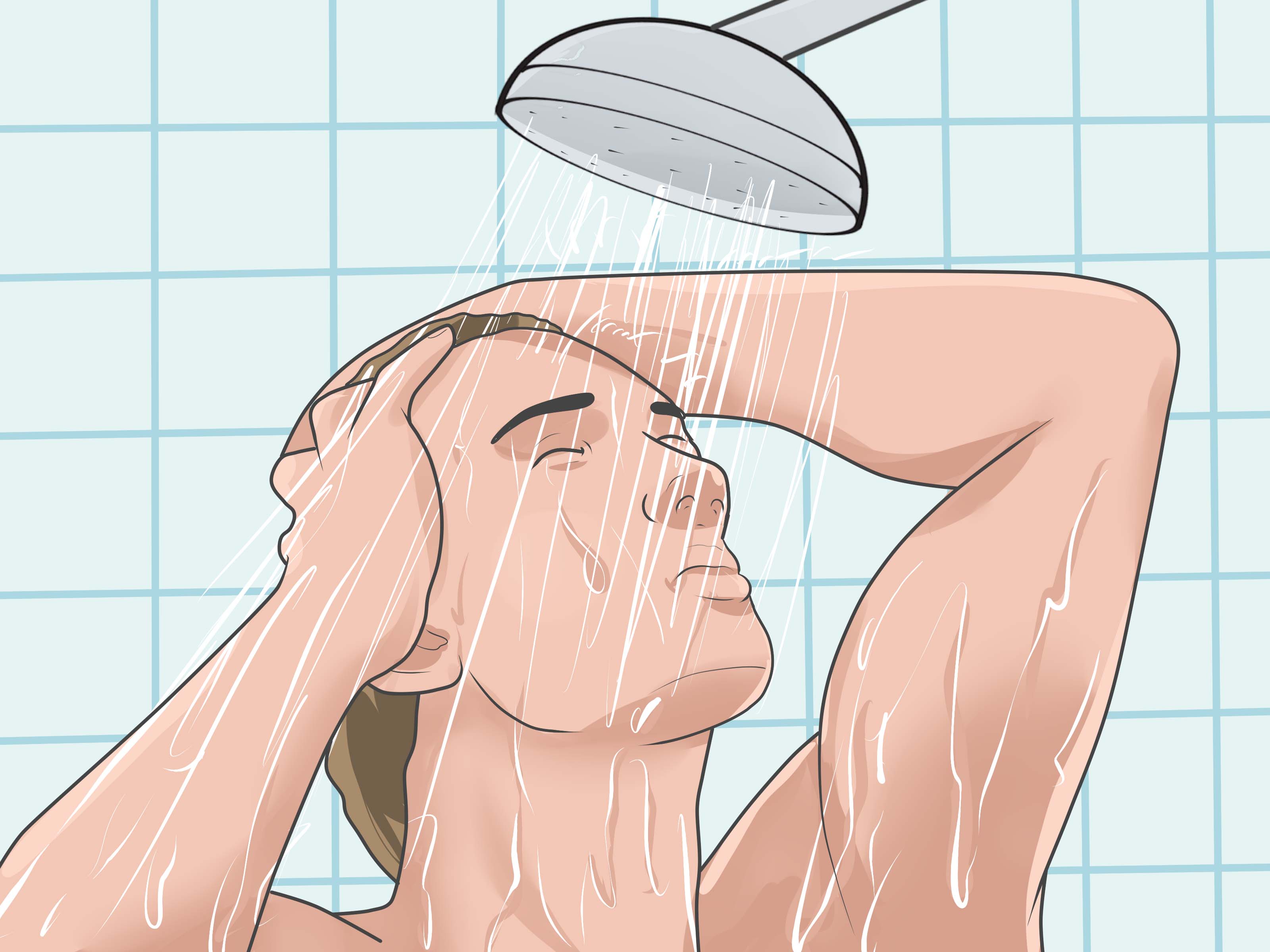
For facial peeling, wash once daily at night if your skin feels sensitive. In the morning, rinsing with lukewarm water may be enough. For body peeling, cleanse only where needed and avoid aggressively rubbing the peeling areas.
4. Moisturize While Skin Is Still Damp
This is one of the most important steps. After washing or showering, gently pat your skin with a towel, leaving it slightly damp. Then apply moisturizer immediately. Damp skin holds water better, and moisturizer helps seal it in.
For peeling skin, creams and ointments usually work better than thin lotions. Look for ingredients such as glycerin, ceramides, hyaluronic acid, dimethicone, petrolatum, mineral oil, shea butter, or colloidal oatmeal. These ingredients help hydrate, soften, and support the skin barrier.
5. Seal Very Dry Areas With an Ointment
If your skin is extremely dry, apply a layer of moisturizer first, then add a thin layer of petroleum jelly or a bland ointment on top. This helps reduce water loss and protects the peeling area from friction.
This works especially well on hands, feet, elbows, knees, and dry patches on the body. For the face, use a very thin layer and avoid heavy ointments if you are acne-prone unless your dermatologist says it is suitable for you.
6. Try Aloe Vera for Mild Sunburn Peeling
Aloe vera gel can feel soothing on mild sunburned skin. Choose a simple, alcohol-free formula if possible. Some “cooling” gels contain alcohol or menthol, which may sting or dry the skin. If your skin burns after applying a product, rinse it off and switch to a bland moisturizer.
Aloe can calm the feeling of heat, but it is not a magic eraser. You still need moisturizer, sun protection, and patience. Your skin is not being difficult; it is recovering from damage.
7. Pause Exfoliants and Strong Skincare Products
When skin is peeling, stop using scrubs, exfoliating acids, retinoids, benzoyl peroxide, alcohol toners, vitamin C serums, peels, and strong acne treatments until your skin barrier calms down. These products can be useful at the right time, but peeling skin is not that time.
For now, keep the routine boring: gentle cleanser, moisturizer, sunscreen. Boring skincare is underrated. Boring skincare pays bills, shows up on time, and does not start drama with your face.
8. Protect Peeling Skin From the Sun
Fresh skin underneath peeling areas is more sensitive. Sun exposure can worsen irritation, deepen discoloration, and delay healing. Use broad-spectrum sunscreen during the day and reapply as directed, especially if you are outdoors.
Also use shade, hats, sunglasses, and protective clothing. Sunscreen is important, but clothing and shade are like the backup dancers that make the whole performance work.
9. Drink Water, But Do Not Expect Miracles From Water Alone
Staying hydrated supports your overall health, but drinking water will not instantly glue peeling skin back into place. Peeling skin usually needs topical moisture and barrier repair. Drink water, yes, but also moisturize like you mean it.
10. Use a Humidifier if the Air Is Dry
Dry indoor air can make peeling and flaking worse, especially in winter or in air-conditioned rooms. A clean cool-mist humidifier can help add moisture to the air. Keep it clean according to the manufacturer’s instructions so it does not become a tiny swamp machine on your nightstand.
Best Ingredients for Peeling Skin
The right ingredients can make a big difference. When your skin is peeling, choose products that hydrate, soften, and protect rather than products that promise aggressive resurfacing.
Helpful Ingredients
- Glycerin: Pulls water into the outer layer of skin.
- Ceramides: Help support the skin barrier.
- Hyaluronic acid: Helps bind water to the skin.
- Petrolatum: Locks in moisture and protects dry areas.
- Colloidal oatmeal: Helps soothe dry, itchy-feeling skin.
- Aloe vera: May help calm mild sunburn discomfort.
- Dimethicone: Forms a protective barrier and reduces water loss.
Ingredients to Avoid Temporarily
- Fragrance and essential oils
- Alcohol-heavy toners
- Physical scrubs
- Retinoids
- Exfoliating acids such as glycolic, lactic, or salicylic acid
- Strong acne treatments unless prescribed
How to Treat Peeling Skin on Different Areas
Peeling Skin on the Face
Facial skin can be more sensitive, especially around the nose, mouth, and eyes. Use a gentle cleanser, apply a fragrance-free moisturizer, and avoid makeup until the peeling improves. If you need to wear makeup, use a hydrating primer and avoid matte formulas that cling to flakes like they are collecting souvenirs.
If your face started peeling after a new skincare product, stop that product immediately. Once your skin is calm for several days, reintroduce products one at a time so you can identify the troublemaker.
Peeling Skin on Hands
Hands peel easily because they deal with soap, sanitizer, dishwashing, weather, and random life tasks. Apply hand cream after every wash. At night, use a thick cream or ointment and consider wearing soft cotton gloves. For cleaning, use protective gloves to reduce contact with detergents and hot water.
Peeling Skin on Feet
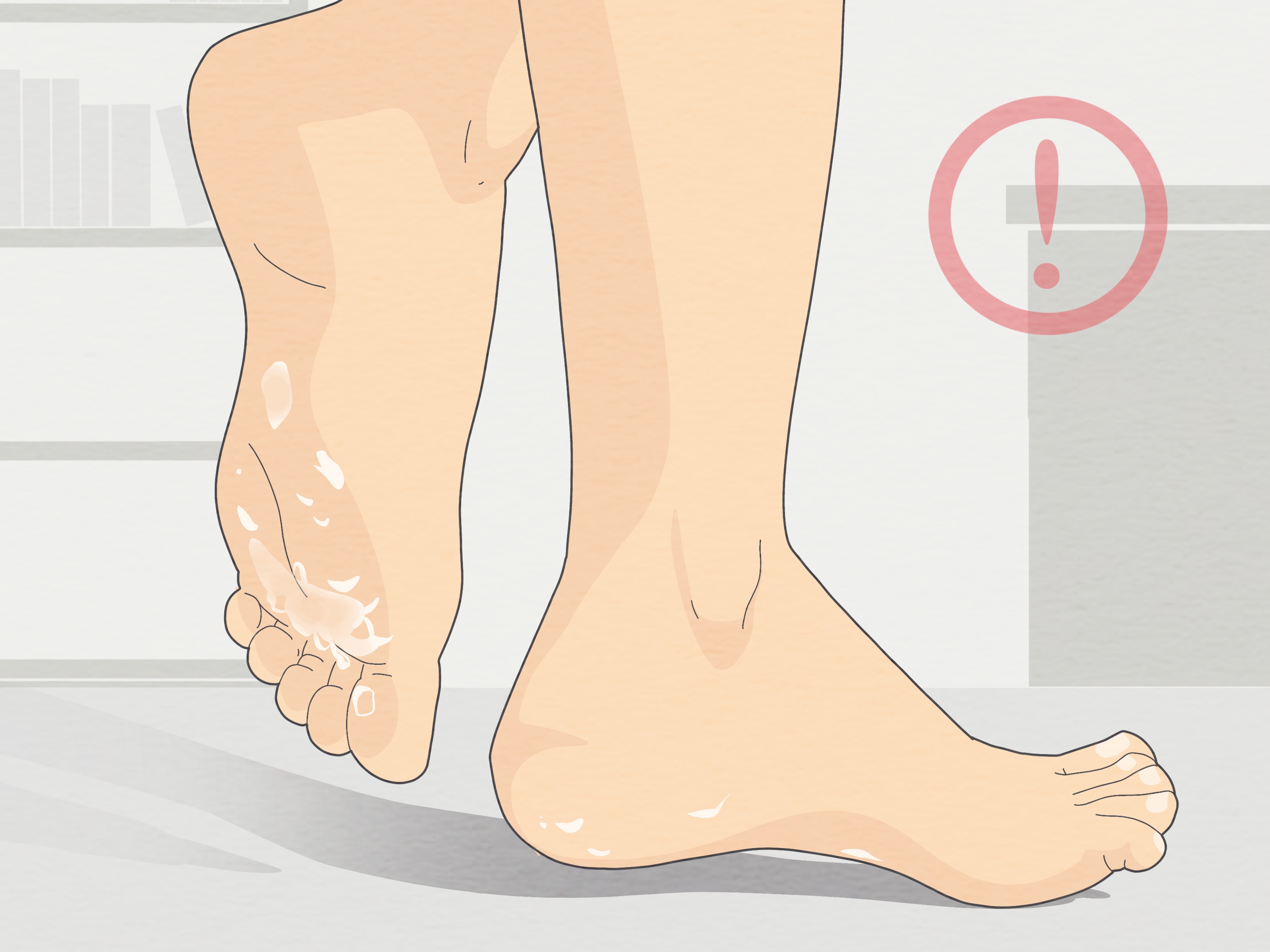
Dry peeling feet may improve with thick moisturizer and socks overnight. However, peeling between the toes, itching, odor, or a rash may suggest athlete’s foot or another condition. In that case, do not just keep layering moisturizer and hoping for a plot twist. Consider medical advice or an appropriate antifungal treatment.
Peeling Lips
For peeling lips, avoid licking them. Saliva dries quickly and can make lips worse. Use a bland lip balm or petroleum jelly. If your lips are cracked at the corners or peeling constantly, it may be irritation, dryness, or another condition that needs treatment.
What Not to Do When Your Skin Is Peeling
Fast healing is as much about avoiding mistakes as it is about using the right products. Here are the big no-no’s:
- Do not peel or pick the skin.
- Do not scrub flakes away with a washcloth or brush.
- Do not use hot showers to “soften” peeling skin.
- Do not apply lemon juice, toothpaste, baking soda, or vinegar.
- Do not tan peeling skin to “even it out.”
- Do not cover painful peeling with heavy makeup for long periods.
- Do not keep using a product that stings, burns, or worsens peeling.
When to See a Doctor or Dermatologist
Most mild peeling from dryness or sunburn can be managed at home. However, you should seek medical care if peeling is severe, widespread, painful, blistering, oozing, swollen, or accompanied by fever. Also get help if you see signs of infection, such as increasing redness, warmth, pus, or red streaks.
If peeling keeps coming back, appears with a rash, affects your scalp or nails, or starts after a medication, a dermatologist can help identify the cause. Peeling skin is a symptom, not a final diagnosis. Sometimes the fastest way to fix it is to find out what is actually causing it.
A Simple 48-Hour Peeling Skin Rescue Routine
Morning
- Rinse with lukewarm water or use a gentle cleanser.
- Apply a fragrance-free moisturizer while skin is slightly damp.
- Use broad-spectrum sunscreen if the area will be exposed.
- Wear soft, breathable clothing over peeling body areas.
Afternoon
- Reapply moisturizer if the skin feels tight or dry.
- Use a cool compress if the area feels hot or irritated.
- Avoid scratching, picking, or rubbing.
Night
- Take a short lukewarm shower if needed.
- Pat dry gently and moisturize immediately.
- Seal very dry areas with a thin layer of ointment.
- Sleep in soft clothing or use cotton gloves/socks for hands and feet.
How to Prevent Peeling Skin Next Time
The best way to get rid of peeling skin fast is to prevent it from showing up like an uninvited guest. Use sunscreen daily on exposed skin, avoid long hot showers, moisturize consistently, and introduce strong skincare products slowly. If you use retinoids or exfoliating acids, start with a low frequency and give your skin time to adjust.
For dry climates, moisturize after every shower and consider using a humidifier. For sensitive skin, choose fragrance-free products and patch test new formulas. For hands, keep moisturizer near the sink, in your bag, and by your bed. Make moisturizing so convenient that laziness has no argument.
Personal Experience: What Actually Helps Peeling Skin Feel Better Fast
Anyone who has dealt with peeling skin knows the emotional stages. First comes denial: “It is just a little dry.” Then comes bargaining: “Maybe I can gently rub it off.” Then comes regret, usually after the skin turns redder and somehow looks even flakier than before. The most useful lesson is simple: peeling skin improves faster when you stop trying to force it to look perfect immediately.
One common experience is post-sunburn peeling on the shoulders or nose. At first, the skin feels tight and warm. A few days later, tiny flakes appear, then larger patches start lifting. The instinct is to peel them, especially when clothing catches on the edges. But the better approach is boring and effective: cool compresses, gentle washing, thick moisturizer, loose clothing, and sunscreen. Within a day or two, the skin often feels less tight. The peeling may still be visible, but it looks calmer and less angry.
Another familiar situation is facial peeling after getting too excited with skincare. Maybe you used a retinoid, an exfoliating acid, a brightening serum, and a clay mask in the same week because your bathroom shelf whispered, “Glow-up time.” Then your face responded with flakes around the mouth and nose. In that case, the fastest fix is usually a skincare reset. Stop the active products. Use a gentle cleanser. Apply a barrier-supporting moisturizer. Protect with sunscreen during the day. It can feel strange to do less, but doing less is often exactly what the skin needs.
Hands are another real-life peeling zone. Frequent handwashing, sanitizer, cleaning products, and cold air can leave hands rough and flaky. The trick is to moisturize immediately after washing, not only when the skin already feels like sandpaper. Keeping a small hand cream near the sink helps. At night, applying a thicker cream and covering it with cotton gloves can make a noticeable difference by morning. It is not glamorous, but neither is having knuckles that look like old parchment.
The biggest practical takeaway is that peeling skin responds best to consistency. One heroic glob of moisturizer on Tuesday will not undo a week of hot showers and harsh soap. But gentle care repeated several times a day can make the skin feel softer, smoother, and less irritated surprisingly quickly. It is also important to manage expectations. If skin is peeling because it is damaged, the flakes are part of the healing process. Your job is not to remove every flake by force. Your job is to protect the new skin underneath so it can recover without extra drama.
In real life, the fastest routine is the simplest one: cool the skin, cleanse gently, moisturize while damp, seal dry spots, avoid picking, and protect the area from sun and friction. That combination may not sound like a luxury facial, but it works because it respects what your skin is trying to do. Skin does not need punishment when it peels. It needs backup.
Conclusion
Peeling skin can be annoying, uncomfortable, and wildly inconvenient, but it usually improves with gentle care. The fastest safe strategy is to cool irritated skin, use a fragrance-free moisturizer, avoid scrubs and harsh products, seal in hydration, and protect the area from sun exposure. Most importantly, do not pick at the peeling skin. Let the damaged layer shed naturally while you support the healthy skin underneath.
If peeling is severe, painful, spreading, infected-looking, blistering, or linked to a rash or medication, see a healthcare professional. Quick relief is great, but safe healing is the real goal. Treat your skin like it is recovering, not misbehaving, and it will usually return the favor.
SEO Tags
Note: This article is for educational purposes only and is not a substitute for medical diagnosis or treatment. If peeling skin is severe, painful, infected-looking, widespread, or unexplained, consult a doctor or dermatologist.