
Growing herbs in a container garden is one of the easiest DIY projects that can make your home feel greener, your meals taste fresher, and your windowsill look like it has finally joined society. Whether you live in a house with a sunny patio, an apartment with a balcony, or a small space with one hardworking window, container herb gardening gives you fresh flavor without needing a full backyard.
The best part? Herbs are forgiving, useful, beautiful, and surprisingly dramatic in a charming way. Basil will wilt like it just read bad news if it gets thirsty. Mint will try to take over the world if you let it. Rosemary prefers life on the dry side and will absolutely judge soggy soil. Once you understand these personalities, learning how to grow herbs in containers becomes simple, practical, and genuinely fun.
This DIY guide walks you through choosing the right containers, potting mix, herbs, sunlight, watering routine, harvesting method, and troubleshooting tips. By the end, you will be ready to grow a container herb garden that looks good, smells amazing, and makes your kitchen feel like a tiny farmers market.
Why Grow Herbs in a Container Garden?
A container herb garden is perfect for beginners because it is compact, affordable, and easy to control. Instead of managing an entire garden bed, you can start with one pot of basil, a window box of parsley and chives, or a patio planter filled with thyme, oregano, and sage.
Container Herb Gardens Save Space
You do not need a large yard to grow herbs. A balcony railing, front step, kitchen windowsill, deck, porch, or sunny corner can become a productive mini garden. Containers make gardening possible for renters, apartment dwellers, urban gardeners, and anyone whose “yard” is technically a doormat with dreams.
Containers Give You More Control
When herbs grow in containers, you control the soil, drainage, placement, watering, and mobility. If a plant needs more sun, you can move it. If a cold night threatens tender basil, you can bring it indoors. If mint starts acting like a botanical supervillain, it stays trapped in its pot where it belongs.
Fresh Herbs Improve Everyday Cooking
Fresh herbs can transform basic meals. Basil brightens pasta and tomato dishes. Cilantro wakes up tacos and rice bowls. Rosemary adds depth to roasted potatoes. Chives make eggs taste fancy even when breakfast is eaten standing over the sink. Growing herbs at home means you can snip what you need instead of buying a plastic clamshell that turns into green sadness after three days.
Best Herbs to Grow in Containers
Most culinary herbs can grow well in containers when they receive the right light, drainage, and care. However, some are especially beginner-friendly and productive in small spaces.
Basil
Basil is one of the most popular container herbs. It loves warmth, full sun, and regular harvesting. Sweet basil is excellent for pesto, pasta, salads, sandwiches, and homemade pizza. Give basil a pot at least 6 to 10 inches wide, keep the soil evenly moist, and pinch off flower buds to encourage leafy growth.
Parsley
Parsley grows well in containers and can tolerate a bit less sun than heat-loving herbs. Curly parsley works nicely as a garnish, while flat-leaf parsley has a stronger flavor for soups, sauces, salads, and marinades. Parsley grows from seed slowly, so buying a starter plant is a smart shortcut.
Mint
Mint is almost too easy to grow. In the ground, it spreads aggressively, but in a container, it becomes a refreshing and well-behaved herb for tea, lemonade, fruit salads, sauces, and desserts. Grow mint in its own pot because it can crowd out gentler herbs.
Thyme
Thyme is a compact, drought-tolerant herb that loves well-drained soil. It works beautifully in containers, especially with other Mediterranean herbs such as rosemary, sage, and oregano. Use thyme in roasted vegetables, chicken, soups, and savory breads.
Rosemary
Rosemary is woody, fragrant, and handsome enough to double as patio decor. It prefers full sun and excellent drainage. Rosemary does not like sitting in wet soil, so choose a container with drainage holes and avoid overwatering. In colder climates, rosemary may need to come indoors for winter.
Oregano
Oregano is a strong-flavored herb that thrives in sunny containers. It is excellent for Italian, Greek, and Mexican-inspired dishes. Like thyme and rosemary, oregano prefers soil that drains well and does not stay soggy.
Cilantro
Cilantro grows quickly but can bolt, or flower, when temperatures rise. For the best harvest, plant cilantro in spring or fall, give it morning sun and afternoon shade in hot climates, and sow new seeds every few weeks. That way, you always have fresh leaves ready for salsa, curry, soups, and tacos.
Chives
Chives are low-maintenance, attractive, and great for containers. Their mild onion flavor works in eggs, potatoes, salads, dips, and soups. They also produce pretty purple flowers that pollinators enjoy. Just make sure to harvest regularly to keep the plant fresh and productive.
Step-by-Step DIY: How to Grow Herbs in a Container Garden
Step 1: Choose the Right Location
Most herbs need at least six hours of bright light per day. A south-facing or west-facing location is often ideal outdoors, while a sunny windowsill can work indoors for herbs like parsley, chives, mint, and basil. If your indoor light is weak, use a grow light to prevent thin, leggy growth.
Observe your space before planting. Notice where sunlight lands in the morning, afternoon, and evening. A patio that looks sunny at breakfast may be shaded by noon. Herbs are not asking for luxury accommodations, but they do want enough light to make flavorful leaves.
Step 2: Pick Containers With Drainage Holes
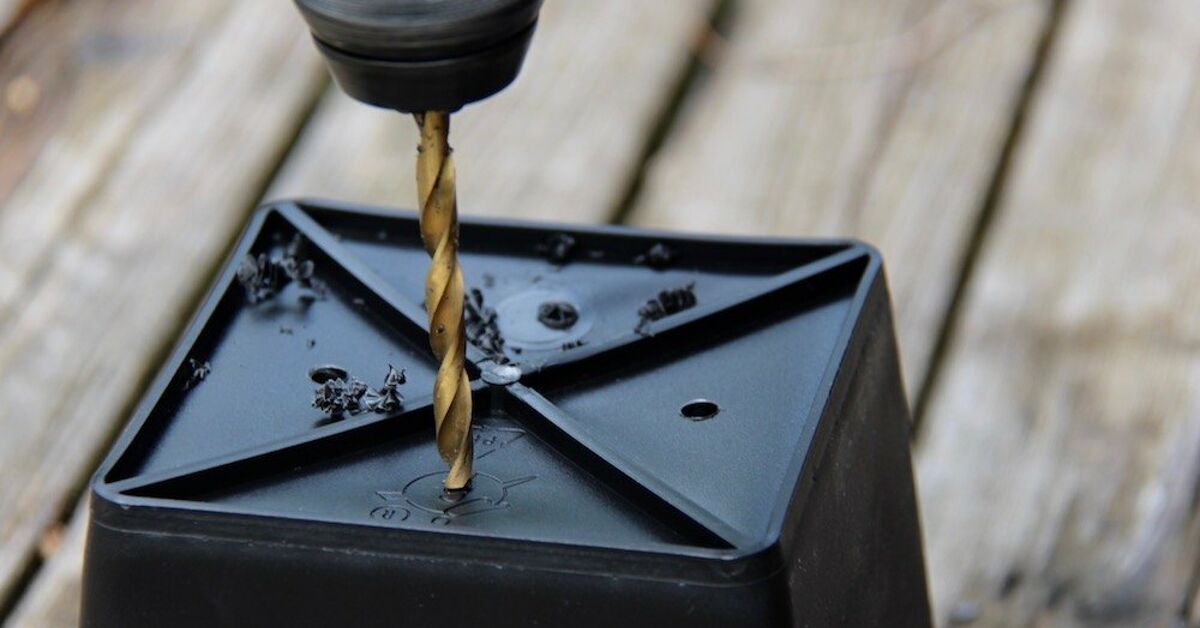
Drainage is non-negotiable. A container without drainage holes can trap water around the roots, causing rot and weak growth. Use pots, window boxes, grow bags, hanging baskets, or recycled containers, but make sure excess water can escape.
For most herbs, choose containers at least 6 inches deep. Larger herbs like rosemary, basil, dill, and lemongrass need more room. A 10-inch pot works well for many individual herbs, while long window boxes are useful for grouping herbs with similar needs.
Step 3: Use Quality Potting Mix
Do not fill containers with heavy garden soil. Garden soil can compact in pots, drain poorly, and limit oxygen around roots. Instead, use a lightweight potting mix designed for containers. A good mix holds some moisture while still draining well.
If you are growing Mediterranean herbs such as rosemary, thyme, oregano, lavender, or sage, choose a mix that drains especially well. These herbs prefer conditions on the drier side. For basil, parsley, cilantro, and chives, a standard high-quality potting mix usually works nicely.
Step 4: Match Herbs With Similar Needs
If you want to plant several herbs in one container, group plants that enjoy similar light and water conditions. This is where many beginners accidentally create a tiny plant sitcom.
Rosemary, thyme, oregano, sage, and lavender like sun and drier soil. Basil, parsley, cilantro, chives, and mint prefer more consistent moisture. Mint should usually live alone because it grows quickly and spreads enthusiastically. Think of mint as the roommate who starts storing bicycles in the hallway.
Step 5: Plant Herbs at the Right Depth
Fill the container with potting mix, leaving about an inch of space below the rim so water does not spill over every time you irrigate. Remove the herb from its nursery pot and gently loosen circling roots if needed. Place the plant at the same depth it was growing before. Firm the mix lightly around the roots, then water thoroughly until water drains from the bottom.
If starting from seed, follow the seed packet instructions for planting depth. Some herbs, such as basil and cilantro, germinate fairly easily. Others, like parsley, can take longer and require patience. Gardening teaches patience, mostly because plants refuse to read your schedule.
Step 6: Water Consistently, Not Randomly
Container herbs dry out faster than herbs planted in the ground. Check soil moisture often, especially during hot or windy weather. Stick your finger about an inch into the potting mix. If it feels dry at that depth, water thoroughly until water runs out of the drainage holes.
Avoid light, shallow watering. It encourages weak roots and leaves dry pockets in the container. Also avoid letting herbs sit in standing water. If you use saucers under pots, empty them after watering so roots are not soaking like they booked a spa day they did not ask for.
Step 7: Fertilize Lightly
Herbs generally do not need heavy feeding. Too much fertilizer can produce lots of soft growth with weaker flavor. Use a balanced, all-purpose fertilizer at the rate recommended on the label, or mix a slow-release fertilizer into the potting mix at planting time.
Because nutrients wash out of containers with regular watering, herbs may need occasional feeding during the growing season. The key is moderation. You want healthy, flavorful leaves, not a basil plant that looks like it is training for a bodybuilding competition.
Step 8: Harvest Often and Correctly
Regular harvesting keeps herbs bushy and productive. For leafy herbs like basil, mint, parsley, cilantro, and oregano, snip stems just above a leaf node. This encourages new branching. Avoid removing more than one-third of the plant at once unless you are cutting back an established plant near the end of the season.
Harvest herbs in the morning after dew dries but before the day gets very hot. This is often when flavor and aroma are at their best. Use clean scissors or garden snips instead of tearing stems by hand.
Indoor Container Herb Gardening Tips
Indoor herb gardens are convenient, especially during colder months. However, indoor growing has one major challenge: light. Many herbs need more brightness than a typical kitchen window provides.
Give Indoor Herbs Enough Light
Place herbs in the brightest window available. If plants become pale, stretched, or weak, add a grow light. Keep the light close enough to be effective but not so close that it burns the foliage. Basil, rosemary, and thyme need stronger light than mint, parsley, or chives.
Watch Indoor Temperatures
Most herbs prefer moderate indoor warmth. Keep them away from cold drafts, heating vents, and windows that become icy at night. Basil is especially sensitive to cold and may struggle if temperatures drop too low.
Improve Air Circulation
Indoor herbs can suffer from fungal issues when air is stagnant and soil stays too wet. Space pots slightly apart and avoid crowding plants. A small fan running gently nearby can help, especially if you grow several herbs indoors under lights.
Outdoor Container Herb Gardening Tips
Outdoor herbs usually receive better sunlight and airflow than indoor plants, but they also face heat, wind, pests, and weather swings.
Protect Herbs From Extreme Heat
In hot summer climates, containers can heat up quickly. Basil, parsley, cilantro, and mint may appreciate afternoon shade. Dark-colored pots absorb more heat, while terracotta dries quickly. Check moisture daily during heat waves.
Move Tender Herbs Before Frost
Warm-season herbs like basil will not tolerate frost. Rosemary may survive mild winters outdoors in some regions but needs protection in colder climates. Before bringing outdoor herbs inside, inspect leaves and soil for pests. No one wants to accidentally invite aphids to live rent-free beside the coffee maker.
Use Mulch for Moisture Control
A thin layer of straw, shredded leaves, or fine bark mulch can help reduce evaporation from container surfaces. Keep mulch away from the main stems to prevent excess moisture against the crown of the plant.
Common Container Herb Garden Problems and Fixes
Problem: Yellow Leaves
Yellow leaves may be caused by overwatering, poor drainage, nutrient deficiency, or not enough light. Check the soil first. If it is constantly wet, reduce watering and make sure the container drains properly. If the plant is pale and stretching toward light, move it to a brighter spot.
Problem: Wilting Plants
Wilting can mean the herb is thirsty, but it can also mean roots are damaged from soggy soil. Feel the potting mix before watering. Dry soil needs water. Wet soil needs time, drainage, and possibly a rescue mission.
Problem: Herbs Flower Too Soon
Bolting is common in cilantro, basil, dill, and parsley when plants face heat, stress, or maturity. Pinch off flowers on basil to keep leaves coming. For cilantro and dill, sow seeds every few weeks for a steady supply because they naturally move through their life cycle quickly.
Problem: Weak Flavor
Weak flavor may result from too much fertilizer, too little sunlight, or harvesting at the wrong time. Give herbs enough light, avoid overfeeding, and harvest before flowering for the best taste in many leafy herbs.
Easy DIY Container Herb Garden Ideas
The Kitchen Window Trio
Plant parsley, chives, and mint in separate small pots near a bright kitchen window. This combination is useful for everyday cooking and does not require a large outdoor space.
The Pizza Planter
Grow basil, oregano, and thyme together in a sunny container. Use them for homemade pizza, tomato sauce, garlic bread, and pasta. Add a small tomato plant nearby if you have room and want to fully commit to the theme.
The Tea Garden
Plant mint, lemon balm, and chamomile in containers for fresh herbal teas. Keep mint and lemon balm in separate pots because both can spread aggressively. Your tea will be soothing; your container strategy should be strict.
The Mediterranean Pot
Combine rosemary, thyme, oregano, and sage in a large container with excellent drainage and full sun. This low-water herb grouping is beautiful, fragrant, and ideal for roasted meats, vegetables, soups, and breads.
Seasonal Care for Container Herbs
Spring
Spring is the best time to start many container herbs. Clean old pots, refresh potting mix, plant cool-season herbs like parsley and cilantro, and wait until frost danger has passed before moving basil outdoors.
Summer
Summer is peak harvest season. Water regularly, harvest often, pinch flowers from basil, and provide afternoon shade if heat becomes intense. Watch for pests such as aphids, spider mites, and whiteflies.
Fall
Fall is a great time to preserve herbs by drying or freezing. Bring tender herbs indoors before frost, divide crowded perennials if needed, and clean up dead leaves to reduce disease problems.
Winter
In winter, indoor herbs grow more slowly because light levels are lower. Reduce watering slightly, avoid fertilizing heavily, and use grow lights if needed. Some perennial herbs may rest during winter and return with stronger growth in spring.
Personal Experience: What Growing Herbs in Containers Teaches You
One of the best things about growing herbs in a container garden is that the learning curve is friendly. You do not need to become a master gardener before you begin. In fact, container herbs are excellent teachers because they show you very quickly what they like and what they absolutely do not appreciate.
For example, basil is usually the first herb that makes people feel successful. Give it warmth, sun, water, and regular pinching, and it rewards you with big fragrant leaves. But basil also teaches consistency. Miss watering on a hot day, and the plant may droop dramatically, looking as if it has personally been betrayed. Water it well, and it often bounces back. That quick response helps beginners understand the rhythm of container gardening.
Rosemary teaches a different lesson: restraint. Many new gardeners water every plant with the same enthusiasm. Rosemary quickly explains that love is not measured in gallons. It prefers a sunny spot, sharp drainage, and time to dry between waterings. Once you learn to stop fussing over it, rosemary becomes one of the most satisfying herbs to grow.
Mint teaches boundaries. Anyone who has planted mint directly in a garden bed understands this lesson deeply. In a container, mint is wonderful. It grows fast, smells fresh, and makes drinks, salads, sauces, and desserts more exciting. But it should usually stay in its own pot. Container gardening gives you the joy of mint without letting it colonize the neighborhood.
Another practical experience is learning where herbs actually fit into your daily routine. A pot of parsley on the far side of the yard may be technically successful, but if you never walk over to harvest it, it becomes decoration. Herbs grown close to the kitchen, grill, or dining area are more likely to be used. The best container herb garden is not only healthy; it is convenient.
Harvesting also changes the way you cook. Once fresh herbs are nearby, you start adding them to simple meals. Scrambled eggs get chives. Tomato soup gets basil. Roasted potatoes get rosemary. Rice gets cilantro. Even leftovers feel upgraded. It is a small habit, but it makes home cooking more flavorful and less boring.
Container herb gardening also teaches observation. You begin noticing how quickly soil dries in wind, how afternoon sun differs from morning sun, and how different pots behave. Terracotta breathes and dries faster. Plastic holds moisture longer. Grow bags offer good airflow but may need more frequent watering. These small details help you become a better gardener without needing complicated equipment.
Perhaps the most encouraging lesson is that mistakes are normal and usually fixable. A leggy basil plant can be pruned. A thirsty mint can recover. A crowded planter can be divided. A poor location can be changed. Unlike a permanent garden bed, containers are flexible. You can move them, rearrange them, refresh them, and restart them.
After a season or two, you will likely develop your own container herb habits. Maybe you will always keep basil near the back door. Maybe you will grow cilantro only in spring and fall because summer makes it bolt too fast. Maybe you will discover that thyme is the quiet champion of your patio. These experiences make the garden feel personal, and that is where the real joy begins.
Conclusion
Learning how to grow herbs in a container garden DIY-style is one of the most rewarding ways to start gardening. With the right container, good drainage, quality potting mix, enough sunlight, smart watering, and regular harvesting, you can grow fresh herbs almost anywhere. Start small, choose herbs you actually cook with, and pay attention to each plant’s needs.
A container herb garden does not need to be perfect to be productive. It only needs to be useful, healthy, and close enough that you remember to harvest from it. Whether you grow one pot of basil or a full patio collection of rosemary, mint, parsley, thyme, oregano, cilantro, and chives, your DIY herb garden can bring fresh flavor, beauty, and a little everyday happiness to your home.
Note: This article is written in standard American English for web publication and is based on practical, real-world container herb gardening principles from reputable gardening and extension resources.