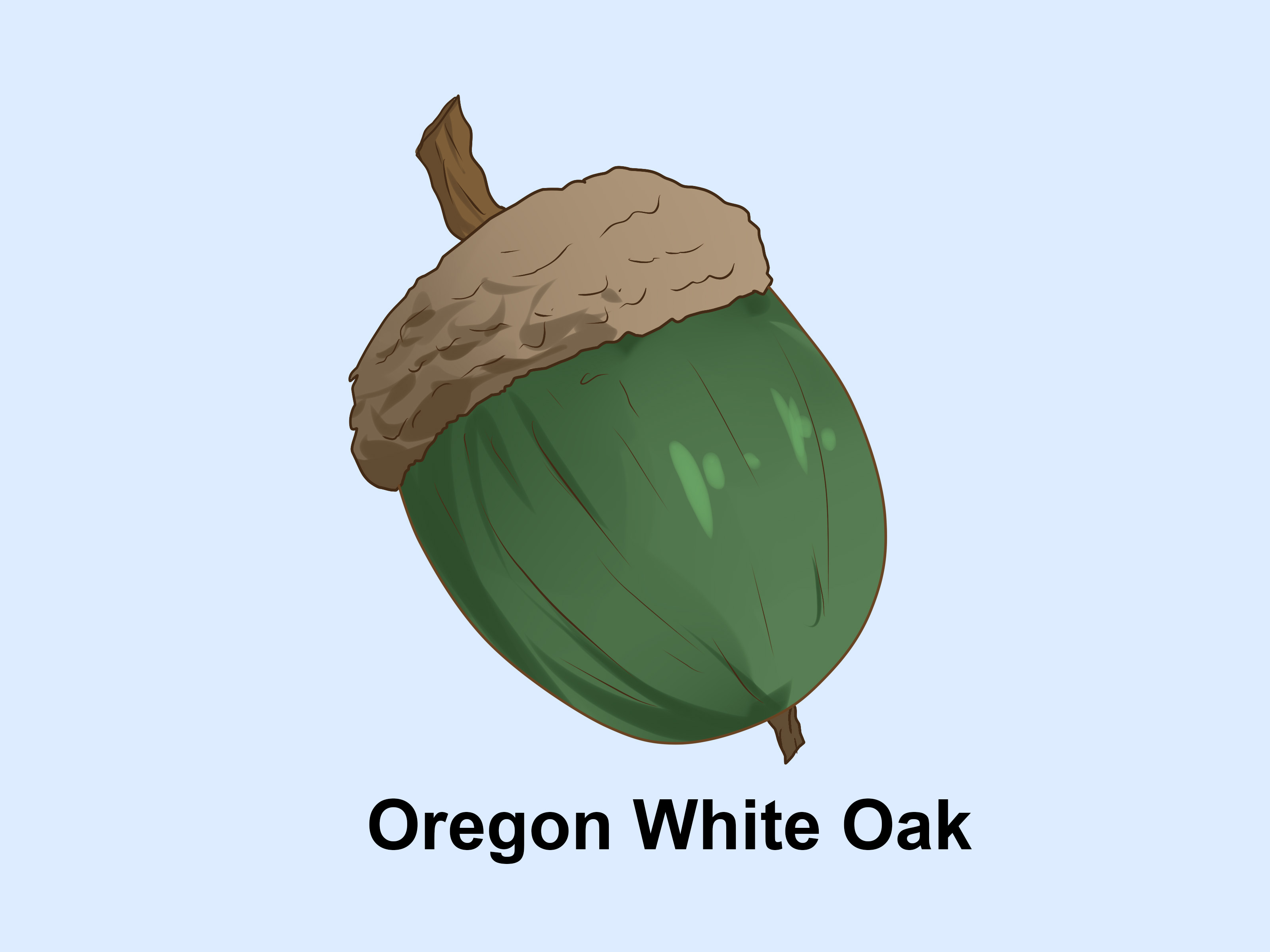

Oak identification can feel like nature’s version of detective work. You find a handsome brown acorn, turn it over in your hand, and confidently announce, “Oak!” Excellent work, Sherlockbut which oak?
North America is home to many oak species, and their acorns vary in size, shape, color, cap texture, stalk length, and maturation schedule. Some resemble tiny footballs. Others look nearly round. A few wear shallow berets, while bur oak acorns appear to have borrowed shaggy winter hats. Learning how to identify oaks by their acorns begins with noticing these details and then confirming them against leaves, bark, twigs, habitat, and geographic range.
An acorn can narrow the possibilities dramatically, but it should not be treated as a botanical fingerprint. Oaks hybridize, individual trees vary, and wildlife may carry acorns away from the parent tree. The most dependable identification comes from combining several clues rather than betting everything on one unusually plump nut.
What You Need Before Identifying an Oak Acorn
Bring a ruler, a phone or camera, a small notebook, and several paper bags if you plan to collect samples. A hand lens is useful for examining cap scales, fine hairs, and the attachment scar where the cap separated from the nut. Paper bags are better than sealed plastic because damp acorns can become moldy surprisingly quickly.
Whenever possible, collect several acorns directly beneath one tree and photograph the branches, leaves, bark, and surrounding site. One acorn can be abnormal. Five or six acorns reveal the tree’s usual pattern.
How to Identify Oaks by the Acorns in 13 Steps
Step 1: Confirm That the Nut Is Really an Acorn
A true acorn is the fruit of an oak in the genus Quercus. It consists of a single nut that develops partly inside a cup-shaped structure called a cupule. That cap may be shallow, deep, smooth, scaly, warty, fringed, or almost enclosing the nut.
Do not confuse an acorn with a chestnut, hickory nut, hazelnut, or buckeye. Chestnuts develop inside prickly burs, hickory nuts have husks that split into sections, and buckeyes have smooth or lightly prickled outer coverings. Oaks also provide supporting clues: their leaves grow alternately along twigs, and their twig tips usually display clusters of buds.
Step 2: Find the Parent Tree
Before studying the acorn, look up. An acorn found directly beneath an oak is more useful than one discovered beside a sidewalk, creek, bird feeder, or squirrel hangout. Animals, lawn equipment, stormwater, and enthusiastic children can relocate acorns farther than expected.
Look for a tree with matching acorns still attached to its branches or resting within the drip line of its canopy. Photograph how the fruit grows. Is it solitary, paired, clustered, tightly attached to a twig, or dangling from a noticeable stalk? These details may eliminate several otherwise similar species.
Step 3: Determine Whether It Belongs to the White Oak or Red Oak Group
Most familiar North American oaks can first be divided into the white oak group and the red oak group. This division gives you a far more manageable starting point.
Acorns in the white oak group generally mature during one growing season. Their leaves usually have rounded lobes or teeth without bristle tips. White oak group acorns often germinate soon after falling in autumn.
Acorns in the red oak group generally require two growing seasons to mature and commonly germinate the following spring. Their leaves typically have pointed lobes or teeth ending in small bristles. Checking the leaves is often the fastest way to confirm which group you are examining.
Step 4: Measure the Acorn Accurately
Measure the nut from the base, where it fits into the cap, to the tip. Then measure its width at the broadest point. Record whether your measurement includes the cap.
Size is helpful but rarely decisive by itself. Pin oak acorns may be only about one-quarter to one-half inch long, while bur oak acorns can reach approximately 1.5 inches. White oak acorns are commonly around three-quarters to one inch long, although local conditions and individual genetics can produce larger or smaller specimens.
Compare several mature acorns from the same tree. An immature nut, insect-damaged specimen, or unusually small fruit can send your identification adventure directly into the botanical weeds.
Step 5: Study the Overall Shape
Describe the acorn using familiar shapes. Is it round, oval, egg-shaped, cylindrical, barrel-shaped, or tapered like a miniature football?
Live oak acorns are often elongated and football-like. Shumard oak produces relatively large, egg-shaped acorns. Southern red oak acorns are smaller and more rounded, while white oak acorns tend to be oblong. Pin oak acorns are small and nearly round. These comparisons are especially useful after geographic range has reduced the list of likely species.
Pay attention to the tip, too. It may be blunt, sharply pointed, rounded, or tipped with a tiny tuft or projection. Water oak acorns, for example, may show a noticeable point or fine hairs at the apex.
Step 6: Examine How Much of the Nut the Cap Covers
The depth of the acorn cap is one of the strongest identification clues. Estimate whether it covers one-quarter, one-third, one-half, two-thirds, or almost all of the nut.
A typical white oak cap is shallow and often covers roughly one-quarter to one-third of the acorn. Pin oak also has a shallow, thin cap. Post oak caps are deeper, commonly covering about one-third to one-half of the nut. Bur oak cups may cover one-half to three-quarters of the acorn, while the appropriately named overcup oak hides two-thirds to nearly the entire nut.
If the acorn appears almost swallowed by a thick cup, overcup oak should be high on your list. If the cup is dramatically fringed, bur oak is the more likely suspect.
Step 7: Inspect the Cap’s Surface and Edge
Now examine the cap as closely as possible. Oak cupules are built from overlapping scales, but those scales can look very different among species.
White oak commonly has a thick, lumpy or warty cap with light tan or gray scales. Bur oak has a coarse, shaggy fringe around the rim, giving it the alternate name mossycup oak. Overcup oak has a deep, warty cup but generally lacks the long, dramatic fringe of bur oak. Water oak caps may appear flat, thin, and finely scaled.
Run a fingertip gently over the cap. Is it smooth, tightly scaled, rough, fuzzy, or bristly? A close photograph taken in bright, indirect light can reveal details that disappear when the acorn is viewed at arm’s length.
Step 8: Look at the Acorn’s Color and Surface
Mature acorns may be pale tan, chestnut brown, reddish brown, orange-brown, or so dark that they appear almost black. Color can support an identification, but it changes with maturity, moisture, weathering, and time on the ground.
Live oak acorns are often dark reddish brown. Southern red oak acorns may be orange-brown. Willow oak acorns are commonly yellowish brown, while mature water oak acorns can range from light brown to nearly black. White oak acorns usually mature to a lighter brown.
Also check the texture. A fresh acorn is often smooth and slightly glossy. Fine hairs, ridges, dark stripes, cracking, or a persistent bloom on the surface may provide additional clues. Do not rely on color alone; an old acorn that spent three wet weeks beneath leaves may look nothing like its freshly fallen relatives.
Step 9: Check the Stalk and Attachment Pattern
Some acorns attach almost directly to the twig, while others grow on obvious stalks. Measure the stalk when it remains attached and note whether it holds one acorn or a cluster.
Swamp white oak is well known for acorns carried on relatively long stalks, often in pairs. English oak, which is planted in many American landscapes, may bear several elongated acorns along a stalk that can be several inches long. Chestnut oak acorns, by contrast, are usually stalkless or nearly so.
The attachment scar under a detached cap can also help. Compare its diameter with the width of the acorn and observe whether it is flat, raised, pale, or dark.
Step 10: Observe When the Acorns Mature and Fall
Timing helps distinguish oak groups and may separate similar species. White oak group acorns develop and mature within the same year. Red oak group acorns begin developing one year and finish during the next growing season.
On a red oak group tree, you may see tiny immature acorns on newer growth while mature acorns occupy older twigs. This two-crop arrangement is an excellent clue when visible. Annual production still varies, however. Oaks may produce a heavy mast crop one year and relatively few acorns the next.
Record the date when you collect your sample. “Brown acorn found sometime in fall” is less useful than “fresh acorns dropping in central Ohio on September 28.” Good identification loves specifics almost as much as squirrels love unattended bird feeders.
Step 11: Match the Acorn to Several Common Oak Species
Use the following quick comparisons as a starting point, not a final verdict:
- White oak: Oblong, light brown acorn with a shallow, thick, warty cap.
- Bur oak: Large acorn with a deep cup and a conspicuous shaggy fringe.
- Overcup oak: Roundish acorn enclosed almost completely by a deep, warty, unfringed cap.
- Post oak: Small oval acorn with a bowl-shaped cap covering roughly one-third to one-half of the nut.
- Chinkapin oak: Small to medium oval acorn with a thin bowl-shaped cap.
- Chestnut oak: Large acorn with a reddish-brown cup covering about one-third of the nut.
- Pin oak: Very small, round acorn with a thin, shallow cap.
- Willow oak: Small, rounded, yellowish-brown acorn with a cap covering about one-third.
- Southern red oak: Small orange-brown acorn with a relatively small cap.
- Water oak: Small, darkening acorn with a flat or saucer-like cap and a noticeable tip.
- Live oak: Elongated, football-shaped, dark reddish-brown acorn with a shallow cap.
Several species overlap in appearance, so a match based only on this list should be considered provisional.
Step 12: Confirm the Identification With Leaves, Bark, and Habitat
Once the acorn suggests two or three candidates, inspect the rest of the tree. Leaves are particularly useful. White oak has rounded, fingerlike lobes. Post oak leaves often resemble a cross because of their broad central lobes. Chinkapin and chestnut oaks have coarse teeth rather than the classic deeply lobed “oak leaf” shape. Pin oak leaves have deep, U-shaped sinuses and pointed, bristle-tipped lobes.
Bark provides another check. Northern red oak often develops broad ridges with shiny vertical markings sometimes compared with ski tracks. White oak bark is generally pale gray and broken into irregular scales or plates. Chestnut oak bark forms thick, rugged ridges.
Habitat matters as well. Overcup oak is strongly associated with floodplains and periodically flooded bottomlands. Chestnut oak frequently occupies dry, rocky slopes. Swamp white oak favors moist bottomlands, while bur oak tolerates environments ranging from fertile lowlands to dry uplands. A moisture-loving species is unlikely to be the best identification for a tree standing on an exposed desertlike ridgeunless somebody planted it there and has been faithfully dragging out a garden hose for years.
Step 13: Check Geographic Range and Use a Regional Key
Your final step is to ask whether the proposed species naturally occurs or is commonly planted in the area. Regional range is a powerful filter. An acorn that resembles several species may become much easier to identify once unlikely candidates are removed.
Use a state forestry guide, university extension key, botanical garden database, or herbarium resource. Compare mature acorns, caps, leaves, twigs, buds, bark, and habitat rather than searching for a single perfect photograph. Oaks can hybridize, and cultivated trees may occur beyond their native ranges, so unusual specimens sometimes require expert examination.
For a difficult tree, document it throughout the year. Photograph flowers and young leaves in spring, mature foliage in summer, fresh acorns in fall, and buds and bark in winter. By then, you will either have a confident identification or an impressive seasonal portrait of a tree that refuses to cooperate.
Common Mistakes When Identifying Oak Acorns
The most common mistake is identifying a species from one weathered acorn. Another is ignoring the cap, even though the cap is often more distinctive than the nut. Beginners also compare specimens with online photographs without checking whether the pictured species grows in their region.
Immature green acorns create additional confusion because they have not reached their final size, shape, or color. Insect-damaged acorns may be undersized or distorted. Oak hybrids can combine characteristics from both parents, producing specimens that do not match a field guide perfectly.
Finally, avoid tasting unidentified acorns. Oak acorns contain varying concentrations of tannins, and raw material can be intensely bitter or cause digestive discomfort. Green acorns and other oak tissues may also be harmful to livestock when consumed in large quantities.
Field Experience: What Identifying Oaks by Acorns Is Really Like
The First Acorn Is Usually the Least Helpful
During a first attempt at oak identification, it is tempting to pick up the nearest acorn and begin searching photographs. That approach often produces ten confident answers in five minutes, nine of which contradict one another. The better habit is to slow down and gather a representative sample.
Several acorns from the same tree may look remarkably different. One may be narrow, another round, and a third partly eaten by an acorn weevil. Once six or eight specimens are arranged together, the consistent features become obvious: perhaps every cap is shallow, every nut ends in a blunt tip, and most are approximately three-quarters of an inch long. The group tells the truth more clearly than the oddball specimen.
The Cap Often Solves the Mystery
In practical field identification, the cap frequently produces the breakthrough. A large nut alone might suggest white oak, chestnut oak, Shumard oak, or bur oak. A shaggy fringe immediately points toward bur oak. A nut nearly hidden inside a deep but unfringed cup strongly suggests overcup oak. A tiny round acorn with a paper-thin saucer cap moves the investigation toward pin oak or another small-fruited red oak.
It helps to photograph the cap from above, from the side, and from underneath after it separates. Side views show depth and fringe length. Top views reveal scale patterns. The underside preserves the attachment scar. These photographs are far more useful than a dramatic artistic shot of an acorn sitting in moss, although the moss shot is admittedly excellent social-media material.
Location Can Overrule a Photographic Match
One of the most useful field lessons is that a visually convincing match is not necessarily the correct one. An acorn may look similar to a species found hundreds of miles away. Checking local range maps and habitat usually prevents this mistake.
Imagine finding a nearly enclosed acorn beside a frequently flooded southern bottomland. Overcup oak fits both the fruit and the site. The same acorn found beneath a labeled specimen in an arboretum, however, could belong to a planted species from another region. Context does not replace morphology, but it changes how each clue should be weighted.
Leaves Save the Day When Acorns Tie
Acorns from related species can overlap enough to create a dead heat. That is when leaves, buds, and bark earn their keep. A small round acorn might belong to pin oak, willow oak, or another red oak group species. Deeply lobed leaves point toward pin oak, while narrow willowlike leaves make willow oak the obvious favorite.
Winter identification can be unexpectedly rewarding. Oaks typically carry clusters of buds at twig tips, and bud size, color, hairiness, and shape provide useful evidence. Bark becomes more helpful on mature trees, though young bark may look quite different. Returning to the same tree in multiple seasons turns identification from a guessing game into a documented investigation.
Confidence Comes From Agreement Among Clues
The goal is not to find one magical characteristic. Confidence grows when several independent clues agree. A large acorn, shaggy cup, rounded-lobed leaf, corky twig ridges, and Midwestern habitat collectively make a persuasive case for bur oak. A tiny round acorn, shallow cap, deeply cut bristle-tipped leaves, and low wet ground support pin oak.
That method also makes mistakes useful. When an identification fails, you can review which clue was overweighted. Perhaps the acorn had been carried from another tree. Perhaps the leaf came from a sapling growing beneath the canopy. Perhaps the tree was an ornamental planted beyond its native range. Every correction improves the next identification, and soon a walk through the neighborhood becomes less “trees everywhere” and more “that oak is wearing a suspiciously bur-like hat.”
Conclusion
Learning how to identify oak trees by acorns is a matter of building evidence. Begin with the acorn’s size and shape, but spend equal time examining cap depth, scale texture, fringe, color, stalk, attachment pattern, and maturation schedule. Then confirm the result with leaves, bark, buds, habitat, and geographic range.
Some species are wonderfully cooperative. Bur oak practically introduces itself with its shaggy cup, and overcup oak hides beneath a cap that appears several sizes too large. Other oaks demand patience and multiple seasonal observations. That challenge is part of the fun. Once you begin noticing acorn details, the forest floor stops looking like a pile of anonymous brown nuts and starts reading like a collection of tiny botanical name tags.