
If you have a septic system, you already know it has one job: quietly handle your household wastewater without throwing a tantrum in the yard. And when people start searching for ways to increase bacteria in a septic tank naturally, what they usually mean is this: How do I keep my tank healthy, active, and not one bad flush away from disaster?
Here’s the good news: your septic tank is not a sourdough starter that needs constant feeding, pep talks, or mystery powders from the hardware aisle. In most homes, the bacteria needed to break down waste arrive naturally in the wastewater itself. So the real secret is not forcing more bacteria into the system. It is creating the kind of environment where beneficial bacteria can thrive without getting drowned, poisoned, or buried under a mountain of grease and “flushable” lies.
This guide breaks down how septic bacteria work, what naturally supports them, what hurts them, and which habits actually make a difference. If you want a septic tank that works hard without acting dramatic, you are in the right place.
How Septic Tank Bacteria Actually Work
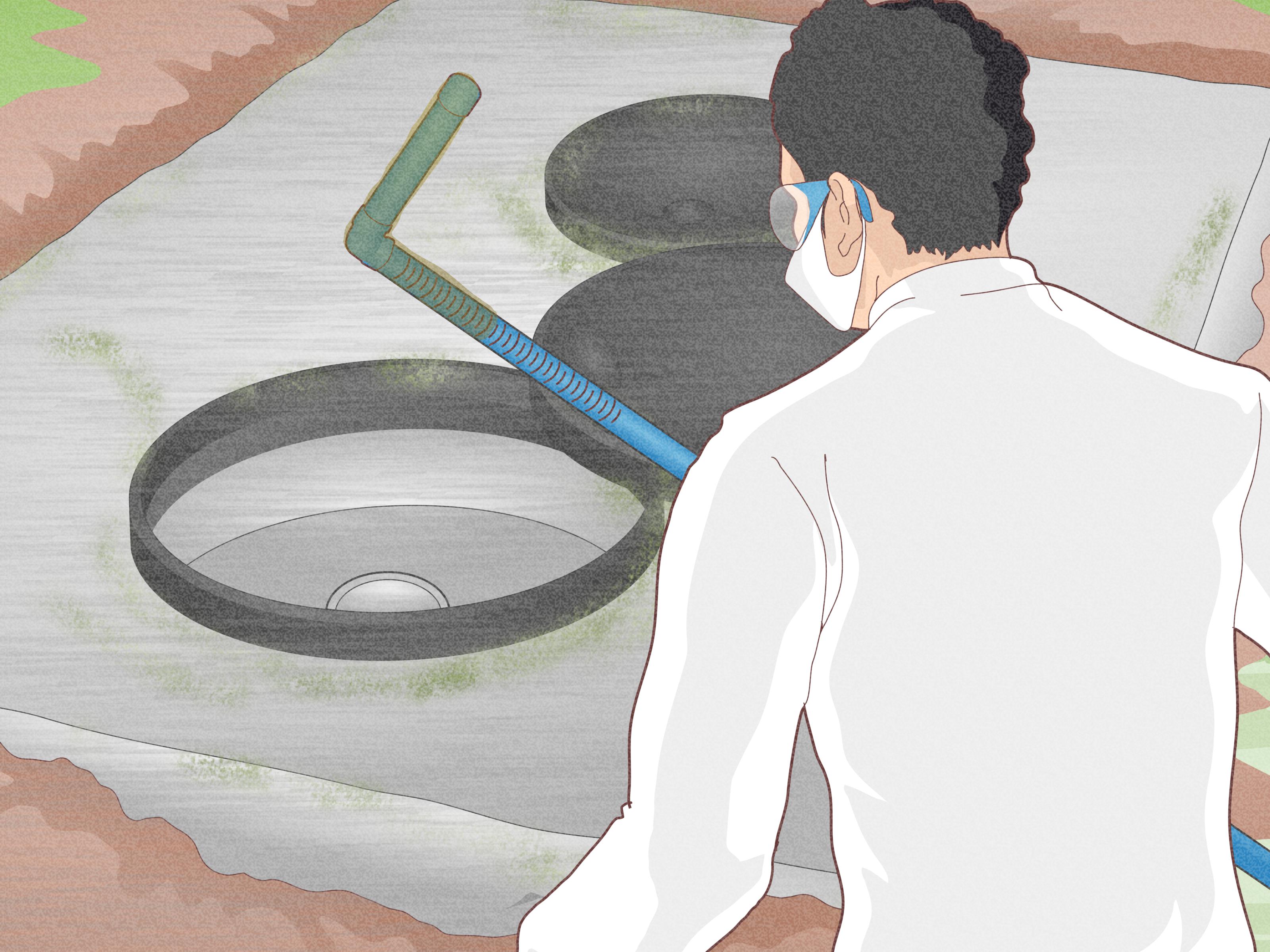
A septic tank is a living treatment system. When wastewater leaves your home, it flows into the tank, where solids settle to the bottom as sludge, oils and grease float to the top as scum, and the liquid layer in between moves on to the drain field. Inside that tank, naturally occurring bacteria get to work breaking down part of the organic waste.
Some of those microbes are anaerobic bacteria, which thrive without oxygen. In the drain field and surrounding soil, other microorganisms continue treatment as water filters through the ground. It is a team effort, and like most teams, it works best when nobody is sabotaging the break room.
That means the health of your septic bacteria depends on three big things: what goes into the tank, how much water rushes through it, and whether routine maintenance is being ignored like an email marked “important” on a Friday afternoon.
Can You Really Increase Bacteria in a Septic Tank Naturally?
Yes, but maybe not in the way product labels want you to believe. The most natural way to increase bacteria in your septic tank is to support the bacteria that are already supposed to be there. In a normal household septic system, wastewater continuously brings in organic material and microbes. If the environment inside the tank stays stable, that bacterial population tends to replenish itself.
So instead of asking, “What can I pour in to create more bacteria?” the better question is, “What should I stop doing so I do not wipe out the bacteria I already have?”
That shift in thinking matters. It saves money, reduces the temptation to use gimmicky additives, and focuses attention on the real maintenance habits that keep a septic system functioning for years.
10 Natural Ways to Support More Beneficial Bacteria in Your Septic Tank
1. Let Normal Household Waste Do Its Job
The most natural bacterial booster is simply normal use of the system. Human waste and everyday wastewater already introduce the microorganisms needed for digestion. In other words, your tank is not empty of life unless something has seriously disrupted it.
That is why most healthy systems do not need “starter bacteria” every month. If your household is using the plumbing normally and the system is not being overloaded or chemically shocked, bacteria usually repopulate on their own.
2. Stop Nuking the Tank with Harsh Chemicals
If you want more bacteria in your septic tank naturally, the first step is to stop declaring chemical war on them. Heavy use of disinfectants, bleach, antibacterial cleaners, drain openers, solvents, paint thinners, pesticides, and petroleum products can reduce microbial activity and upset the balance inside the system.
This does not mean you must ban cleaning your house. It means using cleaning products wisely. Use only the amount needed, avoid dumping leftover chemicals down the drain, and choose gentler products when possible. Mild soap-and-water cleaning, smaller amounts of bleach, and less aggressive cleaning routines are generally much kinder to septic bacteria than constant heavy-duty chemical use.
Your toilet is not a chemistry lab disposal unit. If the label sounds like it belongs in a hazmat cabinet, it probably does not belong in your septic tank.
3. Go Easy on Antibacterial Products
Antibacterial soaps, sanitizing cleaners, and certain disinfecting products are great when you need to target germs on a surface. They are not so great when overused in a system that depends on bacteria to function. The irony is almost poetic: the same products that help sanitize your home can also make your septic microbes clock out early.
Use antibacterial products strategically rather than constantly. Everyday handwashing with plain soap and water is often enough for routine household use. Reserve stronger sanitizing products for situations that truly call for them, instead of treating every countertop like it just came back from a zombie convention.
4. Use Water Efficiently So Bacteria Have Time to Work
Bacteria need time. If too much water enters the system too fast, solids do not settle properly, treatment time shrinks, and partially treated waste can move toward the drain field before the tank has done its job.
That is why water conservation is not just about saving on utilities. It directly supports septic performance. Repair dripping faucets, fix running toilets, install water-efficient fixtures, and avoid marathon water-use days that send your system into hydraulic panic.
Less excess water means better settling, better digestion, and a more stable environment for the bacterial community inside the tank.
5. Spread Out Laundry Loads
This deserves its own heading because it is one of the most practical septic habits homeowners can adopt. Washing six loads of laundry in one day can flood a system with water faster than the tank and drain field can reasonably handle. Spacing laundry loads throughout the week helps the system recover between surges.
If you want to support bacteria naturally, think “steady and boring,” not “Saturday appliance Olympics.” A calm septic system is a happy septic system.
6. Keep Grease, Food Waste, and Garbage Disposal Use to a Minimum
More solids do not equal more healthy bacteria. They usually equal more sludge, faster buildup, and more frequent pumping. Grease, fats, oils, coffee grounds, food scraps, and heavy garbage disposal use can all stress the system.
Garbage disposals are especially tough on septic tanks because they add extra organic solids that do not disappear just because they are finely chopped. They can increase pumping frequency and make it harder for bacteria to keep up.
Scrape plates into the trash or compost when appropriate, collect grease in a container instead of rinsing it down the sink, and treat the garbage disposal like a backup tool, not a lifestyle.
7. Flush Only the Septic-Safe Basics
One of the best ways to support a thriving bacterial environment is to stop sending junk into the tank. Flush human waste and toilet paper. That is the VIP list. Everything else should assume it did not make the cut.
Avoid flushing wipes, paper towels, diapers, feminine hygiene products, cigarette butts, cat litter, floss, condoms, cotton swabs, and anything marketed as “flushable” but suspiciously similar to fabric. These items do not improve bacteria levels. They simply create clogs, add solids, and make the tank work harder for no good reason.
8. Stay Current on Pumping and Inspections
This may sound backward. People sometimes assume pumping removes bacteria, so they delay it in the name of “keeping the tank active.” Unfortunately, that is how active tanks become expensive failures.
Pumping removes accumulated sludge and scum that bacteria cannot fully break down on their own. When too much solid material builds up, the tank loses treatment capacity and solids can move into the drain field, where repairs get costly fast. Routine inspections and pumping keep the system operating in a range where bacteria can actually do their job.
For many homes, septic tanks should be inspected every one to three years and pumped every three to five years, though timing depends on tank size, household size, water use, and whether a garbage disposal is used. Think of pumping as supportive maintenance, not microbial betrayal.
9. Protect the Drain Field, Too
Supporting septic bacteria is not just about the tank. The drain field and surrounding soil are part of the treatment process. If that area gets compacted by vehicles, drowned by runoff, or invaded by aggressive roots, the whole system suffers.
Do not drive or park over the drain field. Keep roofs, downspouts, and surface water from dumping onto it. Avoid planting deep-rooted trees and shrubs nearby. A well-functioning drain field gives the entire system a better chance to treat wastewater effectively.
Basically, if your drain field looks like a parking lot, the bacteria are not the only ones having a bad day.
10. Be Smart During High-Chemical or High-Medication Periods
Some households go through stretches where septic bacteria may face extra stress. Examples include prolonged antibiotic use, chemotherapy medications, or unusually heavy use of disinfectants during illness or cleanup. That does not mean your system is doomed. It just means you should be extra thoughtful.
During those periods, minimize unnecessary chemicals, spread out water use, stay strict about what gets flushed, and consider talking to a local septic professional if you notice slow drains, odors, or backups. Natural recovery is often possible when the system is otherwise sound and daily use returns to normal.
What You Should Not Add to “Boost” Septic Bacteria
When homeowners worry about weak bacterial activity, they are often tempted by home remedies and miracle additives. Yeast packets, raw meat, dead animals, sugar, compost tea, mysterious blue liquids, or monthly enzyme cocktails all get suggested somewhere on the internet. The problem is that septic systems are not hobby projects. They are engineered wastewater systems.
In most cases, commercial additives are unnecessary, and some chemical additives may even be harmful. Even “biological” products are not a substitute for pumping, inspection, or good household habits. If a septic system is failing because of clogging, hydraulic overload, physical damage, or drain field problems, dumping a product into the toilet is not a real fix. It is just optimism in liquid form.
If you truly suspect a bacterial imbalance due to unusual circumstances, it is smarter to correct the underlying cause first. Stop harsh inputs. Reduce excess water. Improve everyday habits. Then have the system evaluated if symptoms continue.
Signs Your Septic System Needs More Than a Natural Reset
Sometimes the issue is not “not enough bacteria.” Sometimes the issue is that the system needs service. Watch for warning signs such as slow drains throughout the house, sewage odors indoors or outside, standing water near the drain field, lush bright green grass over one area of the yard, gurgling plumbing, or wastewater backup.
Those symptoms can point to a full tank, a clogged filter, drain field trouble, plumbing issues, or system overload. Beneficial bacteria matter, but they cannot heroically digest their way out of every mechanical or structural problem.
The Best Natural Septic Routine for Homeowners
If you want a simple formula, here it is: flush the basics, limit chemicals, conserve water, spread out laundry, avoid overfeeding the tank with food waste, and schedule inspections and pumping before disaster sends an invitation.
That routine will do more to naturally support septic tank bacteria than nearly any additive on the shelf. It also helps protect your drain field, lower the odds of backups, and extend the life of the entire system.
In short, the healthiest septic tank is usually the one that is treated like a quiet, hardworking biological system instead of a garbage can with plumbing.
Experience-Based Insights: What Homeowners Often Notice When They Support Septic Bacteria Naturally
Homeowners who improve septic habits often describe the same pattern. At first, nothing seems dramatic. There is no movie montage. No orchestral music plays while the tank suddenly “comes alive.” But over the next several weeks, the system usually feels more stable. Drains may run more consistently, minor odors may fade, and the household stops feeling like one extra shower could trigger a domestic plumbing crisis.
One common experience is the realization that water use was the real villain all along. Families often assume the issue is a lack of bacteria, then discover the bigger problem was doing four loads of laundry, running the dishwasher twice, and hosting long showers all in the same evening. Once they spread those habits out, the system becomes less touchy. It is not magic. It is retention time finally getting a chance to exist.
Another frequent experience is learning how much damage “small” cleaning habits can do over time. People who switch from constant heavy disinfectants to more moderate cleaning routines often feel more confident about the long-term health of the system. The house is still clean, nobody has joined a medieval hygiene festival, and the septic tank is no longer taking chemical body blows every day.
Homeowners also notice how much solids matter. After cutting back on grease down the drain, using the trash instead of the toilet for wipes and hygiene products, and treating the garbage disposal with a little respect, many people say the whole system feels less sluggish. That makes sense. The tank is processing the waste it was designed for instead of being asked to swallow modern convenience culture.
Then there is the humbling experience of finally getting the tank inspected. Plenty of people put it off because the system “seems fine,” right up until a professional explains that the sludge level is far too high and the tank is basically one bad weekend away from sending sewage where sewage should never go. After pumping and maintenance, many homeowners say the system works better not because the bacteria were replaced with something special, but because the tank finally had proper space to function again.
Perhaps the biggest mindset shift is this: a healthy septic system rarely rewards drama. It rewards boring consistency. The households that tend to have the best long-term outcomes are not doing weird kitchen chemistry experiments. They are fixing leaks, protecting the drain field, using common sense with cleaners, and remembering that “flushable” packaging is sometimes written by people who do not have to pay for septic repairs.
That is the real experience behind natural septic care. It is not glamorous, but it is effective. And honestly, in the world of wastewater, “boring and effective” is exactly the kind of romance most homeowners are looking for.
Conclusion
If you want to increase bacteria in your septic tank naturally, the smartest approach is to stop chasing shortcuts and start protecting the biology already built into the system. Septic tanks naturally develop beneficial bacteria through normal household wastewater. What helps those bacteria most is a stable environment: fewer harsh chemicals, less water overload, fewer unnecessary solids, and routine maintenance that keeps the tank and drain field working as designed.
That means the natural strategy is not about dumping in more products. It is about better septic habits. Use your plumbing responsibly, respect the limits of the system, and keep up with inspections and pumping. Do that consistently, and your septic bacteria will have a much better chance to do what they were hired to do in the first place.