
Taking a cat for a car ride can feel less like transportation and more like negotiating with a tiny, furry hostage-taker. The carrier appears, the cat vanishes under the bed, and suddenlyDespite the drama, safe car travel with a cat is achievable. The key is to prepare before departure, use a secure carrier, reduce stress, control the vehicle environment, and plan for emergencies. A loose cat can distract the driver, crawl near the pedals, escape through an open door, or be seriously injured during a sudden stop. For both feline and human passengers, proper restraint is essential. her you are driving five minutes to the veterinarian or moving across several states, the following 12 steps will help you keep your cat safe, calm, and reasonably unimpressed by the entire adventure.
12 Steps for Safe Car Travel With a Cat
Step 1: Decide Whether Your Cat Really Needs to Travel
Before organizing a feline road trip, ask whether bringing your cat is necessary. Many cats prefer familiar territory, predictable meals, and a couch that does not move at 65 miles per hour. For vacations, a trusted pet sitter may be less stressful than several days on the road.
Travel may be unavoidable for veterinary care, relocation, evacuation, or an extended stay. When that is the case, begin planning early. Consider the length of the trip, your cat’s age, health, temperament, medication needs, and history of motion sickness. Senior cats, kittens, and cats with heart, respiratory, kidney, or mobility problems may require additional veterinary guidance.
Schedule a checkup before a long journey, especially when crossing state or international borders. Your veterinarian can confirm that vaccinations are current, refill prescriptions, provide health documents, and evaluate whether your cat is physically ready to travel. The CDC also recommends researching health and entry requirements before traveling with pets. p 2: Choose a Strong, Properly Sized Carrier
A safe cat carrier should be sturdy, well ventilated, escape-resistant, and large enough for your cat to stand, turn around, sit, and lie down naturally. Bigger is not always safer. An oversized carrier can allow a cat to be tossed farther during abrupt braking, while a carrier that is too small creates discomfort and overheating.
For routine car travel, a hard-sided carrier with secure fasteners is often a practical choice. Models with both front and top openings make it easier to load a reluctant cat and allow veterinary staff to examine some cats without pulling them through a narrow doorway. Check every latch, zipper, screw, and connection point before departure.
Do not assume that a product described as “travel safe” has passed meaningful crash testing. The Center for Pet Safety independently evaluates some carriers and publishes certified products and test results. Look for clear testing information rather than relying entirely on cheerful packaging featuring a cat that has apparently never objected to anything. p 3: Make the Carrier Part of Everyday Life
If the carrier appears only before vaccinations, your cat may view it as a plastic announcement of betrayal. Leave it open in a familiar room for days or weeks before travel. Add comfortable bedding, toys, treats, or an item carrying your scent.
Feed meals near the carrier, then gradually move the food inside. Reward voluntary exploration without forcing the cat to enter. Once your cat is comfortable, briefly close the door, reopen it, and provide a reward. Extend the closed-door time gradually.
Carrier acclimation uses positive associations to reduce fear. Veterinary organizations recommend making the carrier a normal resting place instead of storing it in a closet until the last possible minute. Older cats can learn too, although they may require additional patience and better treatsbecause experience has taught them to read the fine print. p 4: Practice With Short, Positive Car Sessions
Do not make your cat’s first carrier-training session a six-hour interstate drive. Start by carrying the secured cat to a parked car. Sit quietly for several minutes without starting the engine. On another day, start the engine but remain parked. Progress to backing out of the driveway, circling the block, and taking a short drive.
End each session calmly and provide a favorite reward at home. If your cat becomes intensely distressed, return to an easier stage rather than pushing forward. Gradual exposure may take days or weeks, but it can reduce frantic vocalizing, drooling, vomiting, and attempts to escape.
Short practice rides teach the cat that getting into the car does not always lead to a thermometer appearing in an undignified location. VCA and feline behavioral guidance recommend gradually introducing cats to the carrier, engine sounds, vehicle movement, and longer journeys. p 5: Add Identification Before Leaving Home
Even an indoor cat should have reliable identification during travel. Confirm that the microchip is registered and that your phone number and address are current. A breakaway collar with an identification tag may provide an additional way for someone to contact you, provided your cat safely tolerates wearing it.
Label the carrier with your name, mobile number, destination, veterinarian’s contact information, and an emergency contact. Carry a recent photograph showing your cat’s face and markings. Store copies of vaccination records, health documents, prescriptions, and microchip information on your phone and in a waterproof folder.
Microchips are especially useful only when their registration details are accurate. The CDC recommends microchipping pets, registering the chip, and keeping contact information updated so separated animals can be reunited with their families. p 6: Prepare the Carrier for Comfort and Accidents
Line the bottom with an absorbent pad, then add a thin blanket or towel that smells familiar. Bring spare pads, bedding, paper towels, waste bags, disposable gloves, and pet-safe cleaning supplies. Cats rarely schedule stomach trouble according to the owner’s preferred exit ramp.
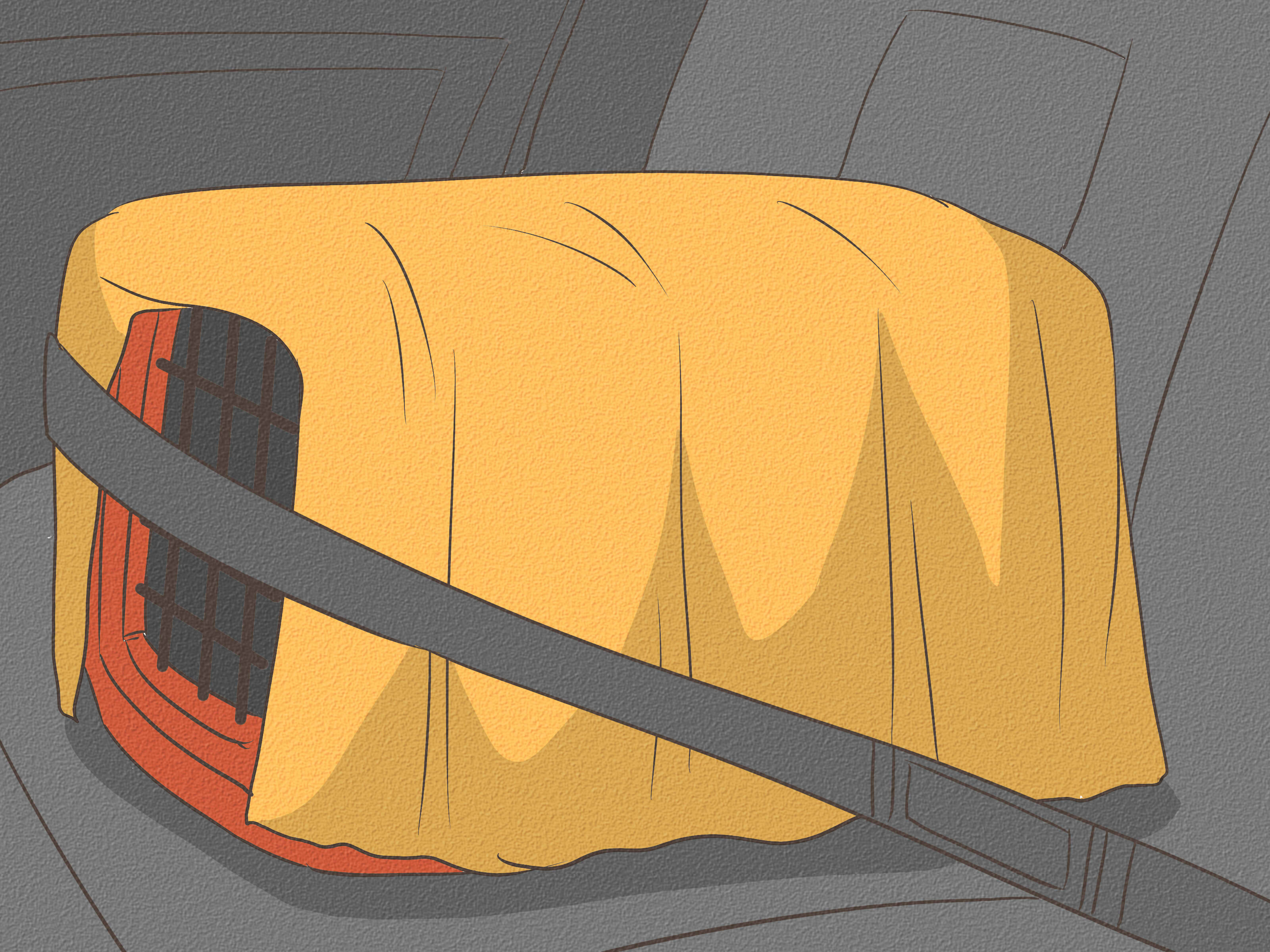
A light towel draped over part of the carrier can reduce visual stimulation and help some cats feel hidden. Never block ventilation, and check frequently for overheating. Keep the carrier dry and free from dangling toys, heavy bowls, or other objects that could strike the cat during sudden braking.
Some owners use feline pheromone spray on the bedding before loading the cat. Apply the product according to its instructions and allow it to dry before placing the cat inside. Familiar scents, partial visual cover, and stable handling can make transportation less stressful. p 7: Load Your Cat in a Closed, Secure Room
Place the carrier in a bathroom, bedroom, or other small room with the door closed before loading your cat. This prevents a frightened cat from racing through the house or escaping outdoors. Move slowly, remain calm, and avoid chasing.
If the carrier has a top opening, gently lower the cat inside while supporting the chest and hindquarters. With a front-opening carrier, you may be able to position it vertically and lower the cat rear feet first. Never lift a cat by the scruff alone, shove forcefully, or turn the process into a wrestling match worthy of pay-per-view television.
After closing the carrier, check every latch and zipper. Carry it with one hand supporting the bottom rather than swinging it only by the handle. Stable handling reduces tilting and makes the cat feel less as though the carrier has become an amusement-park ride. p 8: Secure the Carrier in the Safest Available Position
Never allow a cat to roam freely inside a moving car. A loose cat may climb onto the driver, crawl beneath the brake pedal, block visibility, or escape when someone opens a door. During a collision, an unrestrained animal can also become a projectile.
Follow the carrier manufacturer’s vehicle-installation instructions. Current feline transportation guidance commonly recommends placing an appropriate carrier on the floor behind the driver or front passenger seat, where surrounding structures may help limit movement. Some carriers are specifically designed to be secured with a seat belt or vehicle anchor system. Do not improvise a seat-belt route unless the manufacturer permits it.
Keep the carrier away from active airbags, including front-passenger airbags. Confirm that it cannot slide, tip, crush, or interfere with seat movement. The safest placement depends partly on the carrier design and vehicle, so product instructions matter. p 9: Control Temperature, Airflow, Sound, and Sunlight
Cool or warm the car before loading your cat. Maintain a comfortable cabin temperature and provide steady ventilation without directing a powerful air vent into the carrier. Use window shades when needed to limit direct sunlight.
Keep music low, drive smoothly, and avoid unnecessary horn use or sudden acceleration. Speak in a normal, relaxed voice. Loud reassurance delivered every seven seconds may convince your cat that something truly terrible is happening.
Never leave a cat alone in a parked vehicle, even with the windows cracked or the car in the shade. Vehicle interiors can become dangerously hot quickly, and unattended animals may also face theft, accidental escape, or mechanical failure of climate-control systems. The AVMA and American Red Cross advise never leaving pets in parked cars during warm conditions. p 10: Plan Food, Water, Litter, and Rest Stops
For a short drive, your cat may not need food, water, or a litter box inside the carrier. Feeding a large meal immediately before departure can contribute to nausea. Ask your veterinarian about an appropriate feeding schedule, particularly for kittens, diabetic cats, senior cats, or cats taking medication with food.
For longer trips, carry your cat’s regular food, bottled water from home, collapsible bowls, medication, and a compact litter setup. Sudden food changes can upset the digestive system, which is not a road-trip souvenir anyone wants.
Offer water during safe stops. Never open the carrier at a gas station, parking lot, or roadside area unless every vehicle door and window is fully closed. Ideally, use a locked hotel room, enclosed vehicle cabin, or another secure space. A harness may provide backup control, but it does not replace a closed carrier during driving.
Step 11: Ask a Veterinarian About Severe Anxiety or Motion Sickness
Signs of travel distress may include excessive vocalizing, panting, drooling, trembling, vomiting, urination, diarrhea, frantic scratching, or unusual withdrawal. Repeated severe reactions deserve veterinary attention rather than a strategy of turning up the radio.
Your veterinarian can look for medical contributors and recommend behavioral training, pheromone products, anti-nausea treatment, or prescription anxiety medication. The FDA has approved pregabalin oral solution for alleviating acute anxiety and fear associated with transportation and veterinary visits in cats. Other medications may be used based on an individual cat’s condition.
Never give human sedatives, leftover pet medication, essential oils, cannabis products, or over-the-counter remedies without veterinary approval. When medication is prescribed, ask whether a supervised trial dose should be given at home before travel so you can observe its effects. p 12: Use a Controlled Arrival and Emergency Plan
At your destination, close all doors and windows before opening the carrier. At a veterinary clinic, keep the cat contained until staff members direct you otherwise. If the waiting room is crowded or noisy, ask whether you can wait in the vehicle while maintaining safe climate control and staying with your cat.
For overnight stops, inspect the room before release. Block access behind appliances, inside reclining furniture, under unsecured cabinets, and through damaged window screens. Place the litter box, water, food, and hiding area before opening the carrier.
Carry an emergency kit containing records, medication, a recent photo, spare bedding, cleanup supplies, food, water, and contact details for veterinary hospitals along the route. Know where the nearest emergency clinic is before an urgent problem occurs. Preparation is far easier when nobody is panicking and the cat is not attempting to become one with the underside of a hotel bed.
Practical Experiences From Traveling With Cats
The Carrier Often Determines How the Trip Begins
One of the most common lessons learned by experienced cat owners is that travel day begins long before the engine starts. Bringing a dusty carrier out of storage ten minutes before departure practically guarantees suspicion. The cat notices the carrier, studies the owner’s suspiciously cheerful expression, and leaves the scene.
Owners often report better results when the carrier remains in a living room or bedroom as ordinary furniture. A blanket, occasional treats, and an open door can transform it from a veterinary transport device into a nap cave. This does not mean every cat will skip happily into it on command, but loading usually becomes quieter and less physically stressful.
Another helpful experience is practicing the entire sequence: enter the carrier, walk to the car, sit briefly, return home, and receive a reward. Cats learn patterns quickly. When every carrier trip ends at the veterinarian, they predict trouble. When some trips end with chicken and a nap, the carrier becomes less reliable as an omen of doom.
Where the Carrier Sits Makes a Noticeable Difference
A carrier sliding across a leather seat can frighten even a relatively calm traveler. Owners sometimes focus on soft bedding while overlooking stability. In practice, a firmly positioned carrier often matters more than adding a mountain of pillows.
Before departure, push and pull the secured carrier from several directions. If it tips or slides during this driveway test, it may move dramatically during hard braking. Follow the manufacturer’s instructions, reposition it, or choose a safer model. Do not balance the carrier on luggage or wedge it beside objects that could fall.
Covering part of the carrier also helps many cats, but the result varies. One cat may relax when visual stimulation is reduced; another may prefer to see the owner. Begin with partial coverage, monitor breathing and behavior, and adjust without blocking airflow.
Vocalizing Does Not Always Mean the Cat Should Be Released
A loudly protesting cat can make a 15-minute drive feel longer than a cross-country expedition. The natural impulse is to open the carrier, offer physical comfort, or let the cat sit on a passenger’s lap. That decision creates new risks.
Once loose, a frightened cat may hide under a seat, jump toward a window, interfere with the driver, or refuse to return to the carrier. The safer response is to keep driving calmly or pull into a secure location when observation is necessary. Check temperature, airflow, posture, and signs of illness without opening the carrier in an exposed area.
Owners also learn to distinguish ordinary complaints from genuine medical distress. Persistent open-mouth breathing, collapse, repeated vomiting, pale or bluish gums, extreme weakness, or unresponsiveness requires urgent veterinary help. A cat composing an angry opera is different from a cat struggling to breathe.
Long Trips Are Easier When Supplies Are Organized
During a long move, essential cat supplies should remain inside the passenger cabin rather than disappearing beneath suitcases. A small travel bag can hold medical records, medication, food, bottled water, bowls, waste bags, towels, absorbent pads, and cleaning materials.
Carry more pads and bedding than you think you will need. One accident can use several supplies, especially when the first replacement pad is installed backward during an emotional roadside cleanup. Pack extras in resealable bags and keep soiled materials separate.
Hotel arrival deserves the same care as departure. Bring the carrier inside before opening it. Inspect the room, place a sign on the door, and tell companions that the cat is loose. A tired traveler opening a hallway door for ice can unintentionally create a midnight search operation.
Calm Preparation Usually Beats Last-Minute Bravery
The most valuable travel experience is simple: do not rely on improvisation. A calm trip usually comes from weeks of carrier familiarity, several practice rides, a reliable restraint system, veterinary advice when needed, and an owner who is not rushing.
Your cat may never enjoy car travel. Success does not require a feline copilot wearing sunglasses and admiring the scenery. A successful trip is one in which the cat remains contained, physically safe, medically stable, and able to recover comfortably after arrival.
Conclusion
Learning how to keep a cat safe in the car begins with one nonnegotiable rule: keep the cat inside a secure, correctly positioned carrier whenever the vehicle is moving. Carrier training, identification, temperature control, gentle driving, planned rest stops, and veterinary support can make the journey safer and less stressful.
Prepare before travel day, test your equipment, and treat the carrier as part of normal life. Your cat may still file a formal complaint from the back seat, but at least the complaint will be delivered from a protected location.
Note: This article provides general educational information. Ask your veterinarian for individualized advice about feeding, medical conditions, motion sickness, anxiety, or medication before traveling with your cat.