
Boston ivy is the vine that makes brick walls look like they graduated from an Ivy League school, even if the wall is really just hiding your recycling bins. Known botanically as Parthenocissus tricuspidata, Boston ivy is a fast-growing, deciduous, woody vine famous for glossy green summer leaves, dramatic red-orange fall color, and an impressive ability to cling to masonry without needing a complicated support system.
If you want a plant that can cover a wall, soften a fence, shade a hot surface, or add old-world charm to a garden, Boston ivy is a strong candidate. But it is not a “plant it and forget it forever” vine. More accurately, it is a “plant it, admire it, then prune it before it starts exploring your gutters” vine. With the right site, soil, watering routine, and maintenance plan, Boston ivy can be one of the most rewarding climbing plants in the landscape.
What Is Boston Ivy?
Boston ivy is a deciduous climbing vine in the grape family, not a true ivy like English ivy. That distinction matters because Boston ivy behaves differently. It climbs by using short tendrils tipped with adhesive disks, which act like tiny botanical suction cups. These disks help the vine grip brick, stone, and other hard surfaces.
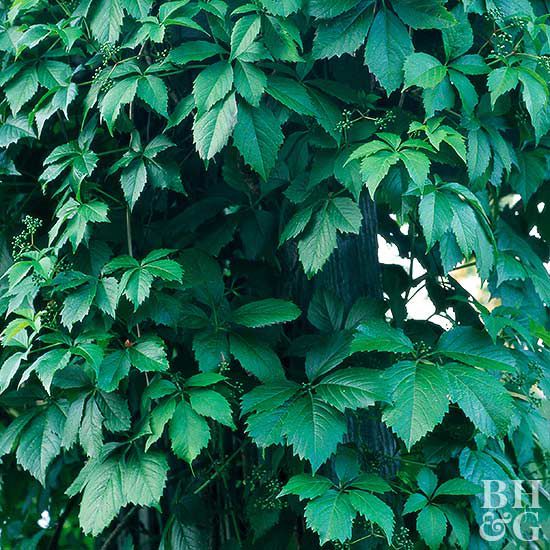
The leaves are usually three-lobed and glossy green during the growing season. In spring, new growth may appear bronze or reddish before maturing to green. In fall, the leaves often turn shades of scarlet, crimson, orange, burgundy, or purple. Small greenish-white flowers appear in late spring or early summer, but they are usually hidden by foliage. After flowering, bluish-black berries may develop and attract birds.
Why Grow Boston Ivy?
Boston ivy is popular because it delivers a lot of visual impact with relatively little fuss. It can make a plain wall look intentional, transform a fence into a living backdrop, and add seasonal interest from spring through fall. In urban gardens, it is valued for its tolerance of city conditions, including pollution, wind, and a range of soil types.
Best Uses in the Landscape
Boston ivy works well for covering large masonry walls, brick buildings, stone retaining walls, sturdy fences, arbors, and slopes where erosion control is helpful. It can also be used to disguise an unattractive stump, old structure, or bare vertical surface. However, it should be given room to grow. This is not the vine to squeeze into a tiny corner and politely ask to stay there. Boston ivy is ambitious.
When Boston Ivy Is Not the Best Choice
Avoid planting Boston ivy on wood siding, painted surfaces, shingles, weak mortar, loose brick, or structures with fragile trim. The adhesive disks can be difficult to remove, and the vine can creep into cracks, under shingles, or around gutters, shutters, and wiring. If your house already has moisture problems or crumbling masonry, fix those issues before inviting a vigorous vine to the party.
Best Growing Conditions for Boston Ivy
Boston ivy is adaptable, but good growing conditions make a big difference in how full, colorful, and manageable the plant becomes.
Light
Boston ivy grows in full sun, part shade, and even shade. For the best fall color, plant it where it receives plenty of sunlight. In hot regions, especially warmer USDA zones, an east-facing or north-facing wall can protect the vine from harsh afternoon heat while still allowing strong growth. In deep shade, the vine may grow, but fall color can be less intense.
Soil
This vine tolerates many soil types, including average garden soil, rocky soil, and soil with different pH levels. Still, it performs best in well-drained soil. Consistently soggy soil can stress roots and invite disease. If your planting area holds water after rain, improve drainage before planting by loosening compacted soil and adding compost.
Water
New Boston ivy plants need regular watering while they establish roots. Once established, the vine is fairly drought tolerant, but it still appreciates water during long dry spells. A deep watering once a week during hot, dry weather is usually better than a quick daily sprinkle. The goal is to encourage deeper roots, not teach the plant to expect a spa treatment every morning.
Temperature and Hardiness
Boston ivy is generally hardy in a wide range of temperate climates. It is commonly grown in USDA Zones 4 through 8 or 9, depending on the cultivar and local conditions. In colder climates, it drops its leaves in fall and returns in spring. In warmer areas, it may behave as semi-evergreen.
How to Plant Boston Ivy
Planting Boston ivy is straightforward, but a few details will save you future headaches.
Step 1: Choose the Right Location
Pick a site with strong support and room for growth. Boston ivy can climb 30 to 50 feet or more when happy. A solid brick or stone wall, sturdy fence, or large arbor is ideal. Keep the vine away from trees, delicate shrubs, rooflines, gutters, and utility boxes. It can shade tree leaves and compete with other plants if allowed to roam freely.
Step 2: Prepare the Soil
Loosen the soil to a depth of about 12 inches. Mix in compost if the soil is heavy, sandy, or low in organic matter. Boston ivy does not require luxury soil, but good preparation helps young plants establish faster.
Step 3: Dig the Planting Hole
Dig a hole about twice as wide as the root ball and just as deep. Set the plant so the top of the root ball sits level with the surrounding soil. Avoid planting too deeply, which can lead to poor root health.
Step 4: Space Plants Properly
For quick coverage, space Boston ivy plants about 18 to 24 inches apart. For slower, more controlled coverage, space them 3 to 5 feet apart. If planting near a wall, set the root ball about 12 inches away from the structure so roots have space and water can reach them easily.
Step 5: Water and Mulch
Water deeply after planting. Add a 2-inch layer of mulch around the base to conserve moisture and reduce weeds, but keep mulch a few inches away from the stem. Mulch piled against stems can trap moisture and encourage rot.
How to Train Boston Ivy
Boston ivy usually begins attaching itself once young shoots reach a suitable surface. In the first year or two, you may need to guide stems toward the wall, fence, or structure. Use soft plant ties if necessary, but do not tie stems tightly. The goal is gentle encouragement, not a wrestling match.
Once the tendrils attach, the vine climbs on its own. Check young plants regularly to make sure shoots are heading in the right direction. Remove or redirect stems that aim toward windows, doors, gutters, vents, or nearby trees.
Boston Ivy Care Through the Seasons
Spring Care
Spring is the best time to inspect the vine after winter. Remove dead, damaged, or wayward stems before new growth becomes dense. Apply compost around the base if the soil needs a boost. If growth is weak, a balanced slow-release fertilizer can help, but avoid overfeeding. Too much fertilizer may create lots of leafy growth and even more pruning work.
Summer Care
During summer, monitor water needs, especially for young plants. Watch for shoots creeping toward architectural features. Trim lightly as needed to keep the vine neat. If leaves develop spots, avoid overhead watering and improve air circulation where possible.
Fall Care
Fall is Boston ivy’s grand performance. The foliage color can be spectacular, especially in sunny sites. After leaves drop, remove fallen diseased leaves if leaf spot has been a problem. Cleaning up leaf litter helps reduce disease pressure the following year.
Winter Care
In winter, the bare vines remain attached to the structure. This is a good time to inspect the framework of the plant and plan pruning. Do not yank attached vines from walls while they are alive; the adhesive disks can leave residue or damage surfaces. If removal is necessary, cut the vine at the base first, let it die and dry, then remove it more carefully.
How to Prune Boston Ivy
Pruning is the secret to growing Boston ivy without eventually muttering at it under your breath. This vine can grow vigorously, and annual pruning keeps it attractive, healthy, and out of places it should not go.
When to Prune
The best time for major pruning is late winter or early spring before new growth begins. Light trimming can also be done during the growing season to remove stray shoots.
What to Remove
Cut back stems growing over windows, doors, rooflines, gutters, vents, shutters, wires, or outdoor equipment. Remove dead or damaged stems and thin crowded areas to improve airflow. If the vine is growing beyond its assigned space, shorten long shoots back to a main stem or strong side branch.
How Much to Prune
Boston ivy responds well to pruning, but avoid removing the entire plant unless necessary. For routine maintenance, focus on shaping and containment. If a plant is badly overgrown, rejuvenate it gradually over more than one season.
Common Boston Ivy Problems
Leaf Spot
Boston ivy can develop fungal leaf spot, including Guignardia leaf spot. Symptoms often include round or angular dead spots with reddish-purple borders. The disease is usually more cosmetic than deadly, but severe infections can make foliage look ragged.
To reduce leaf spot, water at the base instead of wetting leaves, thin dense growth for better air circulation, and remove infected fallen leaves. If the problem is severe year after year, contact a local extension office for region-specific fungicide guidance.
Japanese Beetles
Japanese beetles may chew Boston ivy leaves in some areas. Small numbers can be handpicked into soapy water. For larger infestations, use integrated pest management strategies and avoid broad pesticide use that harms beneficial insects.
Overgrowth
The most common “problem” with Boston ivy is simply that it grows too well. It can cover windows, doors, fences, shrubs, and trees if ignored. Regular pruning is the best solution.
Poor Fall Color
If fall color is disappointing, the plant may be growing in too much shade. Boston ivy tolerates shade, but stronger sunlight usually produces better autumn color.
Can Boston Ivy Damage Walls?
Boston ivy can be safe on sound masonry, but it is not harmless in every situation. Its adhesive disks attach firmly to surfaces. On strong brick or stone, this can be fine. On painted, wooden, shingled, cracked, or deteriorating surfaces, it can cause problems or make maintenance difficult.
Before planting, inspect the wall. If mortar is crumbling, paint is peeling, or siding is vulnerable, choose another location. Also remember that the vine may trap moisture against surfaces in humid areas. Good wall condition and regular pruning are essential.
Best Boston Ivy Varieties
The straight species is widely grown, but several cultivars offer different leaf colors or growth habits.
‘Fenway Park’
‘Fenway Park’ is known for bright yellow to chartreuse foliage that turns red in fall. It is a showier choice for gardeners who want something more colorful than standard green foliage.
‘Lowii’
‘Lowii’ has smaller leaves and a slower growth habit, making it useful in tighter spaces where a full-throttle vine would be too much.
‘Green Showers’
‘Green Showers’ offers lime-green foliage and vigorous growth. It can brighten walls and fences during the growing season.
Boston Ivy vs. English Ivy vs. Poison Ivy
Boston ivy is often confused with other climbing plants. English ivy is a true ivy and evergreen in many climates, while Boston ivy is in the grape family and usually deciduous. Poison ivy has three leaflets and can cause allergic skin reactions, while Boston ivy may have three-lobed leaves or juvenile leaves that look somewhat similar. When in doubt, identify before touching. Garden confidence is great; mystery rashes are not.
Is Boston Ivy Right for Your Garden?
Boston ivy is a great choice if you have a sturdy structure, want fast coverage, and are willing to prune once or twice a year. It is especially useful for large walls, urban gardens, traditional landscapes, and spaces that need bold fall color.
It may not be right if you want a tiny, slow-growing vine, have fragile siding, or dislike regular maintenance. Boston ivy is beautiful, but it has opinions. Mostly, its opinion is, “I would like to grow over there too.”
Experience Notes: What Growing Boston Ivy Teaches You
One of the most useful experiences with Boston ivy is learning that the first year can feel underwhelming. A newly planted vine may spend its early months quietly building roots instead of racing up the wall. This is normal. Many gardeners expect instant coverage and then panic when the plant behaves more like a polite guest than a jungle creature. Give it consistent water, decent soil, and time. By the second or third season, Boston ivy often shifts from “Is this thing alive?” to “Should I cancel my weekend plans and prune?”
Another practical lesson is that placement matters more than enthusiasm. A gardener may see a gorgeous ivy-covered building and immediately want the same look on a small garage, porch post, or wooden shed. The better approach is to think like a future homeowner who has to maintain the structure. Boston ivy belongs on strong, durable surfaces with enough room for expansion. On a brick garden wall, it can look elegant. On peeling wood siding, it can become a maintenance bill wearing leaves.
Watering also teaches patience. Young Boston ivy appreciates steady moisture, but it does not want soggy soil. A deep soak encourages roots to move down into the soil, while shallow watering keeps roots near the surface. In real garden conditions, the best trick is to check the soil with your finger. If the top couple of inches are dry, water deeply. If the soil is still damp, wait. The plant will not reward nervous overwatering.
Pruning is where many growers develop a relationship with Boston ivy. At first, trimming feels harsh because the vine looks so lush. Then one day a shoot reaches a window screen, another heads for a gutter, and suddenly pruning feels less like cruelty and more like civic responsibility. The best habit is to walk the planting area every few weeks during active growth. Snip wandering stems early, before they become thick, attached, and emotionally committed to the wrong direction.
Fall is the payoff. When Boston ivy turns red, orange, and purple, it can make even a plain wall look designed. The color is usually best with more sun, so gardeners growing it in shade should expect a softer show. Still, even shaded plants can provide texture, cooling greenery, and seasonal charm.
The final experience is humility. Boston ivy is easy to grow, but not passive. It asks for the gardener’s attention in exchange for beauty. Give it a strong surface, guide it while young, water it well during establishment, and prune it with confidence. Do that, and Boston ivy can become one of those plants that makes visitors say, “Wow, how did you do that?” You may smile modestly, even though the honest answer is: “I planted it, watered it, and kept it from eating the gutters.”
Conclusion
Boston ivy is one of the best vines for gardeners who want quick coverage, classic beauty, and unforgettable fall color. It grows in sun or shade, tolerates many soils, handles urban conditions, and climbs without elaborate support. The key is smart placement and regular pruning. Plant it near strong masonry or a sturdy structure, keep it away from vulnerable surfaces, water it well while young, and trim it before it invades windows, gutters, or nearby plants.
With a little planning, Boston ivy can turn a blank wall into a living tapestry. It is bold, adaptable, and just dramatic enough to keep gardening interesting.