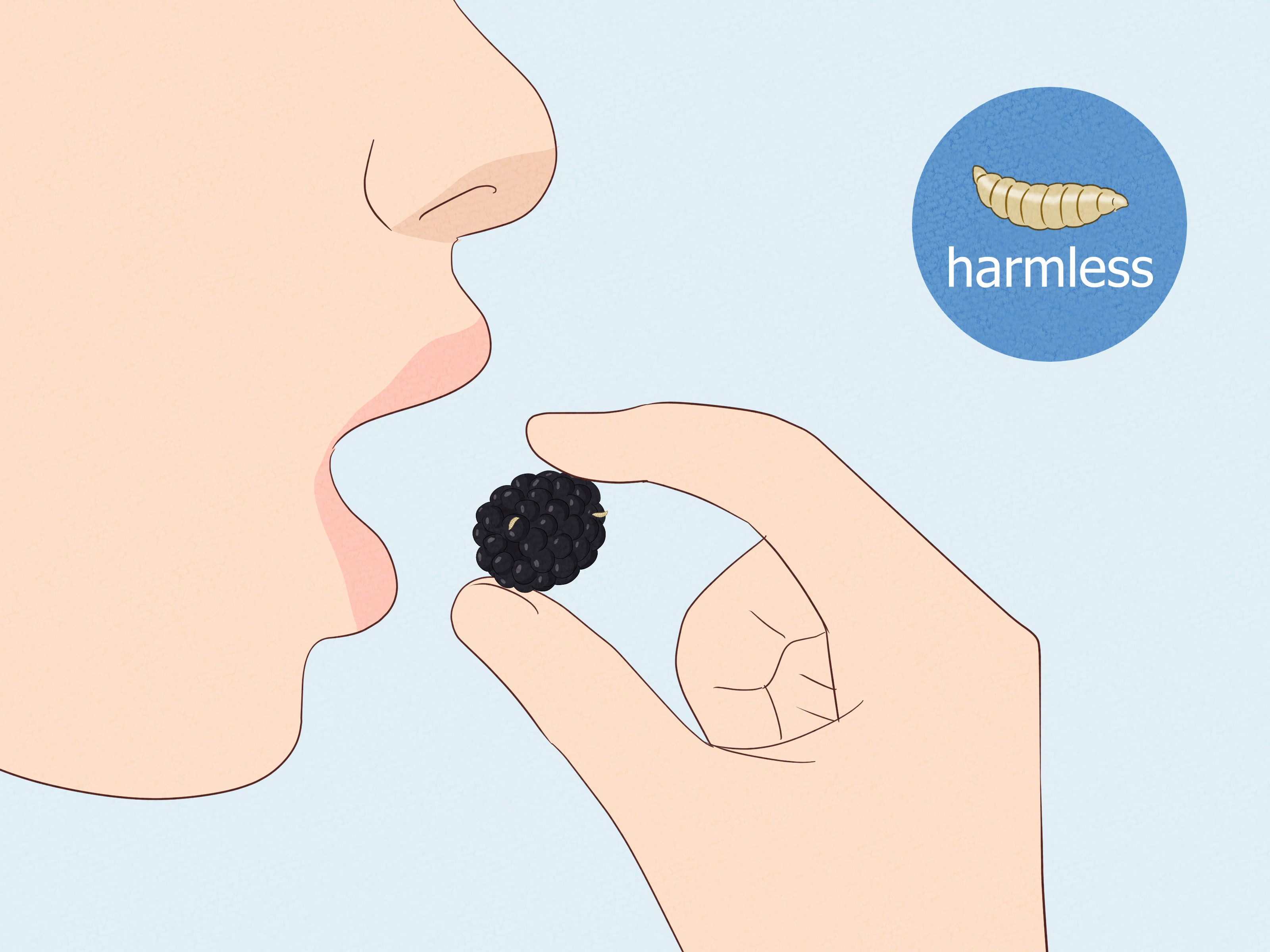

Blackberries are nature’s tiny, glossy treasure chests: sweet, tart, juicy, and just dramatic enough to stain your shirt before breakfast. But anyone who has picked wild blackberries, grown a backyard bramble patch, or opened a farmers market pint has probably had one uncomfortable thought: “Wait… are those bugs?”
The honest answer is: sometimes, yes. Blackberries grow outdoors, close to leaves, soil, birds, rain, heat, and every miniature creature that believes berries are also its personal snack bar. Tiny insects, larvae, mites, ants, beetles, and the occasional spider may hide between the drupeletsthe little bead-like sections that make up each berry. The most infamous culprit is the spotted wing drosophila, a small vinegar fly whose larvae can develop inside soft, ripe fruit.
Before you dramatically throw your entire berry bowl into the compost, relax. Most berry bugs are more disgusting than dangerous. The goal is not panic; the goal is a smart cleaning routine and better prevention. This guide explains how to remove bugs from blackberries, how to wash blackberries safely, how to prevent infestations in the garden, and how to store berries so they stay fresh instead of becoming a five-star insect resort.
Why Bugs End Up in Blackberries
Blackberries are built like tiny apartment complexes. Their clustered drupelets create small spaces where debris, insects, and larvae can hide. Unlike smooth fruits such as apples or peaches, blackberries cannot be scrubbed with a brush without turning into jam before their time.
Several factors make blackberries especially attractive to pests:
- They are soft-skinned. Soft fruit is easier for certain insects to pierce or feed on.
- They ripen during warm weather. Warm temperatures increase insect activity.
- They are often picked when fully ripe. The riper the fruit, the more aromatic and attractive it becomes.
- Wild brambles are rarely managed. No pruning, no sanitation, no monitoringbasically the berry version of a bachelor pad.
- Overripe fruit stays on the canes. Fallen and rotting fruit invites more flies and pests.
The Main Culprit: Spotted Wing Drosophila
When people talk about “worms in blackberries,” they are usually referring to larvae of the spotted wing drosophila, often shortened to SWD. This insect is not the same as the ordinary fruit flies that hover around a forgotten banana. Regular fruit flies prefer damaged or fermenting fruit. Spotted wing drosophila can attack healthy, ripening fruit because females have a saw-like egg-laying organ that allows them to deposit eggs under the skin.
The larvae are small, pale, and easy to miss. They may look like tiny white threads or little wiggling specks. In blackberries, signs of infestation can include soft drupelets, leaking juice, collapsed sections, dull color, or berries that seem to break down faster than expected.
Are Blackberry Bugs Dangerous?
For most healthy people, accidentally eating a tiny fruit larva is not considered a major health risk. It is, however, a major emotional event. Nobody wants a surprise protein garnish in their cobbler. The bigger concern is fruit quality: infested berries spoil faster, become mushy, and may attract additional microbes as the fruit breaks down.
That means your best approach is simple: inspect, soak when needed, rinse well, dry gently, refrigerate quickly, and use berries promptly.
How to Inspect Blackberries Before Washing
Start with a visual inspection. This step takes only a minute and saves you from washing berries that should never make it to the bowl.
Look for These Warning Signs
- Mold, fuzz, or a fermented smell
- Soft, leaking, or collapsed berries
- Very dull or shriveled fruit
- Clusters of ants or visible crawling insects
- Light-colored, mushy, or damaged drupelets
- Berries that leave excessive juice in the container
Discard berries that are moldy, rotten, or severely damaged. Do not try to “rescue” moldy blackberries by washing them harder. Blackberries are delicate and porous, and mold can spread beyond what you can see.
How to Remove Bugs from Blackberries: The Best Home Method
The most practical method for removing bugs from blackberries is a cool salt-water soak followed by a gentle rinse. Salt water encourages small insects and larvae to leave the fruit and float away. Think of it as a very polite eviction notice.
What You Need
- Fresh blackberries
- A large bowl
- Cold water
- Salt
- A colander or fine-mesh strainer
- Clean paper towels or a lint-free kitchen towel
Step-by-Step Salt-Water Soak
- Sort the berries first. Remove any moldy, crushed, or leaking berries.
- Make the salt bath. Mix about 1 tablespoon of salt into 4 cups of cold water. Stir until dissolved.
- Add the blackberries gently. Do not dump them from a great height unless you enjoy blackberry soup.
- Soak for 10 to 15 minutes. This gives tiny insects time to loosen and float out.
- Skim the surface. If bugs or debris float up, remove them with a spoon.
- Lift the berries into a colander. Avoid pouring the dirty soak water directly back over the fruit.
- Rinse under cool running water. Use a gentle stream so the berries stay intact.
- Dry thoroughly. Spread berries on a towel and pat gently. Excess moisture shortens shelf life.
- Eat, cook, freeze, or refrigerate right away. Washed berries spoil faster than dry, unwashed berries.
Can You Use Vinegar to Wash Blackberries?
Vinegar rinses are popular, especially for berries. A common ratio is 1 part white vinegar to 3 or 4 parts water. Some people use this method to reduce surface microbes and slow mold. It may help with freshness, but vinegar is not magic, and it is not a guaranteed way to kill all harmful bacteria or remove every larva.
If you use vinegar, keep it brief. Soak the blackberries for 5 to 10 minutes, rinse very well under cool running water, and dry completely. If you overdo it, your berries may taste like they are auditioning for a salad dressing.
Salt Water vs. Vinegar Water
For removing visible bugs and larvae, salt water is usually the more targeted home method. For general cleaning and possible mold reduction, some people prefer a diluted vinegar rinse. For basic food safety, plain running water remains the standard recommendation for washing fresh produce.
What Not to Use on Blackberries
Because blackberries are delicate, porous, and eaten raw, avoid harsh cleaning methods. More aggressive does not mean safer.
- Do not use soap or dish detergent. Produce can absorb residues, and soap is not meant to be eaten.
- Do not use bleach, alcohol, or disinfectants. These are unsafe for food unless used in specific commercial food-handling systems according to approved instructions.
- Do not scrub blackberries. You will crush them.
- Do not soak for hours. Long soaking makes berries watery, bland, and more likely to spoil.
- Do not wash before long storage. Moisture encourages mold.
How to Wash Store-Bought Blackberries
Store-bought blackberries are usually cleaner than wild berries because commercial growers use pest monitoring, refrigeration, and post-harvest handling systems. Still, they should be washed before eating unless the package specifically says they are ready to eat.
For most grocery-store berries, a gentle rinse under cool running water is enough. If you see tiny insects, debris, or suspicious softness, use the salt-water soak. After rinsing, spread the berries on a towel and let them dry before serving.
How to Clean Wild Blackberries
Wild blackberries need extra attention. They may contain dust, pollen, bird droppings, tiny spiders, ants, beetles, larvae, or bits of leaf. That does not mean you should avoid wild berries; it simply means you should clean them like they have been living outdoorsbecause they have.
Wild Blackberry Cleaning Routine
- Pick only berries that are fully black, plump, and easy to remove.
- Avoid berries close to roadsides, sprayed areas, drainage ditches, or places pets may visit.
- Sort outdoors if possible to remove leaves, stems, and obvious insects.
- At home, soak in salt water for 10 to 15 minutes.
- Rinse gently under running water.
- Dry well and use the same day when possible.
Wild berries are best used quickly in pies, sauces, syrups, jams, smoothies, or freezer packs. If they are very soft, cook them rather than serving them fresh.
How to Prevent Bugs in Homegrown Blackberries
The cleanest berries start in the garden. Once insects are inside ripe fruit, your options are limited. Prevention is much easier than performing tiny berry surgery at the sink.
Harvest Early and Often
Pick ripe blackberries frequently, ideally every day or every other day during peak season. Spotted wing drosophila is attracted to ripe and overripe fruit. The longer berries hang on the plant, the more time pests have to find them.
Remove Overripe and Fallen Fruit
Garden sanitation is one of the most effective prevention habits. Remove fallen berries, damaged fruit, and overripe clusters. Do not leave mushy berries under the canes. That is not composting; that is opening a tiny fruit-fly nightclub.
Use Fine Insect Netting
Fine mesh netting can help prevent adult flies from reaching ripening berries. Install it before the fruit begins to color, and seal the edges so insects cannot sneak underneath. Netting works best when combined with pruning, sanitation, and regular harvest.
Prune for Airflow
Dense brambles create shade, humidity, and hiding places. Pruning improves airflow, helps berries dry after rain, and makes harvesting easier. Remove dead canes, train new canes properly, and keep the patch open enough that you can see what is happening.
Refrigerate Immediately After Picking
Cold storage slows insect development and fruit breakdown. After picking, get blackberries into the refrigerator as soon as possible. Do not leave a bucket of ripe berries on a sunny porch while you “just do one quick thing.” The bugs heard that.
Monitor with Traps
Home gardeners can use simple vinegar-based traps to monitor for spotted wing drosophila adults. Traps do not eliminate the pest by themselves, but they can tell you when flies are active so you can tighten your harvest schedule, improve sanitation, and consider protective netting.
Should You Spray Blackberry Plants?
For home gardens, spraying should be a last resort and must be done carefully. Always identify the pest first. Not every insect in a blackberry patch is harmful. Bees, lady beetles, lacewings, spiders, and other beneficial creatures help keep the garden balanced.
If you choose to use an insecticide, select one labeled for blackberries and the target pest, follow the label exactly, and observe the pre-harvest intervalthe required waiting period between spraying and picking. Never spray when plants are in bloom because many products can harm pollinators.
Organic-approved products are not automatically harmless. Some can still affect bees and beneficial insects. Good pest management begins with prevention, monitoring, sanitation, and physical barriers before chemical control enters the chat.
How to Store Blackberries After Cleaning
Blackberries are fragile after washing. Water gets into their tiny spaces and speeds spoilage if they are stored wet. If you wash them, dry them thoroughly and use them soon.
Short-Term Storage
- Line a shallow container with paper towels.
- Place berries in a single layer if possible.
- Keep the lid slightly vented or use a breathable container.
- Refrigerate immediately.
- Use within 1 to 2 days after washing.
Freezing Cleaned Blackberries
To freeze blackberries, rinse and dry them well, then spread them on a parchment-lined baking sheet. Freeze until solid, then transfer to a freezer bag or container. This keeps the berries from freezing into one giant purple brick.
When to Throw Blackberries Away
Some berries are beyond saving. Throw away blackberries that are moldy, slimy, rotten-smelling, heavily infested, or leaking excessively. A few tiny insects can be washed away; a container that smells fermented or looks fuzzy should retire with dignity.
If one or two berries in a container are moldy, remove them and inspect the rest carefully. If mold has spread or the berries are wet and collapsing, discard the batch.
Real-Life Experience: What Cleaning Blackberries Actually Looks Like
The first time someone discovers bugs in blackberries, the reaction is usually a mix of horror, betrayal, and intense Googling. One minute you are imagining cobbler; the next minute you are staring into a bowl like a detective in a very low-budget crime drama. The good news is that after you clean blackberries a few times, the process becomes routine and far less dramatic.
In a typical home kitchen, the best experience starts before the berries even reach the sink. Spread them on a tray or plate and sort them gently. This is where you find the obvious troublemakers: crushed berries, bits of stem, leaves, and the occasional tiny hitchhiker. The berries that are firm, plump, and deeply colored go into the “yes” pile. The leaking, moldy, or suspiciously squishy ones go straight to the compost or trash. This sorting step feels fussy, but it makes the actual washing much easier.
Next comes the salt-water soak. The first time you do it, use a clear or white bowl if you have one. It helps you see what comes out of the berries. Add cold water, stir in the salt, and lower the blackberries in gently. Within a few minutes, tiny bits of debris may float up. Sometimes you will see small insects. Sometimes you will see nothing at all, which is the ideal ending to this small domestic thriller. Either way, the soak gives peace of mind.
After 10 to 15 minutes, resist the urge to aggressively stir. Blackberries are not potatoes; they bruise if you look at them with too much confidence. Lift them out with a slotted spoon or pour them gently into a colander, then rinse with cool running water. A soft rinse matters because the goal is clean berries, not accidental blackberry puree.
Drying is the step people skip, and it is also the step that separates fresh berries from sad refrigerator sludge. Lay the berries on clean paper towels or a lint-free towel. Roll them very gently or let them air-dry for a few minutes. If they are going into a pie or jam, perfect dryness matters less. If they are going into the fridge, dryness is your best friend.
For backyard growers, the experience teaches one major lesson: prevention beats washing. The berries picked every morning are cleaner, firmer, and less buggy than the berries left hanging for several extra days. A tidy patch with pruned canes, picked-over fruit removed, and ripe berries harvested often produces fruit that needs less rescue work in the kitchen. Add netting at the right time, and you will feel like you have unlocked a secret level of berry adulthood.
Wild blackberries require the most patience. They are delicious, free, and completely uninterested in your cleanliness standards. Pick away from roads, avoid low berries that animals may have visited, and bring shallow containers so the fruit does not crush itself on the walk home. Once cleaned, wild berries are fantastic for cooked recipes. A hot blackberry sauce over pancakes has a way of making the whole bug-removal process feel worthwhile.
The final experience-based rule is simple: do not clean more berries than you plan to use soon. Unwashed berries keep better than washed ones. If you bring home several pints, refrigerate them dry, then wash only what you need. Your future self will thank you when tomorrow’s berries still look like berries instead of purple confetti.
Conclusion
Learning how to remove bugs from blackberries is mostly about staying calm and using the right routine. Sort the berries, discard damaged fruit, soak in cold salt water when bugs are a concern, rinse gently, dry thoroughly, and use or refrigerate them quickly. For everyday store-bought berries, a gentle rinse may be enough. For wild or homegrown blackberries, a salt-water soak provides extra confidence.
Prevention begins in the berry patch. Harvest often, remove overripe fruit, clean up fallen berries, prune for airflow, refrigerate after picking, and use fine insect netting when pest pressure is high. Blackberries may come with a little outdoor baggage, but with smart handling, they can still become cobblers, jams, smoothies, sauces, and snacksnot tiny bug condos.
Note: This article is based on practical food-safety guidance and university extension pest-management recommendations. For homegrown blackberries, always follow local extension advice and any pesticide label directions specific to your region.