
Setting up a guppy tank sounds simple at first. Buy tiny colorful fish, add water, sprinkle in food, and enjoy your new underwater confetti machine. Then reality taps you on the shoulder with a test kit, a heater, and a fish that somehow looks offended by your decorating choices. The good news is that guppies really are one of the friendliest beginner fish to keep. The better news is that once you understand the basics, setting up a guppy tank is not hard at all.
This guide walks you through exactly how to build a healthy, stable, good-looking guppy aquarium from the ground up. We will cover tank size, equipment, cycling, water parameters, plants, stocking, feeding, and maintenance. By the end, you will know how to set up a guppy tank that keeps your fish active, colorful, and far less likely to stage daily aquatic drama.
Why Guppies Are Such a Popular First Fish
Guppies are small tropical livebearers with huge personalities packed into tiny bodies. They come in a ridiculous range of colors, tail shapes, and patterns, which is part of the fun. They are peaceful, active, and generally adaptable when their environment is stable. They are also always moving, so a guppy tank feels lively even when you only keep a modest group.
There is one catch, and it is a big one wearing glittery fins: guppies breed very easily. If you keep males and females together, you should expect fry. Not maybe. Not possibly. Expect it. That means your setup plan needs to match your goals from day one. Do you want a peaceful male-only display tank, or do you want a mixed group with possible babies? That decision affects tank size, plant choices, and long-term stocking.
Step 1: Choose the Right Tank Size
The 10-Gallon Sweet Spot
If you are a beginner, start with a 10-gallon tank at minimum. Yes, guppies are small. No, that does not mean a tiny bowl or a cramped desktop cube is a clever shortcut. Bigger tanks are more stable, easier to heat, easier to filter, and slower to swing from “everything is fine” to “why is the water cloudy and everyone looks annoyed?”
A 10-gallon tank works well for a small group of guppies, especially if you want a simple setup and manageable maintenance. If you plan to keep both males and females, or you already know you love the planted jungle look, a 15- or 20-gallon tank is even better. More space means more swimming room, more stable water, and more options if your fish decide to turn your aquarium into a maternity ward.
Use a Lid
Guppies are energetic and curious. Translation: they can jump. A lid is one of those boring purchases that becomes very exciting the day it prevents disaster. Buy it early and call it your cheapest insurance policy.
Step 2: Gather the Essential Equipment
A good guppy tank does not need fancy gadgets, but it does need the right basics. Think practical, reliable, and easy to maintain.
Your Basic Guppy Tank Checklist
- Glass or acrylic aquarium, ideally 10 gallons or larger
- Secure lid or hood
- Gentle filter
- Adjustable heater
- Thermometer
- LED light
- Substrate such as fine gravel or sand
- Water conditioner to remove chlorine and chloramine
- Liquid test kit or reliable aquarium test strips
- Bucket used only for aquarium care
- Gravel vacuum or siphon
- Plants and decor
Pick a Gentle Filter
Guppies like clean water, but they do not need to live in a fishy wind tunnel. Choose a filter that gives you biological filtration and steady circulation without blasting the fish around the tank like confetti in a leaf blower. Sponge filters are great for smaller guppy setups because they are gentle, beginner-friendly, and fry-safe. Hang-on-back filters can also work well if the flow is adjustable or baffled.
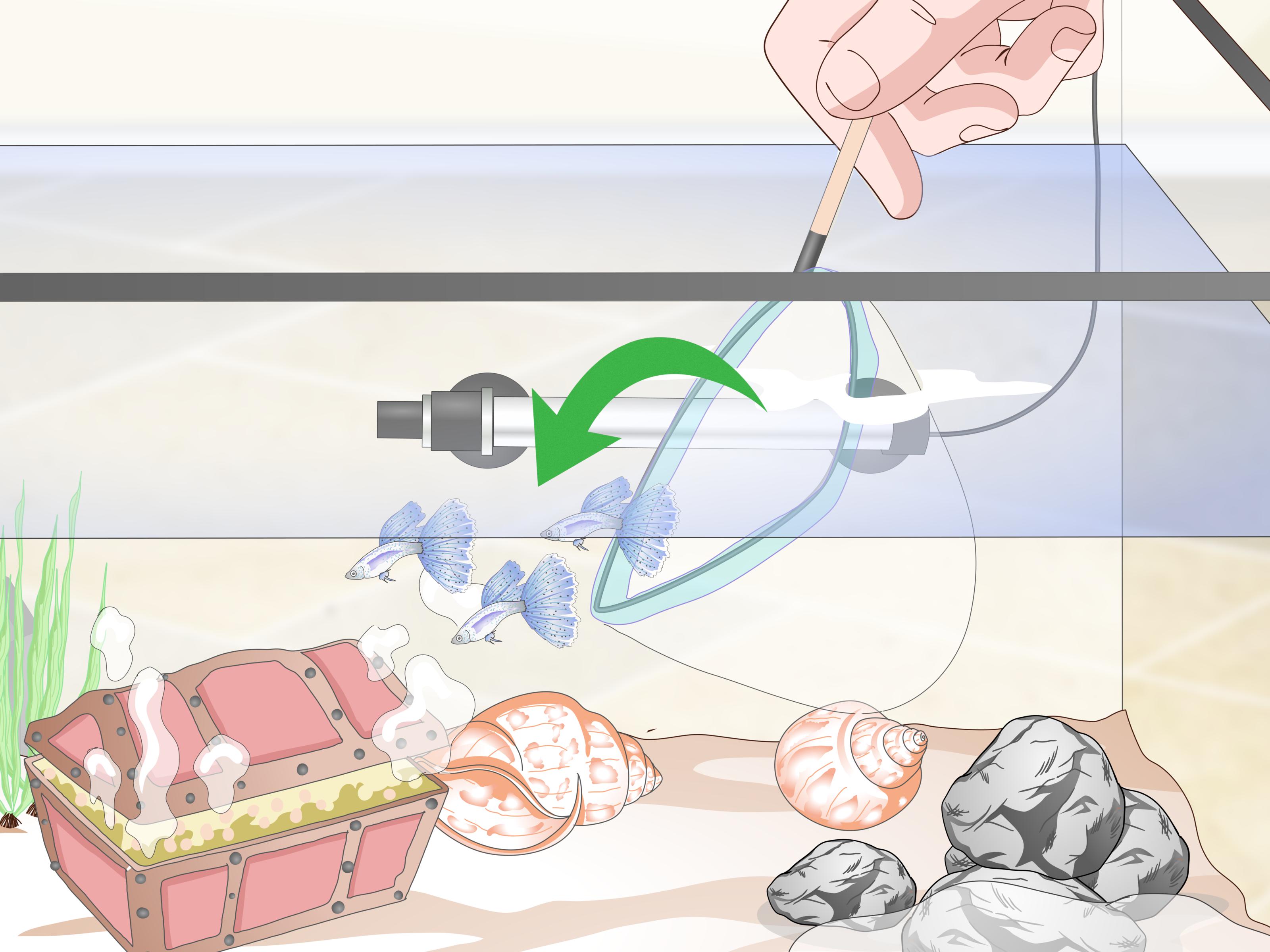
Add a Heater and Thermometer
Guppies are tropical fish, so stable warmth matters. Aim for a temperature in the mid-to-upper 70s Fahrenheit. Around 76 to 78 degrees Fahrenheit is a comfortable target for most home guppy tanks. More important than chasing a perfect number is keeping the temperature stable. Fish hate sudden swings even more than humans hate surprise cold showers.
Step 3: Choose the Best Spot for the Aquarium
Place the tank on a sturdy, level stand away from direct sunlight, vents, radiators, and doors that slam. Sunlight may sound nice, but it often leads to overheating and algae growth. Also, do not put your tank somewhere you cannot easily reach for water changes. An aquarium hidden in a difficult corner feels romantic for about three days. Then maintenance day arrives.
Step 4: Add Substrate, Plants, and Decor
Keep the Layout Simple and Fish-Friendly
Fine gravel or sand works well in a guppy tank. Darker substrate can make your guppies’ colors pop more, which is great if you want them to look like tiny swimming jewels instead of washed-out office supplies.
Decor should create cover without creating chaos. Smooth rocks, driftwood, caves, and plants all help. Avoid sharp objects that can snag delicate fins. Guppies are flashy enough already. They do not need accidental ripped-tail fashion.
Why Live Plants Are Worth It
Live plants make a guppy tank look better, but they also make it work better. They provide shelter, visual barriers, extra surfaces for beneficial bacteria, and support overall water quality. If you keep mixed-sex guppies, plants are even more helpful because fry need places to hide.
Good beginner plant choices include Java fern, Anubias, Java moss, guppy grass, Cryptocoryne, Vallisneria, and other hardy low-tech plants. A planted guppy tank feels more natural and usually helps fish act less stressed. Plus, a tank with healthy plants has a way of making you look like you know exactly what you are doing, even while you are still learning.
Step 5: Fill the Tank and Condition the Water
Once your substrate and decor are in place, fill the tank slowly. Pour water onto a plate or plastic bag to avoid turning your new setup into a snow globe. Add water conditioner every time you use tap water. This step is not optional. Tap water can contain chlorine or chloramine, which are great if you are disinfecting a sink and terrible if you are trying to keep beneficial bacteria and fish alive.
Turn on the filter and heater, then let everything run. Check that the temperature holds steady and the equipment works properly.
Step 6: Cycle the Tank Before Adding Guppies
What Cycling Means
Cycling a tank means establishing beneficial bacteria that convert toxic waste into less harmful compounds. Fish produce waste. Uneaten food breaks down. That creates ammonia, and ammonia is dangerous. In a cycled tank, beneficial bacteria process ammonia into nitrite and then nitrate. Nitrate is still something you manage with water changes, but it is much less immediately dangerous than ammonia or nitrite.
This is why experienced fishkeepers keep repeating the phrase “cycle the tank” like it is the chorus of a song. It is not because they enjoy being dramatic. It is because skipping this step is one of the fastest ways to create a sick fish tank.
How to Cycle a Guppy Tank
The safest approach is a fishless cycle. Run the tank with the filter and heater on, add an ammonia source according to your cycling method, and test the water regularly. You are waiting for the tank to process ammonia and nitrite down to zero. This takes patience, which is annoying, but much less annoying than emergency water changes every day while your fish wonder what kind of management team they ended up with.
If you already have fish or are doing a carefully monitored fish-in cycle, test often and act quickly if ammonia or nitrite rises. In every case, do not treat “the water looks clear” as proof that the tank is ready. Clear water can still be chemically unsafe.
Step 7: Aim for Stable Water Parameters
Guppies generally do best in clean, warm, stable water that leans neutral to slightly alkaline and is not too soft. You do not need to obsess over every decimal point, but you do need consistency.
Good Guppy Water Targets
- Temperature: about 76 to 78 degrees Fahrenheit
- Ammonia: 0
- Nitrite: 0
- Nitrate: ideally under 20 ppm
- pH: stable, usually neutral to slightly alkaline
- Hardness: moderate to hard is generally preferred
Stable water beats “perfect” water every time. A tank that stays consistent is usually healthier than one that constantly bounces between adjustments because the owner keeps trying to play chemist at midnight.
Step 8: Decide How You Want to Stock the Tank
Option 1: Male-Only Guppy Tank
This is one of the easiest and most attractive ways to keep guppies. Male guppies tend to be more colorful, and a male-only setup avoids breeding. It also lets you enjoy the look of a vibrant display tank without doing population math every month.
That said, watch for occasional fin chasing or minor dominance behavior. Even peaceful fish can act like tiny opinionated roommates.
Option 2: Mixed Group
If you want males and females together, keep more females than males. A common guideline is one male for every two to three females. This helps spread out the males’ constant attention and reduces stress on individual females. Add plenty of plants and hiding places because females appreciate privacy, and fry will definitely appreciate not being instantly noticed at breakfast time.
Tank Mates
Guppies usually do well with peaceful community fish that like similar water conditions. Avoid aggressive species and avoid fin nippers. Long flowing tails may look glamorous, but they are basically a temptation sign for the wrong tank mate.
Step 9: Acclimate Your Guppies Properly
When you bring your guppies home, do not just dump them into the tank like you are releasing confetti at a parade. Float the bag first so temperatures can equalize. Then gradually introduce tank water into the bag over time before netting the fish into the aquarium.
Try not to pour store water into your tank. Net the fish gently and let them settle in. Keep the lights low for the first several hours and resist the urge to poke at them every five minutes. Fish also enjoy a calm moving-in day.
Step 10: Feed for Health, Not for Entertainment
Guppies are omnivores and do best with variety. A quality flake or micro pellet can be the staple, with occasional extras like frozen or freeze-dried brine shrimp, daphnia, or other suitable treats. Some vegetable matter is helpful too.
Feed small portions once or twice a day, only what they can finish quickly. Overfeeding is one of the most common beginner mistakes. Guppies always act interested in food. This does not mean they are starving. It means they are guppies.
Step 11: Maintain the Tank Every Week
A healthy guppy tank is built on routine, not heroics. You do not need to reinvent the aquarium every weekend. You just need to stay consistent.
Simple Guppy Tank Maintenance Routine
- Check temperature daily
- Observe fish behavior and appetite
- Remove uneaten food if needed
- Test water regularly, especially in newer tanks
- Do partial water changes weekly or as needed based on stocking and test results
- Vacuum debris from the substrate
- Rinse filter media in old tank water, not under chlorinated tap water
- Trim plants and wipe algae as needed
Do not replace all the water at once unless you are dealing with a specific emergency. Most of the time, steady partial maintenance is the smarter move.
Common Mistakes When Setting up a Guppy Tank
- Starting with a tank that is too small. Small tanks are less forgiving.
- Adding fish before the tank is cycled. This is a classic beginner trap.
- Overfeeding. Extra food becomes extra waste very quickly.
- Ignoring plants and cover. Guppies feel better with structure.
- Choosing bad tank mates. Fin nippers and bullies are a terrible match.
- Keeping mixed sexes without a plan. Surprise babies are only surprising once.
- Chasing perfect water chemistry with constant corrections. Stability matters more.
Final Thoughts
If you want to know how to set up a guppy tank successfully, the answer is simple in theory and satisfying in practice: start with enough space, use reliable equipment, cycle the tank, keep the water stable, plant it well, stock it wisely, and stay consistent with maintenance. Guppies are forgiving compared to many fish, but they still reward preparation.
Done right, a guppy tank becomes one of the most enjoyable freshwater setups you can keep. It is colorful, lively, beginner-friendly, and surprisingly relaxing to watch. Done wrong, it becomes a lesson in ammonia, algae, and bad decisions. Aim for the first version. Your fish will thank you by doing what guppies do best: swimming around like they own the place.
Experience Section: What I Learned From Setting up Guppy Tanks
The first time I set up a guppy tank, I made the classic beginner mistake of thinking the fish would be the main event. Turns out, the real stars were the filter, the test kit, and my rapidly growing respect for beneficial bacteria. I spent way too long choosing the prettiest fish and not nearly enough time thinking about whether the tank was actually ready for them. That experience taught me something important: guppy success starts long before the fish ever touch the water.
One of the biggest lessons came from tank size. I used to think smaller meant easier. Less water, less work, right? Absolutely not. Smaller tanks change faster, which means every extra pinch of food, every skipped water change, and every slight equipment problem hits harder. Once I moved to a 10-gallon planted setup, everything felt calmer. The temperature stayed steadier, the fish behaved more naturally, and maintenance stopped feeling like I was trying to prevent a tiny underwater economic collapse.
I also learned that live plants are not just decoration. In one guppy tank, I added Java fern, Anubias, and a messy patch of guppy grass because I liked the look. The fish immediately used every inch of it. Females could take breaks from the males, shy fish had places to duck into, and the tank felt more like an ecosystem than a box of water with accessories. The difference in fish confidence was obvious. A bare tank may be easy to clean, but a well-planted tank usually feels better for guppies and more interesting for the person watching them.
Feeding was another humbling lesson. Guppies are professional beggars. They can make eye contact with you in a way that says, with total conviction, “We have never eaten in our lives.” If you believe them every time, water quality suffers fast. Once I started feeding small amounts on a schedule instead of every time I walked past the glass, the tank stayed cleaner and the fish still looked great. That small shift made maintenance easier almost overnight.
The funniest lesson was about breeding. Anyone who keeps male and female guppies without a long-term plan is basically opening a tiny, highly efficient fish startup. I remember spotting my first fry and feeling proud for about five seconds, followed by the immediate realization that I had not thought through the next fifty fry. Since then, I have become a huge fan of either male-only tanks or heavily planted setups with a realistic stocking plan.
Most of all, setting up guppy tanks taught me to slow down. The hobby becomes much more enjoyable when you stop chasing instant results. Let the tank cycle. Let the plants settle. Let the fish adjust. Watch them every day. A healthy guppy tank is not built in a rush. It is built through small, smart choices repeated over time. And once it all clicks, it is hard not to grin every time you walk past the tank and see those little show-offs flashing their colors like they are on a red carpet.
SEO Tags