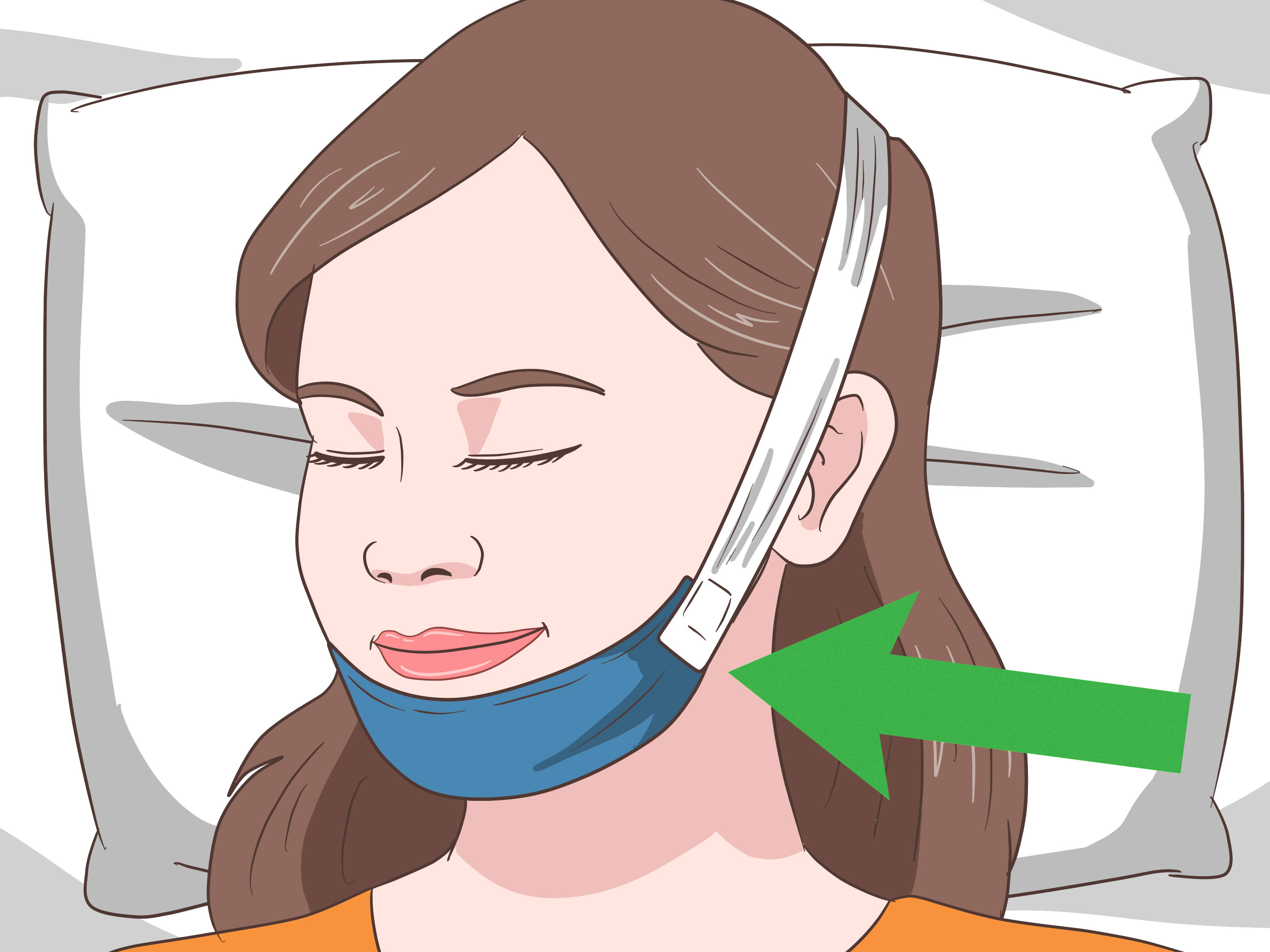

Mouth breathing is perfectly normal when you are sprinting, fighting a stuffy cold, or carrying six grocery bags because making two trips would apparently be a personal defeat. However, regularly breathing through your mouth while resting or sleeping may signal nasal blockage, allergies, enlarged airway tissues, sleep apnea, or an established breathing habit.
Persistent mouth breathing can contribute to dry mouth, cracked lips, bad breath, poor sleep, daytime fatigue, snoring, and oral health problems. In children, it deserves particular attention because chronic nasal obstruction and disturbed sleep may affect behavior, dental alignment, and facial development.
The solution is not simply ordering your lips to stay closed. Your body opens your mouth when it believes the nose is not supplying enough air. To stop mouth breathing safely, identify why it is happening, improve nasal airflow, retrain daytime habits, and seek professional treatment when necessary.
Why Do People Breathe Through Their Mouths?
The nose may become difficult to use because of a temporary cold, seasonal allergies, chronic sinus inflammation, nasal polyps, swollen turbinates, a deviated septum, or enlarged tonsils and adenoids. Some people can breathe comfortably through the nose during the day but switch to mouth breathing after falling asleep. Others continue the habit even after the original congestion has disappeared.
Sleep-disordered breathing is another important possibility. Obstructive sleep apnea repeatedly narrows or blocks the airway during sleep and may cause loud snoring, gasping, witnessed breathing pauses, morning headaches, unrefreshing sleep, and excessive daytime sleepiness.
How to Stop Mouth Breathing in 14 Steps
1. Determine When Mouth Breathing Happens
Begin with observation rather than guesswork. Notice whether your mouth opens only during exercise, when you have a cold, throughout the day, or mainly while sleeping. Check for morning dry mouth, drool on the pillow, cracked lips, bad breath, snoring, restless sleep, or waking with a sore throat.
A partner can tell you whether you snore, gasp, or pause between breaths. Parents can watch for open-mouth sleeping, noisy breathing, unusual sleep positions, frequent awakenings, bed-wetting, morning irritability, or daytime hyperactivity. Keeping a seven-day symptom diary often reveals patterns that are easy to miss when every morning begins with a frantic search for coffee.
2. Test Nasal Breathing While You Are Awake
Sit upright and relax your shoulders. Close your lips gently without clenching your teeth. Try breathing quietly through your nose for two or three minutes.
If nasal breathing feels comfortable, habit and oral posture may be contributing to the problem. If one side is consistently blocked, airflow is noisy, or you quickly feel air hunger, do not force your mouth closed. Persistent obstruction should be evaluated by a healthcare professional, especially when it affects sleep.
Nasal congestion that remains on one side, recurring nosebleeds, reduced smell, facial pressure, or a visible change in the nose may point to a structural or inflammatory condition requiring an examination. Deviated septums, enlarged turbinates, nasal valve problems, polyps, and sinus disease can all restrict nasal airflow.
3. Clear Mucus With Saline Spray or Nasal Irrigation
A plain saline spray can moisturize dry nasal passages and loosen mucus. For heavier congestion, a saline rinse may help remove mucus, dust, and allergens. Use the device exactly as directed, clean it after every use, and allow it to dry thoroughly.
Never fill a nasal-rinsing device with water directly from the tap. Use water labeled distilled or sterile, or tap water that has been boiled and cooled. Although ordinary tap water is usually safe to drink, rare microorganisms can cause severe infections when introduced into nasal passages.
Stop rinsing and ask a clinician for guidance if you develop significant pain, persistent nosebleeds, ear pressure, or worsening symptoms.
4. Treat Nasal Allergies Consistently
If congestion appears during pollen season, around animals, while cleaning, or after waking in a dusty bedroom, allergic rhinitis may be narrowing the nasal passages. Reducing exposure helps, but many people also need medication.
Intranasal corticosteroid sprays are among the most effective treatments for allergic nasal congestion. Antihistamines may be more useful when itching, sneezing, and a runny nose are prominent. Ask a physician or pharmacist which option is appropriate for your age, medical history, pregnancy status, and current medications.
When using a nasal spray, keep your head level and aim the nozzle slightly outward, away from the center wall of the nose. Sniff gently rather than inhaling so enthusiastically that the medicine launches directly into your throat.
5. Avoid Overusing Decongestant Nasal Sprays
Decongestant sprays containing ingredients such as oxymetazoline can provide fast relief, but using them longer than directed may cause rebound congestion. The nose becomes blocked again as the medicine wears off, encouraging more frequent use and creating an unpleasant cycle.
Many product labels limit use to approximately three days. Follow the package instructions and consult a clinician if you have already been using a decongestant spray regularly. A healthcare professional may recommend a gradual withdrawal plan and a different treatment for the underlying inflammation.
6. Reduce Bedroom Allergens and Irritants
Your bedroom should support breathing, not operate as a museum of dust. Wash bedding regularly, keep pets away from pillows if animal dander triggers symptoms, vacuum with an effective filter, and address visible mold or water damage. During high-pollen periods, shower and change clothes before bed rather than bringing the outdoors onto your sheets.
Avoid cigarette smoke, vaping aerosols, incense, strong fragrances, and harsh cleaning fumes. These irritants can inflame nasal tissues even in people who do not have traditional allergies.
7. Hydrate and Manage Dry Air
Drink enough fluids throughout the day to keep urine generally pale yellow unless a medical condition requires fluid restriction. Hydration does not cure a deviated septum or sleep apnea, but it may keep mucus from becoming thick and stubborn.
A humidifier may make dry indoor air more comfortable, particularly during winter or in air-conditioned rooms. Keep the unit clean and follow the manufacturer’s maintenance instructions because a neglected humidifier can distribute mold and microorganisms instead of serenity.
For existing dry mouth, sip water, maintain careful brushing and flossing, and discuss saliva-supporting products with a dentist. Persistent oral dryness raises the risk of cavities and oral infections because saliva normally protects teeth and soft tissues.
8. Adjust Your Sleeping Position
Sleeping flat on your back may allow the tongue and soft tissues to shift backward, worsening snoring or airway narrowing in some people. Try sleeping on your side or elevating your upper body slightly with a supportive wedge.
Position changes may reduce mild positional snoring, but they do not replace evaluation for suspected sleep apnea. Nasal strips or external dilators may improve airflow through the front of the nose for certain people, yet they cannot prevent airway collapse deeper in the throat.
9. Practice Quiet Nasal Breathing During the Day
Once you can breathe comfortably through your nose, practice for five minutes several times daily. Sit upright, close your lips softly, and breathe gently through the nose without taking oversized breaths. Your abdomen and lower ribs should move more than your upper chest.
Use routine activities as reminders: reading email, watching television, commuting, or standing in line. The goal is relaxed repetition, not turning every breath into a competitive event. Stop if you feel dizzy, distressed, or unable to get enough air.
10. Improve Resting Tongue and Lip Posture
At rest, the lips should meet comfortably, the jaw should remain relaxed, and the tongue should rest lightly against the roof of the mouth rather than pressing between the teeth. The teeth do not need to be clenched together.
Practice placing the tongue tip just behind the upper front teeth, then gently lifting the rest of the tongue toward the palate. Hold the position for several seconds while breathing through the nose. Proper oral posture can make closed-mouth breathing feel more natural, but exercises should never be used to overcome an untreated blockage.
11. Build Nasal-Breathing Endurance Gradually
Try nasal breathing during easy activities such as slow walking, stretching, or household chores. Increase the challenge gradually while keeping the effort comfortable. During intense exercise, mouth breathing may be necessary and is not a failure.
If your nose becomes completely blocked during mild movement, or exercise produces wheezing, chest tightness, faintness, or unusual shortness of breath, stop and seek medical advice. Asthma and other respiratory conditions require appropriate diagnosis rather than heroic nostril determination.
12. Consider Orofacial Myofunctional Therapy
An orofacial myofunctional therapist may teach individualized exercises for the tongue, lips, jaw, swallowing pattern, and upper-airway muscles. This approach can be useful when mouth breathing continues after nasal obstruction has been treated or when abnormal oral posture contributes to snoring and sleep-disordered breathing.
Research suggests that myofunctional therapy may improve snoring and some measures of obstructive sleep apnea, particularly as an additional treatment. It should not replace CPAP, surgery, or other established care when those treatments are medically necessary.
13. Schedule a Dental or Orthodontic Evaluation
A dentist can check for dry-mouth damage, cavities, gum irritation, tooth wear, and bite changes. An orthodontist can assess whether jaw structure, a narrow palate, crowding, or poor lip closure contributes to the breathing pattern.
Children should receive timely evaluation when mouth breathing accompanies crooked teeth, an open bite, difficulty chewing, speech changes, or altered facial growth. The American Association of Orthodontists recommends an initial orthodontic checkup no later than age seven, although concerning symptoms warrant an earlier visit.
14. See an ENT or Sleep Specialistand Skip DIY Mouth Taping
Consult an ear, nose, and throat specialist when nasal blockage is persistent, one-sided, recurrent, or resistant to appropriate allergy treatment. Depending on the cause, treatment may involve medication, polyp management, turbinate treatment, septoplasty, or evaluation of enlarged tonsils and adenoids.
Seek a sleep evaluation if you have loud habitual snoring, witnessed breathing pauses, gasping, morning headaches, severe daytime sleepiness, or high blood pressure that is difficult to control. Treatments for diagnosed obstructive sleep apnea may include positive airway pressure therapy, an oral appliance, positional therapy, weight management when relevant, or surgery.
Do not tape your mouth shut before confirming that your nasal airway is open and sleep apnea is not present. Mouth tape does not correct allergies, nasal obstruction, airway collapse, or enlarged tissues. It may cause skin irritation, anxiety, or difficulty breathing and could delay proper diagnosis.
When Mouth Breathing in Children Needs Attention
Children commonly breathe through their mouths during colds, but habitual mouth breathing should not be dismissed as a harmless quirk. Enlarged adenoids or tonsils, allergies, chronic sinus problems, structural narrowing, and pediatric sleep apnea may all be involved.
Arrange an evaluation if a child regularly sleeps with an open mouth, snores loudly, gasps, pauses while breathing, sweats heavily at night, sleeps in unusual positions, wets the bed after previously staying dry, struggles to wake, or develops attention and behavior problems. Enlarged tonsils and adenoids are common contributors to pediatric sleep-disordered breathing and may require assessment by a pediatrician or ENT specialist.
A Realistic Mouth-Breathing Improvement Experience
The following is an illustrative composite based on experiences commonly reported by people addressing habitual mouth breathing. It is not a description of one identifiable patient and should not be treated as a guaranteed timeline.
The First Week: Discovering That “Just Close Your Mouth” Is Not a Plan
Many people begin with a burst of determination. They close their lips at bedtime, lie down confidently, and reopen their mouths thirty seconds later because one nostril feels as useful as a decorative button. This first week is often less about stopping the habit and more about discovering its triggers.
A typical person may notice that daytime nasal breathing is easy but nighttime congestion appears after entering the bedroom. Another may discover that the left nostril is almost always restricted. Someone else may realize that mouth breathing is accompanied by loud snoring and morning headaches, changing the issue from an annoying habit into a reason to request a sleep evaluation.
Using a symptom diary can make this stage productive. Recording congestion, allergy exposure, sleep position, snoring, alcohol use, medication, and morning symptoms creates useful information for a clinician.
The Second Week: Improving the Airway
Once obvious triggers are addressed, progress may become noticeable. A person with allergies might begin using a clinician-recommended nasal spray consistently rather than only on the worst days. Bedding gets washed, the dusty fan is cleaned, and the cat is gently informed that the pillow is no longer a private penthouse.
Saline spray or correctly performed nasal irrigation may reduce mucus and dryness. Side sleeping can decrease snoring for some people. Morning throat discomfort may improve before mouth breathing disappears completely.
This stage can also reveal limits. If proper allergy care does almost nothing, an ENT examination may uncover a deviated septum, enlarged turbinates, polyps, or another physical obstruction. That is not failed self-care; it is useful diagnostic progress.
The Third Week: Retraining the Habit
After nasal airflow improves, daytime practice becomes easier. The person starts checking lip and tongue posture while working, reading, or walking. At first, reminders may be needed every few minutes. Later, nasal breathing begins to feel automatic for longer stretches.
Progress is rarely perfectly linear. A cold, pollen surge, or late night may temporarily bring mouth breathing back. The helpful response is to manage the trigger, not assume every improvement has vanished.
The Fourth Week and Beyond: Measuring the Right Results
The most meaningful improvements may be indirect: waking with less dryness, needing water less often overnight, reduced snoring, better breath, fewer cracked lips, or feeling more rested. A partner may notice quieter sleep before the person notices any difference.
Some people still need professional treatment. A diagnosed sleep disorder may require CPAP or an oral appliance. Structural obstruction may need medical or surgical management. Dental changes may require orthodontic care, while persistent oral-posture problems may benefit from myofunctional therapy.
The central lesson is that stopping mouth breathing is usually a process of restoring a usable nasal airway and then retraining the pattern. Forcing the lips closed without fixing the reason they open is like silencing a smoke alarm while leaving the toast on fire.
Conclusion
To stop mouth breathing, begin by identifying when it happens and whether your nose is actually open enough to support comfortable breathing. Address mucus, allergies, dry air, irritants, sleep position, oral posture, and daytime habits. Persistent symptoms require evaluation because structural obstruction and sleep apnea cannot be corrected through willpower alone.
Do not force nasal breathing when you feel air hunger, and do not use mouth tape as a substitute for diagnosis. With the correct combination of airway treatment, habit retraining, dental care, and sleep assessment, many people can breathe more comfortably and wake up feeling considerably less like they spent the night swallowing a handful of sand.