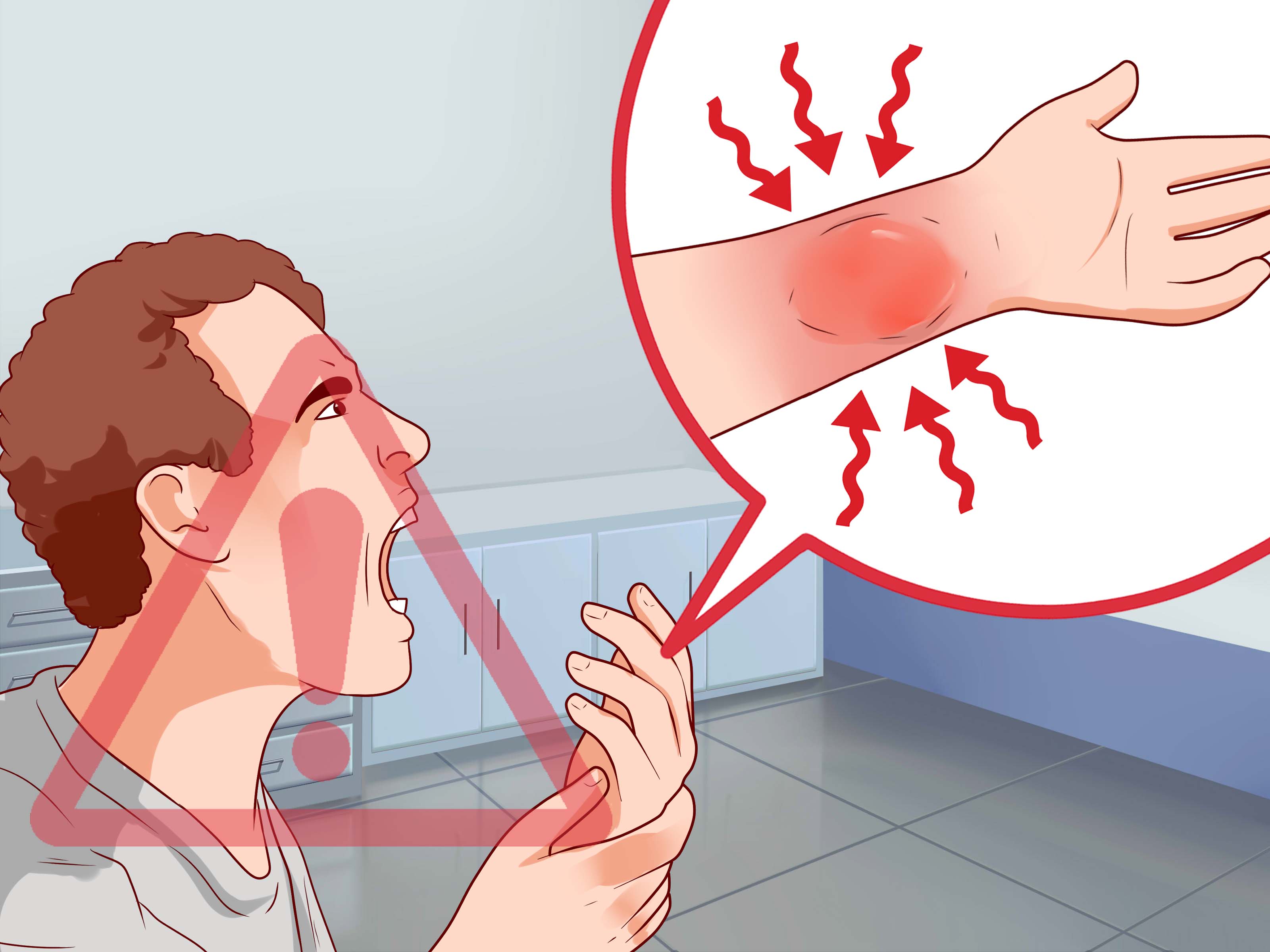

A first-degree burn may be the “small fry” of burns, but let’s be honest: when your finger touches a hot pan, your skin does not politely whisper, “Minor injury detected.” It screams. First-degree burns affect the outer layer of skin, often causing redness, tenderness, dryness, mild swelling, and that familiar hot, stinging sensation that makes you reconsider your relationship with ovens, curling irons, coffee mugs, and the sun.
The good news is that many first-degree burns can be handled at home with simple first aid. The even better news is that temporary relief usually starts with something wonderfully boring: cool running water. No butter. No toothpaste. No “my cousin saw this on the internet” kitchen science. Just calm, clean, evidence-based care.
This guide explains how to stop the burning in first degree burns temporarily using nine practical steps. It also covers what not to do, when to call a doctor, and how to care for the area afterward so your skin can recover without drama.
What Is a First-Degree Burn?
A first-degree burn, also called a superficial burn, affects only the epidermisthe outermost layer of your skin. Common examples include mild sunburn, a quick touch against a hot surface, or a splash of hot liquid that reddens the skin but does not blister.
Typical first-degree burn symptoms include redness, pain, warmth, mild swelling, dryness, and sensitivity to touch. The skin may look irritated, but it should not appear white, leathery, charred, numb, or covered in large blisters. If blisters show up, the burn may be deeper than first degree and should be treated more carefully.
When Temporary Home Relief Is Appropriate
Home care is generally reasonable for a small, mild first-degree burn that is not on a high-risk area and does not involve chemicals, electricity, smoke inhalation, or a very large surface of skin. Think: a small red spot on your hand from a pan handle, not a major kitchen disaster.
Seek medical care quickly if the burn is on the face, eyes, hands, feet, genitals, or over a major joint; if it covers a large area; if it causes severe pain or numbness; if it blisters badly; if the person is a baby, older adult, or medically fragile; or if the burn came from electricity, chemicals, fire, or inhaled smoke. Burns can be sneaky little villains, and it is better to be overly cautious than bravely wrong.
How to Stop the Burning in First Degree Burns Temporarily: 9 Steps
1. Move Away From the Heat Source Immediately
The first step is obvious but important: stop the burning process. Move away from the stove, hot liquid, steam, sun, flame, or heated object. If clothing is near the burned area and is not stuck to the skin, gently move it away. If something is stuck, do not pull it off; get medical help.
For sunburn, get out of direct sunlight right away. Your skin has already filed a complaint with management. Do not make it attend a second meeting with ultraviolet rays.
2. Cool the Burn With Cool Running Water
Place the burned area under coolnot icyrunning tap water for about 10 to 20 minutes, or until the burning sensation eases. This is the most important step for temporary relief because cooling helps reduce heat in the skin, calm pain, and limit further irritation.
If running water is not practical, use a clean, cool, wet cloth. Replace it as it warms. For a facial burn, a cool wet compress is usually easier than trying to dunk your face under the faucet like a confused raccoon.
3. Avoid Ice, Ice Water, and Freezer Packs
Ice may sound helpful, but it can damage already-injured skin and make the burn worse. Direct cold can reduce blood flow and may cause a cold-related skin injury. Use cool water instead. Your goal is to calm the burn, not turn it into a tiny weather event.
Also avoid putting frozen vegetables, ice cubes, or gel packs directly on the burn. If you use a cool compress later, keep it comfortably cool, clean, and brief.
4. Remove Tight Items Before Swelling Starts
If the burn is near a ring, bracelet, watch, tight sleeve, shoe, or belt, gently remove the item as soon as possible. Minor burns can swell, and jewelry can become uncomfortable or even restrict circulation.
This step matters especially for fingers and hands. A ring that feels fine now may become a stubborn metal donut later. Remove it early if you can do so without scraping the burn.
5. Gently Clean the Area
After cooling, gently wash the area with mild soap and clean water if it is dirty. Pat the skin dry with a clean towel. Do not scrub. Burned skin is already annoyed; scrubbing it is like replying-all to an argument.
Avoid harsh cleansers, alcohol, hydrogen peroxide, and strong antiseptics unless a healthcare professional tells you to use them. These products can irritate the skin and may slow comfort or healing.
6. Apply a Thin Layer of Petroleum Jelly or Aloe Vera
Once the skin is cooled and clean, apply a thin layer of petroleum jelly or pure aloe vera gel to help soothe the area and protect the skin from drying out. Keep it light. You are moisturizing the burn, not frosting a cupcake.
Do not apply butter, cooking oil, toothpaste, egg whites, or random “miracle” mixtures. These can trap heat, irritate the skin, or increase infection risk. Topical antibiotic ointments are not always necessary for first-degree burns and may irritate some people’s skin, so keep the approach simple unless a clinician recommends otherwise.
7. Cover the Burn Loosely With a Clean Bandage
If the burn is in a spot that may rub against clothing or get dirty, cover it with a sterile, nonstick bandage or clean dressing. Keep the covering loose. Pressure and friction can make the burning sensation worse.
If the burn is very small and not likely to be irritated, you may not need to cover it constantly. However, a light dressing can be helpful for hands, wrists, feet, or any area that keeps bumping into the world because apparently doorframes have personal vendettas.
8. Use Over-the-Counter Pain Relief When Appropriate
If the burning pain continues, an over-the-counter pain reliever such as acetaminophen or ibuprofen may help, as long as it is safe for you and used according to the label. Teens and children should not take aspirin unless a healthcare professional specifically recommends it.
Pain from a mild first-degree burn often improves within hours and continues to fade over the next couple of days. If pain gets worse instead of better, that is a sign to check in with a medical professional.
9. Protect the Burn From Sun, Heat, and Friction
For the next few days, keep the burned area away from direct sun and unnecessary heat. Healing skin is more sensitive and can darken, peel, or become irritated if exposed too soon. Wear loose clothing over the area or use shade when outdoors.
Do not scratch peeling skin. Do not pick at it. Do not treat it like a craft project. Let the skin recover naturally. If itching appears during healing, a gentle moisturizer or cool compress may help.
What Not to Put on a First-Degree Burn
Some old burn remedies have survived for generations because they sound practical, not because they work. Butter, oil, toothpaste, mayonnaise, and similar substances should stay in the kitchen or bathroom cabinet, not on injured skin.
Butter and oils can trap heat. Toothpaste can irritate skin. Egg whites can introduce bacteria. Ice can damage tissue. Harsh disinfectants can sting and dry the area. A first-degree burn does not need a complicated potion; it needs cooling, cleanliness, light moisture, protection, and patience.
How Long Does the Burning Sensation Last?
The intense burning sensation from a mild first-degree burn often improves after proper cooling, though tenderness can last for a day or two. Redness may remain for several days. Mild peeling may happen as the skin repairs itself, especially after sunburn.
Most small first-degree burns heal within about a week. If the area is still very painful, spreading, oozing, swollen, blistering, or not improving after a few days, it may not be a simple first-degree burn.
Signs You Should Get Medical Help
Call a healthcare professional or seek urgent care if the burn becomes more painful, develops blisters, shows signs of infection, or does not start improving. Infection signs can include increasing redness, warmth, swelling, pus, red streaks, fever, or worsening tenderness.
Get immediate help for burns caused by chemicals or electricity, burns with smoke inhalation, burns on sensitive areas, or burns covering a large part of the body. Also seek help for any burn in a baby or young child, or if you are unsure how serious it is.
First-Degree Burn Care for Sunburn
Sunburn is one of the most common first-degree burns. To stop the burning temporarily, get out of the sun, cool the skin with a cool shower or damp cloth, drink water, and apply aloe vera or a gentle moisturizer. Avoid more sun exposure until the skin heals.
If sunburn causes blistering, fever, chills, dizziness, confusion, severe pain, or dehydration symptoms, it is time for medical care. A “crispy lobster” look may be funny in cartoons, but real sun damage is no joke.
First-Degree Burn Care in the Kitchen
Kitchen burns often happen fast: a pan handle, steam burst, splatter of hot oil, or coffee that apparently had something to prove. For a small first-degree kitchen burn, move away from the heat, cool the area under running water, remove tight jewelry, and cover it loosely if needed.
Steam burns deserve special respect because they can be more serious than they first appear. If pain is intense, the area blisters, or the burn covers a large area, get medical advice.
How to Prevent First-Degree Burns
Prevention is not glamorous, but neither is hopping around the kitchen yelling at a skillet. Use oven mitts, turn pot handles inward, test bath water before getting in, keep hot drinks away from table edges, use sunscreen, and avoid touching appliances that may still be hot.
For families, teach children that steam, curling irons, stovetops, and hot mugs can burn even when they do not look dangerous. Many burns happen in ordinary moments, which is why ordinary habits make such a big difference.
Common Questions About Temporary Burn Relief
Can I put aloe vera on a first-degree burn?
Yes, pure aloe vera gel can help soothe a mild first-degree burn after the area has been cooled. Choose a simple product without alcohol, fragrance, or irritating additives.
Can I use petroleum jelly?
Yes, a thin layer of petroleum jelly can help protect the skin and reduce dryness. Apply it after cooling and cleaning the burn.
Should I cover a first-degree burn?
Cover it loosely if the area may rub against clothing, get dirty, or feel more comfortable protected. Use a sterile, nonstick dressing when possible.
Is a blister still first degree?
Usually, no. Blistering often suggests a second-degree burn. Do not pop blisters. Keep the area clean and consider medical advice, especially if the blister is large or in a sensitive area.
Experience-Based Tips: Real-Life Lessons for Stopping the Burn Temporarily
Anyone who cooks, spends time outdoors, uses styling tools, drinks hot coffee, or has ever trusted a pizza roll too soon has probably met the first-degree burn. The first lesson is this: quick action matters. The faster you cool the skin with cool running water, the sooner the burning sensation usually settles down. Waiting five minutes while debating whether the burn is “serious enough” often just gives the heat more time to irritate the skin.
In real life, the best burn care setup is simple. Keep mild soap, clean towels, petroleum jelly, aloe vera gel, and nonstick gauze in an easy-to-find place. When a minor burn happens, nobody wants to dig through a cabinet full of expired cough drops and mystery bandages from 2018. A small first-aid box can turn panic into a calm little routine: cool, clean, moisturize lightly, cover, monitor.
Another useful experience: do not underestimate jewelry. A tiny burn on the finger can swell just enough to make a ring uncomfortable. Removing rings early is much easier than trying to remove them later while your finger feels like it joined a balloon animal workshop.
For sunburn, temporary relief often works best in layers. First, get out of the sun. Second, cool the skin with a shower or damp cloth. Third, moisturize with aloe or a gentle lotion. Fourth, drink water and wear loose clothing. Sunburned skin hates tight fabric. If your shirt feels like sandpaper, your skin is not being dramaticit is asking for a softer life.
Kitchen burns also teach one unforgettable truth: steam is sneaky. Lifting a pot lid away from your face and hands can prevent a painful surprise. When draining pasta or opening microwave containers, let steam escape slowly. A few seconds of patience can save you from a red, stinging reminder that dinner fought back.
Parents and caregivers often learn that children describe burns differently. A child may say “it feels spicy,” “it’s buzzing,” or “it’s too hot” even after the heat source is gone. Take those descriptions seriously. Cool the area, comfort the child, and watch for blistering or worsening pain. For young children, it is wise to contact a healthcare professional more readily because their skin is more delicate.
One more practical tip: avoid turning burn care into a home-remedy experiment. People often suggest butter, oils, toothpaste, or ice because they want to help. Smile politely, then choose cool water instead. First-degree burn care is not a cooking show, a science fair, or a dare. The safest temporary relief comes from proven basics.
Finally, pay attention after the burning calms down. A mild burn should gradually improve. If it becomes more painful, develops blisters, spreads, oozes, or looks infected, do not keep treating it like a minor inconvenience. Skin is your body’s protective wall, and when that wall is damaged, it deserves respect. Temporary relief is helpful, but proper healing is the real finish line.
Conclusion
Stopping the burning in a first-degree burn temporarily starts with fast, simple first aid: get away from the heat, cool the area with cool running water, avoid ice, remove tight items, clean gently, apply a thin layer of petroleum jelly or aloe, cover loosely, use safe pain relief if needed, and protect the skin while it heals.
Most mild first-degree burns improve with home care, but do not ignore warning signs. If the burn is large, severe, blistering, infected, located on a sensitive area, or caused by chemicals or electricity, get medical help. Your skin may be tough, but it is not asking to be a superhero.