
Searches for “how to tell if a sugar momma is real” usually begin with one exciting thought and one very nervous question: Is this actually happening, or am I being played like a discount kazoo? Online, the phrase “sugar momma” is often used to describe an older, financially generous woman who offers support, gifts, or companionship in an arrangement-style relationship. But in real life, the internet is packed with fake profiles, fake payments, fake checks, stolen photos, and charming messages designed to separate people from their money.
This guide is not about chasing risky financial relationships or trusting strangers because they type heart emojis with confidence. It is about online safety, scam awareness, and learning how to spot the difference between a real person and a scammer wearing a luxury-lifestyle mask. A real person behaves like a person. A scammer behaves like a script with Wi-Fi.
Below are seven common signs that may help you evaluate whether a sugar momma is real, plus practical examples, red flags, and experience-based lessons from common online scam situations.
What Does “Real Sugar Momma” Actually Mean?
A “real” sugar momma, in the safest and most basic sense, would be an actual adult person who is honest about who she is, communicates respectfully, does not pressure you, does not ask you to break rules, and does not use payment tricks. She should be willing to verify her identity in reasonable ways, respect boundaries, and avoid anything involving fake checks, gift cards, bank logins, cryptocurrency transfers, or “small favors” with money.
That last part matters. Many scams begin with a promise of easy money. The scammer may say they want to send a weekly allowance, pay your bills, deposit money into your account, or “spoil” you before meeting. Then comes the catch: they ask for a fee, a gift card, a transfer, a refund, your banking details, or help sending money to someone else. That is not generosity. That is a financial trap wearing perfume.
7 Common Signs a Sugar Momma May Be Real
1. She Does Not Ask You to Send Money First
The clearest sign of a scam is also the simplest: someone promises to give you money but first asks you to pay money. This may appear as an “activation fee,” “verification fee,” “loyalty fee,” “clearance fee,” “transaction charge,” or some other official-sounding nonsense dressed up in a tiny business suit.
A real person who genuinely wants to support another adult does not need you to buy gift cards, send crypto, pay a stranger’s bill, or transfer a portion of a check back to them. Scammers love payment methods that are fast, hard to reverse, and difficult to trace. Gift cards, wire transfers, payment apps, crypto, and prepaid cards are common favorites because once the money is gone, getting it back can be extremely difficult.
For example, imagine someone messages you and says, “I’ll send you $1,500 every week, but first you need to send me $50 to prove you are serious.” That is not a trust test. That is a scam test, and they are hoping you fail it.
2. She Is Willing to Verify Her Identity Without Drama
A real person should not panic when asked for reasonable verification. That does not mean demanding sensitive documents or private information. It means basic proof that the person is not using stolen photos or a copied profile. A short live video call, a consistent social media presence, and details that match across platforms can help confirm that you are speaking with an actual person.
Scammers often avoid video calls. They may claim their camera is broken, their phone is damaged, they are traveling, they are in a meeting, they are shy, or they have the world’s most dramatic Wi-Fi situation. One excuse can be normal. Ten excuses plus a request for money? That is not mysterious. That is suspicious.
Some scammers now use AI-generated images, stolen influencer photos, or edited videos, so verification is not perfect. Still, someone who refuses every normal identity check while rushing financial conversations deserves a hard pause.
3. Her Story Stays Consistent Over Time
Real people have normal lives with details that mostly make sense. Scammers often juggle multiple conversations at once, which means their stories can change. Today she is a luxury real estate investor in Miami. Tomorrow she is a retired surgeon in Dallas. Next week she is suddenly overseas handling “family business” and cannot access her bank unless you help.
Pay attention to details: her city, job, schedule, family situation, reason for contacting you, and explanation for why she wants this arrangement. If the story keeps changing, or if every answer feels copied and pasted from a romance-scam handbook, be careful.
Real communication has texture. A real person can answer simple questions naturally. A scammer often gives vague, overly sweet, or weirdly polished replies that avoid specifics. If every message sounds like it was written by a motivational calendar after three espressos, slow down.
4. She Respects Boundaries and Does Not Rush Intimacy or Commitment
Scammers move fast because speed reduces thinking time. They may call you “baby” within five minutes, promise a weekly allowance before learning anything real about you, or say they feel a “deep connection” after three messages and one blurry profile photo. The goal is not romance. The goal is emotional momentum.
A real person does not need to bulldoze your boundaries. She should be fine with taking things slowly, asking normal questions, and letting trust develop over time. If she pressures you to reply instantly, demands loyalty, gets angry when you ask questions, or uses guilt to control the conversation, those are not signs of affection. They are signs of manipulation.
Healthy communication leaves room for caution. Scam communication punishes caution.
5. She Does Not Send Fake Checks or Ask You to Move Money
Fake check scams are extremely common in sugar momma and sugar daddy scams. The scammer sends a check, screenshot, or payment notification and tells you to deposit it. Then they ask you to send part of the money elsewhere: maybe to a “charity,” a “friend,” a “driver,” a “business partner,” or back to them as proof of trust.
The problem is that bank funds can appear available before the check is fully verified. Later, when the check turns out to be fake or stolen, the bank reverses the deposit. You may be responsible for the money you already sent. In plain English: the scammer vanishes, and your bank account gets stuck holding the mop.
A real person will not ask you to act as a money middleman. If someone wants you to receive money and send part of it somewhere else, assume danger. You are not being spoiled; you may be getting dragged into fraud.
6. She Uses Normal, Traceable, Adult Communication
Scammers often try to move conversations quickly from dating apps or social platforms to encrypted messaging apps, fake email addresses, or new phone numbers. They do this because platforms can detect suspicious behavior and shut accounts down. A real person may also prefer privacy, but the move should not feel urgent, secretive, or connected to money.
Watch for profiles with few photos, no real comments, a recent creation date, stock-looking luxury images, or followers that seem fake. A profile full of private jets, designer bags, and captions like “CEO lifestyle queen luxury blessings” may look glamorous, but scammers know glamour is bait. They want you distracted by the sparkle so you do not notice the hook.
Normal communication includes patience, clear answers, and a willingness to keep things on a safer platform until trust is earned. Suspicious communication includes disappearing accounts, changing usernames, refusing calls, and pushing secret payment methods.
7. She Never Asks for Sensitive Personal or Financial Information
No real sugar momma needs your bank password, Social Security number, full debit card number, online banking login, one-time passcode, or photos of your ID to “send allowance.” If someone asks for those details, stop. That is not generosity. That is identity theft warming up.
Scammers may also offer to “pay off” your credit card or bills by giving you stolen bank information. It may look helpful at first, but the payment can be reversed, the account may belong to a victim, and you could end up connected to illegal activity. Never let a stranger access your accounts. Never log into a bank account someone else gives you. Never accept money that requires secrecy, lies, or moving funds around.
A real person respects privacy and safety. A scammer tries to collect keys to your financial life.
Common Sugar Momma Scam Messages to Watch For
Scam messages often sound exciting because they are designed to bypass common sense. Here are examples of suspicious lines:
- “I want to spoil you, but first send a small fee so I know you are loyal.”
- “Deposit this check and send $300 to my assistant.”
- “Buy gift cards and send me the codes. I’ll reimburse you.”
- “Give me your bank login so I can make a mobile deposit.”
- “I cannot video call because my camera is broken, but I love you already.”
- “Do not tell anyone about this arrangement.”
- “You must act now or I will choose someone else.”
Notice the pattern: pressure, secrecy, money movement, and excuses. A scammer’s favorite sentence is basically, “Trust me quickly and ignore your survival instincts.” Your survival instincts, by the way, deserve snacks and applause.
How to Check if a Sugar Momma Profile Is Fake
Reverse Search the Photos
Use a reverse image search to see whether the profile photo appears under another name, on stock-photo sites, or across unrelated profiles. This is not foolproof, especially with AI-generated images, but it can catch obvious stolen-photo scams.
Search the Username and Phrases
Copy a unique phrase from the person’s bio or message and search it online with the word “scam.” Many scammers reuse scripts. If the exact sentence appears on scam-report forums or complaint pages, that is a major warning.
Ask for a Low-Pressure Video Call
Do not turn this into an interrogation. Simply ask for a quick call. If the person refuses repeatedly but continues discussing money, that is suspicious.
Never Test Legitimacy With Money
Do not send a “small amount” to see what happens. Scammers often start small to build confidence, then increase the amount. The first payment is not a test of them. It is a test of how much they can get from you.
What to Do if You Think You Are Talking to a Scammer
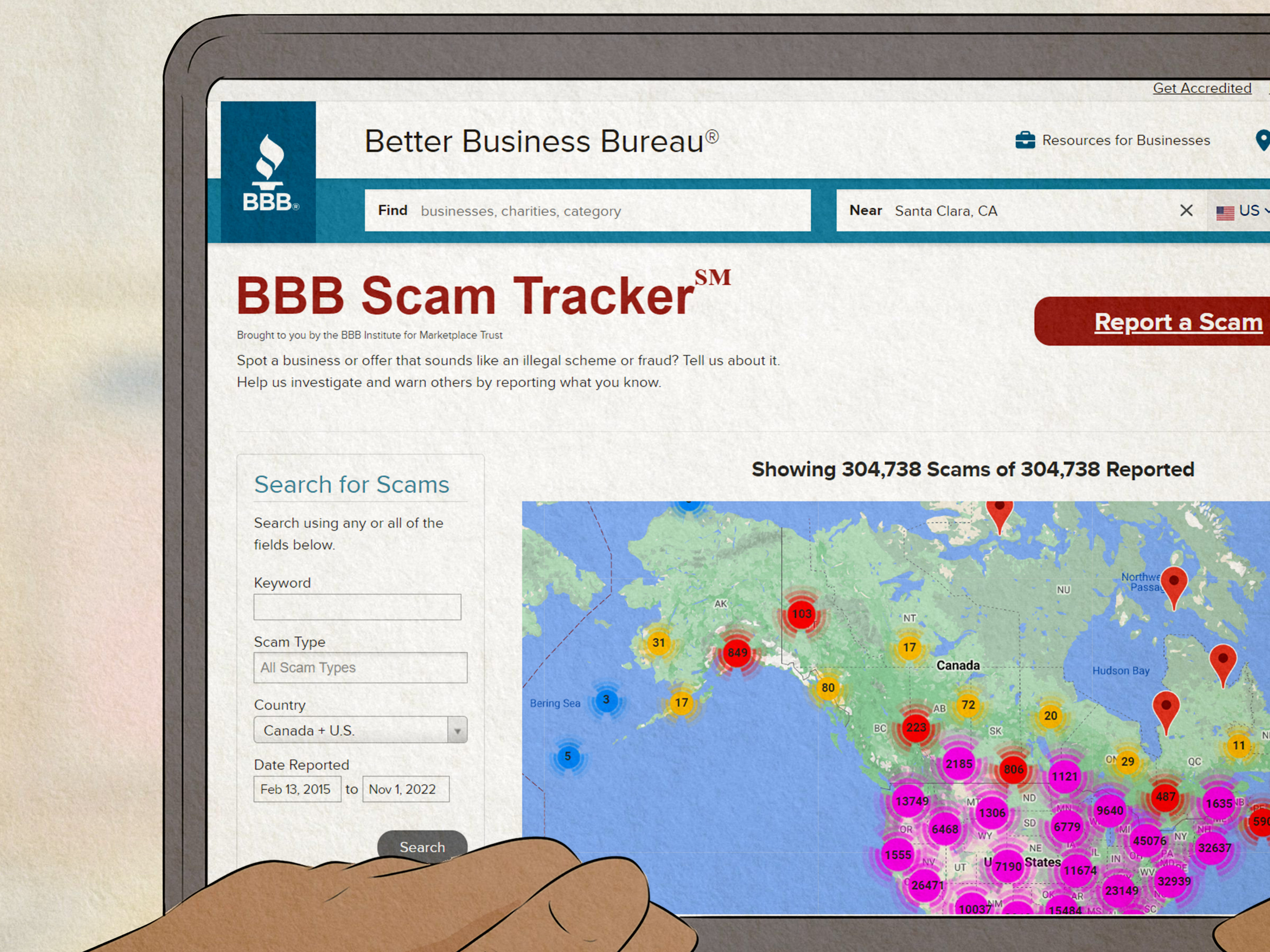
If something feels wrong, stop communicating before sending money or sharing information. Take screenshots of the profile, username, phone number, payment handles, email address, and messages. Report the profile to the platform where the conversation started. If money has already been sent, contact your bank, card issuer, payment app, or gift card company immediately and explain that you may have paid a scammer.
You can also report fraud to appropriate consumer-protection and law-enforcement channels. Reporting may not guarantee recovery, but it helps platforms and agencies track patterns, warn others, and sometimes shut down networks.
Real vs. Fake Sugar Momma: Quick Comparison
| Behavior | More Likely Real | More Likely Scam |
|---|---|---|
| Money requests | Does not ask you to pay first | Requests fees, gift cards, crypto, or transfers |
| Identity | Open to reasonable verification | Avoids video calls and gives endless excuses |
| Communication | Patient, respectful, consistent | Pushy, secretive, overly intense |
| Payments | No suspicious check or refund games | Sends fake checks or asks you to move money |
| Personal data | Respects privacy | Requests bank logins, passcodes, ID, or card numbers |
Experience-Based Lessons: What People Often Learn the Hard Way
Many people who encounter sugar momma scams describe the same emotional pattern. First, the message feels flattering. Someone attractive, confident, and supposedly wealthy chooses them out of nowhere. That attention can feel exciting, especially if the person is stressed about money, lonely, bored, or simply curious. Then the promise becomes specific: weekly allowance, bills paid, gifts sent, maybe even a luxury lifestyle. The scammer paints a picture so bright that the warning signs can look like tiny shadows.
The first lesson is that excitement is not evidence. A stranger can say “I want to spoil you” in three seconds. Real trust takes longer. Scammers understand that money promises can make people skip normal safety steps, so they often lead with generosity. The bigger the promise, the more carefully you should inspect it. A $2,000 weekly allowance from someone who cannot answer basic questions is not a blessing. It is a neon sign blinking “Please verify reality.”
The second lesson is that fake payments can look surprisingly real. People often assume that if a payment screenshot appears, a check clears, or a banking notification shows up, the money must be safe. Unfortunately, fake check and payment scams work because the banking system can make funds appear temporarily available before the transaction is fully confirmed. That gap gives scammers time to pressure victims into sending money out. By the time the deposit fails, the scammer is gone, and the victim is left dealing with the bank.
The third lesson is that scammers are not always rude or obvious. Some are patient, warm, funny, and emotionally convincing. They may ask about your day, remember details, send compliments, and create a sense of connection. This does not make them real. It makes them practiced. A scammer can be charming and still be a scammer. In fact, charm is often the tool.
The fourth lesson is that secrecy helps the scammer. When someone says, “Do not tell anyone,” they may be trying to isolate you from a second opinion. A trusted friend, family member, bank employee, or online safety expert might spot the red flags quickly. Scammers know this, so they may use embarrassment, urgency, or fake romance to keep you quiet. A safe arrangement does not require hiding financial activity from everyone who cares about you.
The fifth lesson is that small losses can become large losses. A scammer may begin with a $25 fee or a $50 gift card. Once you pay, they know you are willing to follow instructions. Then the problem grows: another fee, a failed transfer, a bigger check, a fake emergency, a promise that the “real money” is almost there. This is how people get pulled deeper. The safest time to stop is before the first payment leaves your hands.
The sixth lesson is that shame keeps people stuck. If you already sent money or shared information, do not waste time beating yourself up. Scammers are professional manipulators. Smart people get scammed. Careful people get scammed. The important move is to act quickly: stop contact, secure accounts, contact financial institutions, save evidence, report the profile, and ask for help. Silence helps scammers more than it helps you.
The final lesson is simple: real generosity does not require financial danger. If someone is genuine, they will not ask you to commit fraud, share private banking information, lie to a bank, buy gift cards, send crypto, or prove loyalty with money. Any situation that begins with “I will pay you after you pay me” should be treated like a raccoon in a tuxedo: interesting, but absolutely not something you invite into your house.
Conclusion
Knowing how to tell if a sugar momma is real comes down to patience, verification, and financial boundaries. A real person will not demand upfront fees, pressure you into secrecy, avoid every identity check, send suspicious checks, or ask for sensitive information. A scammer, on the other hand, usually reveals themselves through urgency, payment tricks, emotional manipulation, and inconsistent stories.
The safest mindset is not paranoia. It is practical caution. Enjoy conversations, but do not let compliments override common sense. Verify identity, protect your accounts, never move money for strangers, and walk away from anyone who turns “generosity” into a transaction that puts you at risk. Real people respect safety. Scammers rush it.